MARVIN x Mallrat: The invisible moments matter too

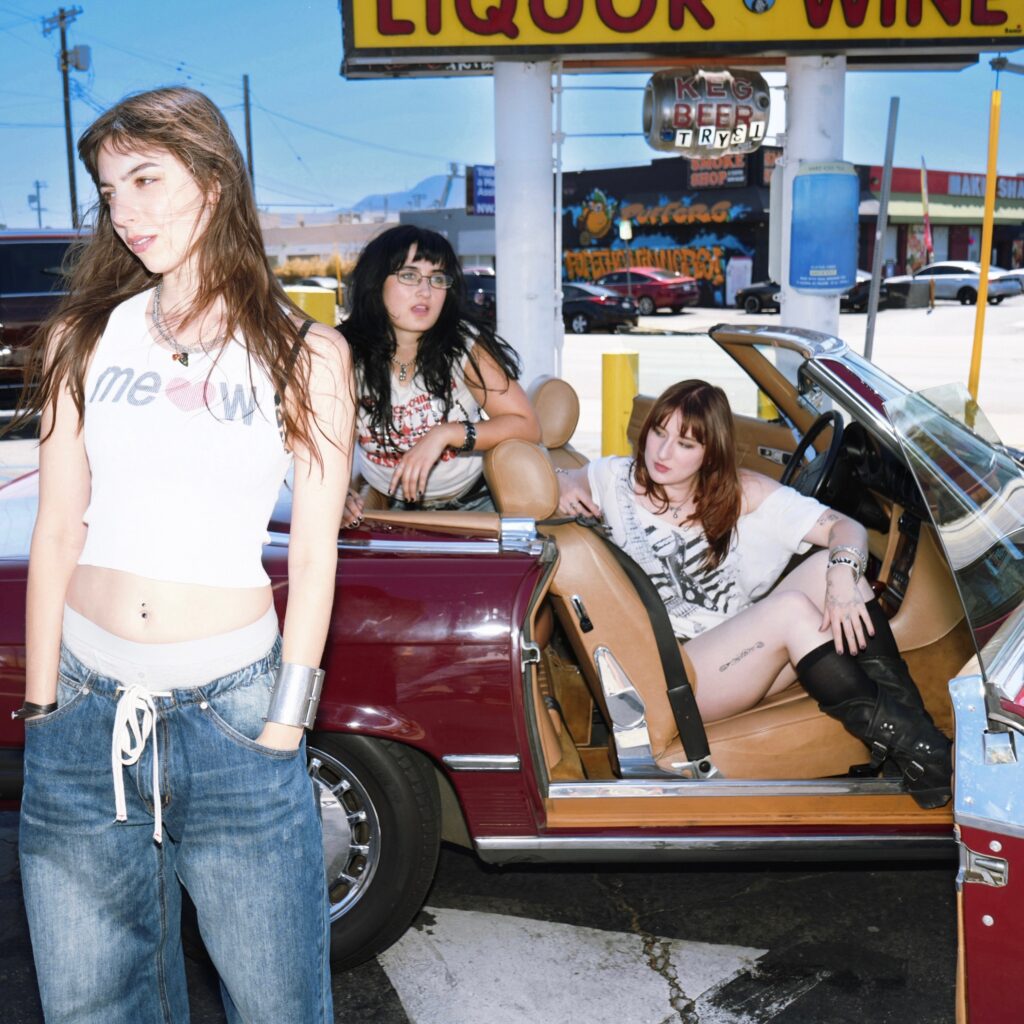
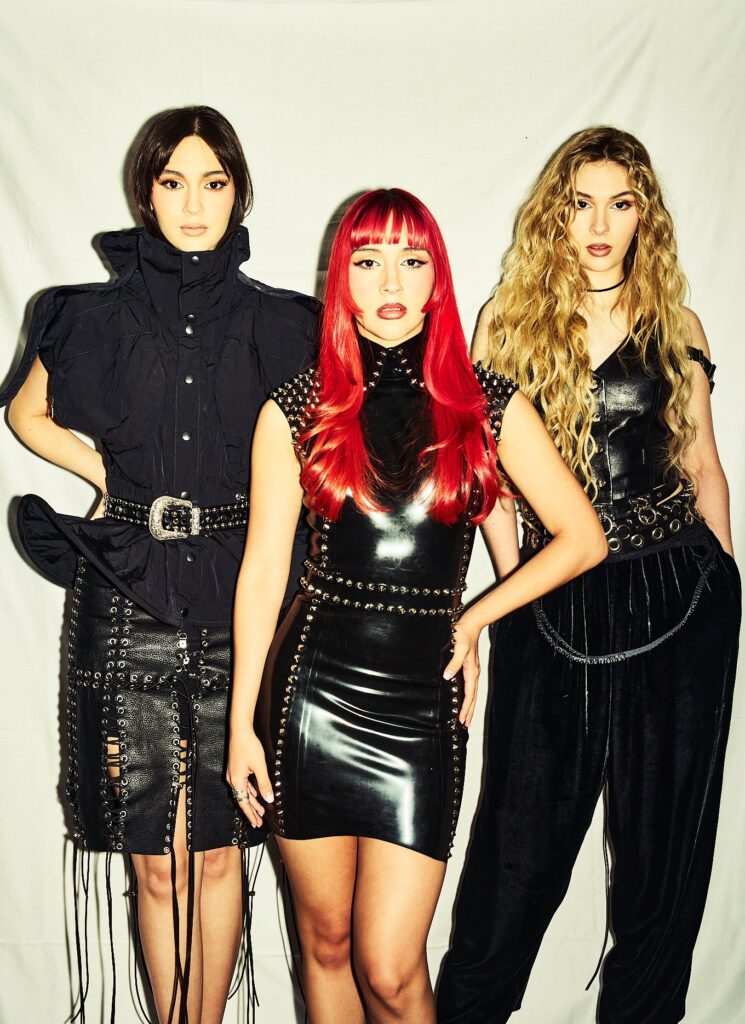
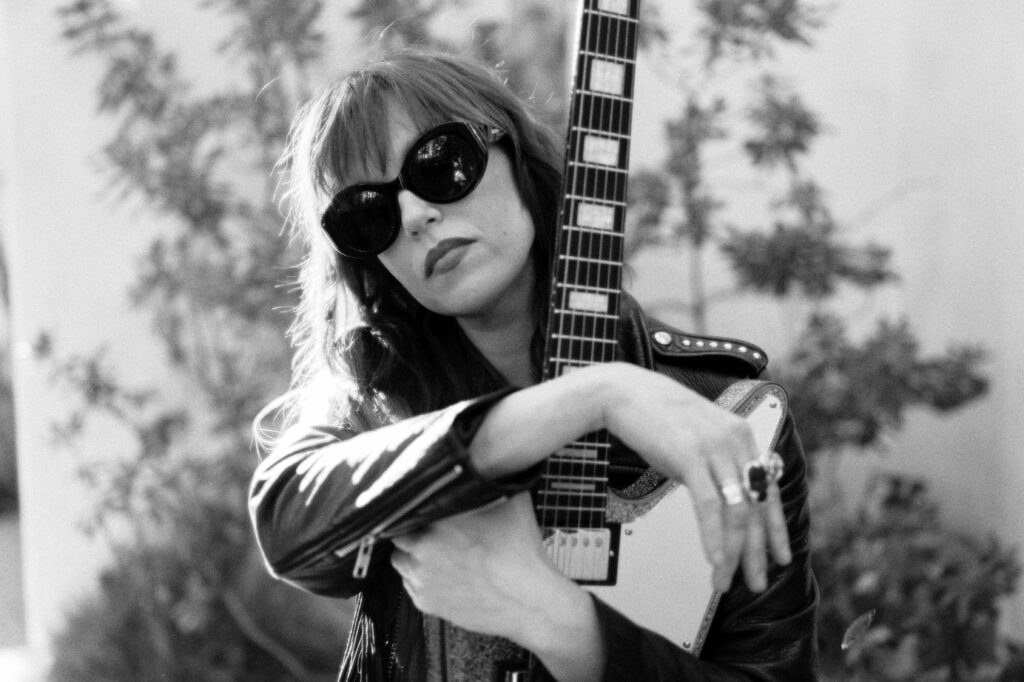
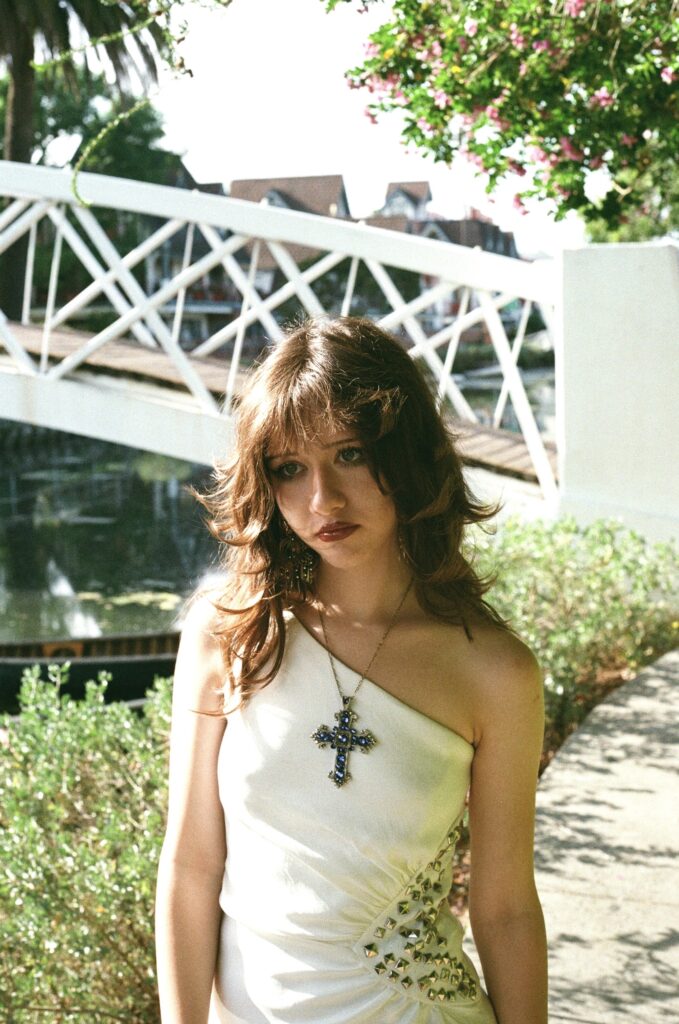
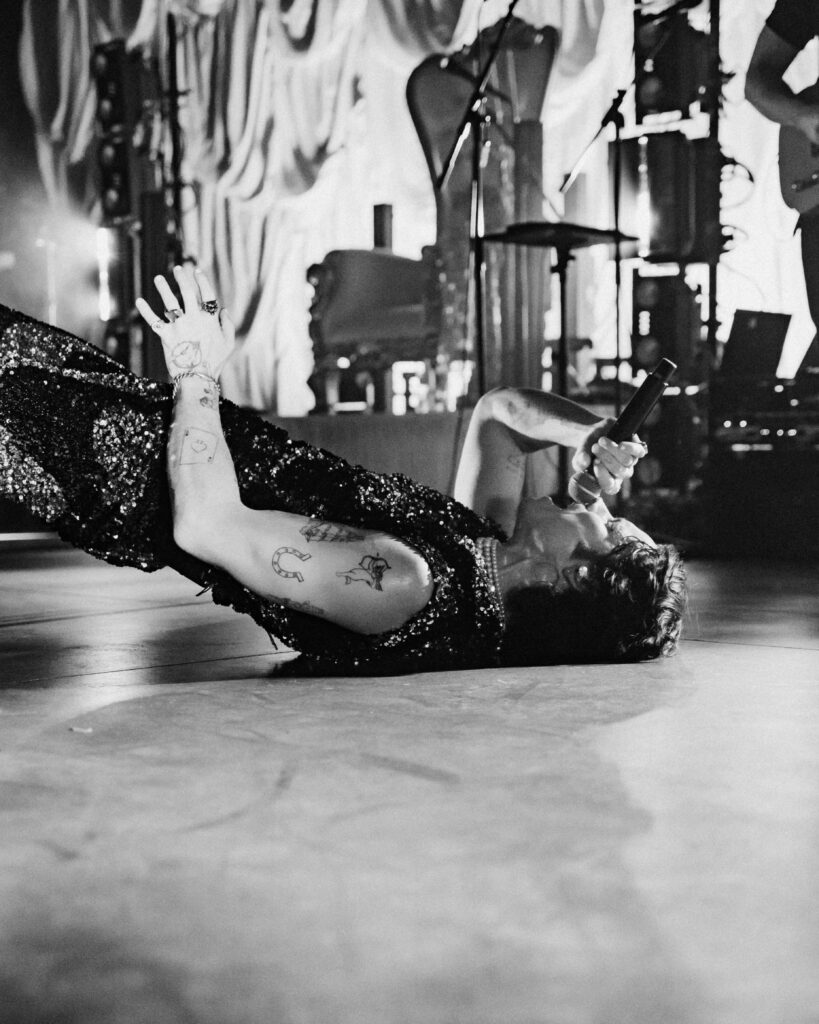
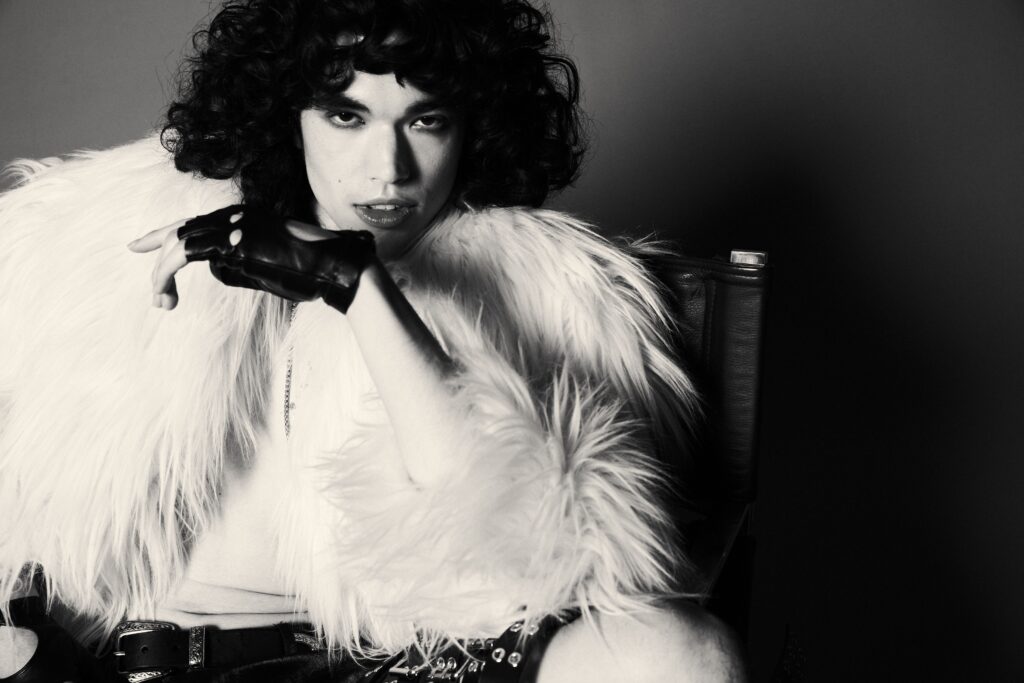
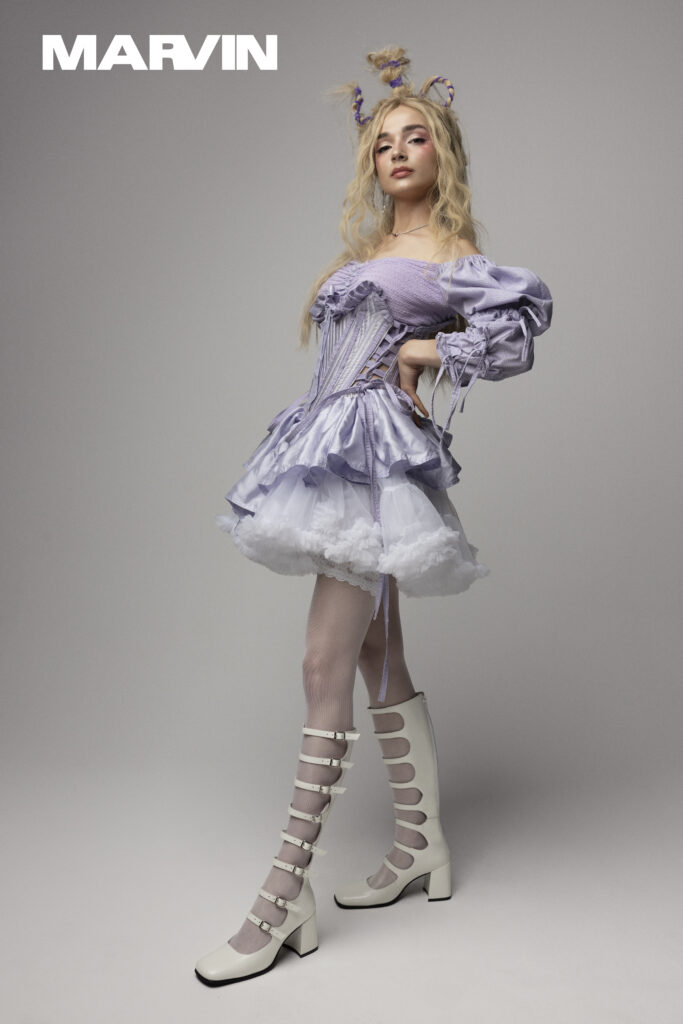
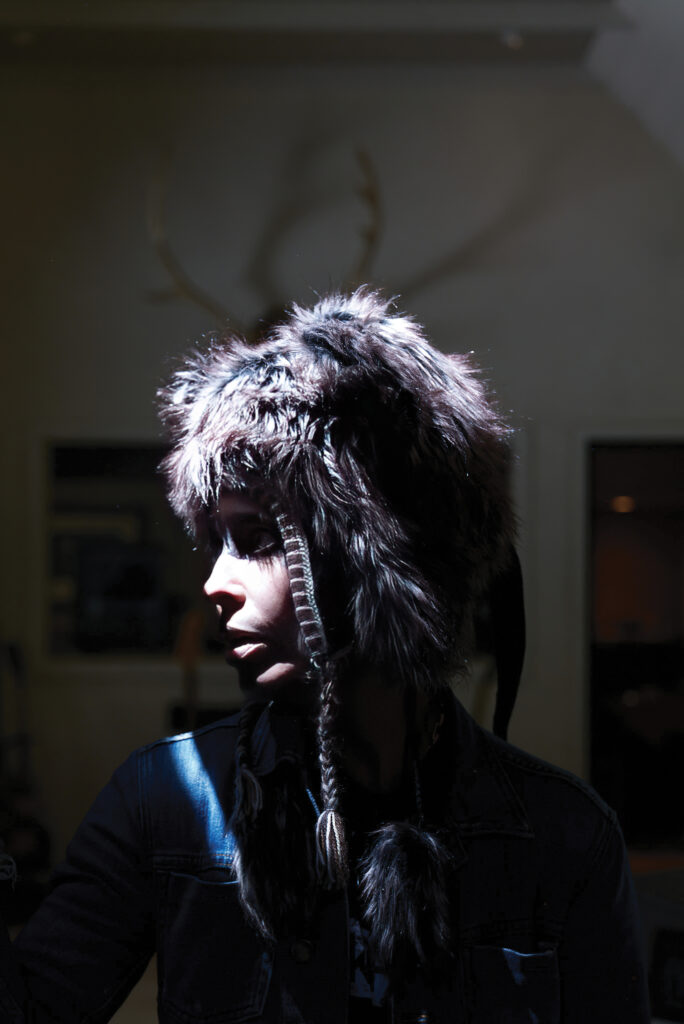
Photo by Josh Sabini
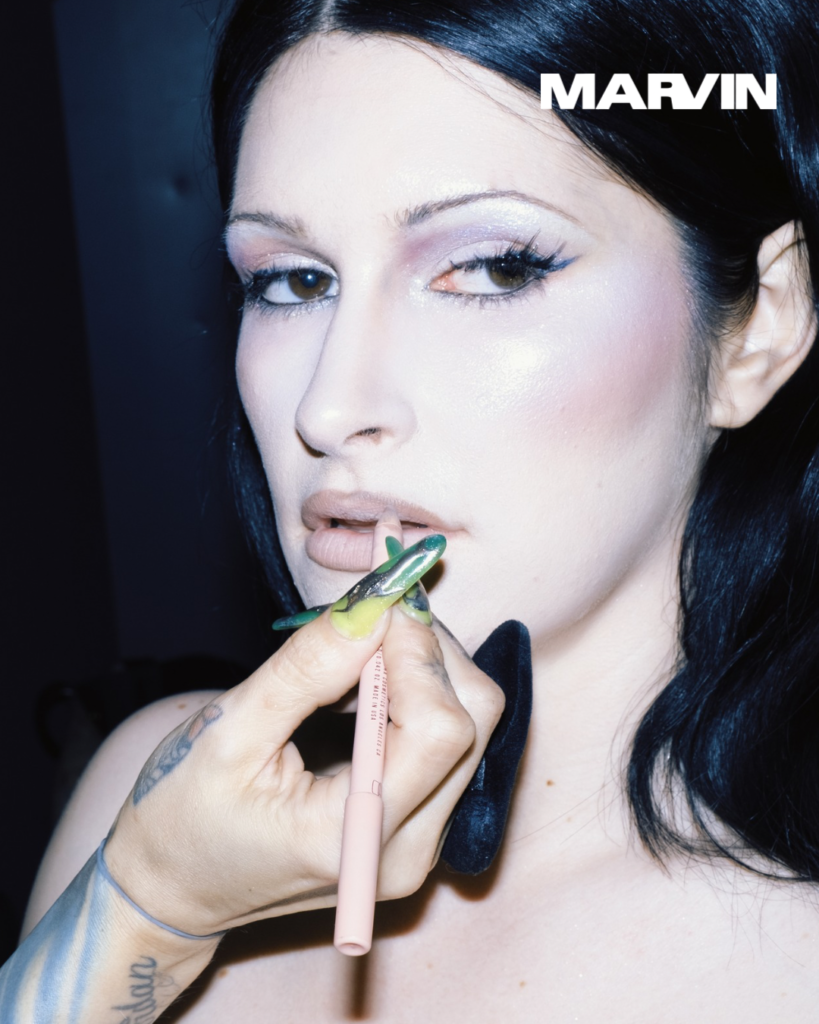
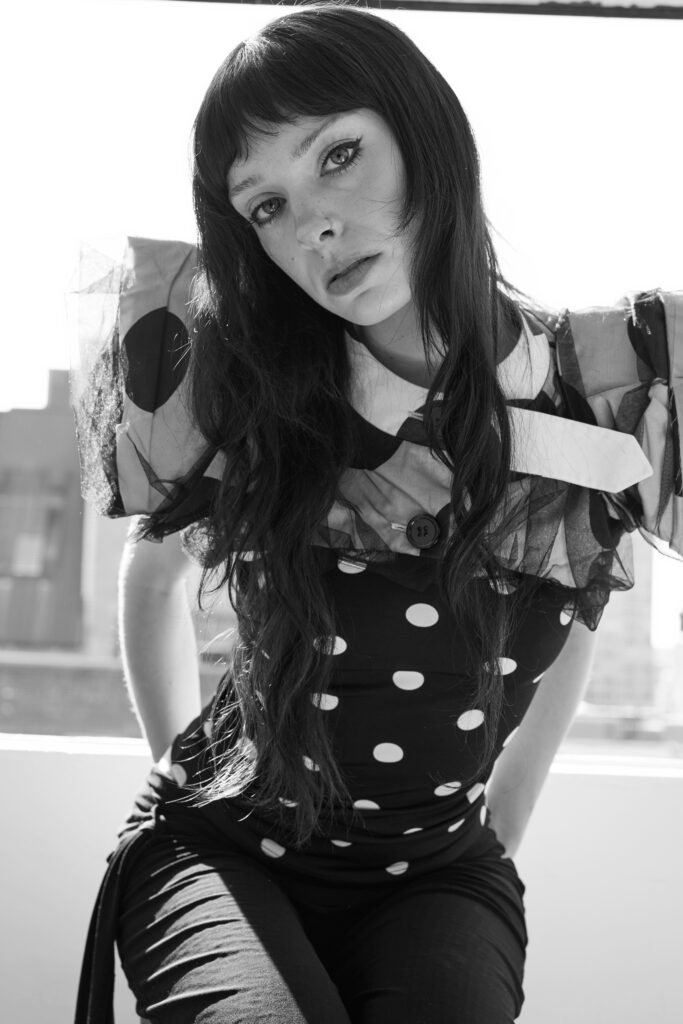
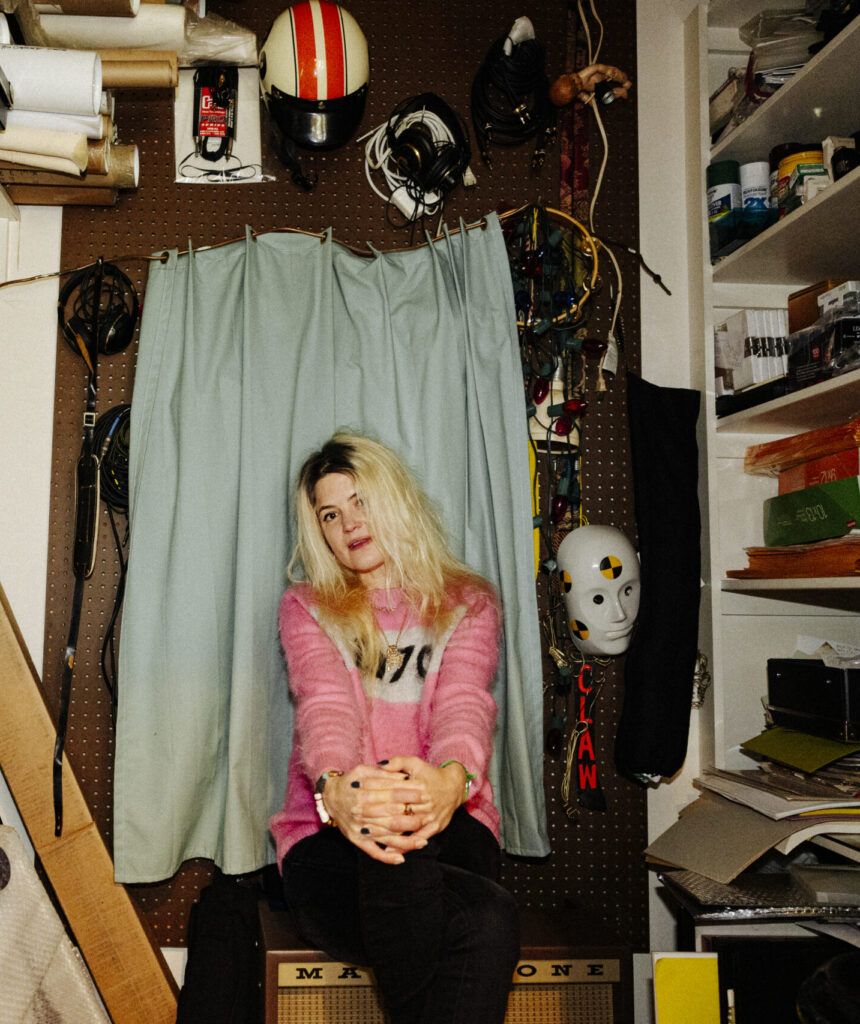
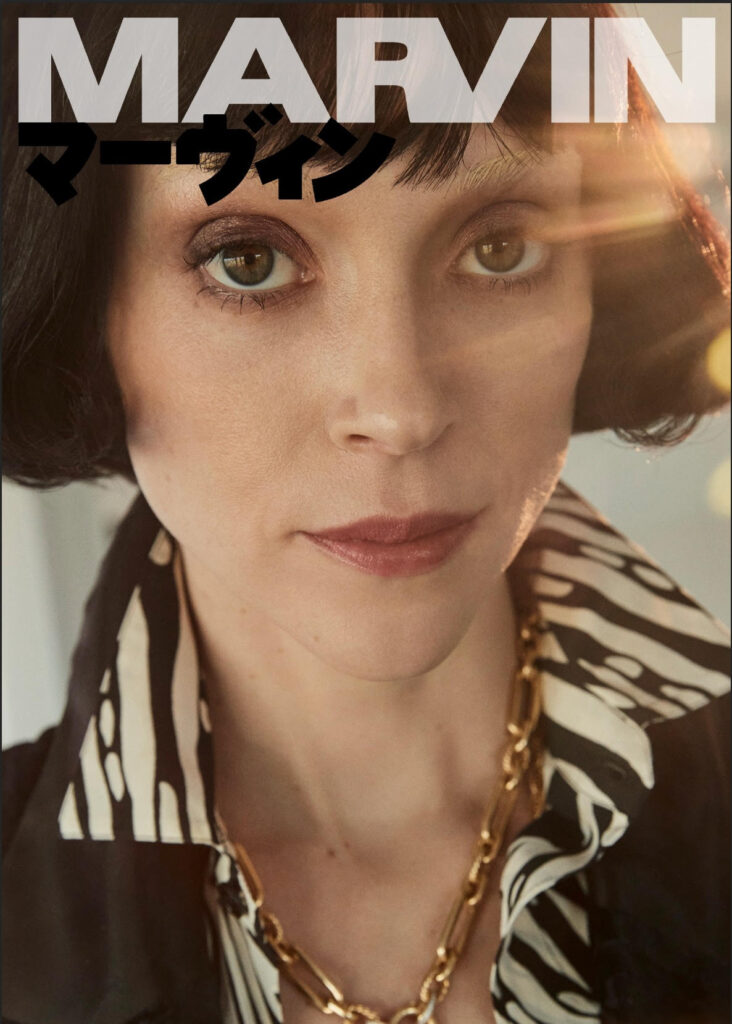
When Grace Shaw, also known as the pop star Mallrat, writes music, she doesn’t get emotional. “I don’t relate to that,” she says of artists who compare songwriting to therapy. Instead, writing music is “like a big Tetris puzzle”, a problem that needs solving. “That’s totally the part of my brain that I’m using, that observational and logical part.”
That’s not to say that Shaw’s songs lack emotional depth: since her debut EP, she has released music filled with love to have substantial feelings, from aching romance, hazy ennui, a hollowing sense of loss, and giddy euphoria. This is particularly apparent on the 26-year-old’s second and most recent album, LIGHT HIT MY FACE LIKE A STRAIGHT RIGHT, a sophisticated and more electronic deviation from the more organic, hip hop-inflected singer-songwriter fare of her debut, 2022’s Butterfly Blue.
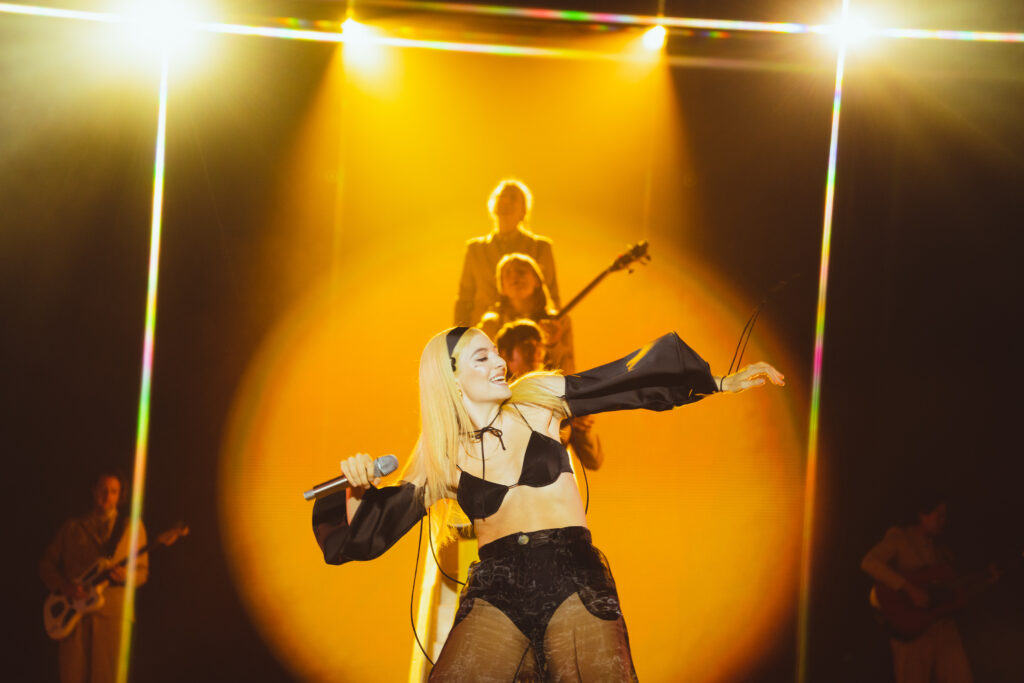
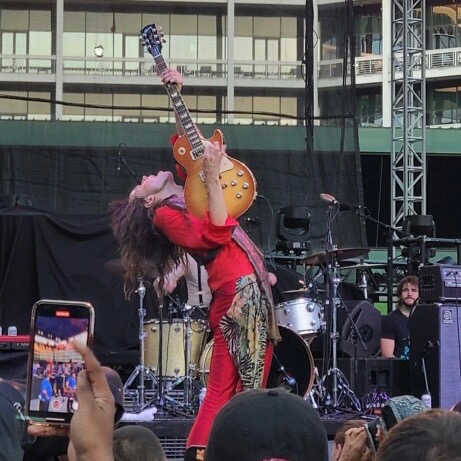
When we speak, Shaw is in Melbourne, Australia, where she lives. She’s just finished supporting pop icon Kylie Minogue on tour, playing the biggest venues of her career. “I got to play the album for the first time,” she says, “and I think they suited those big speakers.”
Kylie’s music was “just always around” while Shaw was growing up, and she remembers her mom playing the singer’s Impossible Princess album in the car. “Watching her show you realize that she has been always a few steps ahead of everybody else, especially with dance-pop,” Shaw says. “I love her story and how she stuck to her guns, despite being underestimated so often.”
There is, in fact, an echo of Impossible Princess’ aquatic, new age pop found on LIGHT HIT MY FACE LIKE A STRAIGHT RIGHT, albeit updated and amplified by the radiant and expansive electronics of hyperpop. “There’s this ambient song by SOPHIE called ‘Pretending I Give In (Let Go)’ and that was a reference I pulled up [while making the album] because it has that watery quality,” Shaw says. “I also wanted the music for this album to feel really potent with feeling and warmth and magic.”
Part of this stems from the production, which on songs like “Virtue,” “My Darling, My Angel,” and “Defibrillator” ripples with gorgeous ambient textures, spliced samples and gliding melodies, but also Shaw’s lyrics, which pair everyday observations with motifs of light and mysticism. “I feel like a lot of songwriters love to have a clear message in their songs, but I don’t find that interesting,” she explains. “As a writer, I like describing the world around me and what I imagine is happening in between all the little invisible moments, and then relating that to a collage of experiences. That, to me, is more interesting, even though it’s less literal.”
Shaw says that her experience growing up in the sleepy suburbs of Brisbane, where as a teenager she spent time walking for hours and people watching, was integral to this writing style.
“You have to have fun observing the world around you as a teenager in a relatively still and slow city,” she says. “I think that’s completely shaped my lyric writing.”
It might also explain why the meanings of her songs often make themselves known to her months, or even years, later. “When I’m writing, I don’t quite understand exactly what I’m describing, although it feels really true and important,” she says. “But then months later, or years later, I’ll go, ‘Oh, my God, that’s what that was about.’ I just had no idea.”

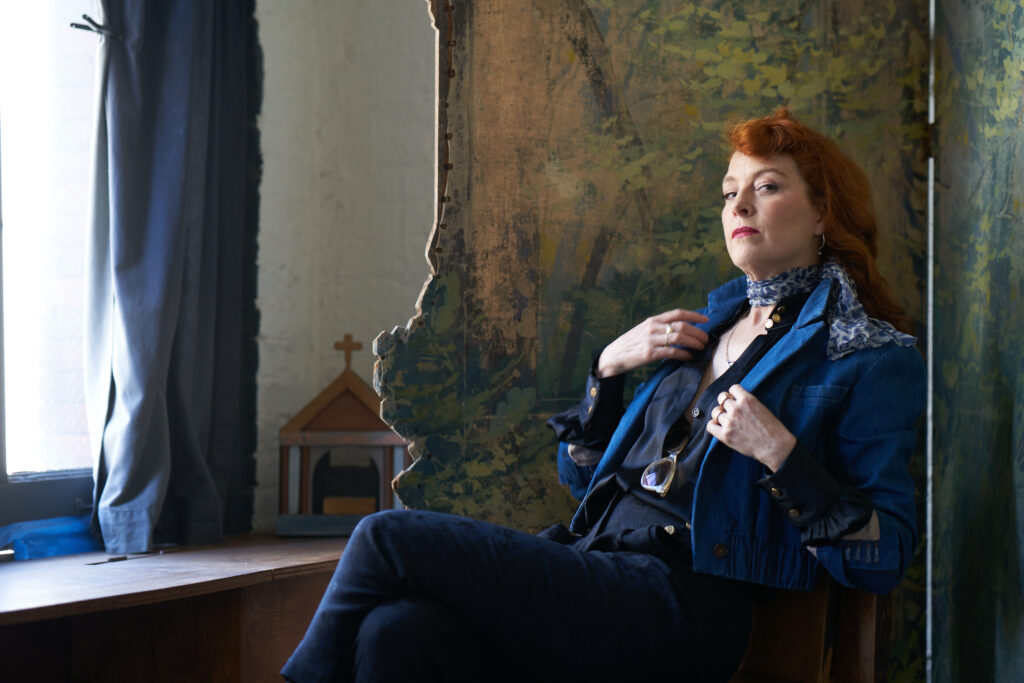
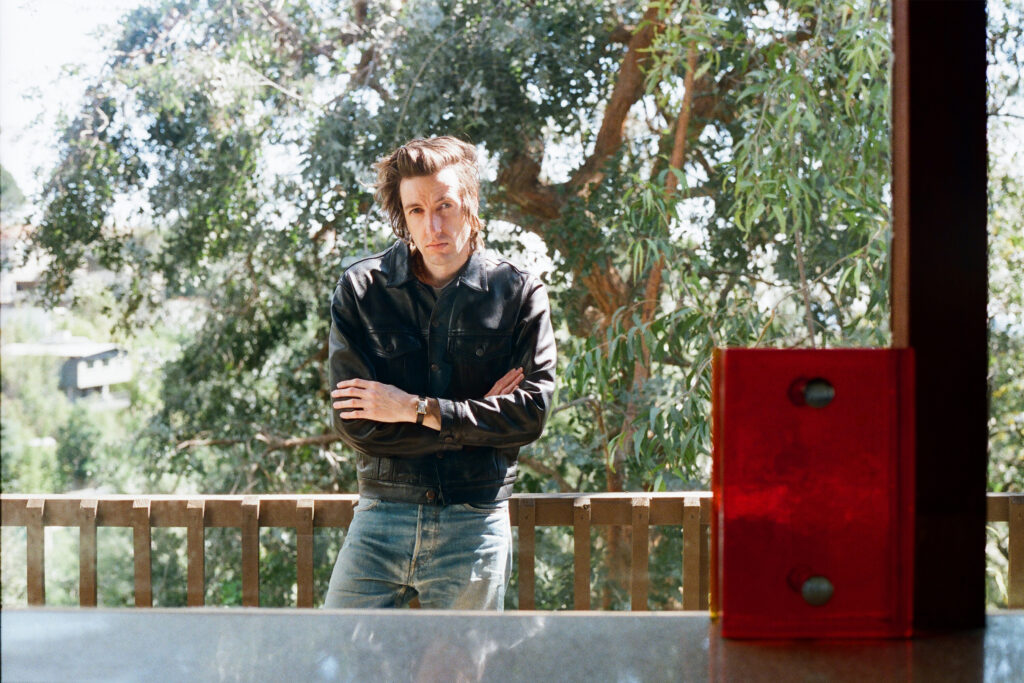
Photo by Josh Sabini
This happened recently with her song “Horses,” a delicate and nostalgic song about growing up and loss. “In the verses, I’m talking about catching the train home from school with my sister. And then I’m describing Brisbane, the world around me, but as I’m describing it, it’s like I’m doing all these things with my sister, but she’s missing,” Shaw says. “It’s not that there wasn’t a feeling of that being true when I wrote the song. But it has become very literal because my sister passed away last year. I could have written it after she died, it’s so true to that situation in a way that’s kind of spooky.”
Shaw’s sister, Liv, was a poet, and had struggled with addiction. She died shortly after Shaw had finished making her second album. The loss left her feeling “detached” from the songs she had written. “Sharing music just felt incredibly unimportant, even though it was all I was thinking about and working on for however many years,” she says. “I literally didn’t care about anything. I wanted to hide under a rock.”
With the release of LIGHT HIT MY FACE LIKE A STRAIGHT RIGHT, the support slot for Kylie and an upcoming tour, something clearly shifted for Shaw. Playing the songs live and seeing people respond to them is what feels real to her. “Being reminded of the physical reactions that people have to music, especially the way that they relate it to their own life, is always special to me,” she says. “It reminds me that music is worth sharing.”