MARVIN Exclusive: Lia Pappas-Kemps Protects the Quiet at the Center of Her Work

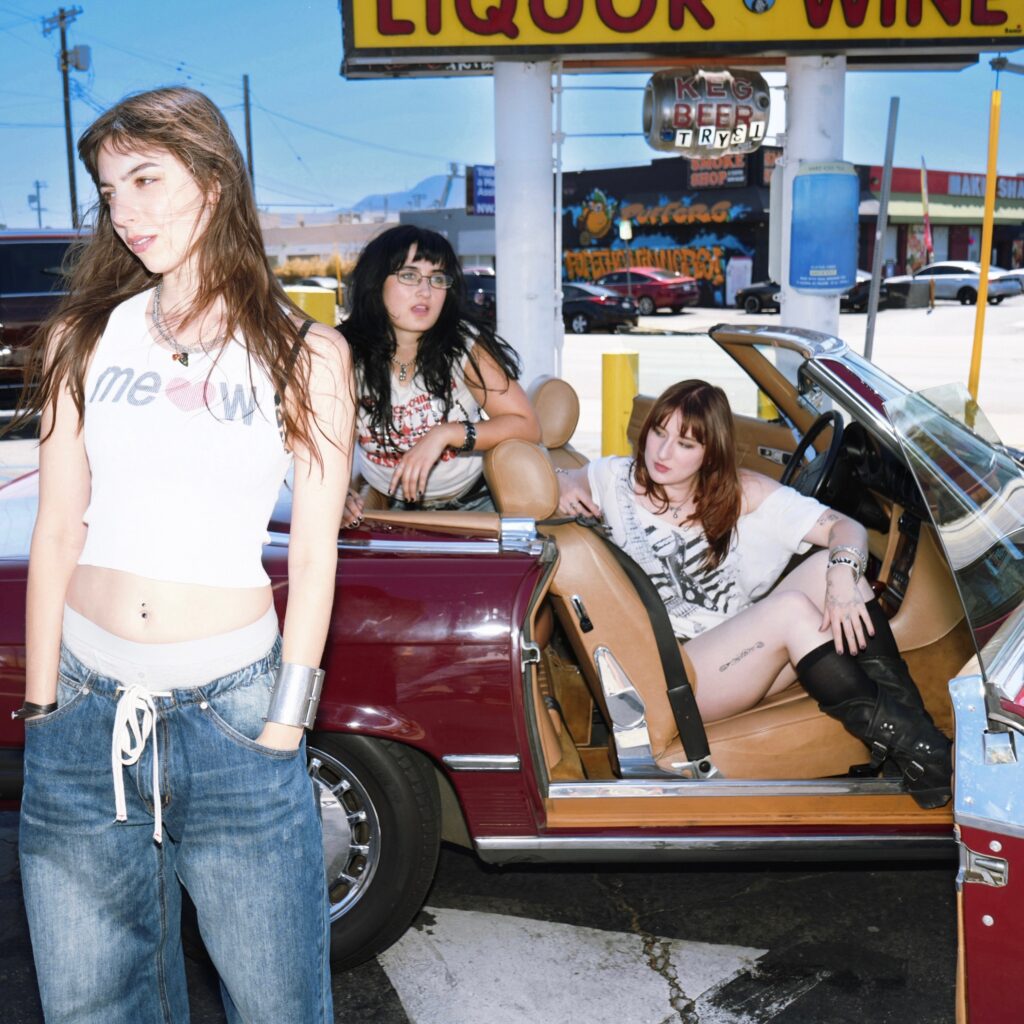
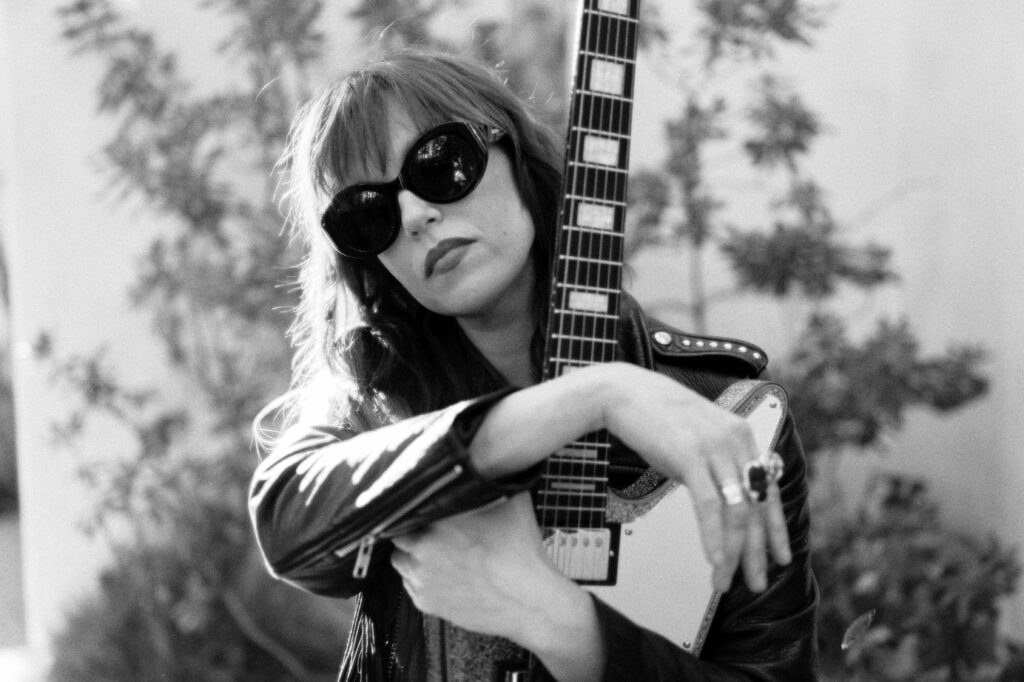
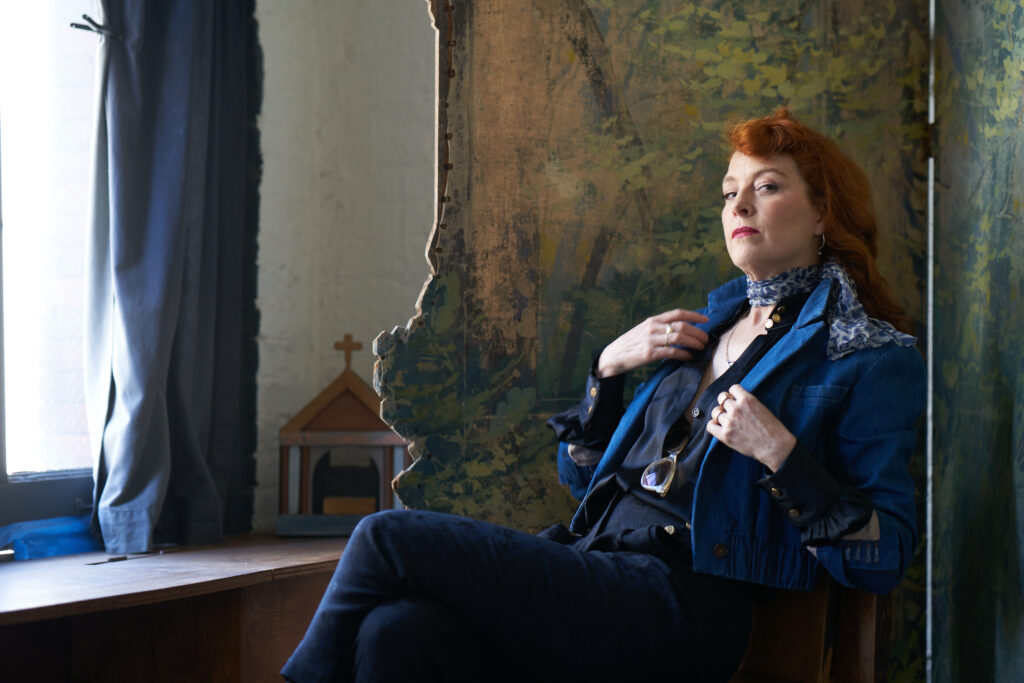
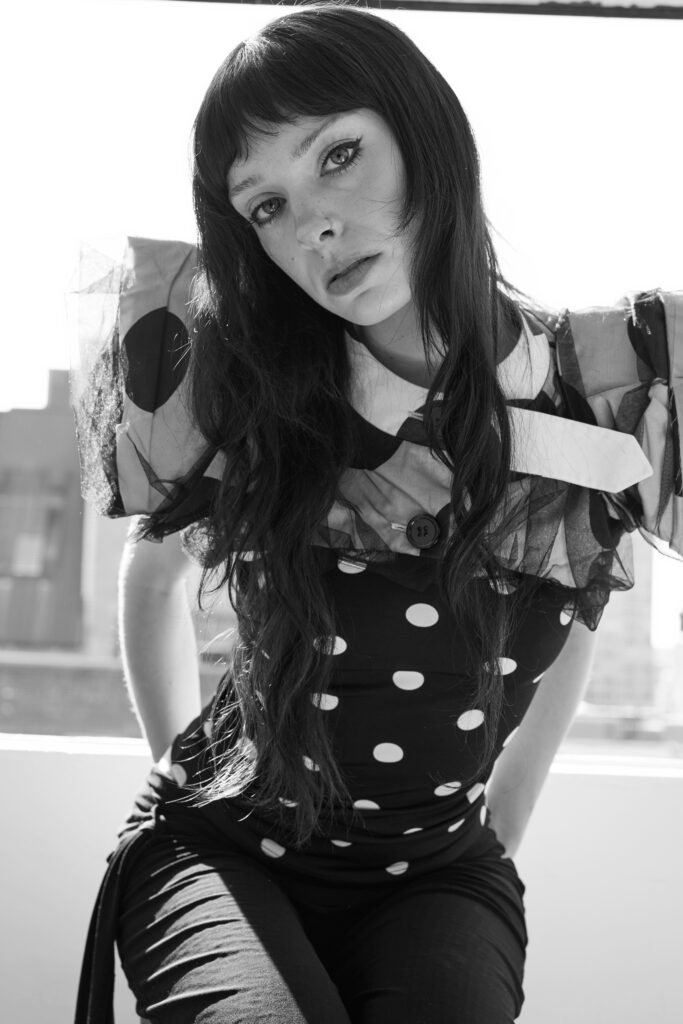
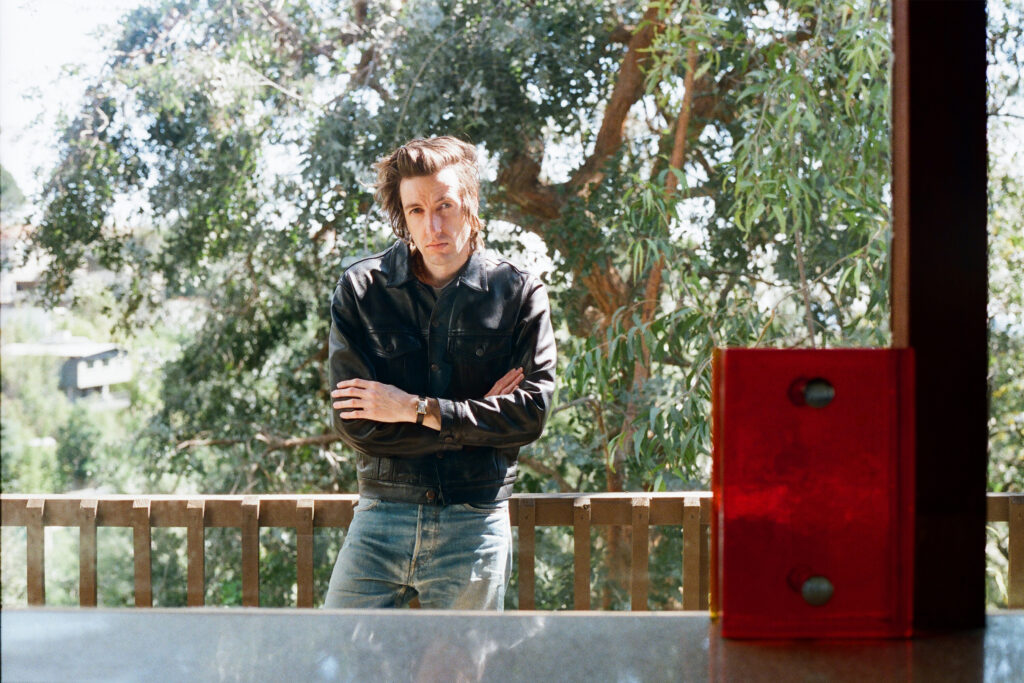
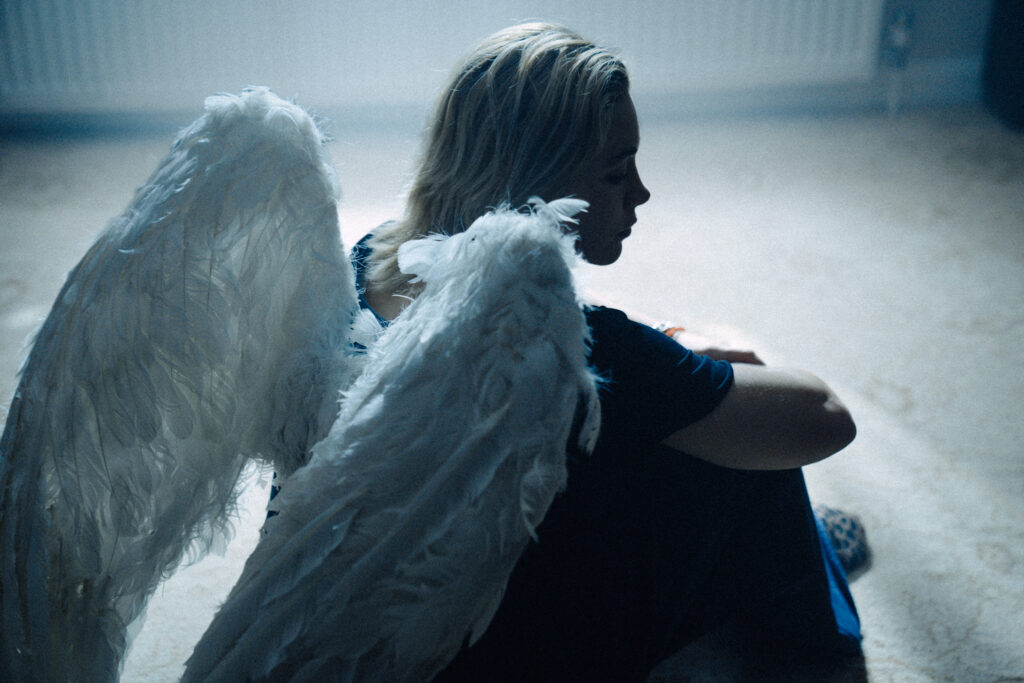
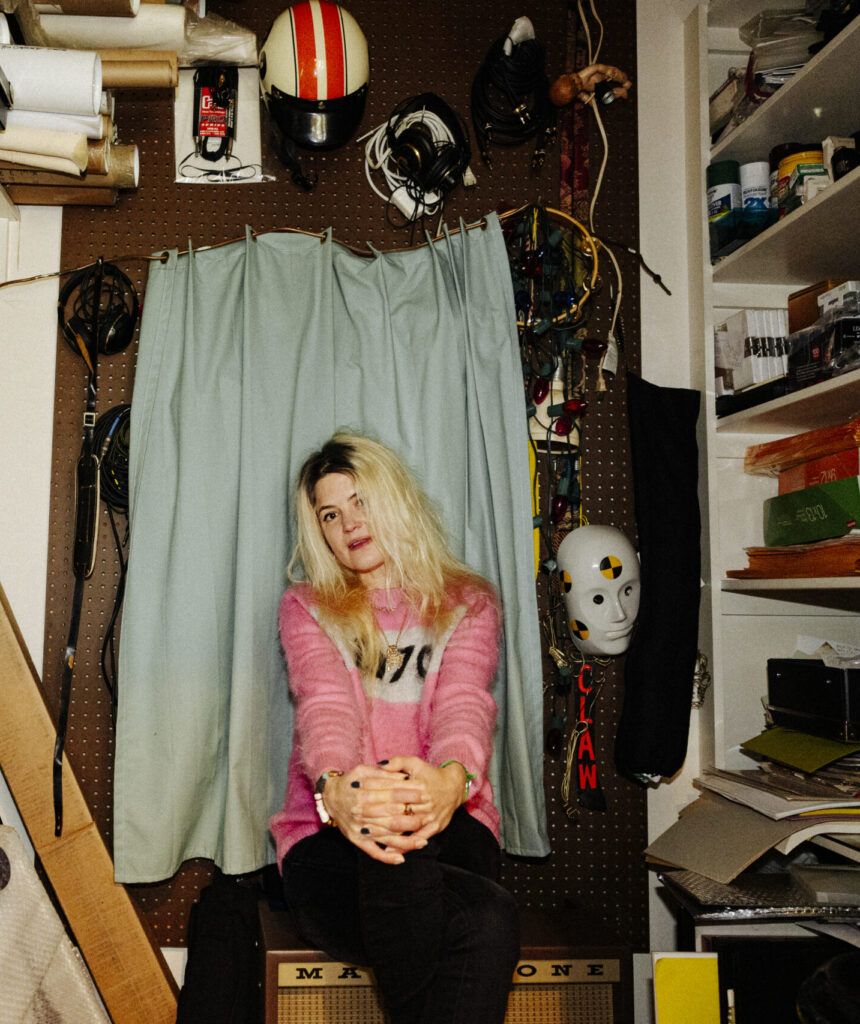
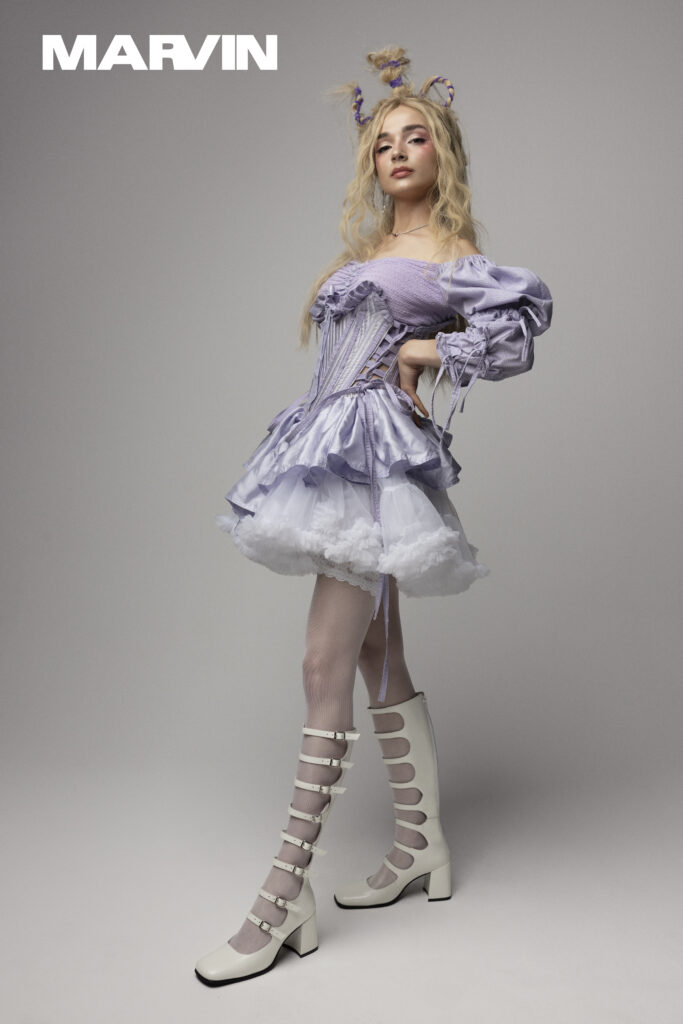
Photo by Oscar Tam
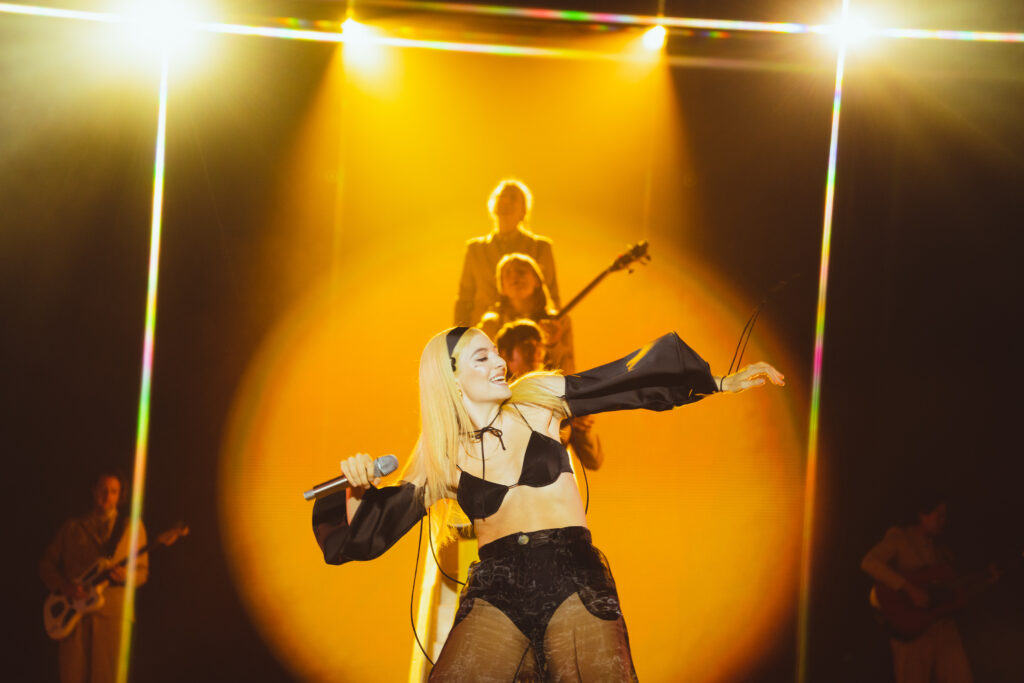
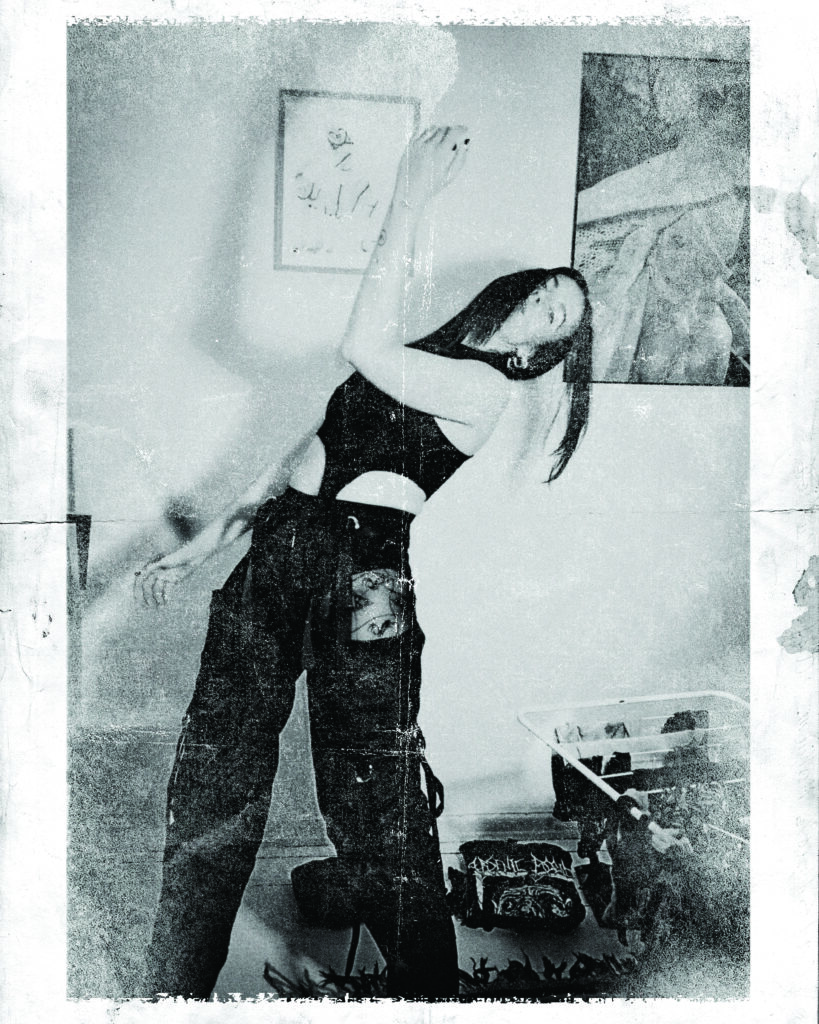
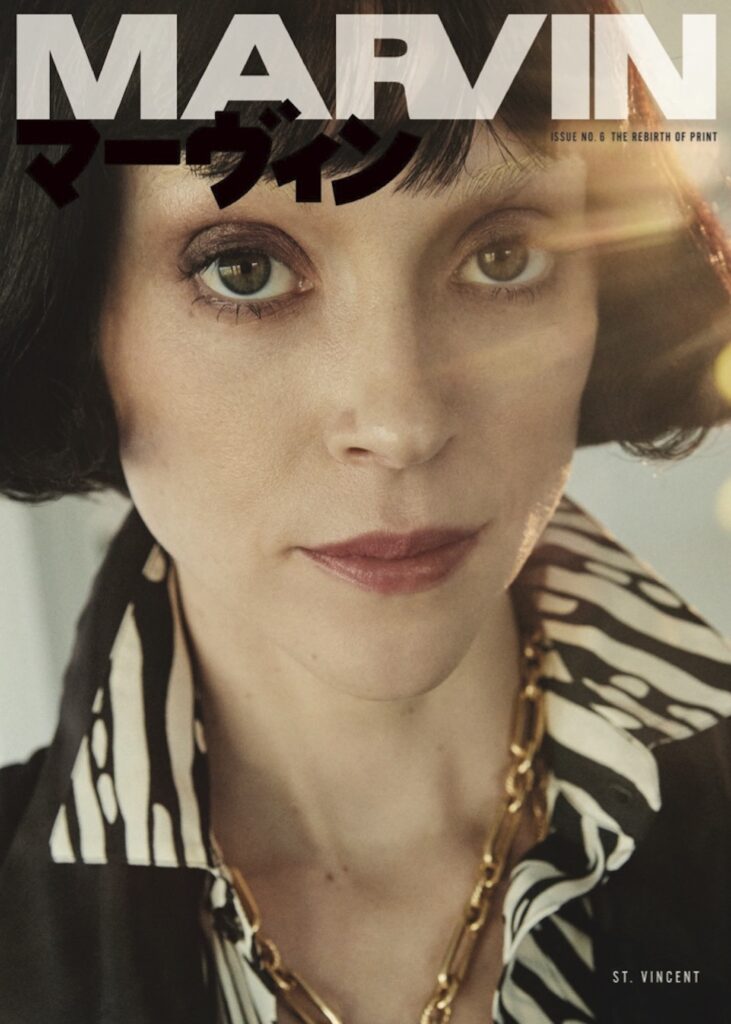
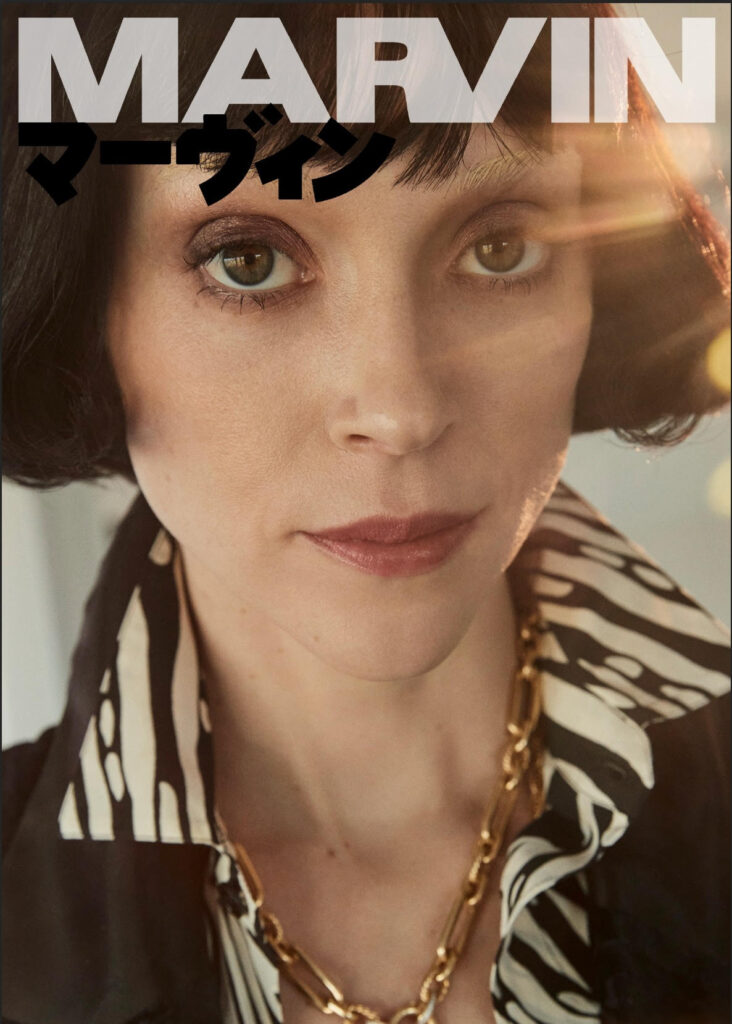
Lia Pappas-Kemps writes like someone unafraid of the quiet after the feeling hits. At 21, her songs don’t chase immediacy so much as they sit with it — patient, observant, and quietly devastating. “Towers,” her latest release and a preview of her debut album Winged, moves with that same tension: hushed but immovable, intimate yet wide enough to echo. There’s a weight to her restraint, a sense that the silences are doing just as much work as the words. For this MARVIN exclusive, Pappas-Kemps opens up about writing from the moment rather than the memory, the freedom and impulsivity of her early twenties, and protecting the fragile, essential space where the songs are born.
MARVIN: “Towers” feels whispered and massive at the same time. Where were you emotionally when the song took shape?
LIA: I was living in Montreal with my cousin and all of my best friends. This song took shape in our living room, and it came from a very unserious place in both of us. It was just fun, which I think is rare for me when writing.
MARVIN: You’re 21, but your writing carries real weight. Are you documenting life as it happens, or revisiting it once the feeling settles?
LIA: I would say I tend to write about things as they’re occurring to me, but I don’t know if that really clicks to me until far past when I write it. Listening back to this record now, I’m realizing how plainly I laid out feelings and thoughts that I didn’t come to terms with until months later. Songs are oracles!
MARVIN: Your music is restrained but cinematic. How intentional is that balance between softness and impact?
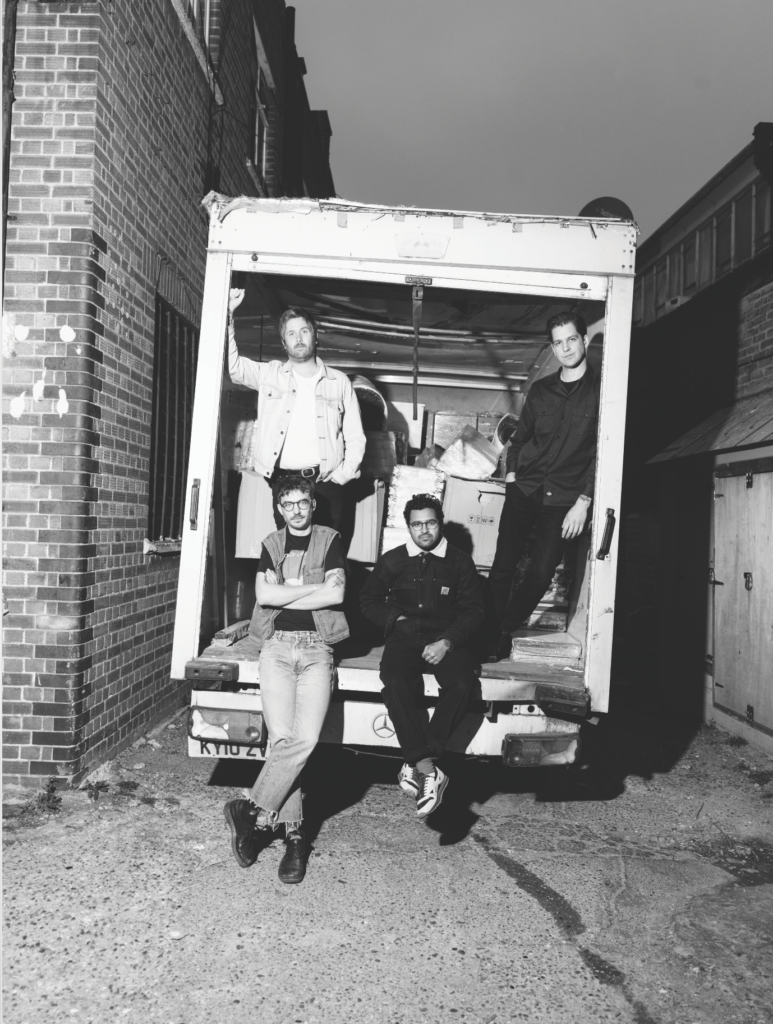
LIA: Truthfully, it’s not that intentional on my end. I think when I song-write, I’m naturally guided towards the final destination of a song. I usually can tell whether a song should be more heavy or more reserved. I think those things present themselves the longer you play the song, or if I bring the song to the band, etc.
MARVIN: Comparisons to Joni Mitchell, Laura Marling, and Alanis Morissette follow your work. Do those references feel affirming, heavy, or easy to ignore?
LIA: My heroes! Comparisons like that are totally affirming. I don’t interpret them as judgments on my singularity. Joni specifically is so woven into my musical language that I could never be upset about that link being drawn.

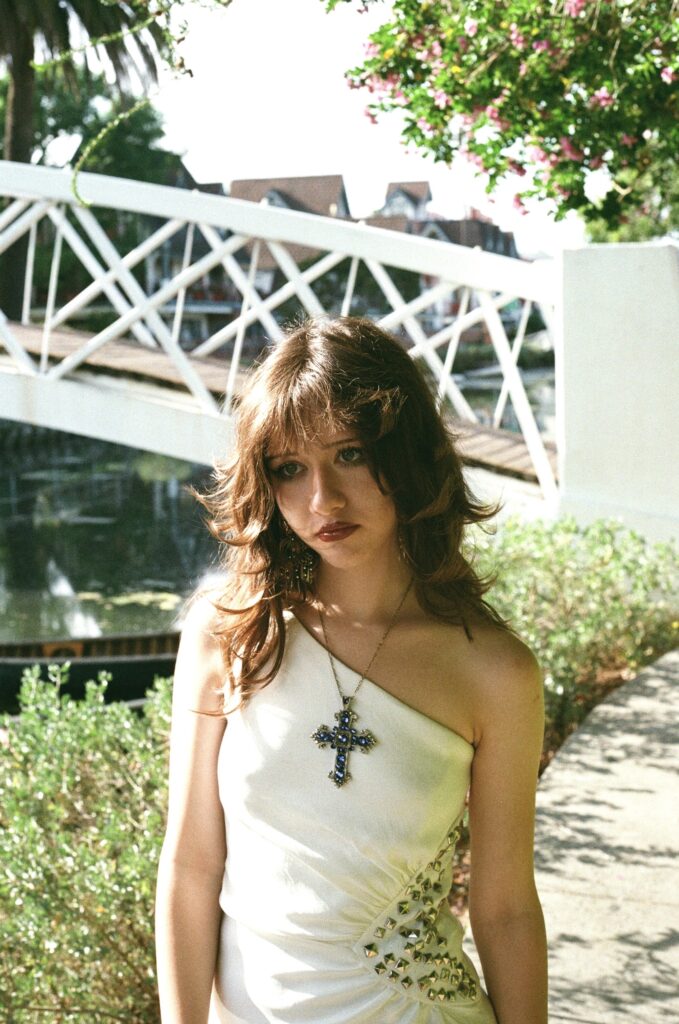
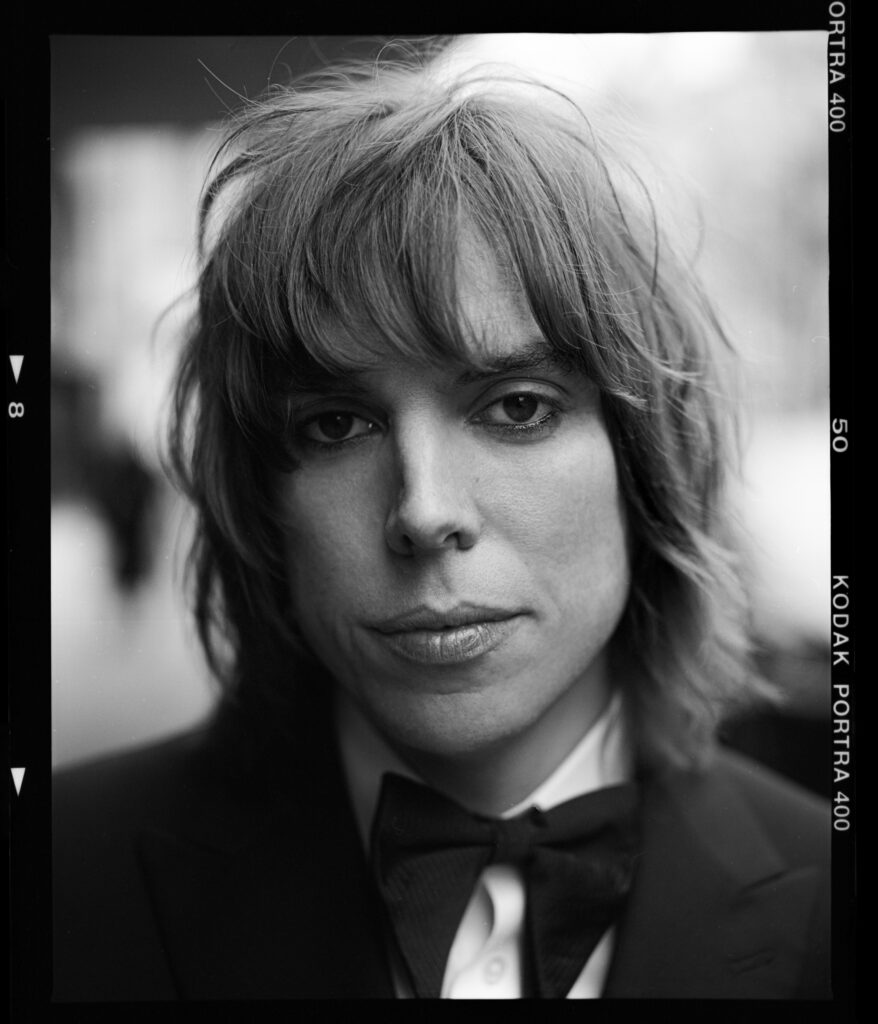
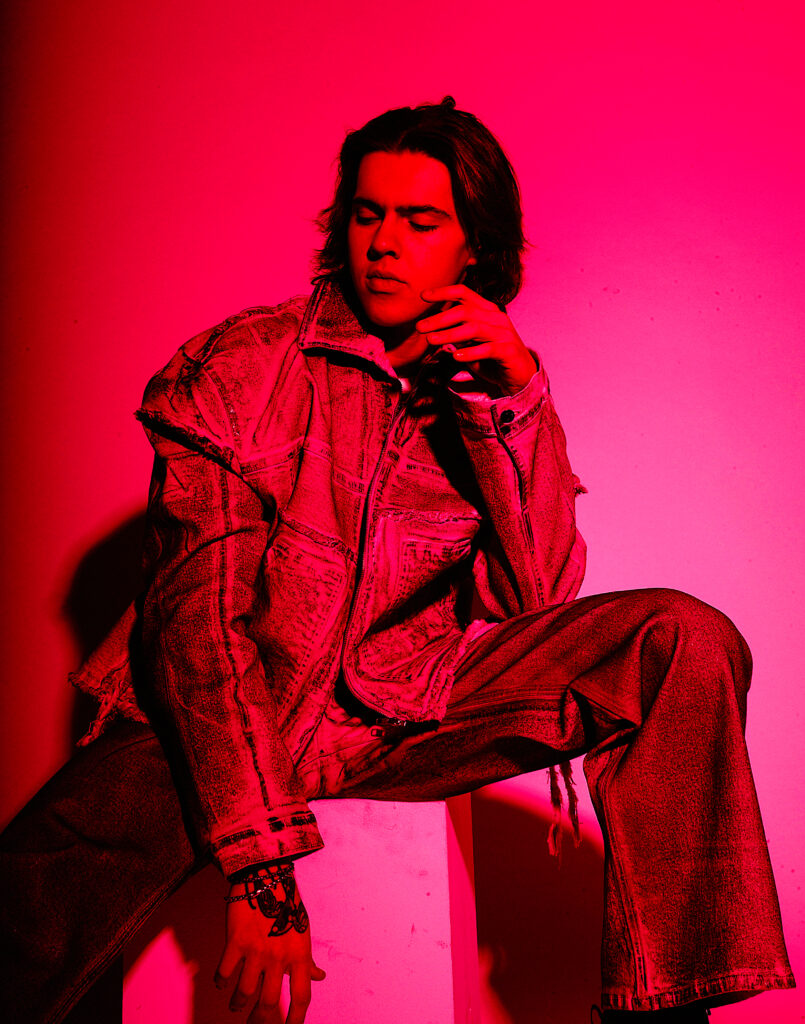
Photo by Oscar Tam
MARVIN: “Towers” arrives just ahead of your debut album Winged. How does this song set the tone for what’s coming?
LIA: I think it hints at some more gritty and heavy elements that the other two singles didn’t entirely touch on. I hope this tune makes people excited about hearing the live set.
MARVIN: Winged suggests both freedom and exposure. What does the title mean to you right now?
LIA: Right now it feels mostly about the flighty urge for freedom, and the impulsivity of being 20 and 21.
MARVIN: Your songs often feel like they live in the aftermath. How important is silence in your creative process?
LIA: I feel like the importance of privacy has been written about forever when talking about the creative process so it feels a bit redundant, but it’s totally true for me. Solitude and silence are the only states I can really write in.
MARVIN: As the noise around you grows, what part of yourself are you most protective of — and what do you refuse to let get flattened into a narrative?
LIA: I think I’m ultimately most protective of my creative space and time. There are so many superfluous aspects of the industry that many artists become burdened with. I just want to preserve the part of music that I cherish the most, and make sure that it remains untouched.
What emerges from talking with Lia Pappas-Kemps is not a rush to define herself, but a commitment to staying porous — to feeling things in real time and trusting the song to reveal its meaning later. Winged feels less like a statement than a document of motion: of flight, missteps, and the uneasy beauty of becoming. As the industry’s volume continues to swell around her, Pappas-Kemps remains anchored to the quieter truths — the living room demos, the solitary moments, the creative core she refuses to let calcify. In that restraint lies her power, and in that refusal, a debut that feels not just promising, but enduring.