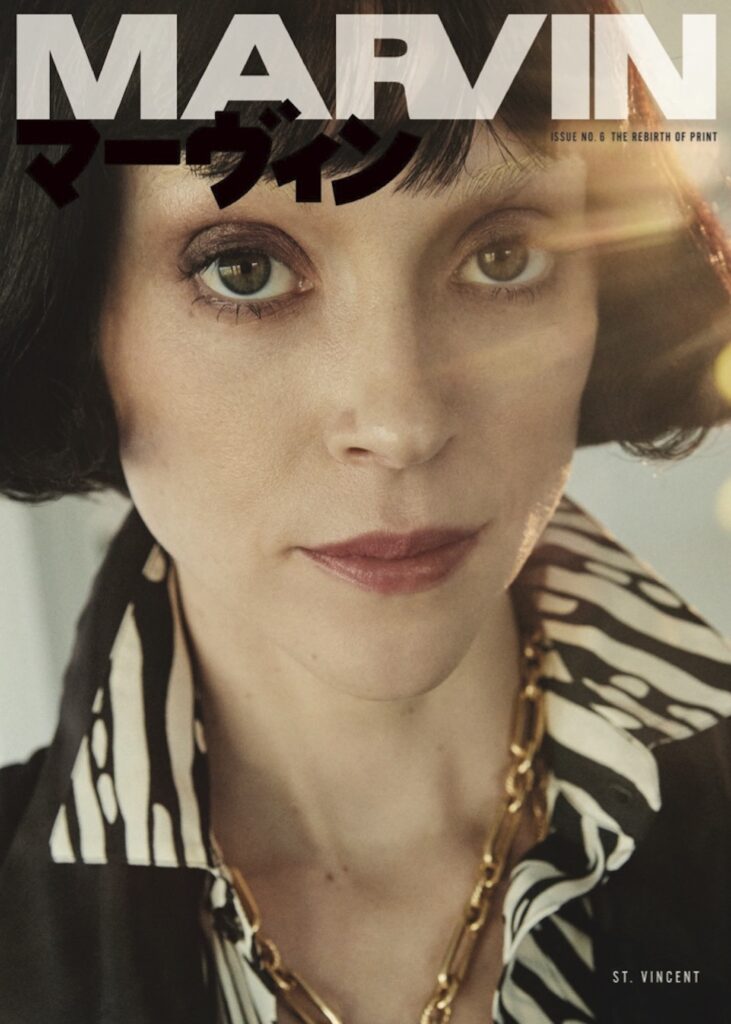
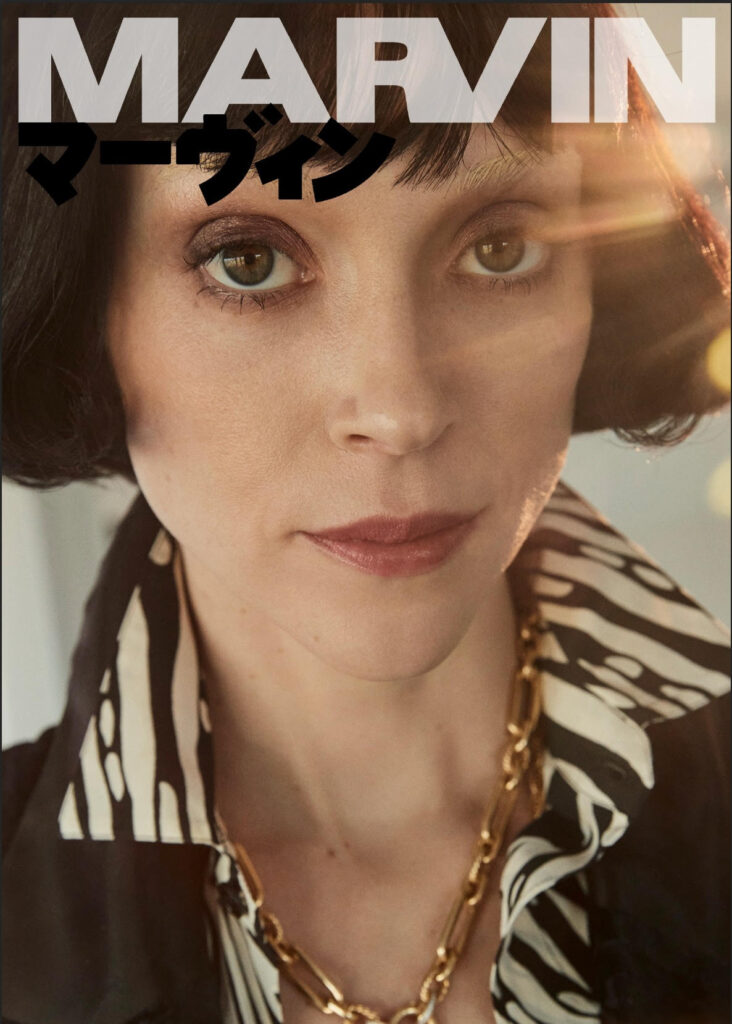
MARVIN x Benji B with IDK: In a landmark conversation, two artistic visionaries come together to discuss process, purpose, and the challenge of building artistic legacy in an age of algorithms.

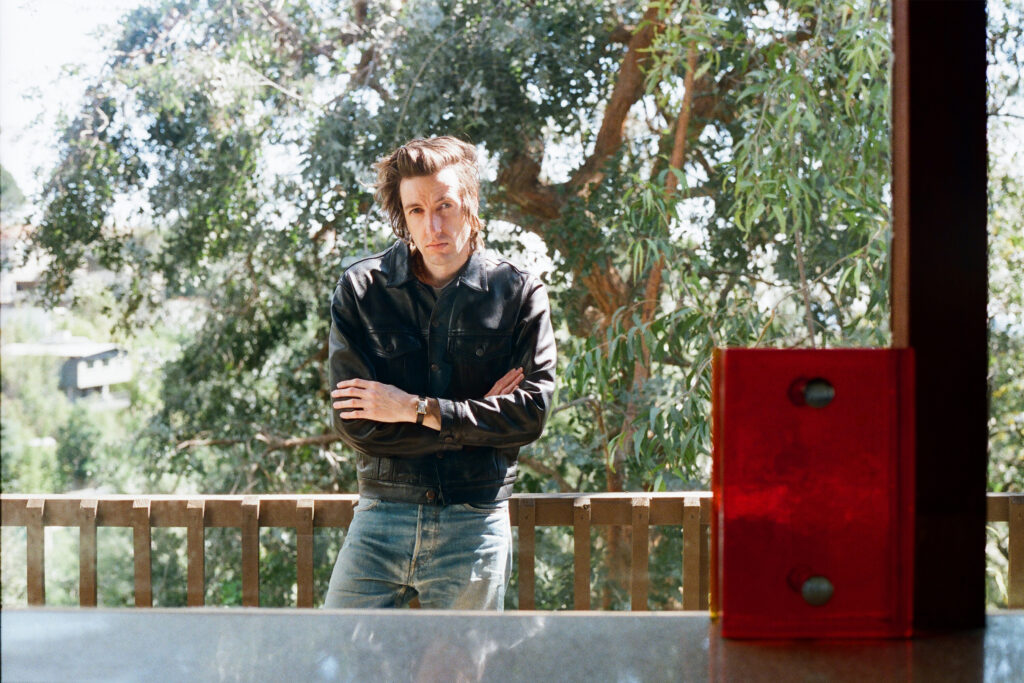
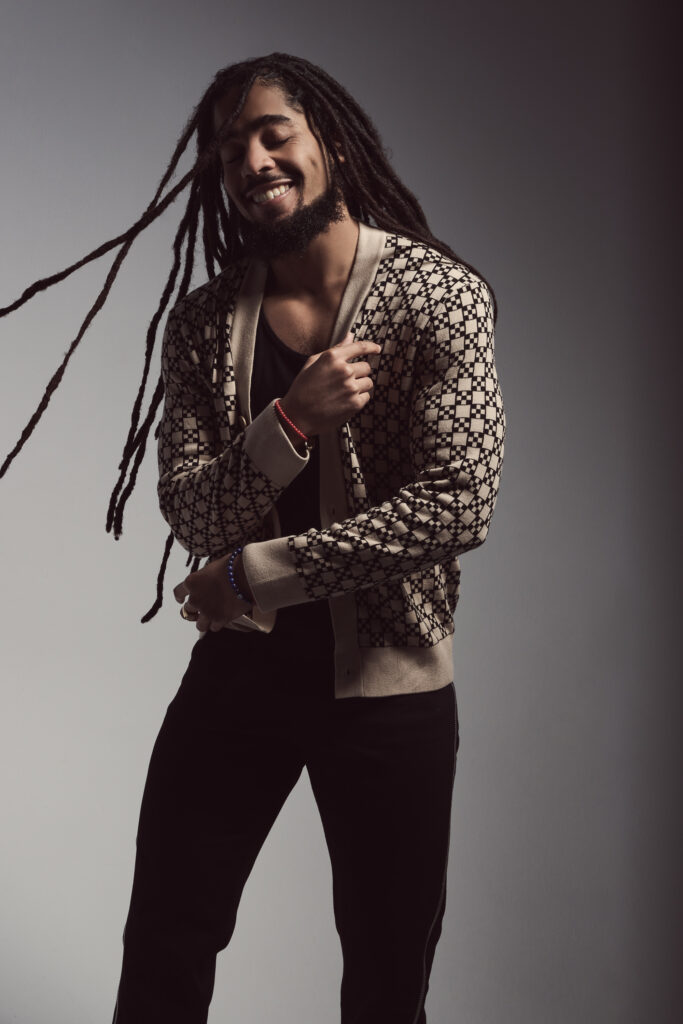
Photo by Todd Westphal
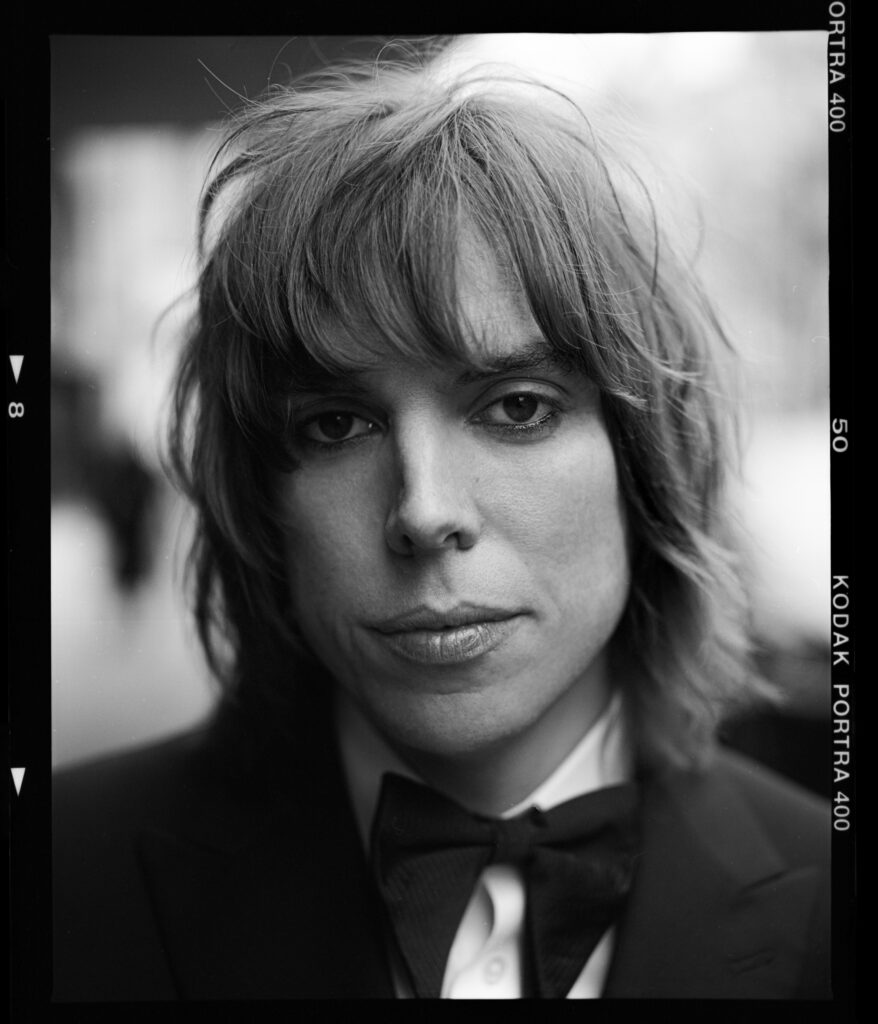
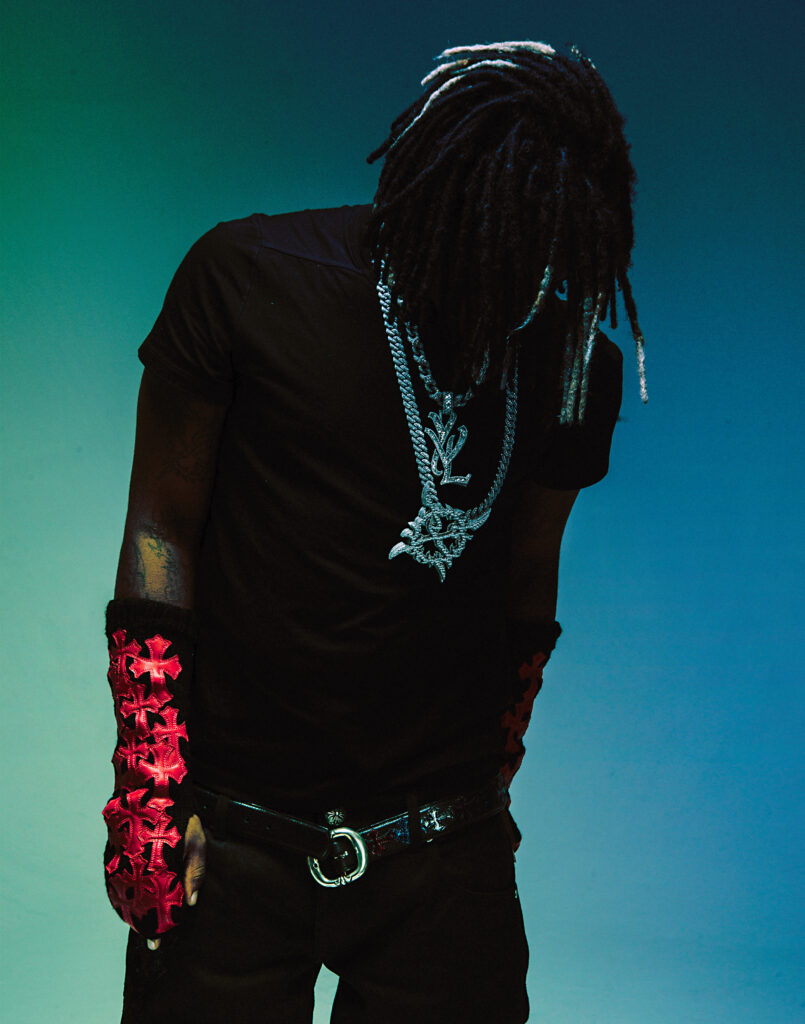
It’s five minutes to 5:00PM when I arrive at Los Angeles’ posh Old Hollywood hotel, Chateau Marmont. Benji B, the London-born BBC Radio 1 tastemaker, has just finished his photo shoot for this issue of Marvin and is chatting with the founder of this publication as well as IDK, the Maryland-born multi-hyphenate who is editing this issue.
IDK has checked off multiple boxes from his proverbial bucket list since being released from prison for the final time in 2012: cultural figure, fashion impresario, producer, educator, MC. Musically, he’s released stellar projects SubTrap, Is He Real?, and USeeForYourself, among others, all of which challenge conventions of genre, industry, and identity. He also launched a music business program at Harvard University, aimed at empowering and educating emerging Black creatives.
At Chateau Marmont, the waiter ushers us to a circular table in the back of the veranda, where we sit for a discussion over still water and french fries. IDK and Benji B are two artists from two different continents, yet wired by the same frequencies: music as philosophy, curation as culture, authenticity at all costs.
Justin Hunte: As I understand it, the first debate the two of you had was about whether A Tribe Called Quest’s Low End Theory or Midnight Marauders was more of a masterpiece?
Benji B: It was. I’d still say Low End Theory. Not because it’s objectively better, but because it belongs to a particular emotional era of my life. Music attaches itself to memory. It’s less about analysis and more about what you were becoming when you first heard it.
IDK: Exactly. Midnight might be more refined, but Low End has the edge because it feels like discovery. It’s also wild to think how close those albums were chronologically. Low End released in ’91, Midnight in ’93, then [Nas’s] Illmatic in ’94. The same day Midnight Marauders dropped, so did Enter the Wu-Tang. Were you aware of how seismic that moment was in London?
Benji B: Absolutely. Even from the UK, it felt monumental. We were absorbing New York hip-hop while, at the same time, jungle was forming at home. Jungle became drum & bass and rave culture. Those worlds coexisted. I’d be listening to Nas or Wu-Tang on my way to a jungle night, and the two frequencies intertwined. People often call the ’90s the golden era out of nostalgia, but I honestly believe Goldie was right when he said, “The ’90s were more important than the ’60s.” It was the sound of everything colliding.
IDK: Nostalgia isn’t just sentimental, it’s emotional connection. It determines how people engage with sound and how artists build experiences worth remembering.
Read the full feature in MARVIN Issue 18. Click HERE to purchase.