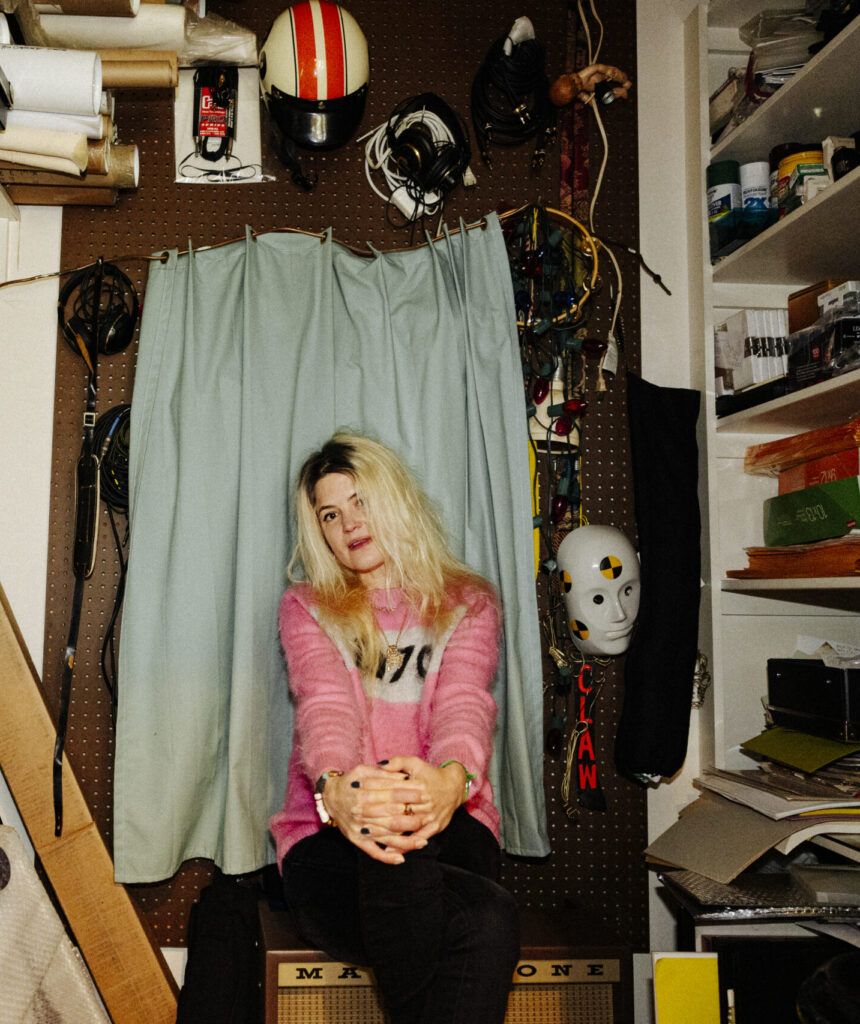
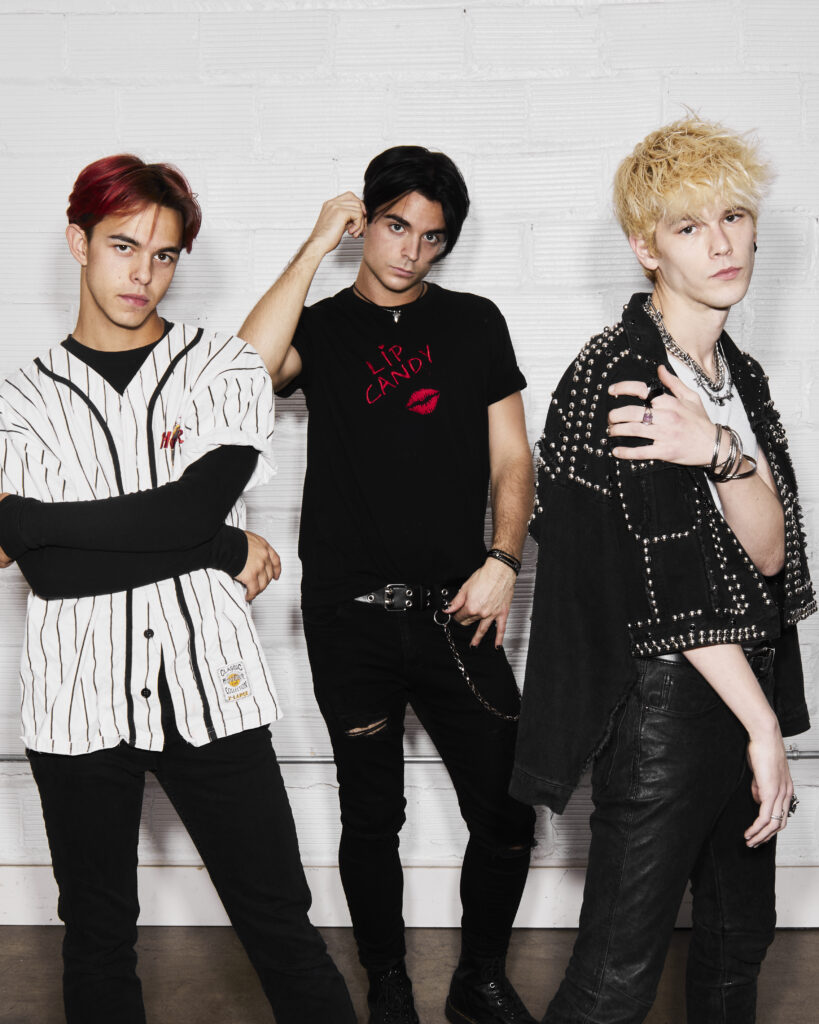
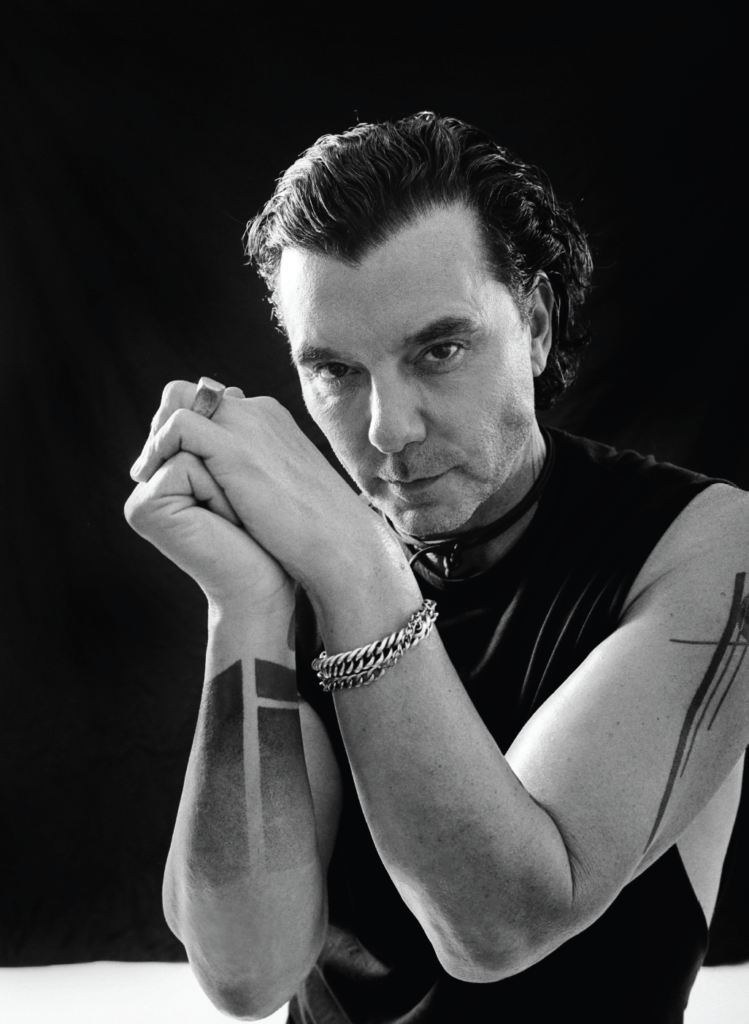
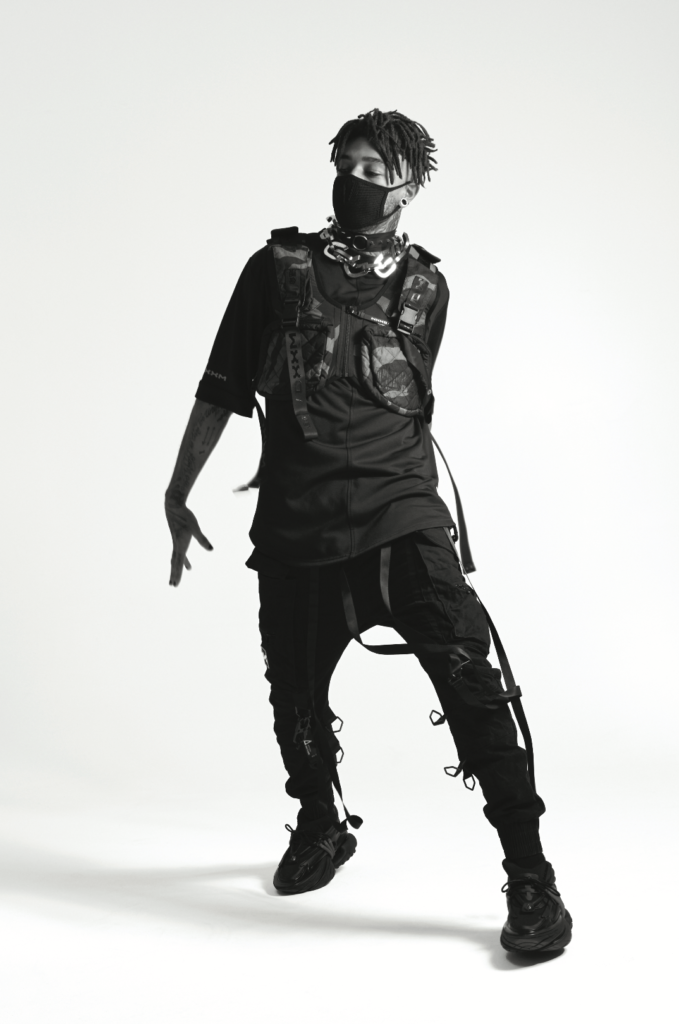
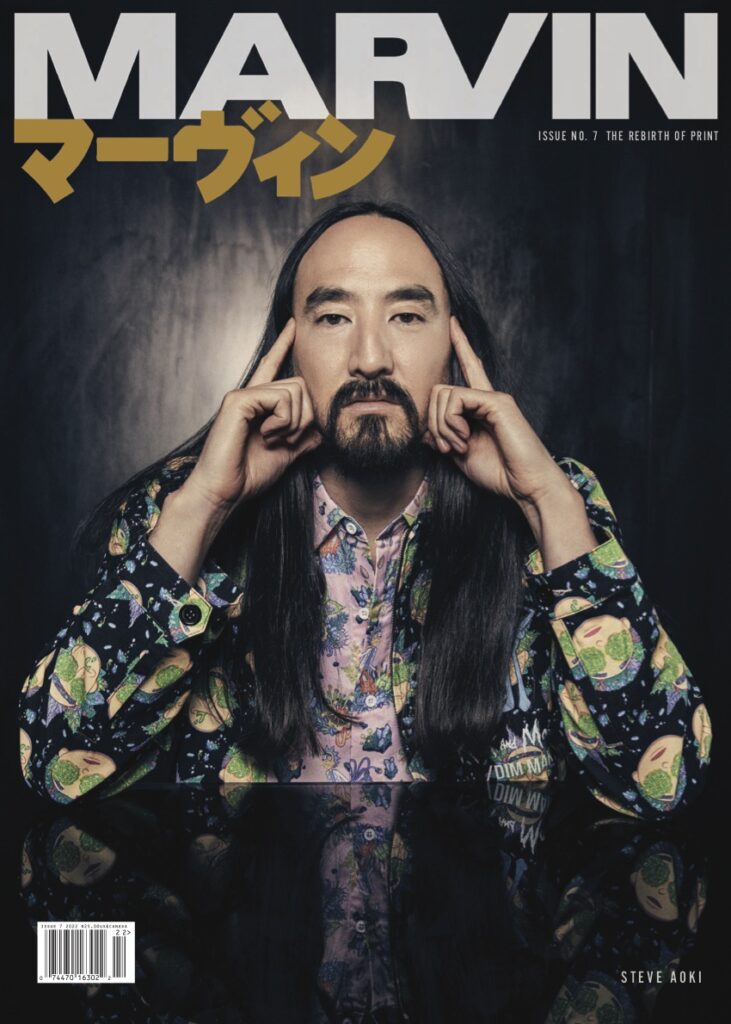
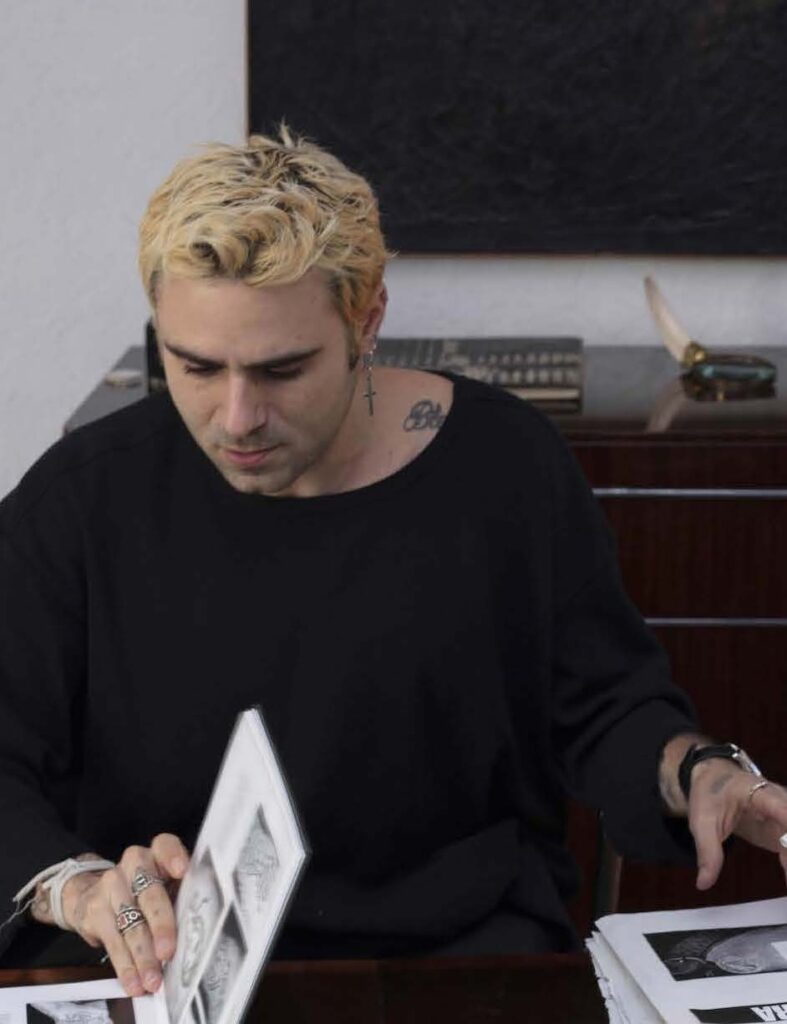
MARVIN x Country’s New Groove: The Nashville sound is evolving and embracing hip-hop, with artists like Shaboozey, Post Malone, Jelly Roll, and Bailey Zimmerman leading the charge.
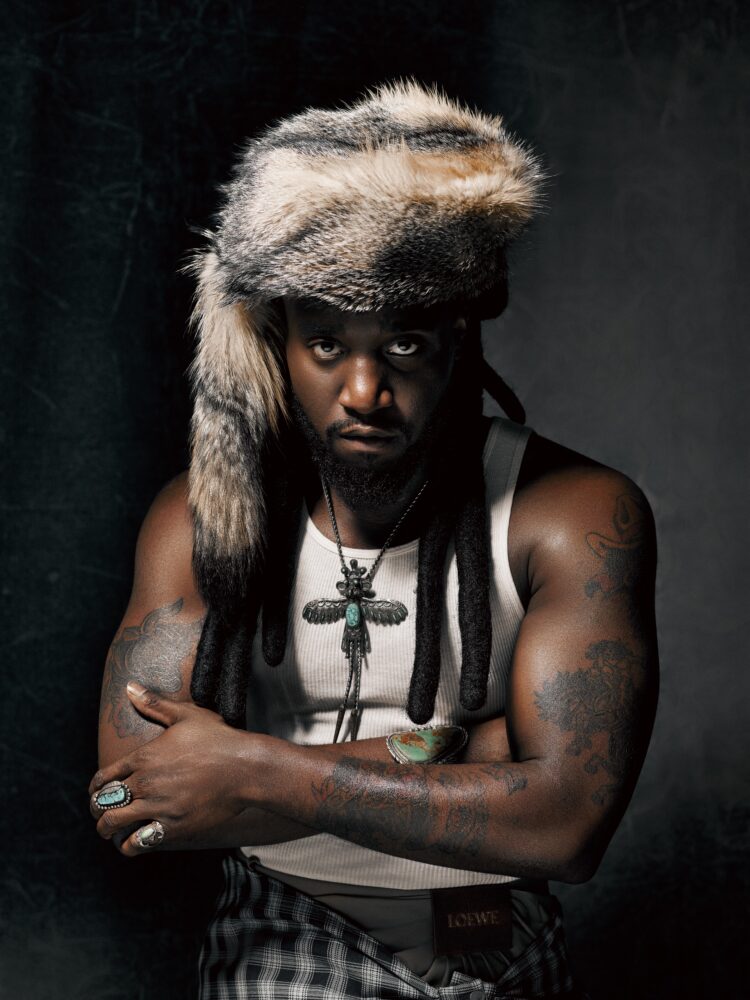
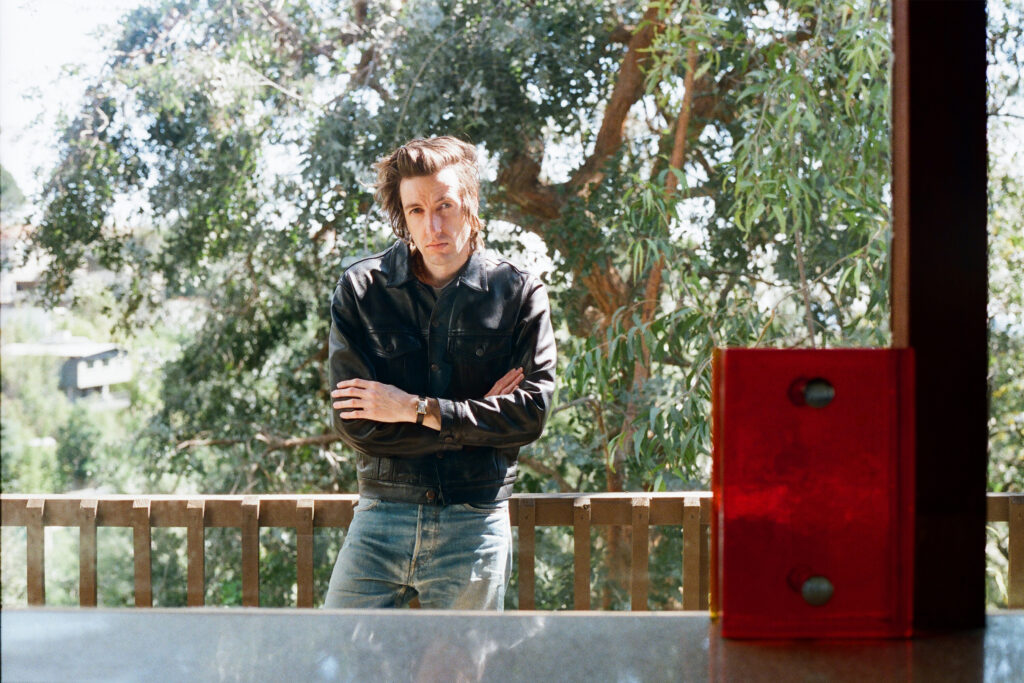
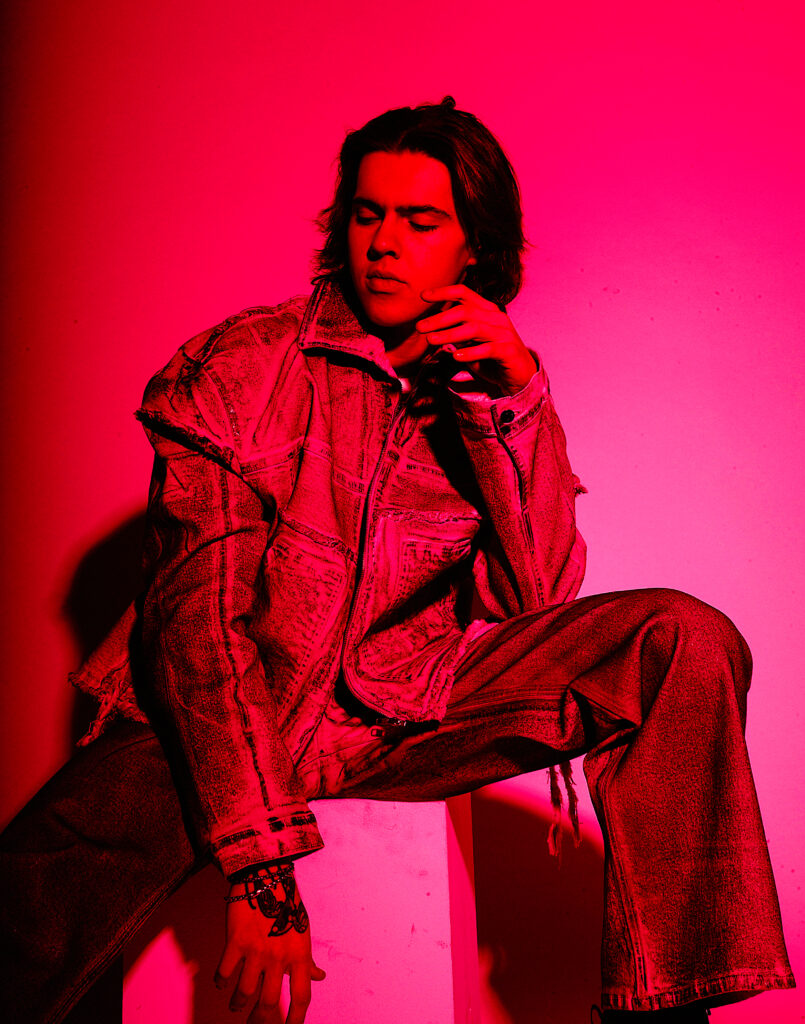
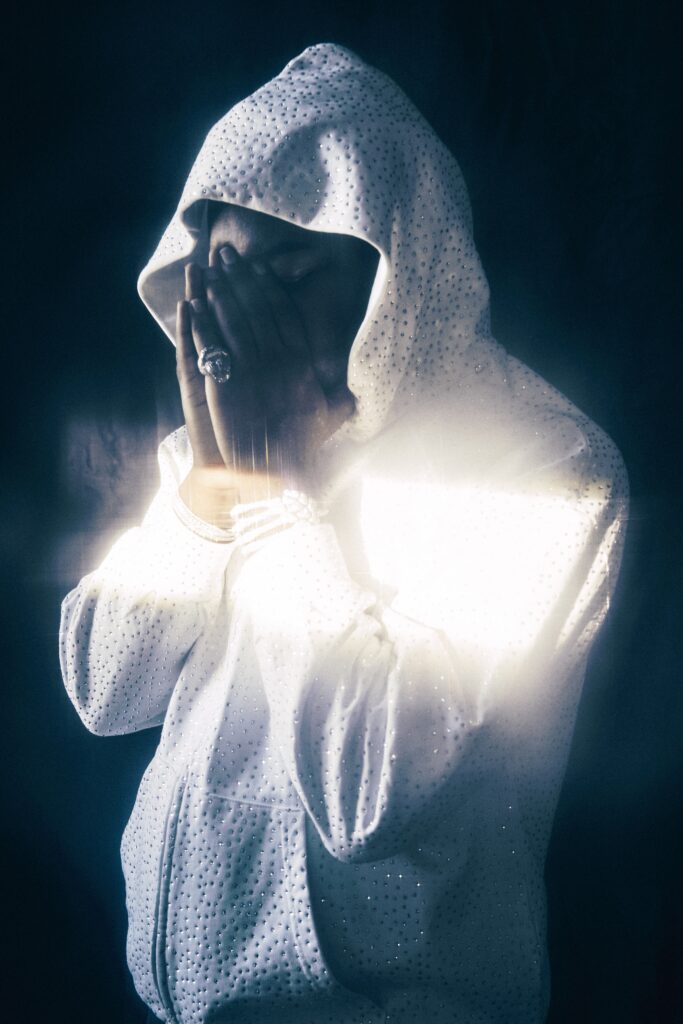
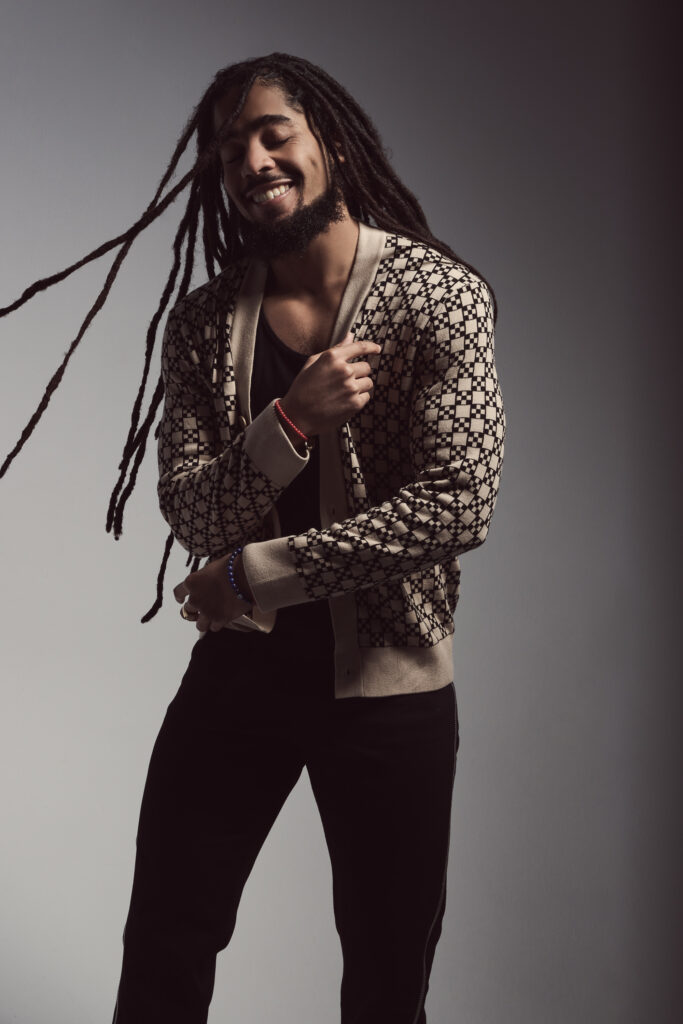
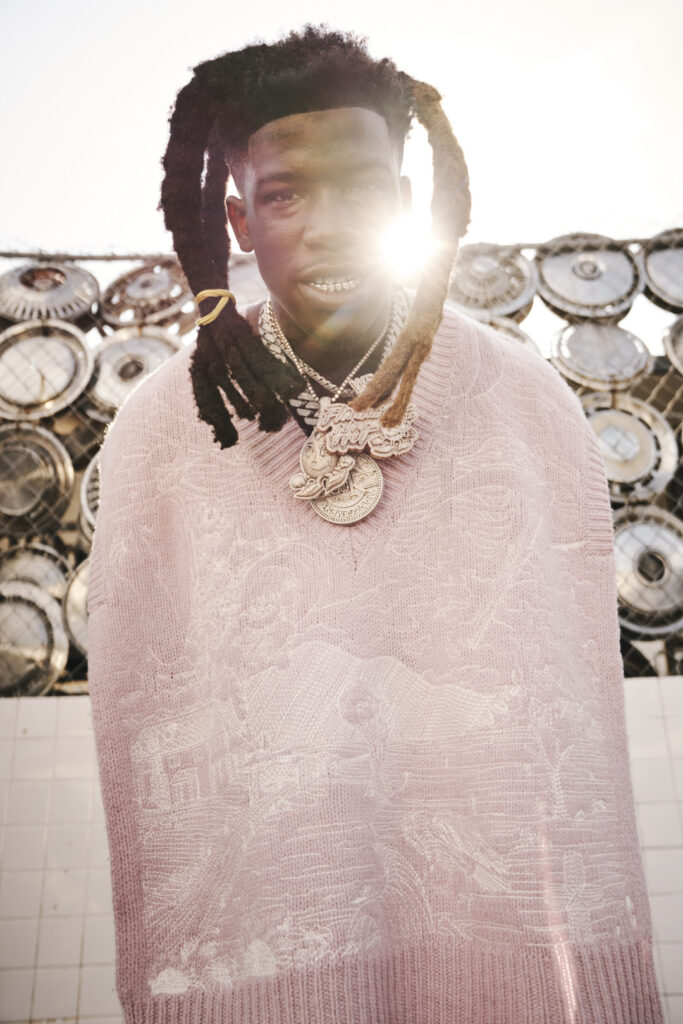
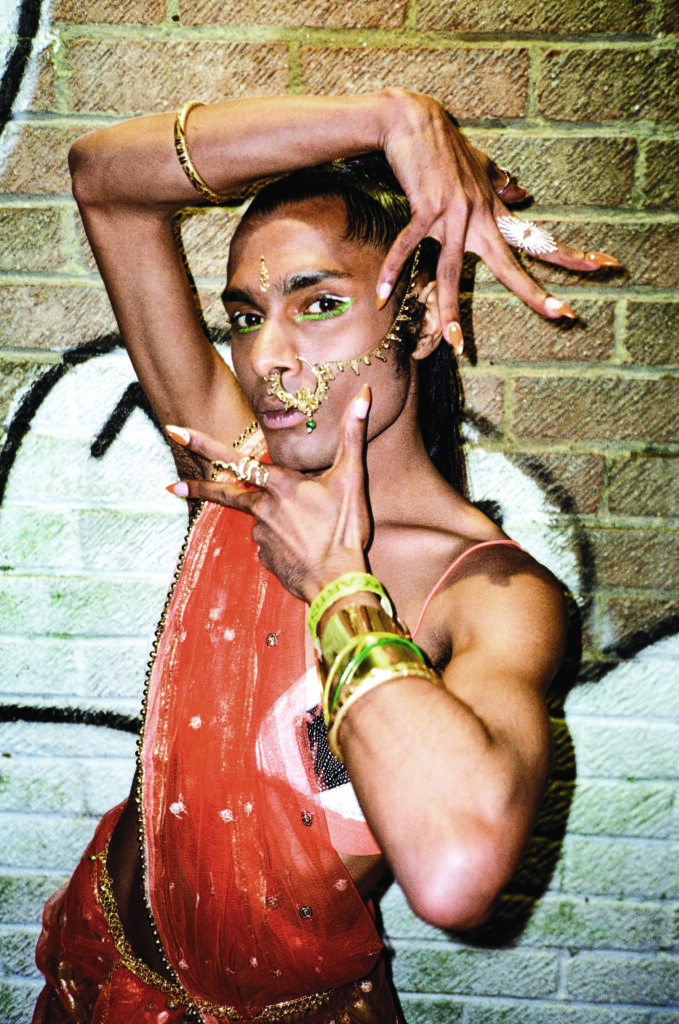
Shaboozey photographed by Daniel Prakopcyk
In February 1999, Lauryn Hill graced the cover of Time magazine in what is now considered a watershed moment in hip-hop history. The article was titled “Hip-Hop Nation” and boasted a polarizing subheader that read, “After two decades, it has transformed the culture of America.”
Lauryn Hill was the perfect face for the issue. The year prior, the former Fugee’s magnum opus The Miseducation of Lauryn Hill became a worldwide phenomenon, blending rhythm and rhyme while tackling love, personal loss, and family values with a sultry punch striking like a sermon and cipher simultaneously. The project sold eight million units and took home five Grammy Awards, including Album of the Year, making her the first rapper to ever win the Recording Academy’s top honor. By every measure, Ms. Hill became iconic that season. In every sense, Miseducation was the absolute talisman to hip-hop’s then-barrier-breaking cultural and commercial impact on America.
The numbers were eyebrow-raising. As Time reported, in 1998, for the first time ever, rap outsold country music, America’s previous top-selling format — selling more than 81 million CDs, tapes, and albums in that year alone, 10 million more than country.
Hip-hop’s influence extended to Hollywood and on Madison Avenue, as well. Brands like Sprite, Tommy Hilfiger, Gap, Levi’s, and Mountain Dew, among others, leveraged the artists, style, and attitude in their campaigns, pushing their products directly to young people with disposable income. Will Smith, Ice Cube, Queen Latifah, and others, became blockbuster movie stars, drawing millions to the big screen. For the first time, hip-hop’s potential as a market-moving cultural force was fully realized.
As the then-head of popular urban TV station UPN, Tom Nunan was among those who recognized hip-hop as a generational game-changer. During a conversation with the Los Angeles Times, Nunan noted, “Ever since Lauryn Hill graced the cover of Time magazine, the world has just woken up to the fact that hip-hop music has replaced rock, pop, country, and virtually any other popular music form as being the defining music of, let’s say, Generation Y, the new kids coming up, buying records and creating trends and pop culture.”
The genre reached its peak in the early 1990s, when grunge’s raw, emotionally charged aesthetic soundtracked the lives of the disillusioned, supplanting hair metal’s pop-influenced hooks and gaudy makeup and outfits. But by the decade’s end, grunge’s relevance had waned, and a new wave of rap-rock hybrids found chart success, carrying rock into the new millennium. And they did so by tethering their stylings to hip-hop.

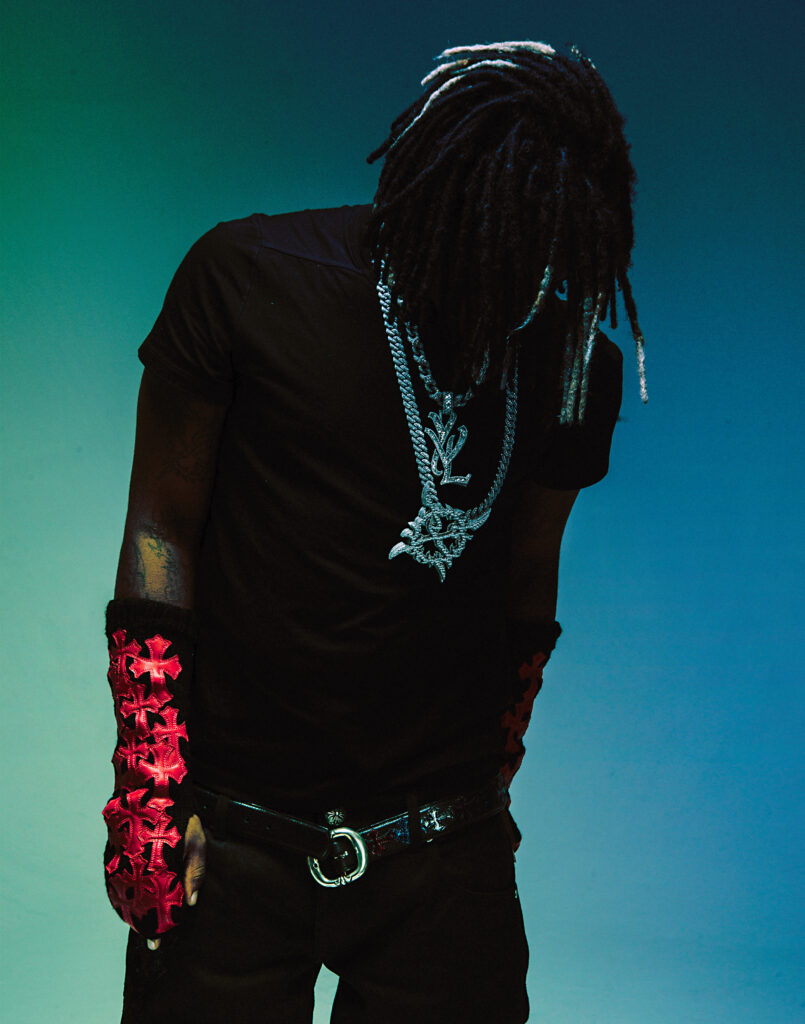
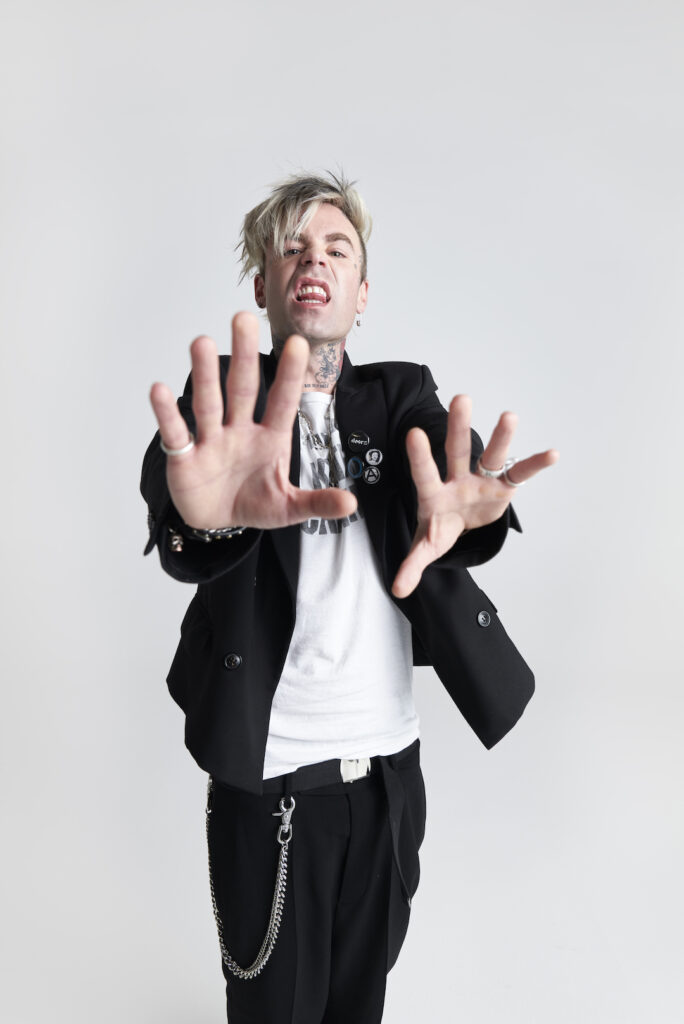
Jelly Roll courtesy of BMG/Republic Records
Limp Bizkit’s 1999 sophomore album, Significant Other, topped the Billboard 200 off the strength of frontman Fred Durst’s everyman rhymes, the breakout success of “Nookie,” and co-signs from hip-hop heavyweights including Method Man, who was featured on “N 2 Gether Now.” Papa Roach broke big in 2000 with their rap/rock mashup, “Last Resort.” Kid Rock started his career in hip-hop before blending the two genres on his breakout 1998 release, Devil Without a Cause. Linkin Park arguably embraced the fusion trend most directly with their 2000 album, Hybrid Theory — a massive success that blended sincere rap verses with melodic rock hooks and went on to sell 25 million records globally. For their 2004 follow up, Collision Course, they arguably put a bookend on the rap-rock craze by enlisting Jay-Z for the collaborative project.
In retrospect, the movement from rock to rap as the genre of a generation feels like a baton passing. As if Rock mavens could see the incoming tidal wave and ankle-strapped themselves to hip-hop. Perhaps that’s a cynical depiction, but that’s what happens in the music business.
DJ Mormille, Head of Urban A&R at Interscope Records from 2003 to 2009, vividly remembers that time period. Mormille was in leadership during a growth explosion in the rap genre and was pivotal in assembling massive producer-driven hits by Timbaland, Polow Da Don, Gwen Stefani, Justin Timberlake, Fergie, Rich Boy, and Ludacris, among others.
“When they would bring up the Rock artists in the A&R meeting that we still had, I would just boo,” he tells me. “It just felt like nobody cared [about rock music]. I mean, it might have been disrespectful, but it felt like artists were chasing a dying genre.”
That was then.
Today, Country music has claimed center stage, rising to it-genre-of-moment status.
Read the full feature in MARVIN Issue 18. Click HERE to purchase.