MARVIN Exclusive: Yves on NAIL, Turning Thirty, and the Art of Letting the Body Lead
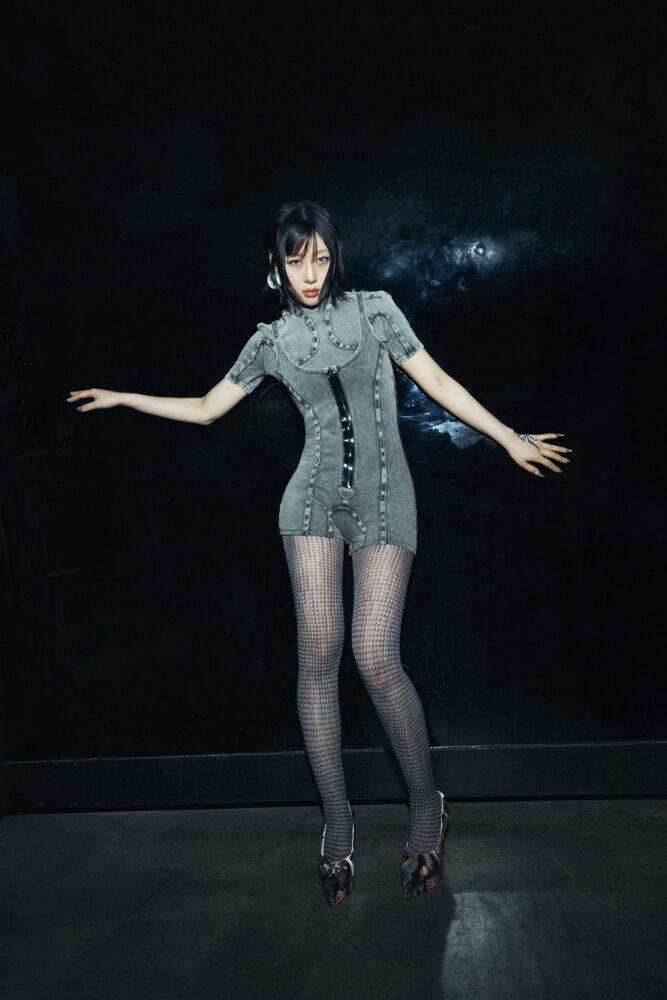
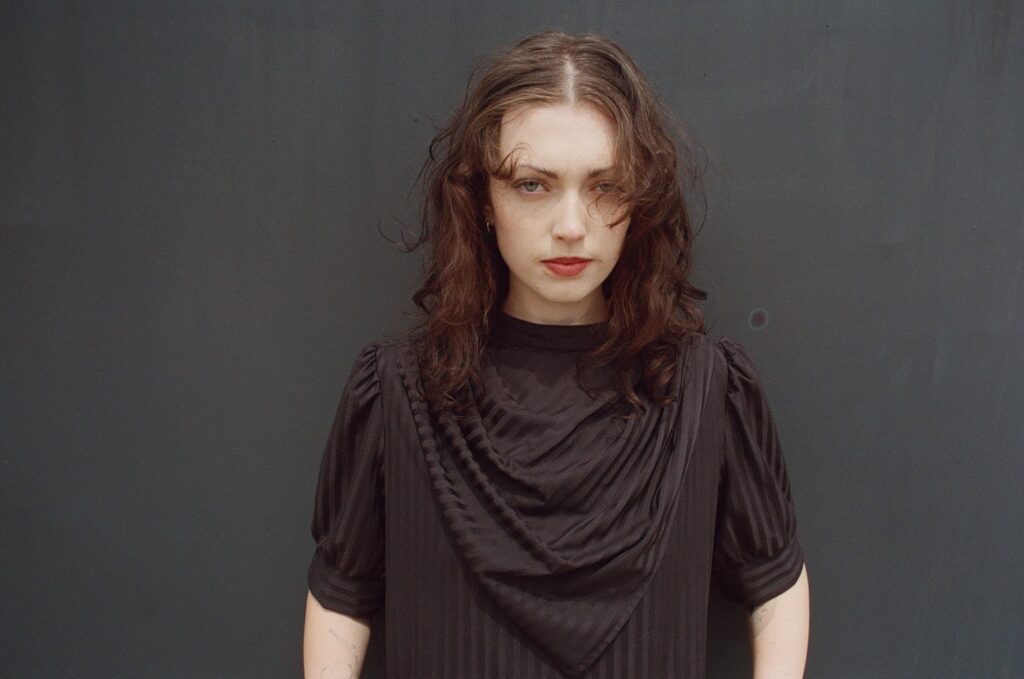
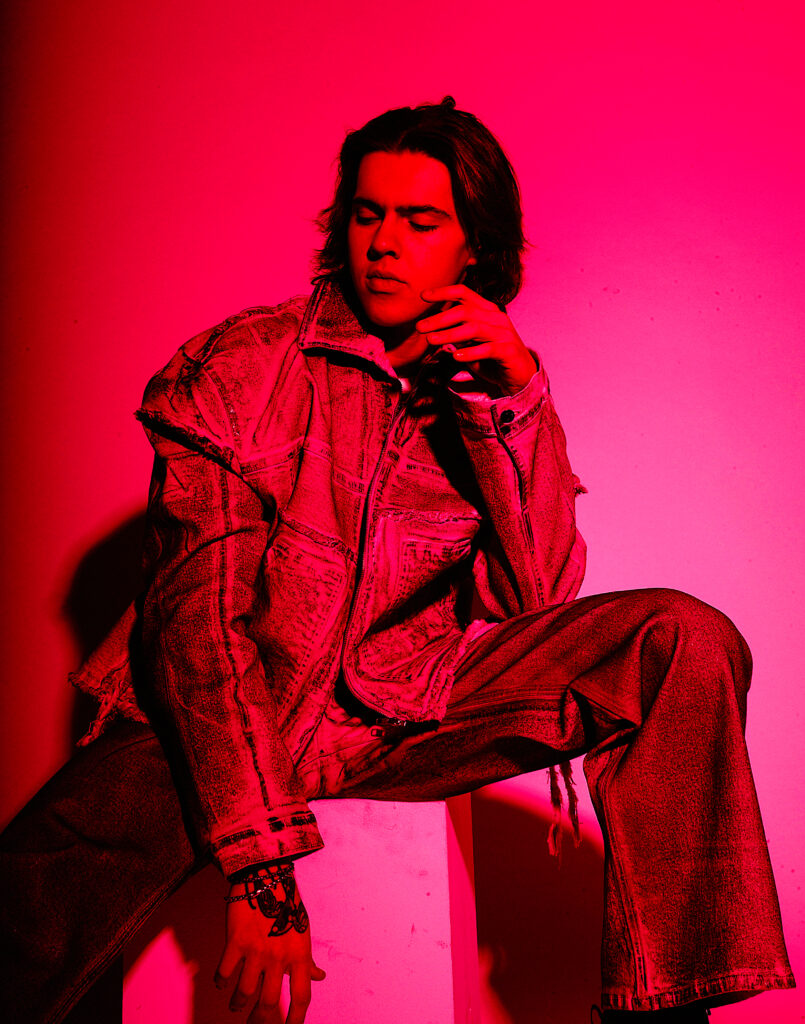
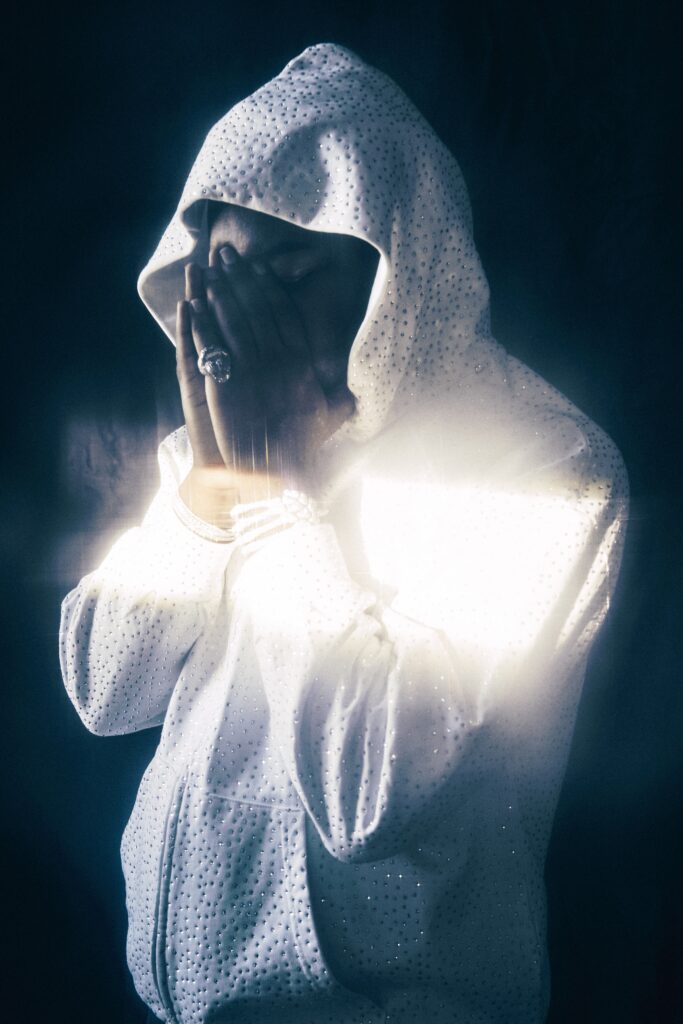
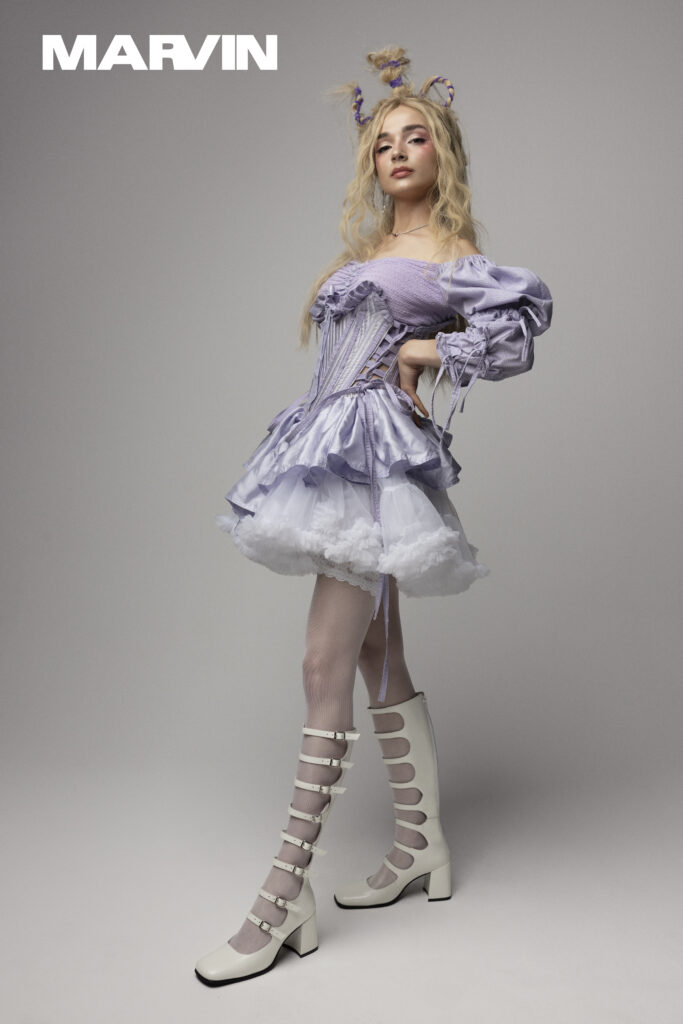
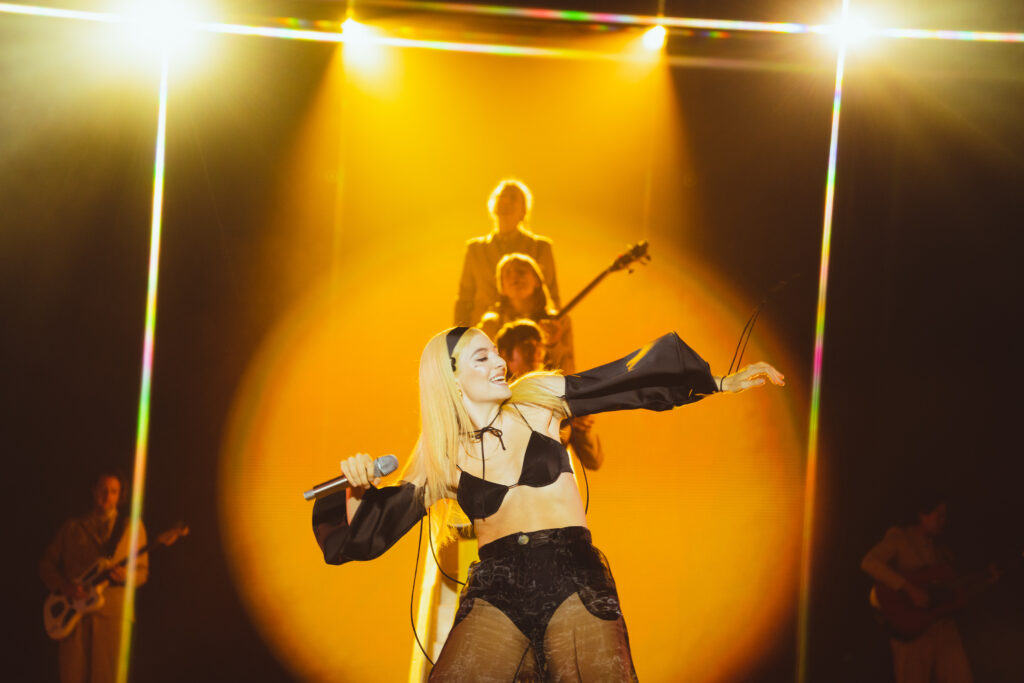
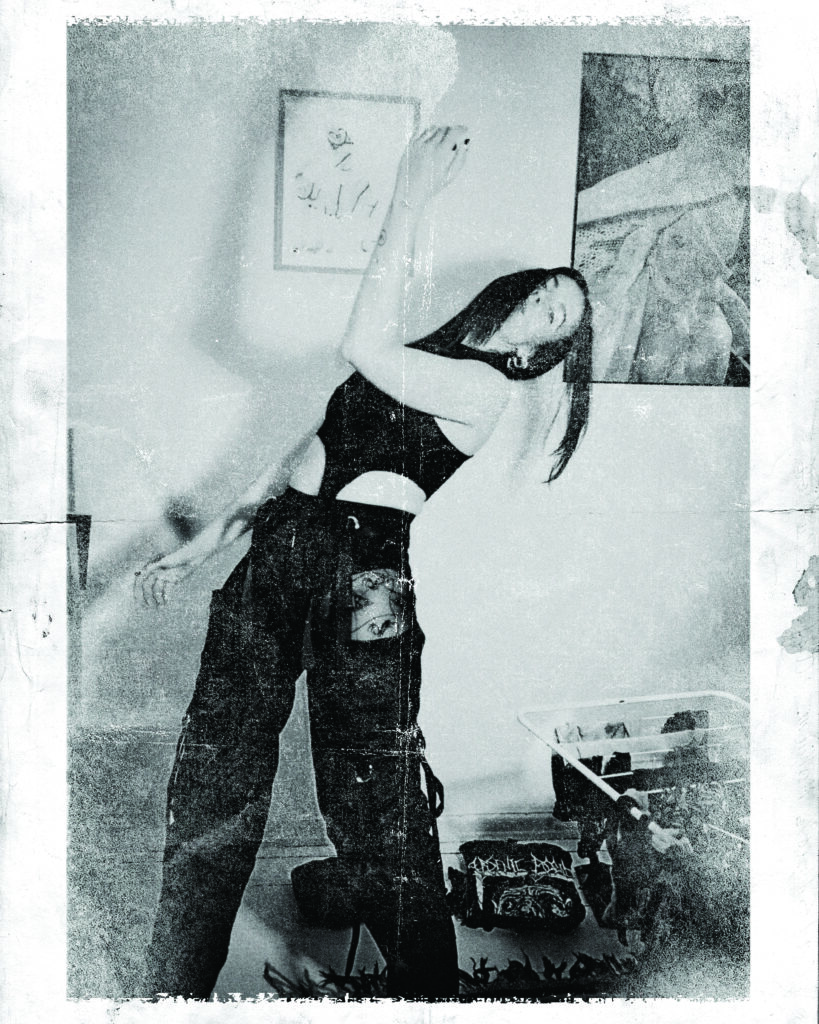
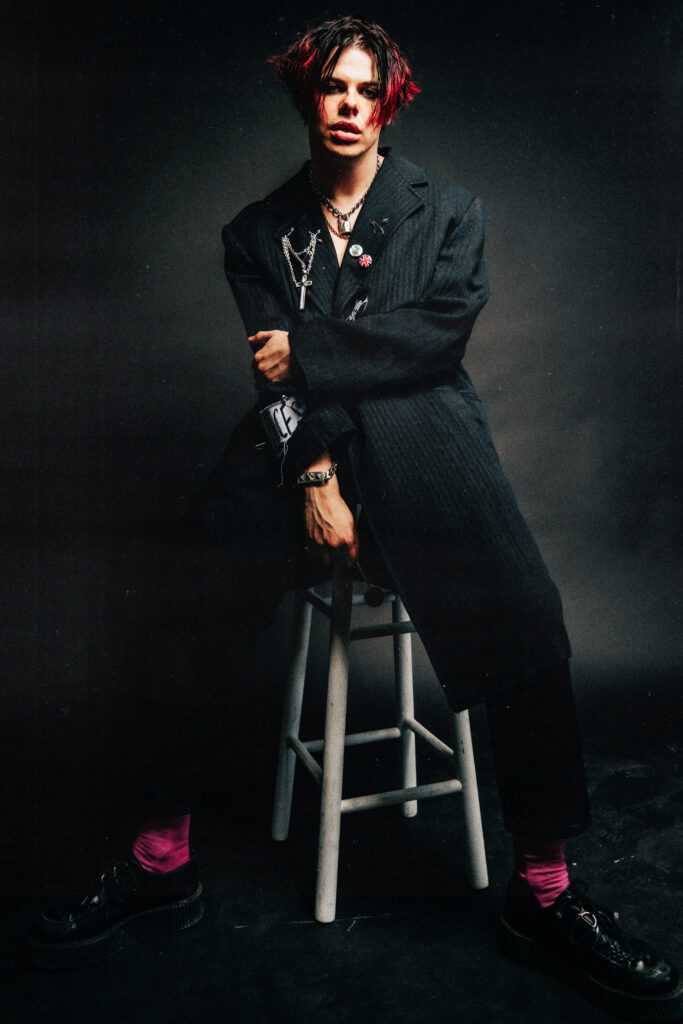
Photo by PAIX PER MIL
There are artists who evolve, and then there are artists who shed. Yves — the South Korean singer and former LOONA member who has spent years crafting some of K-pop’s most sonically adventurous output — is firmly in the second category. With NAIL, her new EP, she isn’t pivoting or rebranding. She’s peeling back, going deeper, getting closer to something harder to name. The project moves through haze and low-end tension, through imagined afterlives and the electric blur of a dancefloor, through collaborations with Lolo Zouaï and Lexie Liu that don’t just feature, they expand. Turning thirty became the inciting incident. Instinct became the method. And somewhere between the perfectionism she can’t quite shake and the chaos she keeps reaching for, NAIL found its shape.
MARVIN: NAIL shifts focus from the inner self to the physical. What drew you to tell this story through the body instead of the mind?
YVES: With “NAIL,” I didn’t want to present the narrative in a heavy or overly literal way. It’s more about letting go of tomorrow and staying in the present — just experiencing the music without overthinking it. When you hear a rhythm that makes your body move, it happens before you even have time to process it. The body reacts first, and I think that kind of response can be more honest and immediate than anything happening in the mind. That’s what I wanted this EP to tap into.
MARVIN: This EP moves like a pulse, not a playlist. Were you chasing a feeling or letting it chase you?
YVES: We had conversations about the structure, but most of the process was very instinct-driven. With IOAH and the creative team, I would just say things like, “I want to deliver this part almost like I’m throwing it out,” or “It would be interesting if these two tracks felt like one continuous moment. We didn’t try to control those ideas too much — we just followed them. So I think it’s more accurate to say the feeling was leading us, and we were just responding to it.
MARVIN: You refuse to sit in one genre. Does labeling the sound flatten the experience for you?
YVES: I don’t really like settling into one thing — maybe it’s just part of my personality. That definitely carries into how I approach music. Rather than trying to find the “right” sound, I’m more interested in what feels good when you hear it. I tend to move toward textures that aren’t easily defined, so putting labels on everything can feel a bit limiting. It makes the experience smaller than it actually is.
MARVIN: You open with “it,” all haze and low-end tension. Why start in that liminal space instead of clarity?
YVES: “it” is based on imagining a state after death — not something you can know for sure, but something you try to picture. It’s not clear or stable, so I wanted it to feel a little blurred and disorienting. There’s also a sense of looking back on life — feeling exhausted, but not entirely negative about it. That’s why I approached the vocals in a more emotional and hazy way than usual.
MARVIN: “HALO” and “birth” feel less like songs and more like states. Are you building environments instead of tracks now?
YVES: This time, I didn’t really feel like I was “writing songs.” It felt more like stepping into different situations or environments and responding to them. Almost like reading different scripts as an actor — each track represents a different state within one life. I wanted those moments to feel immersive, so listeners can experience them rather than just understand them.

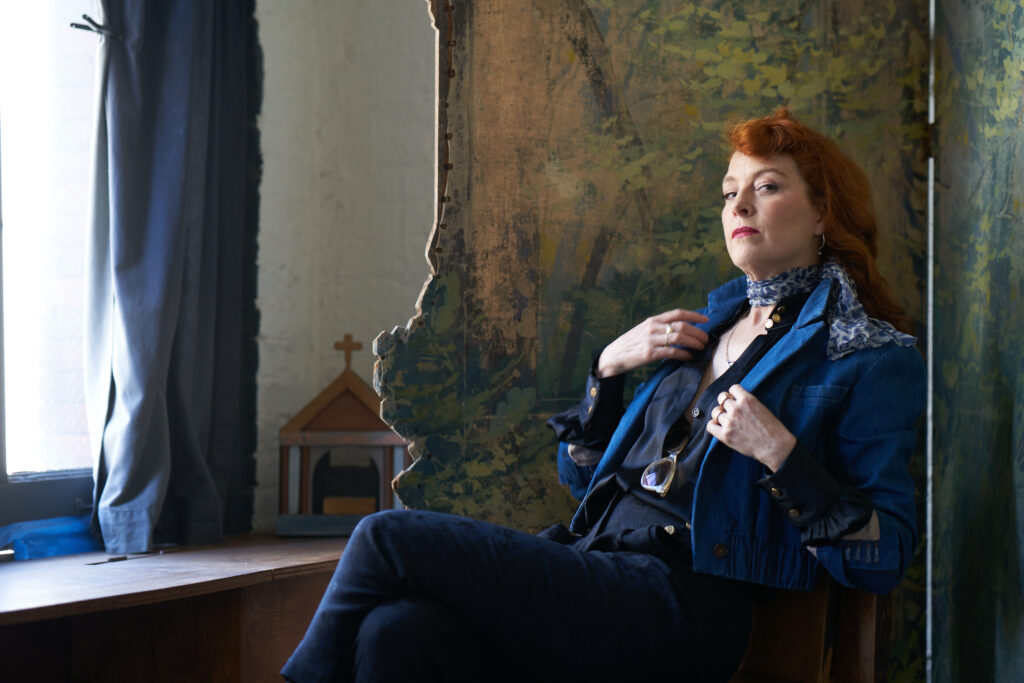
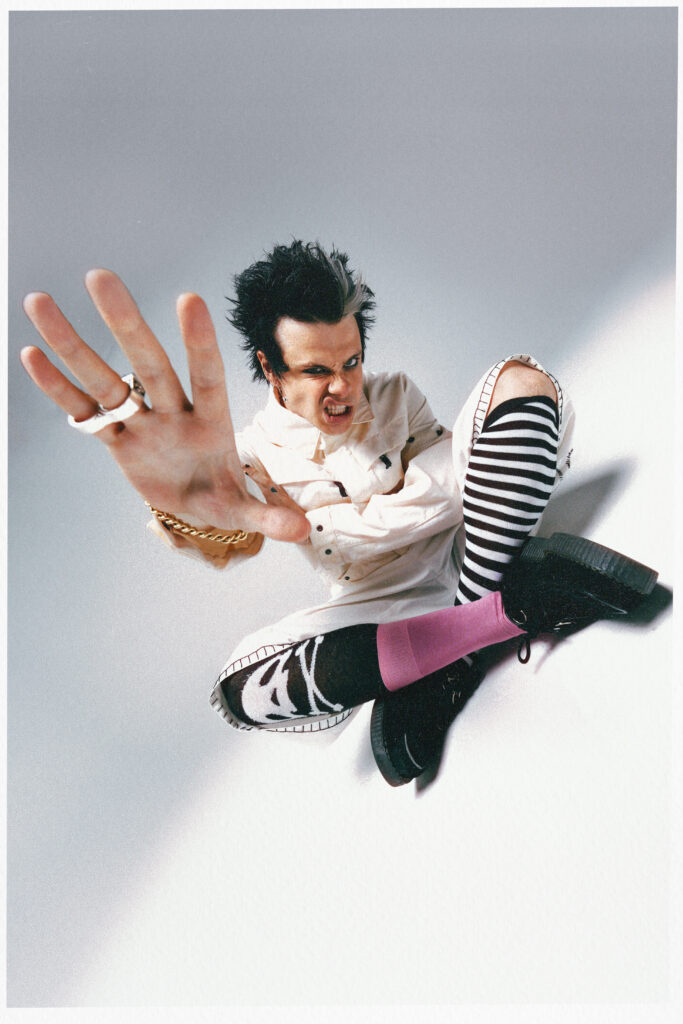
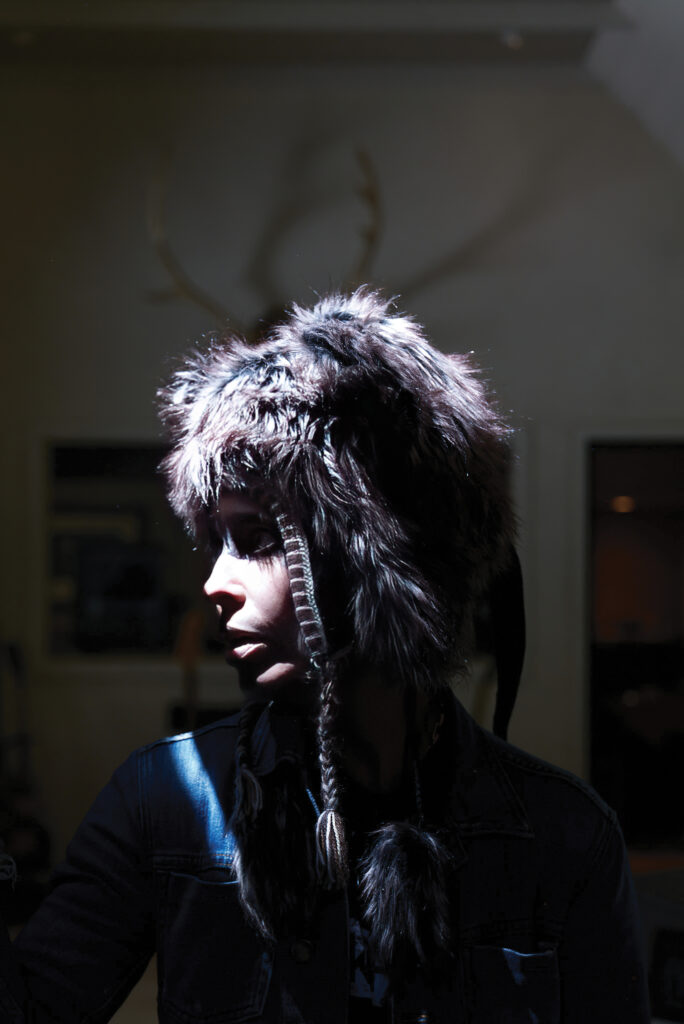
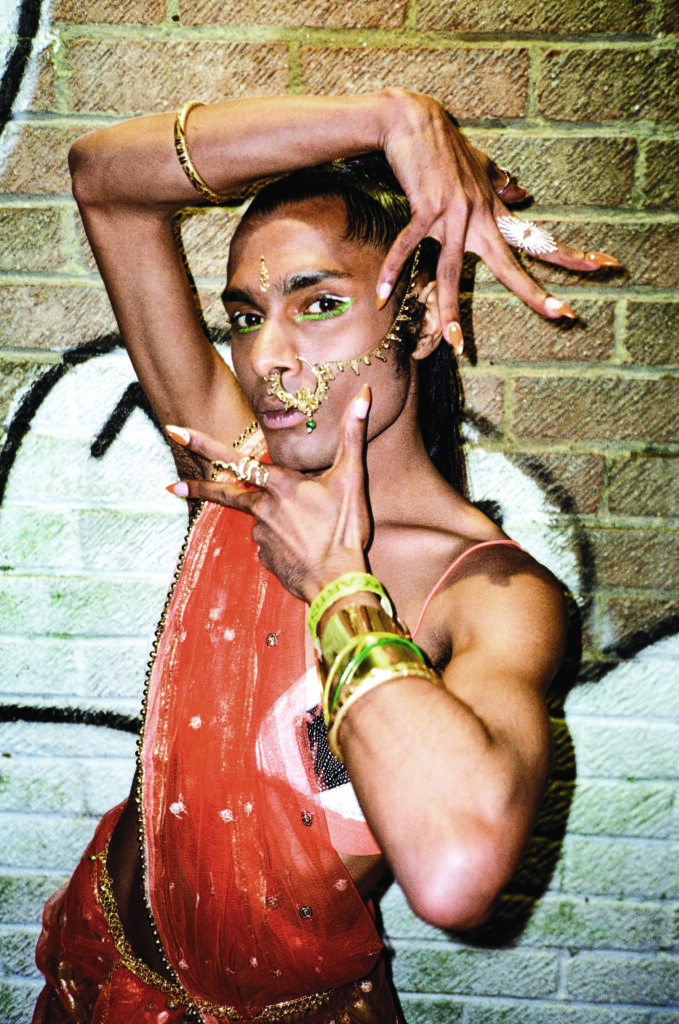
Photo by PAIX PER MIL
MARVIN: Bringing in Lolo Zouaï and Lexie Liu shifts the energy. What did they unlock in the record?
YVES: If I could show 100 on my own, collaborating allowed that to expand to 200. It’s not just about sharing a part of the song — it’s about expanding the emotional and sensory range of it. Working with them pushed the project into places I wouldn’t have reached alone, and it also made me realize how much broader my own spectrum could be. It made the whole process feel more alive and open.
MARVIN: There’s a thread of composed chaos running through NAIL. How much control are you willing to lose to get there?
YVES: There’s definitely a contradiction there. The music talks about letting go and being present, but I don’t think I’m very good at that in real life. We filmed the album teaser in a club, and I even said I’d try drinking to really immerse myself — I had tequila, but I still couldn’t fully let go. It made me realize how hard it is for me to lose control, maybe because I have a strong perfectionist side. So even when I try to step into chaos, there’s always some level of control I’m holding onto.
MARVIN: This project feels like a mutation, not a pivot. What part of you had to break to make NAIL?
YVES: Turning thirty felt like a natural turning point — both in my life and in my career as Yves. I wanted this project to reflect that shift. I worked on a lot of different styles during sessions with IOAH, wrote more lyrics than I usually do, and tried things I hadn’t done before — like rap, or exploring different vocal tones. It’s not easy to break away from the image people already have of you, but I made a conscious effort not to define myself too narrowly. That also carried into performance — I wanted to take more risks and express things more directly.
What Yves has made with NAIL is something rarer than a reinvention; it’s an honest document of a person in motion, still holding on just enough to stay herself while letting everything else shift. The contradictions she describes are the whole point: the perfectionist who wants to lose control, the artist who preaches presence and admits she struggles to live there. But maybe that’s exactly what makes NAIL land the way it does. It doesn’t resolve. It pulses. And in that unresolved space — somewhere between the haze of “it” and the wide-open energy of what’s still to come — Yves at thirty sounds like the most fully realized version of herself yet.