MARVIN Music News: sombr Goes Full Chaos, Charlie Puth Calls Kenny G, ZAYN Gets Fatalistic, and J. Cole Delivers The Fall-Off
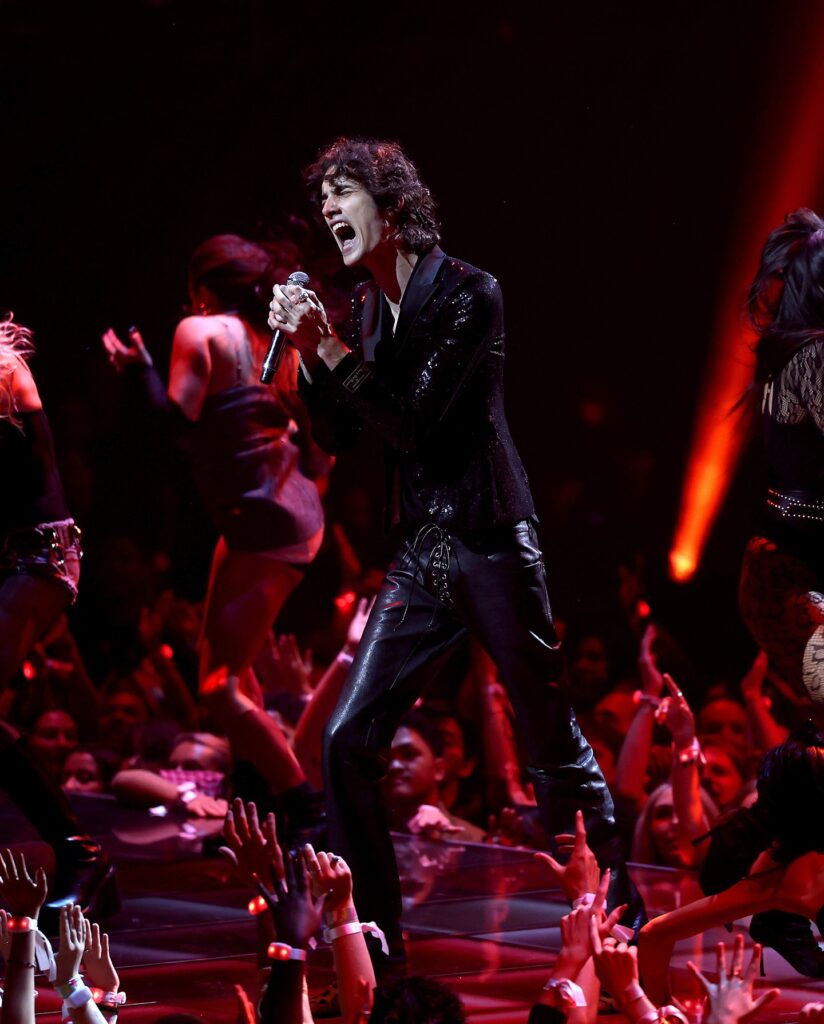
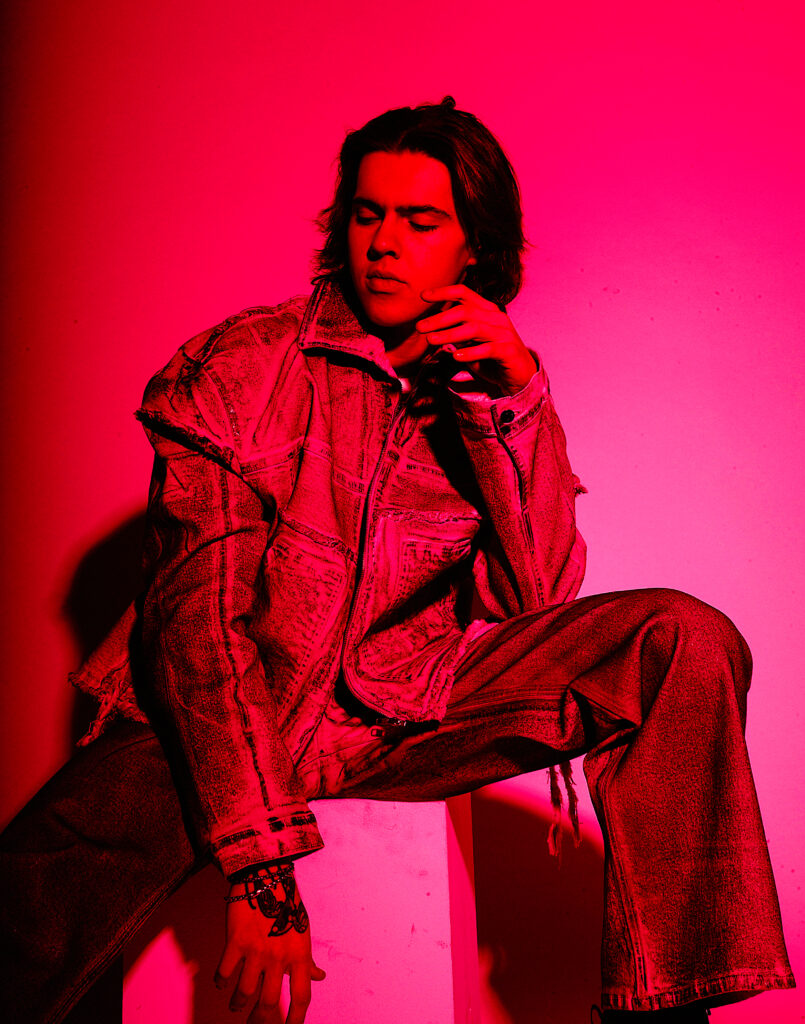
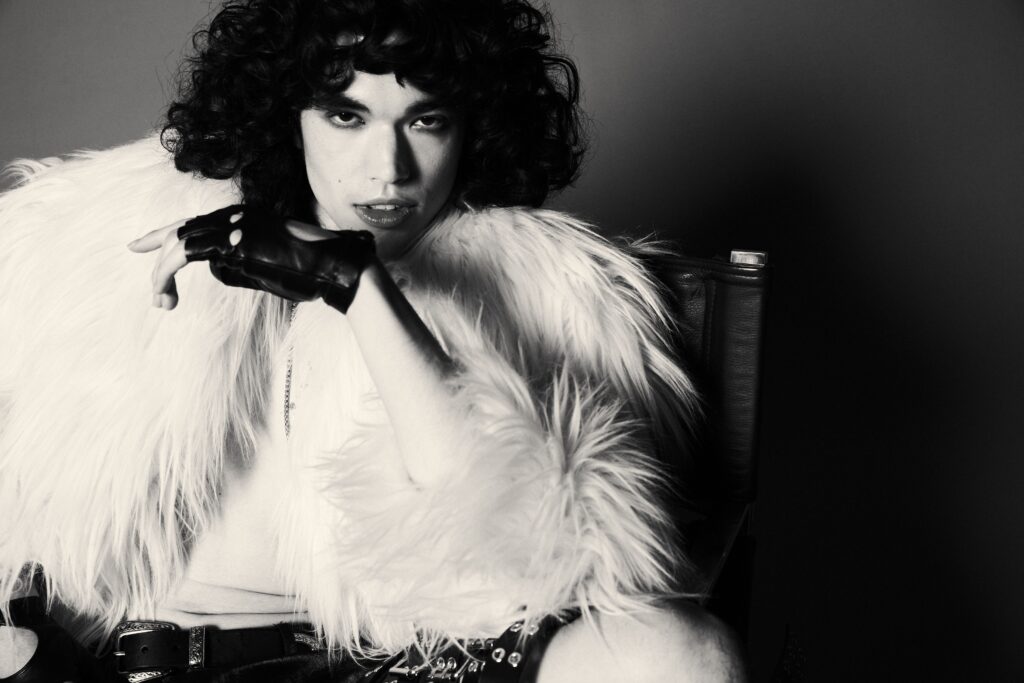
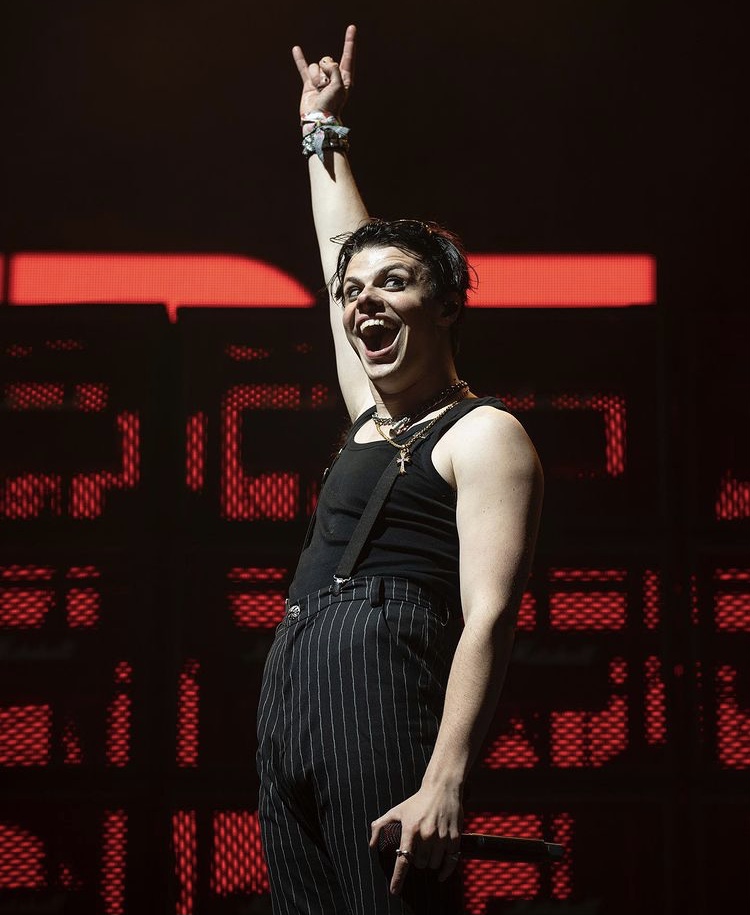
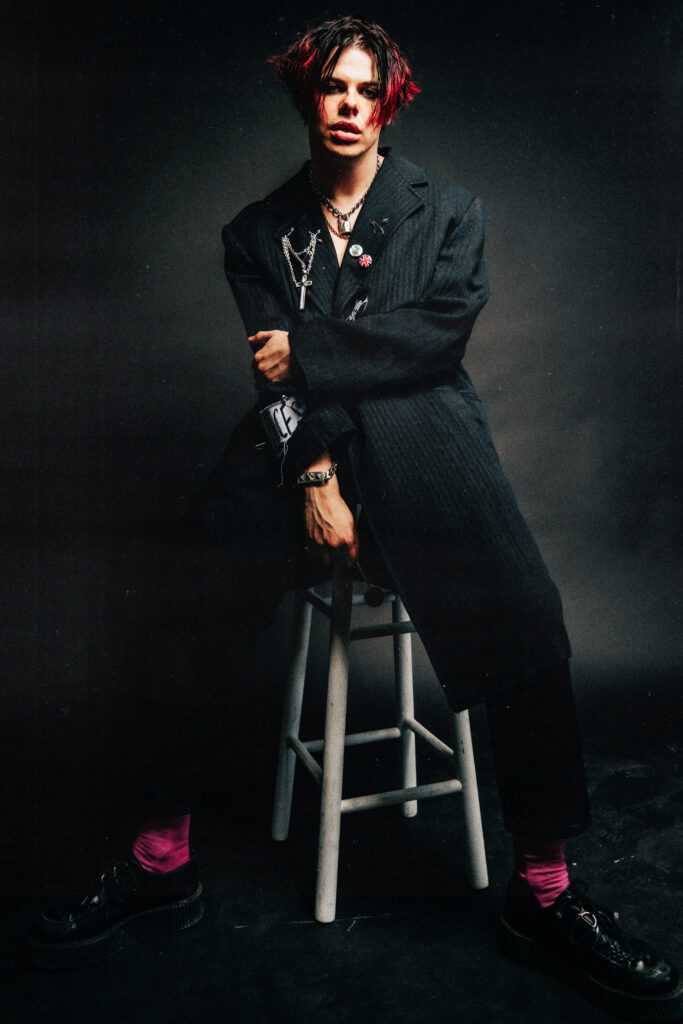
sombr Crashes the Party With “homewrecker,” Starring Quenlin Blackwell and Milo Manheim
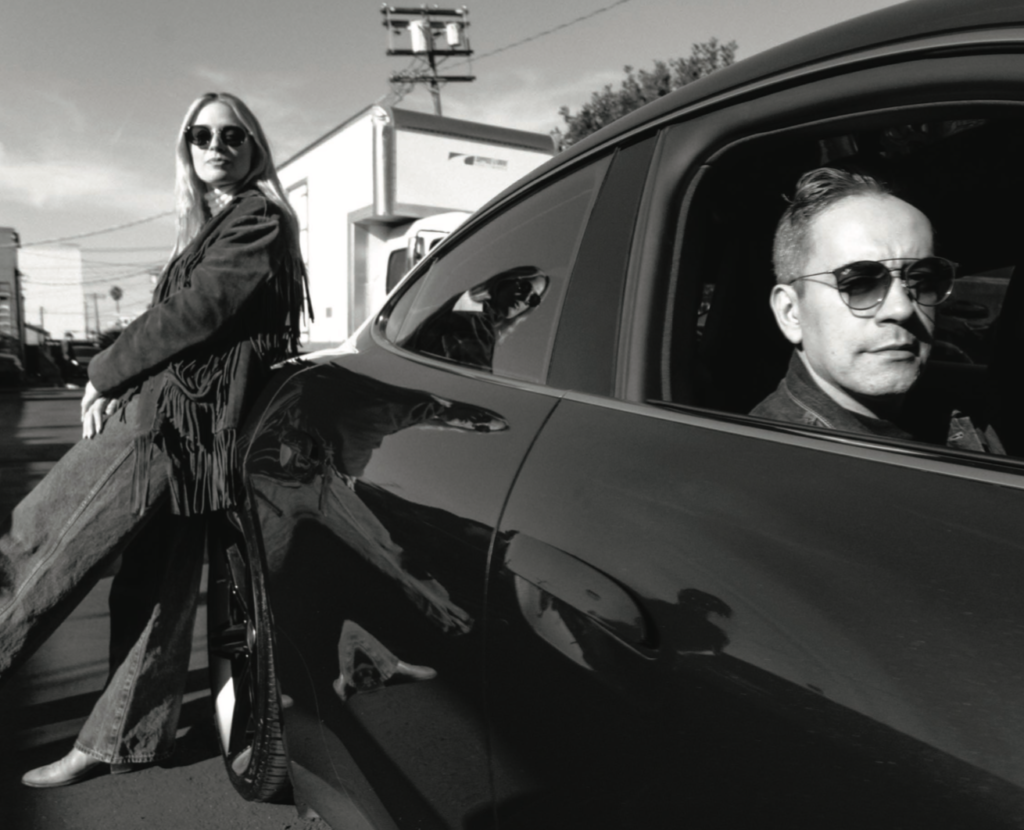
sombr is leaning into the kind of pop mess that feels intentional—weaponized, even. Their new single “homewrecker” arrives like a smirk you can’t quite read: playful on the surface, quietly brutal underneath. It’s glossy, melodic, and sharply written, the kind of track that makes betrayal sound like a lifestyle choice instead of a mistake. sombr has always thrived in the space between sweetness and sabotage, but “homewrecker” feels like a new level of confidence—more polished, more pointed, and way more addictive.
The music video takes that energy and turns it into a full-on pop culture moment, co-starring Quenlin Blackwell and Milo Manheim. It’s the kind of casting that instantly signals the vibe: chaotic, charismatic, and internet-aware without trying too hard. Quenlin brings her signature comedic bite, Milo plays it with that polished leading-man energy, and sombr sits at the center of it all like the architect of the drama. The visuals are slick and story-driven, with just enough humor to make the heartbreak feel even sharper. If “homewrecker” is the anthem, the video is the headline.
Charlie Puth and Kenny G’s “Cry” Sounds Like Pop Music Wearing a Tuxedo
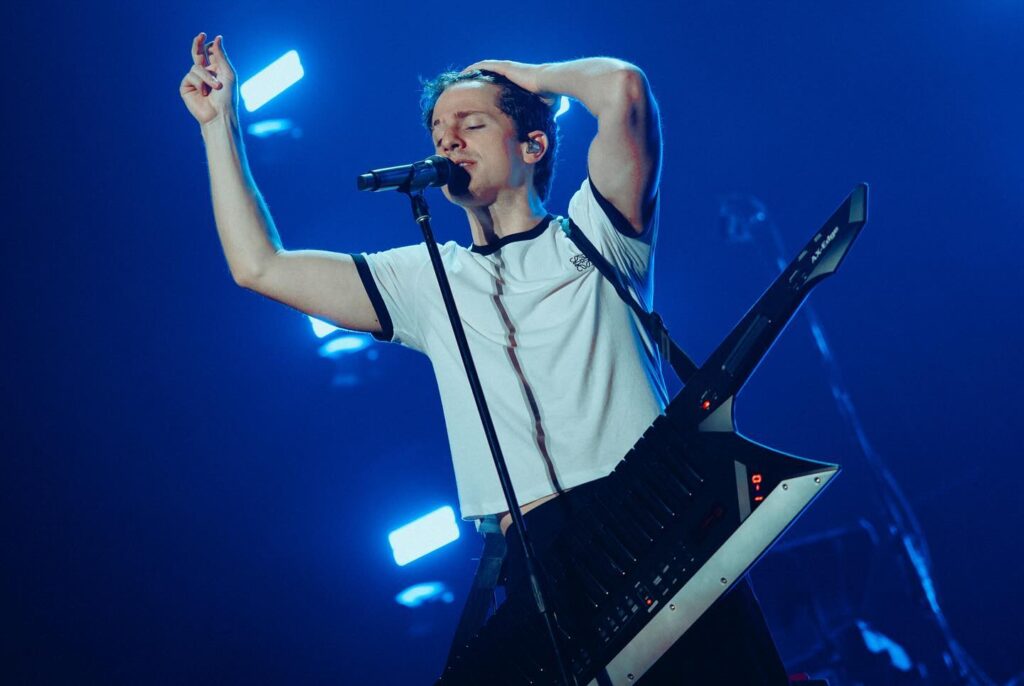
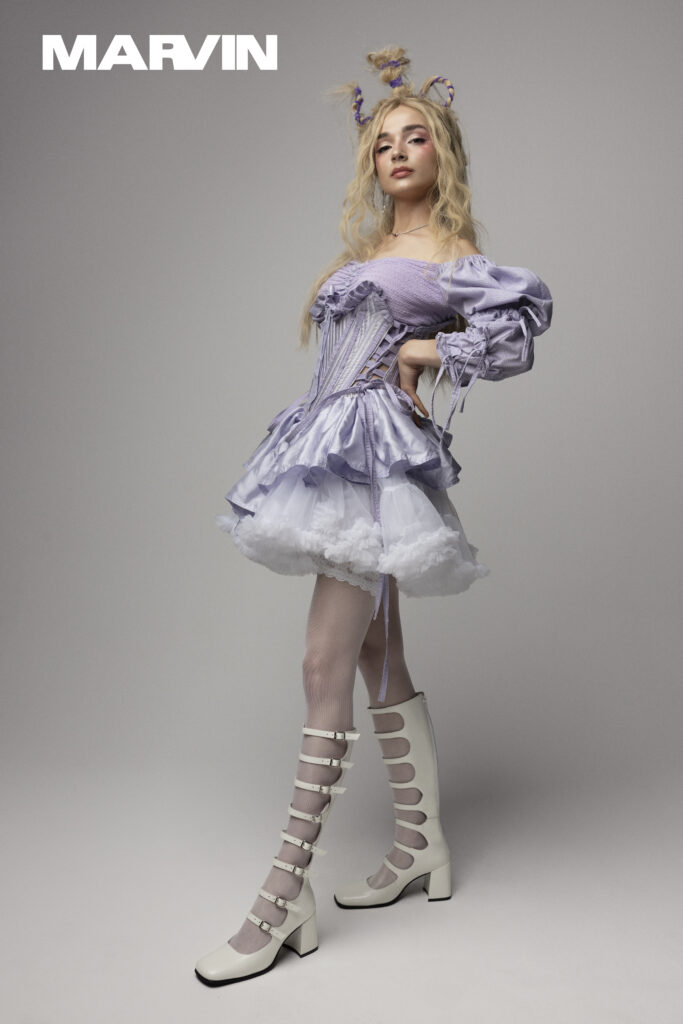
Photo by Aysia Marotta
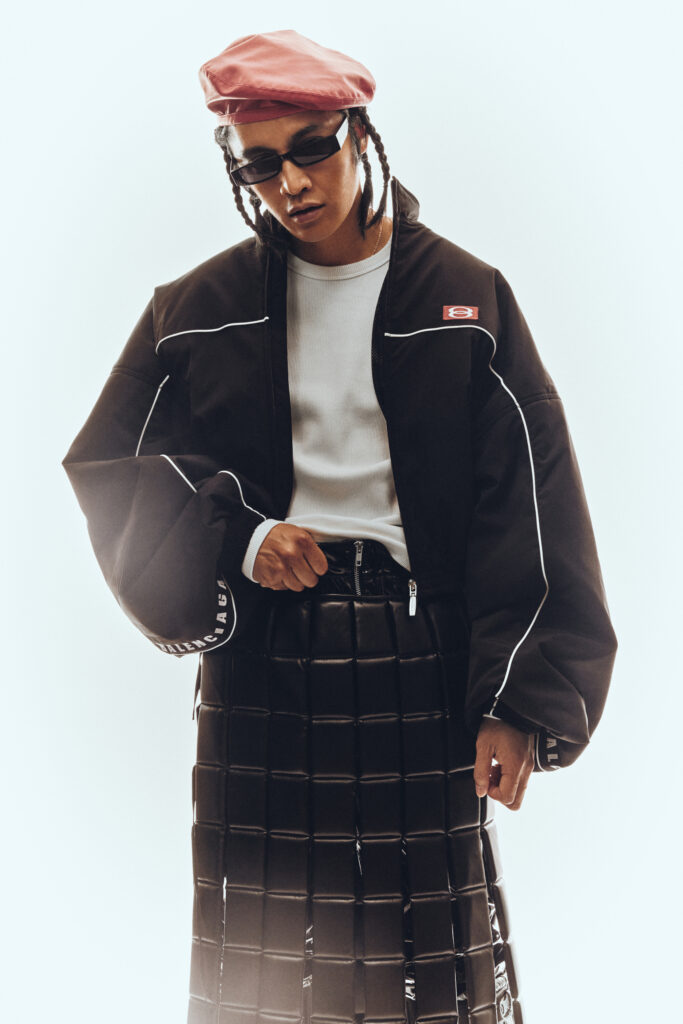
Charlie Puth has never been subtle about his love for musicianship, but “Cry” might be his cleanest reminder yet that he’s built differently. The new single pairs him with Kenny G on saxophone, a collaboration that feels like it was engineered in a studio filled with expensive lighting and even more expensive taste. It’s smooth, dramatic, and carefully controlled—Puth’s vocals floating over lush production while Kenny G slides through the track like he owns the air.
The sax isn’t just a gimmick either. It gives “Cry” a cinematic edge, making it feel closer to a late-night slow jam than a traditional pop release. It’s a song designed for the after-hours: moody, glossy, and slightly theatrical in the way only Charlie Puth can pull off without tipping into parody.
And the timing is no accident. With Puth set to perform the National Anthem at the Super Bowl, “Cry” feels like a calculated step into a bigger spotlight. It’s not just a single—it’s a statement: he’s not only chasing hits, he’s curating moments.
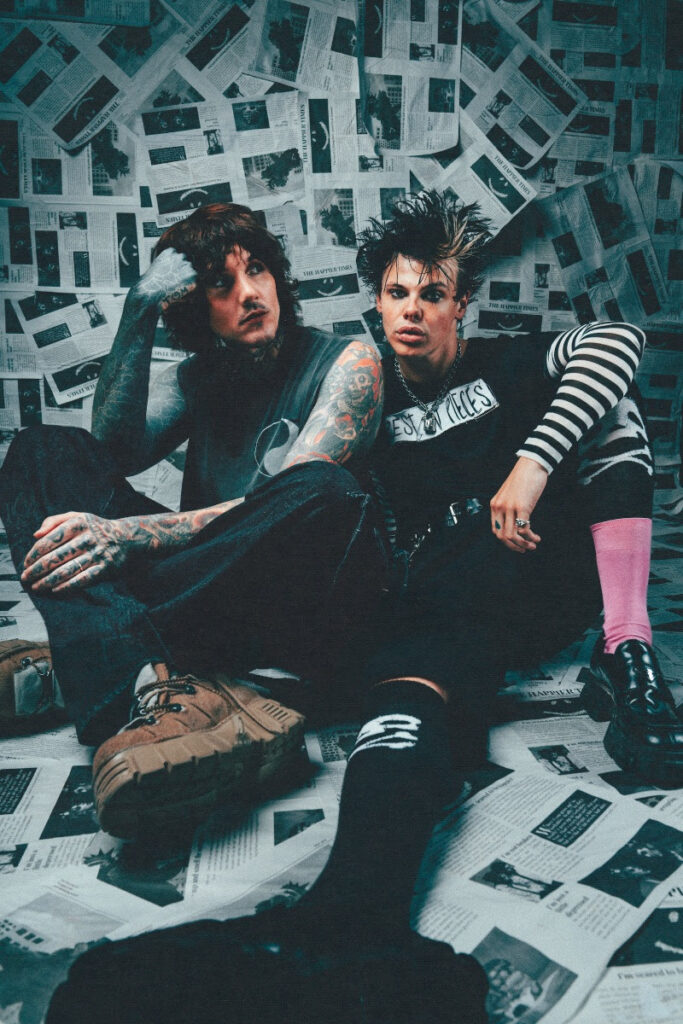
ZAYN’s “Die For Me” Keeps His Dark Romantic Era Alive and Well
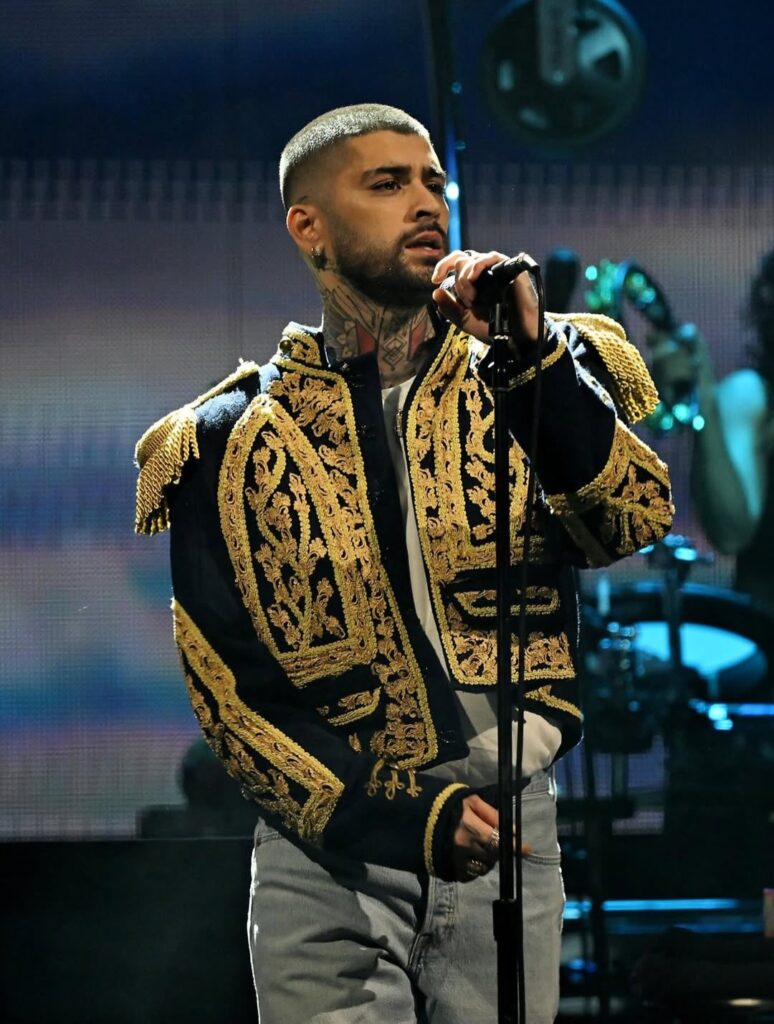
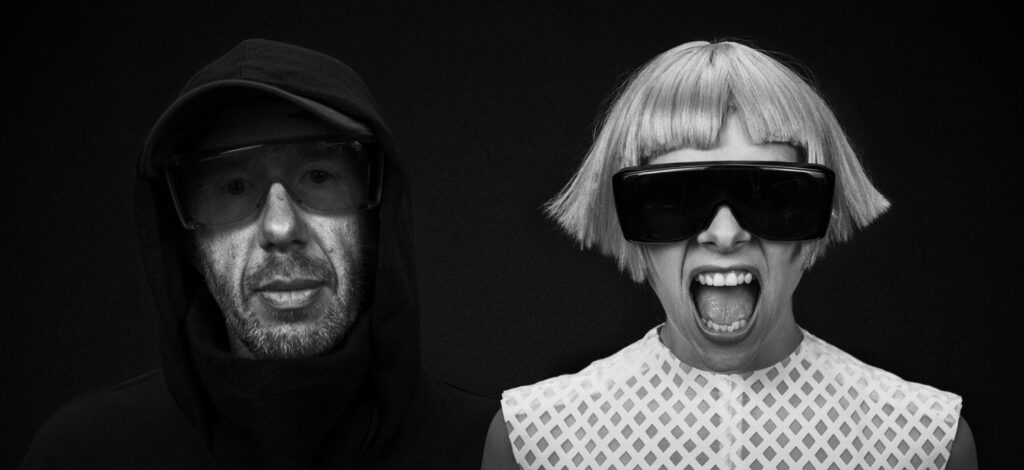
ZAYN is back doing what he does best: making love sound dangerous. His new single “Die For Me” doesn’t chase brightness or easy hooks—it leans into the shadows, letting atmosphere and emotion do the heavy lifting. The track is sleek and nocturnal, built on moody production that leaves plenty of space for his voice to cut through like a confession.
Lyrically, “Die For Me” plays with obsession and devotion in that classic ZAYN way—equal parts seductive and unsettling. He doesn’t oversell it, either. The restraint is what makes it hit. ZAYN sounds like he’s singing from a distance, emotionally present but unreachable, like the relationship is already doomed and he’s just narrating the aftermath.
It’s a strong return that reinforces what fans already know: when ZAYN locks into this late-night R&B lane, he doesn’t just fit the genre—he elevates it.
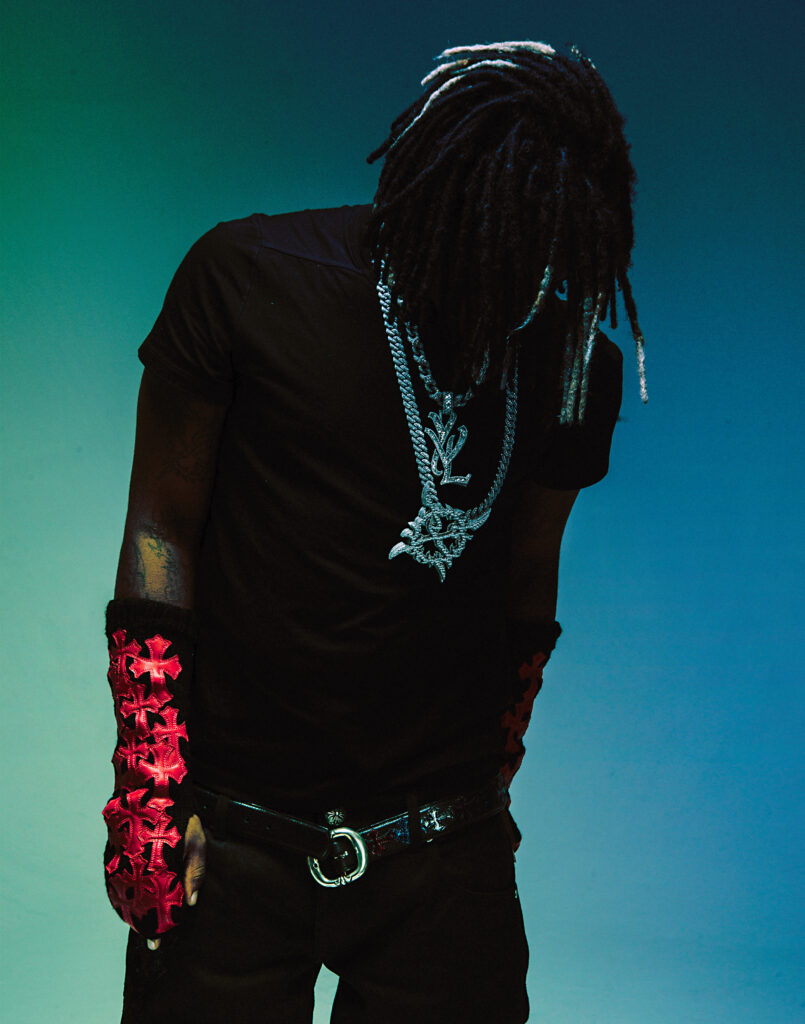
J. Cole Drops The Fall-Off With Future Features and the Weight of a Decade of Anticipation
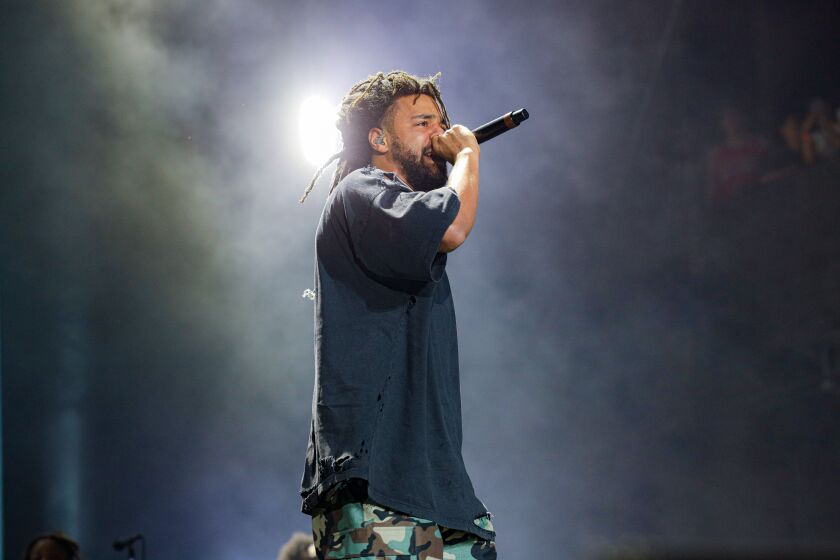
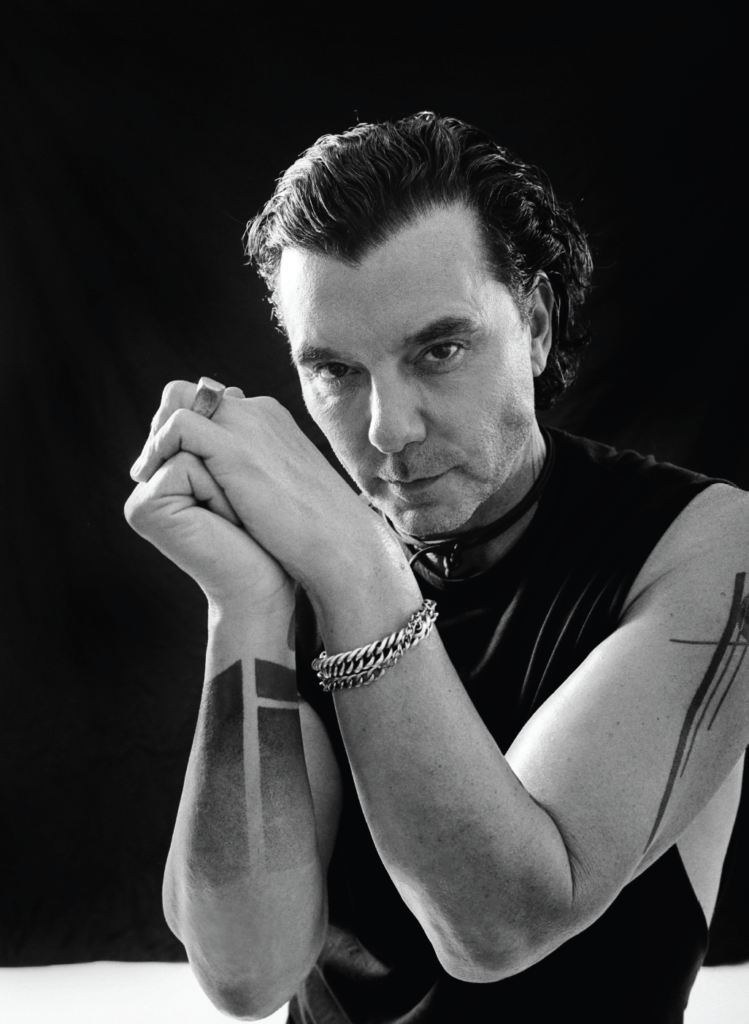
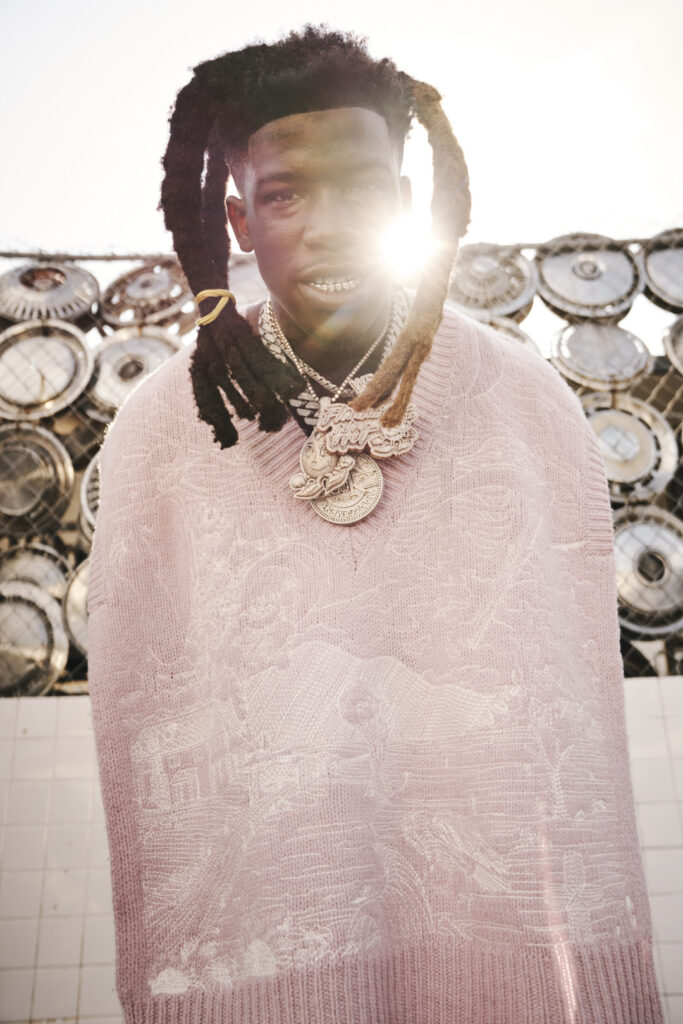
Photo by Kate Scott
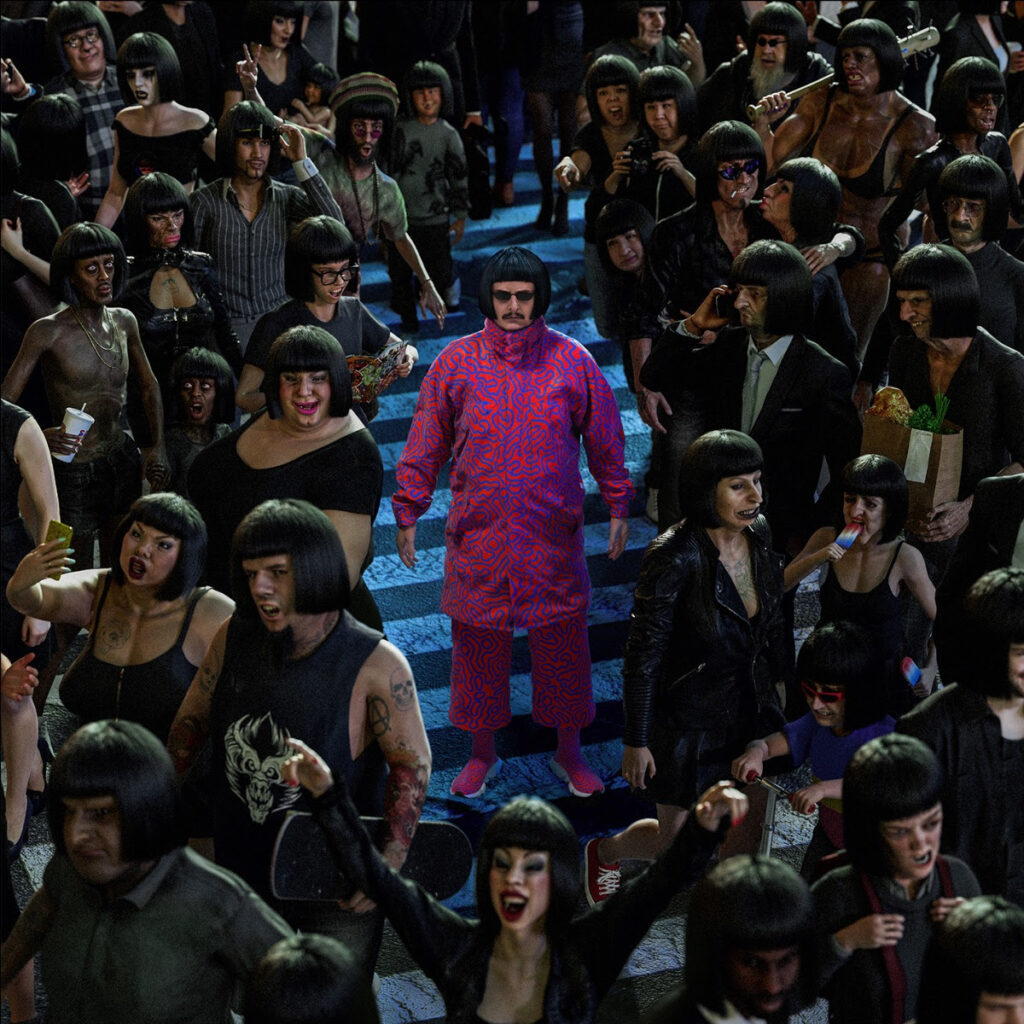
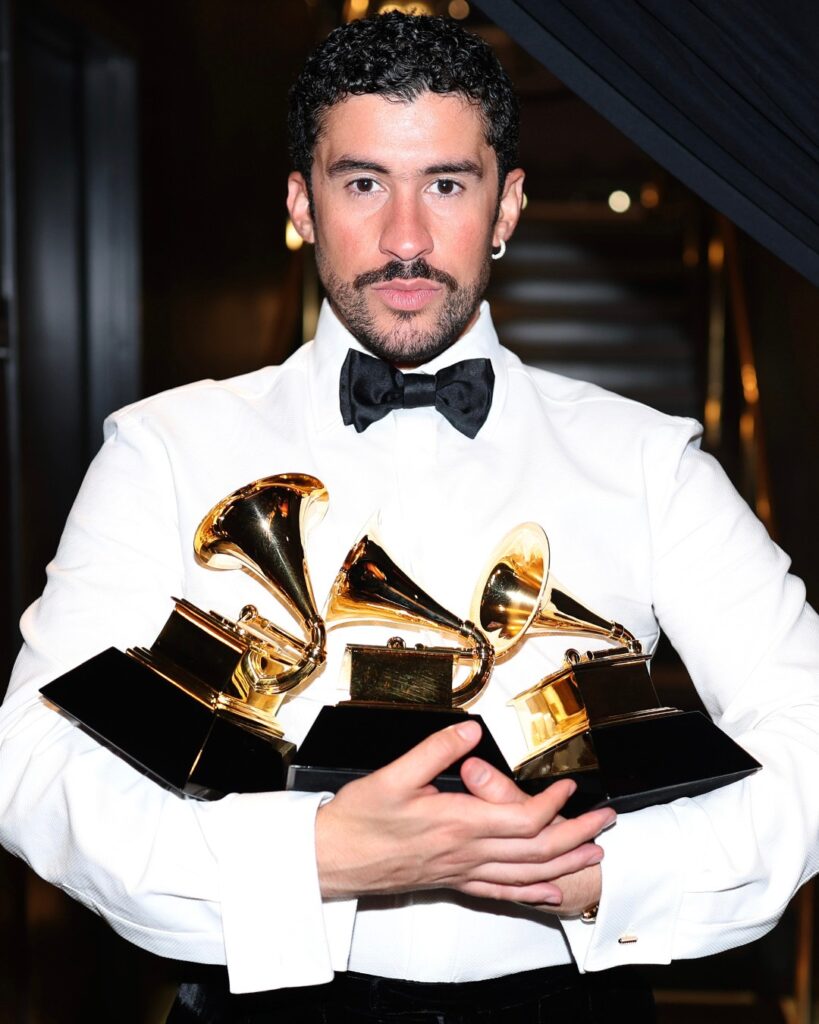
After years of teasing, myth-building, and near-constant fan speculation, J. Cole has finally released The Fall-Off. It’s the kind of album title that comes with expectations baked in—especially when it’s been positioned as the project that could define (or close) a major chapter in his career. Cole has spent the last few years moving like an artist who knows his legacy is already cemented, but The Fall-Off doesn’t sound like someone ready to fade out. It sounds like someone tightening their grip.
The project is packed with sharp writing, focused energy, and the kind of introspective weight Cole has made his signature, but one of the most headline-worthy elements is the presence of Future across multiple tracks. It’s a pairing that feels unexpected on paper, but in execution it works: Cole’s grounded, reflective perspective meeting Future’s cold, melodic hedonism. It creates a push-and-pull that gives the album a different kind of momentum—less preachy, more dangerous.
If The Fall-Off is meant to be a final statement, it doesn’t arrive quietly. It lands like a headline, reminding everyone why Cole has remained one of rap’s most untouchable names: he can step away, let the noise build, and still return sounding like the center of the conversation.