MARVIN Music News: The 2026 GRAMMYs Were About Power, Presence, and Who Gets to Take Up Space
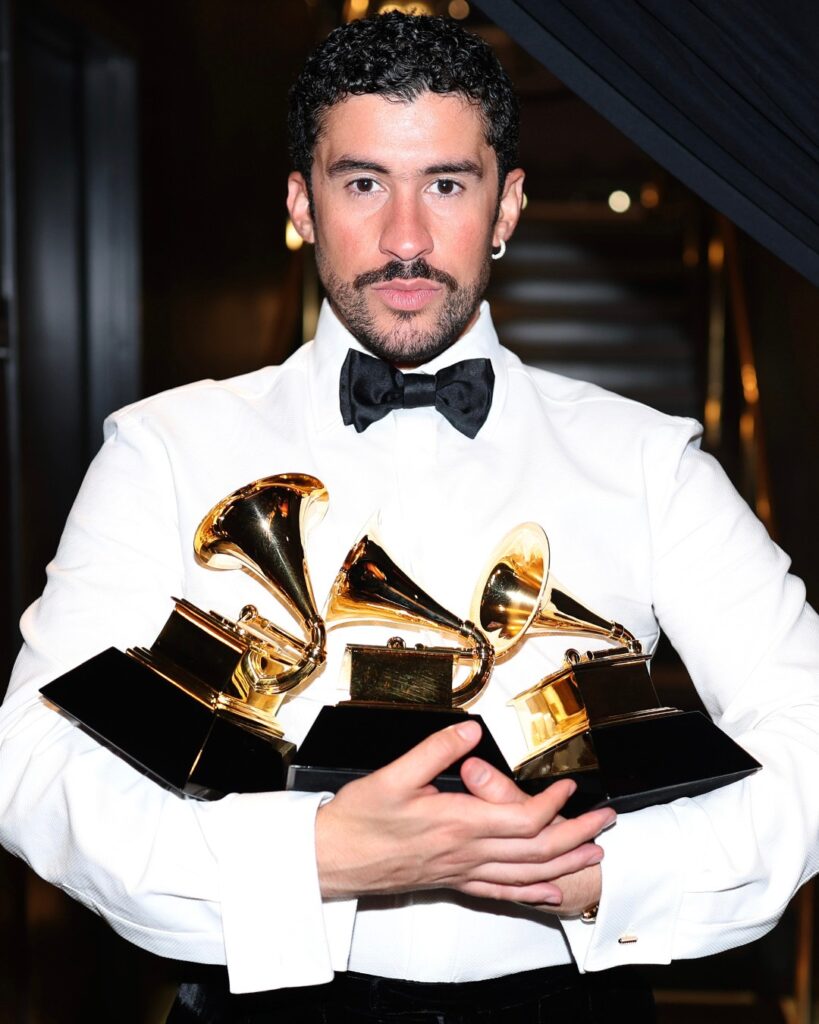
Photo courtesy of Getty Images
The 68th Annual GRAMMY Awards unfolded Sunday night at Los Angeles’ Crypto.com Arena with a sense of recalibration rather than reinvention. Hosted once again by Trevor Noah, the ceremony leaned less on shock value and more on cultural gravity, spotlighting artists who have shaped — and are actively reshaping — the sound and scope of contemporary music. Between historic wins, reverent tributes, and performances that honored legacy as much as momentum, the 2026 GRAMMYs reflected an industry slowly catching up to the world it documents.
That shift was solidified when Bad Bunny won Album of the Year for Debí Tirar Más Fotos, becoming the first Spanish-language album to take home the Academy’s top prize. The moment landed with quiet force. His acceptance speech, delivered largely in Spanish, underscored the scale of the win without overstatement — a reminder that global music is no longer adjacent to the mainstream, but central to it.
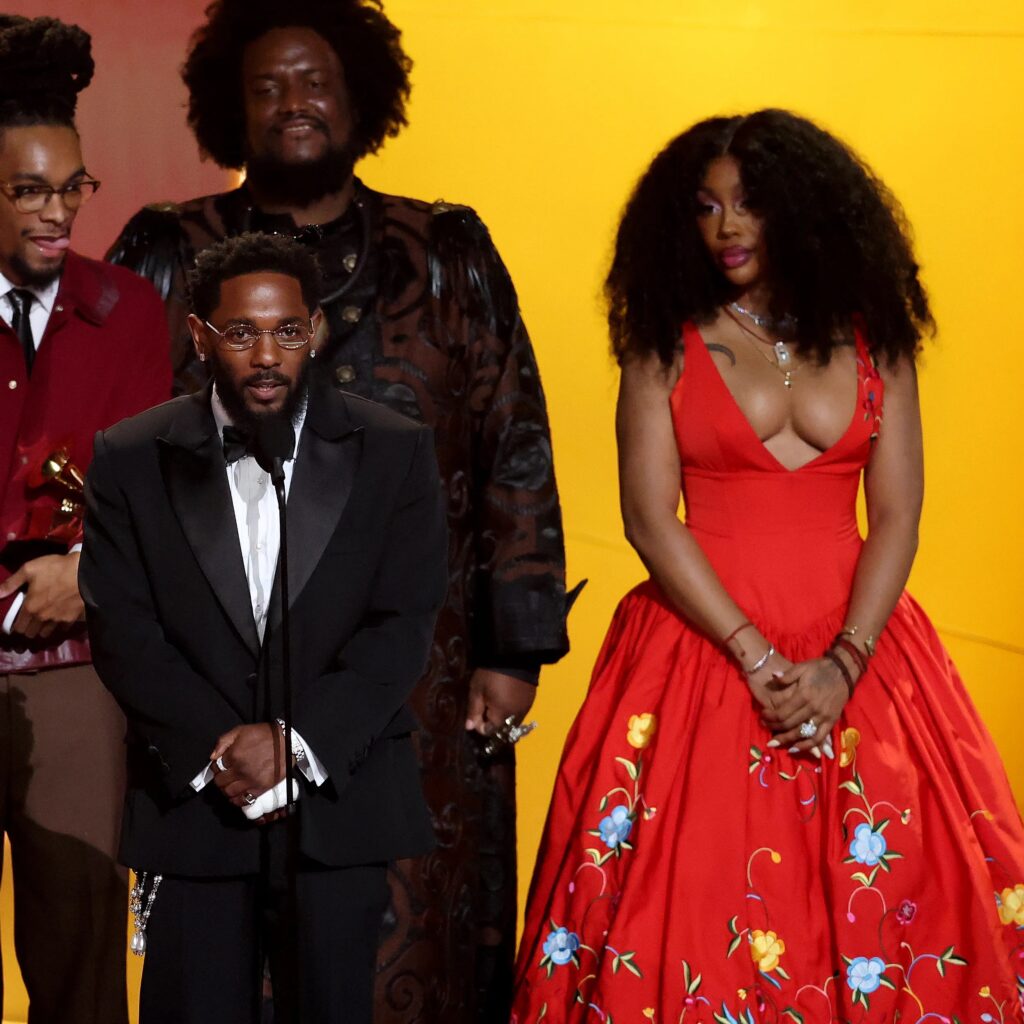
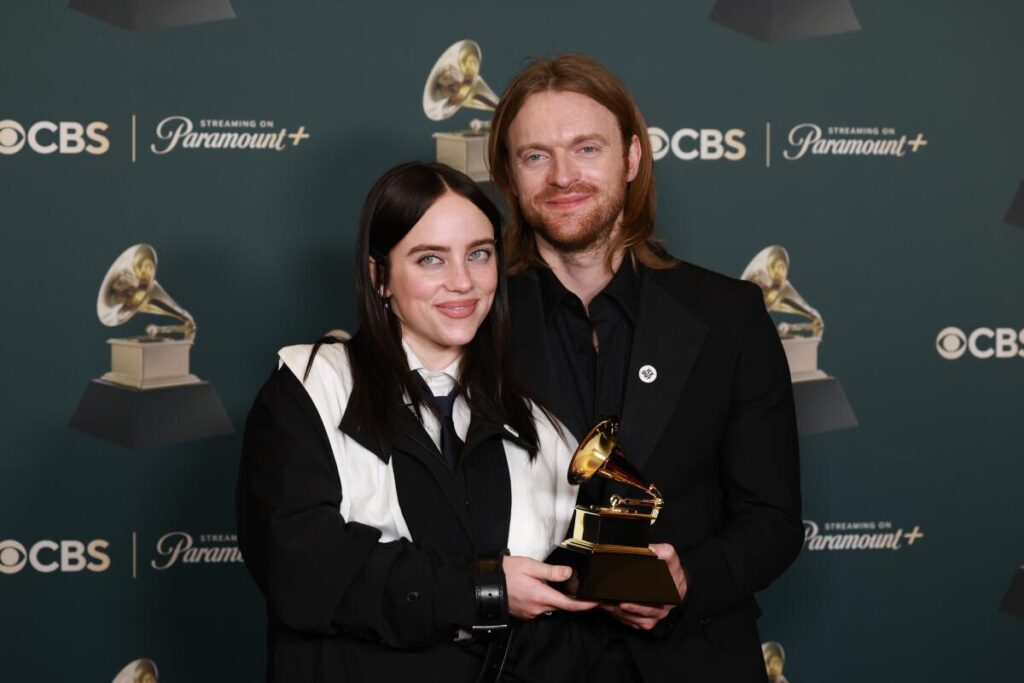
Photo by Allen J Schaben
In the remaining major categories, Record of the Year went to Kendrick Lamar and SZA for “Luther,” a win that recognized the song’s precision and cultural weight without requiring spectacle. Song of the Year was awarded to Billie Eilish for “Wildflower,” honoring songwriting that favors emotional clarity over maximalism, while Best New Artist went to Olivia Dean, whose rise has felt measured and intentional rather than engineered for immediacy.
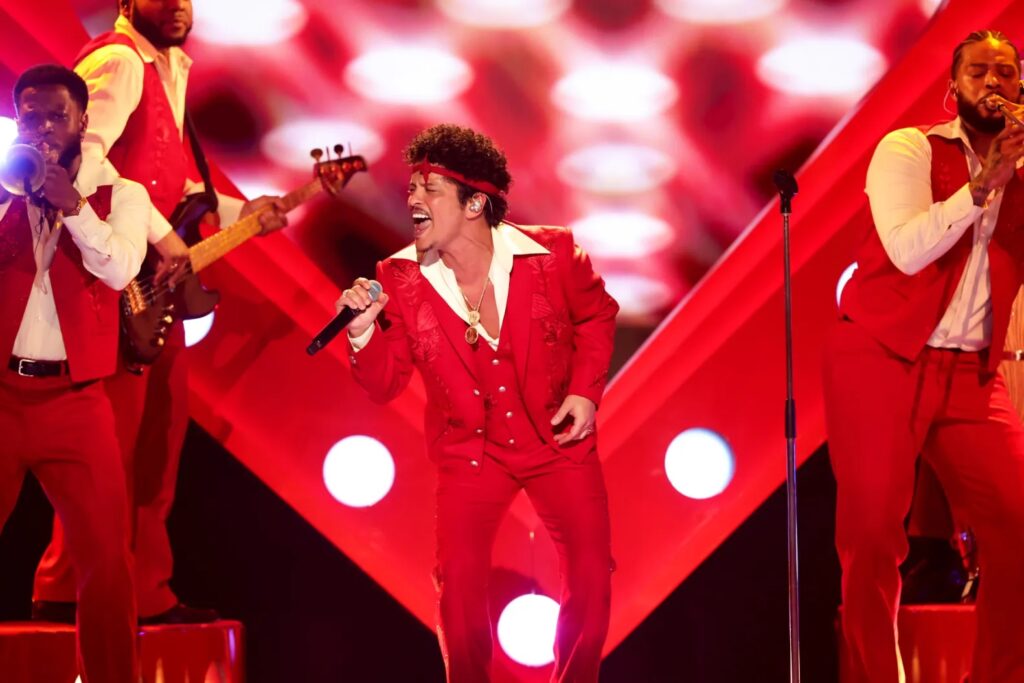
Photo by Kevin Winter
While the awards told one story, the performances told another — one rooted in lineage, reverence, and continuity. Bruno Mars delivered one of the night’s most polished and magnetic sets, reaffirming his command of the GRAMMY stage with a performance that balanced technical excellence and effortless charisma. It was a reminder that pop, when executed with discipline and soul, still holds enormous power.
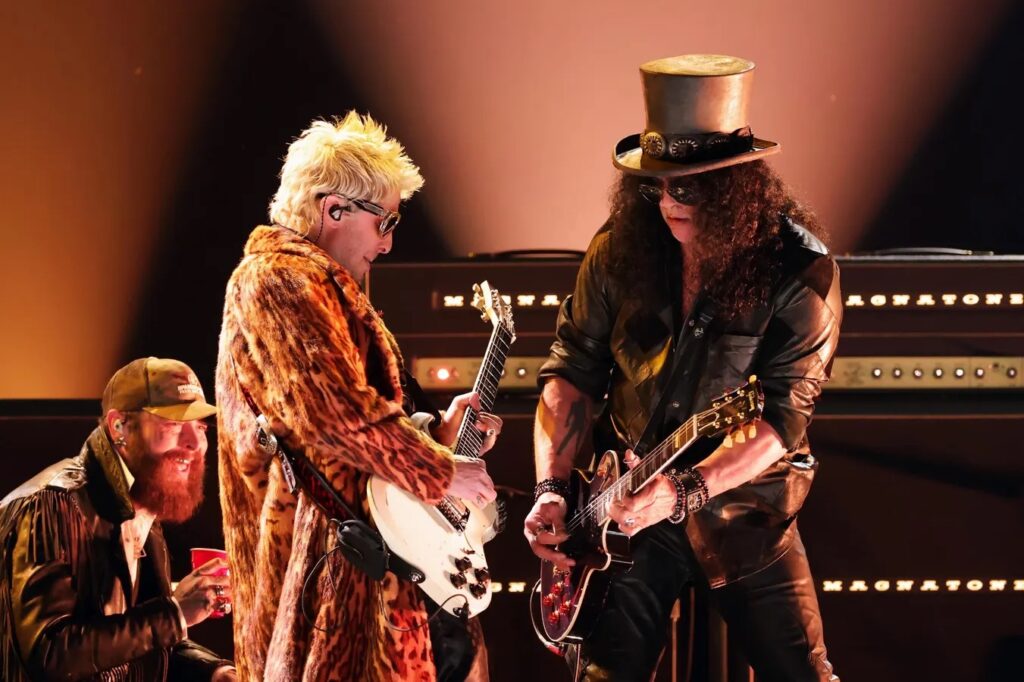
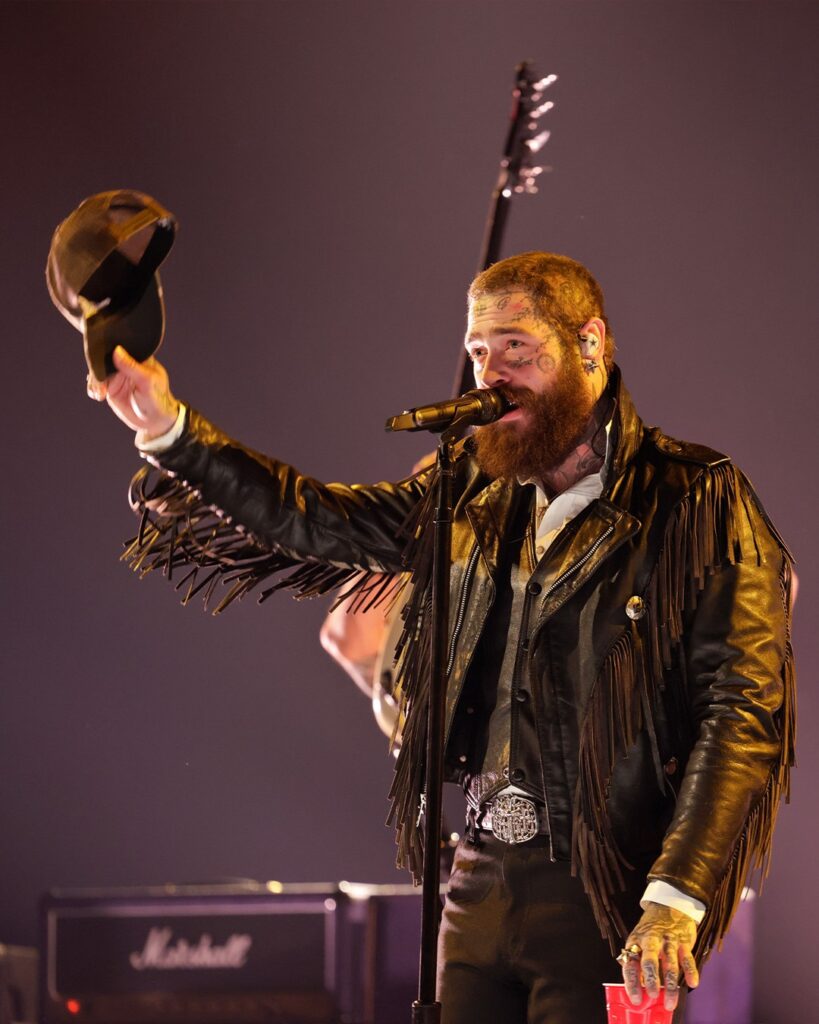
The ceremony’s most emotional moments came through its tributes. A sweeping homage to Ozzy Osbourne honored the rock icon’s singular influence, celebrating a career that reshaped heavy music’s relationship with spectacle, rebellion, and theatricality. The tribute avoided nostalgia for nostalgia’s sake, instead framing Ozzy’s legacy as something that continues to ripple through modern rock culture.
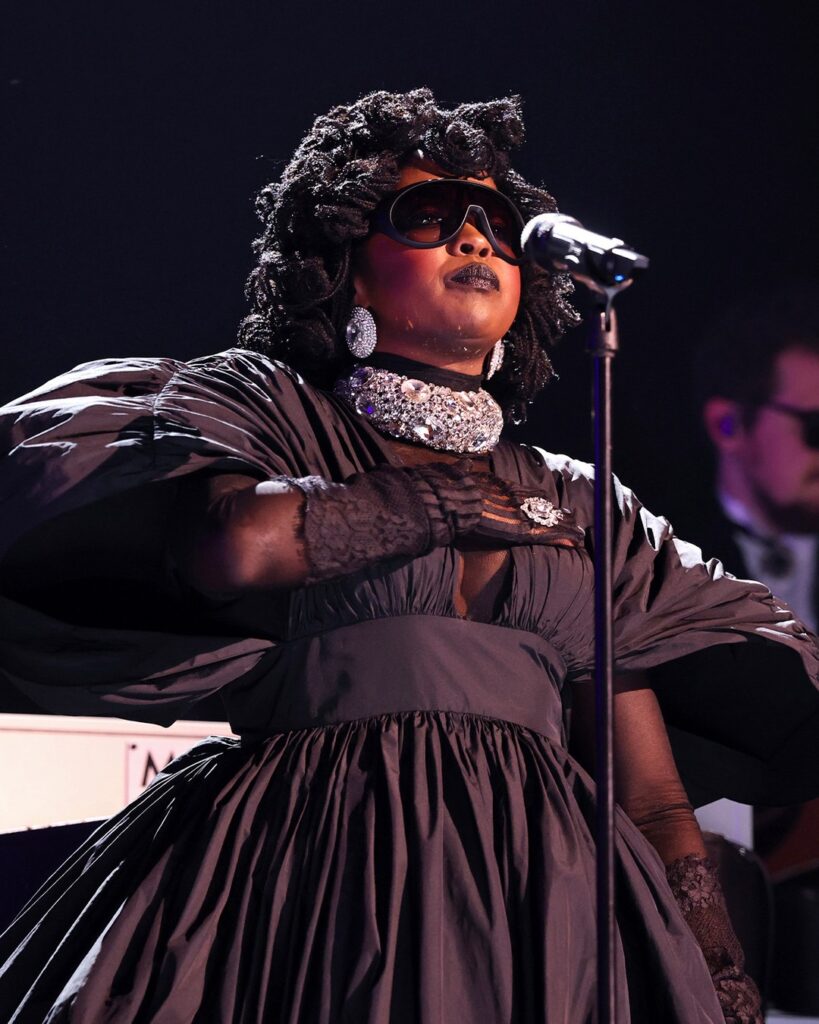
Later in the night, the Academy turned its focus toward soul and intimacy with a tribute performance honoring D’Angelo and the late Roberta Flack. The segment served as a reminder of the emotional architecture behind R&B — music built on restraint, vulnerability, and space. It was one of the evening’s quietest moments, and one of its most affecting.
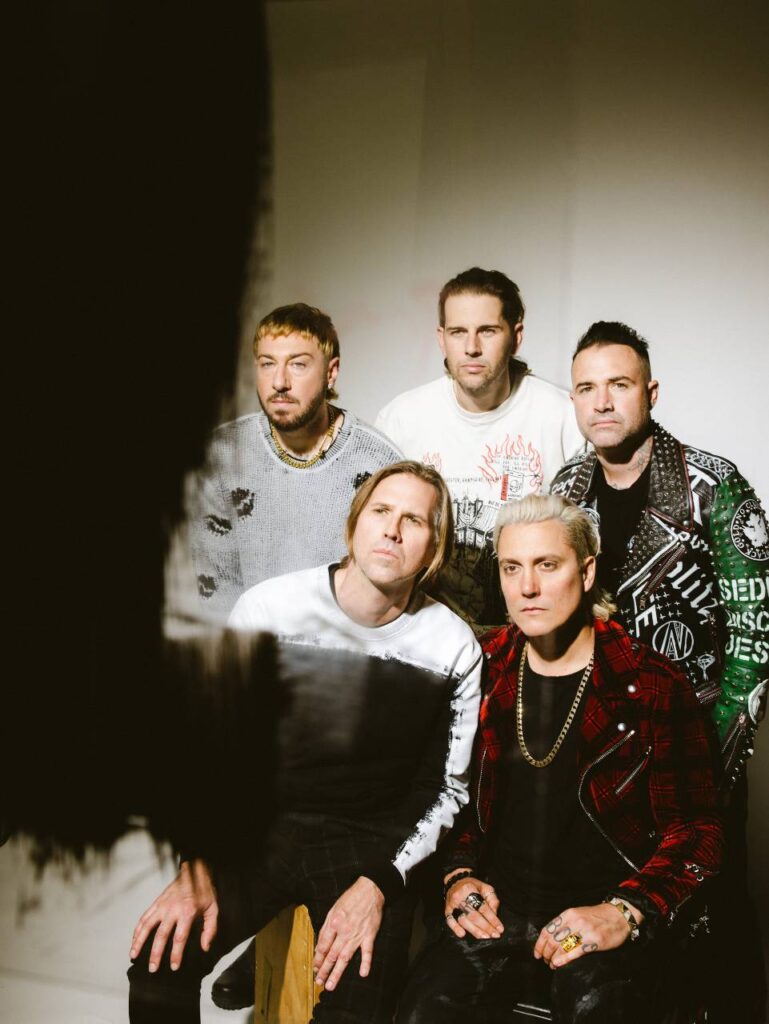
Elsewhere, the ceremony made room for artists who exist between categories. Turnstile dominated the rock and metal fields, winning Best Rock Album and Best Metal Performance, a decisive showing for a band that has consistently resisted genre containment. The Cure were recognized in the alternative categories, reinforcing the idea that legacy artists can remain culturally present without dilution.
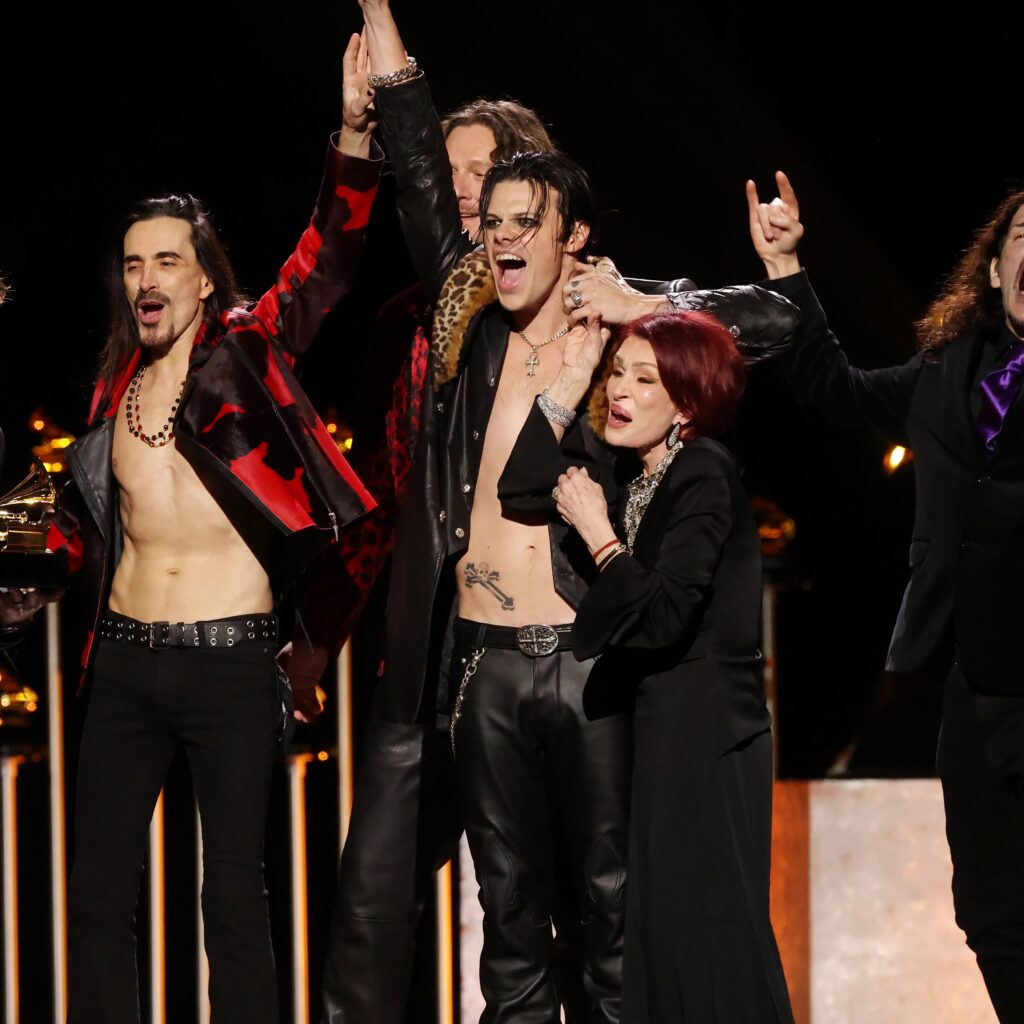
Photo by Frazier Harrison
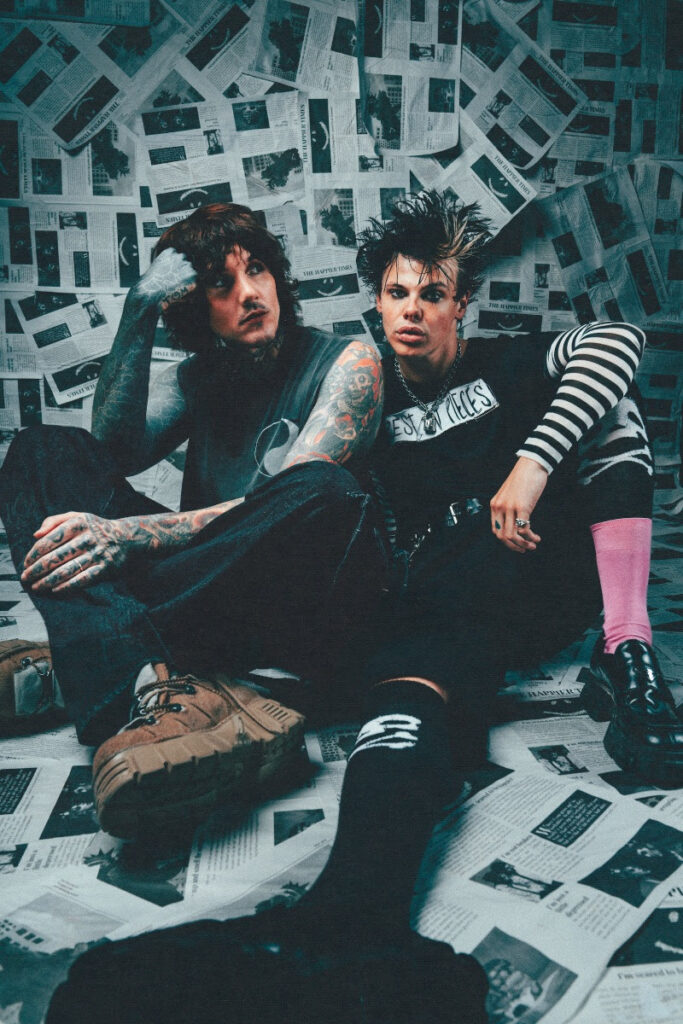
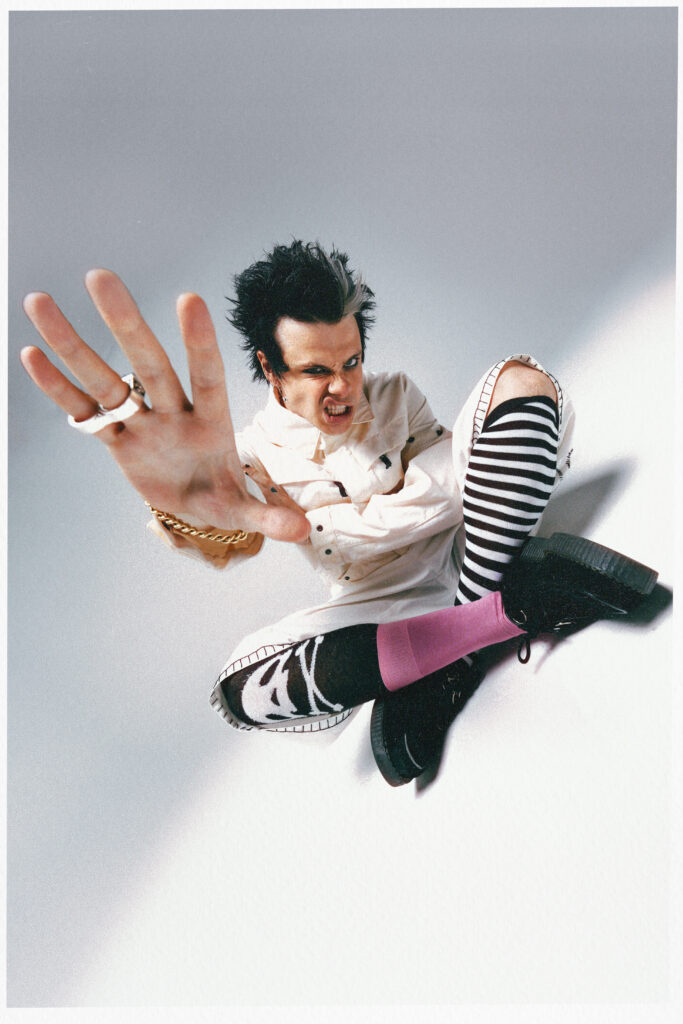
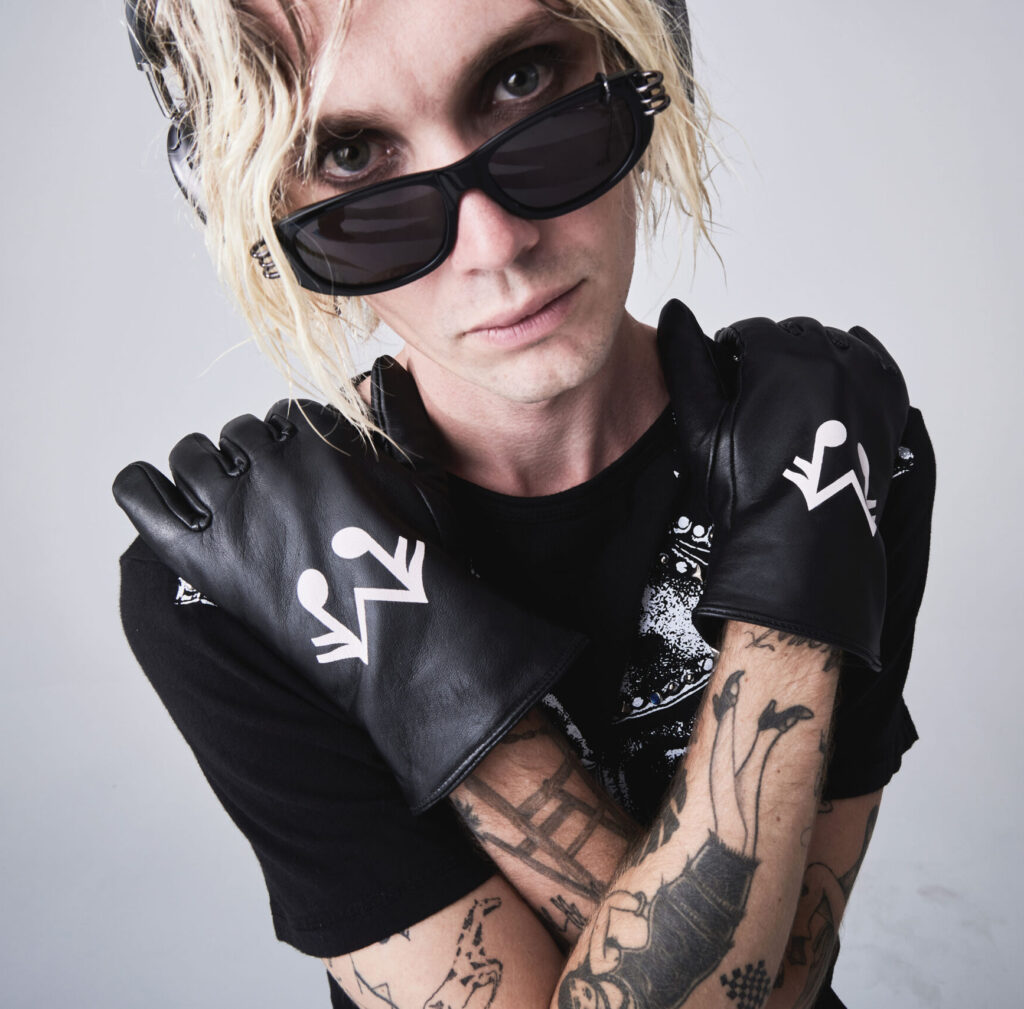
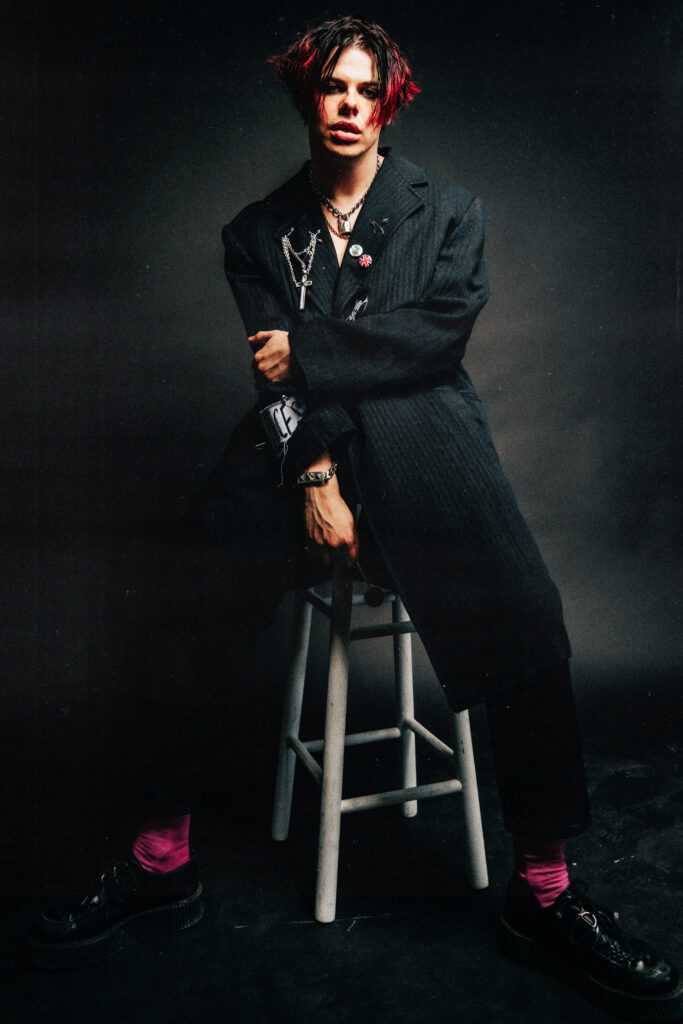
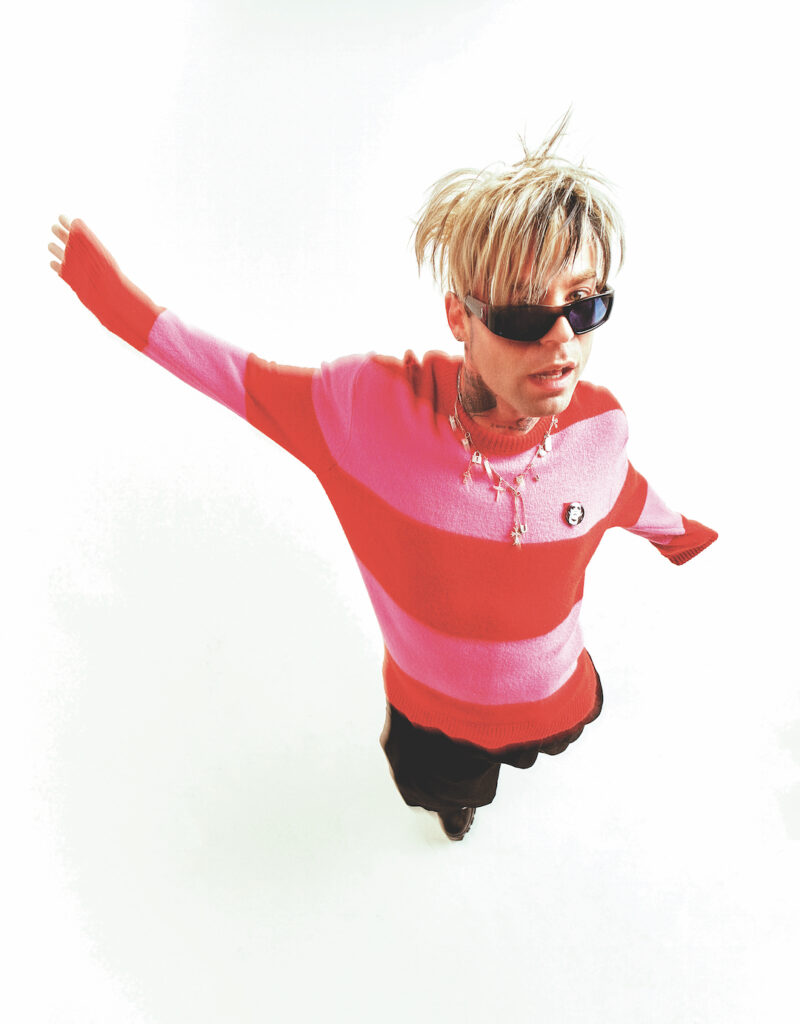
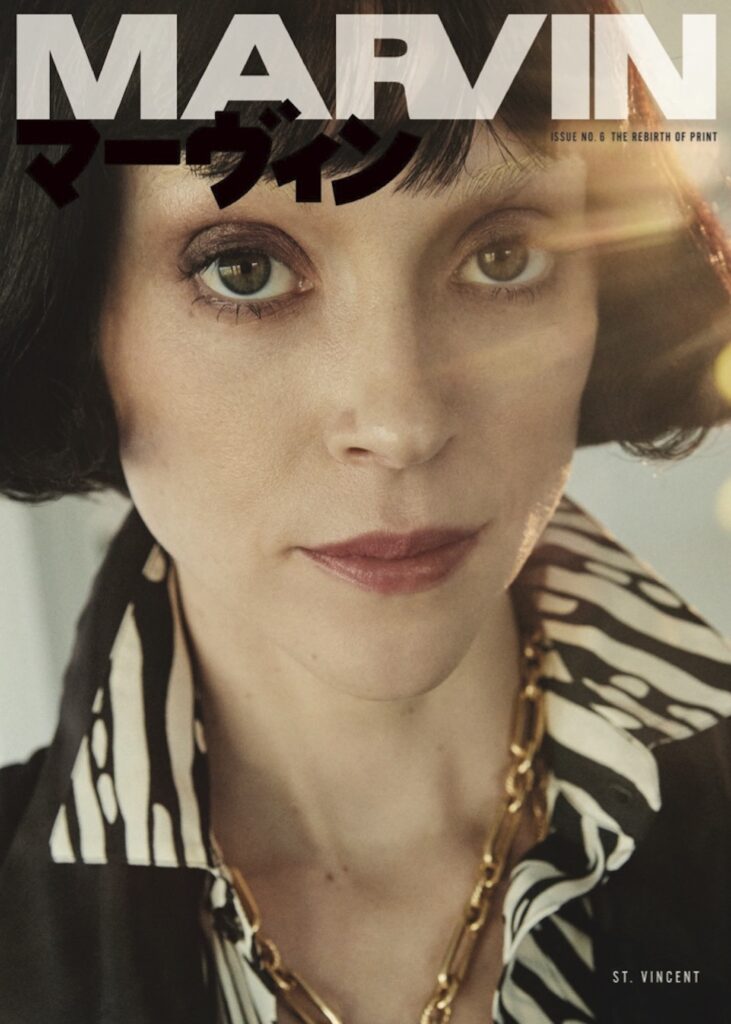
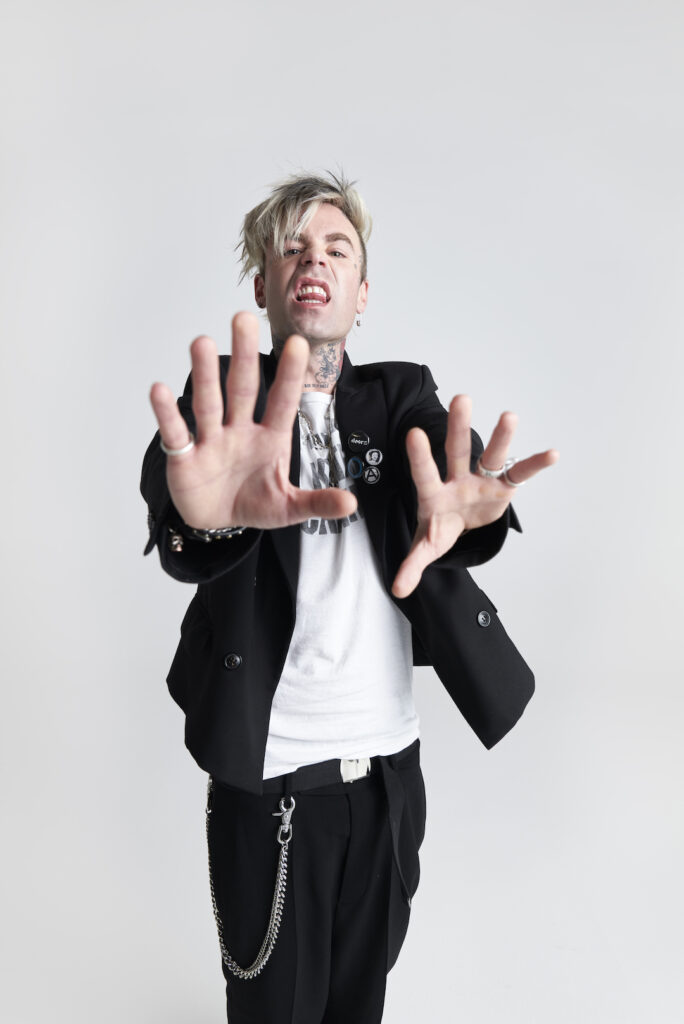
One of the night’s most resonant wins belonged to YUNGBLUD, who earned his first GRAMMY in the rock performance field. Known for his confrontational energy and genre-fluid identity, the win marked a milestone for an artist long positioned outside institutional validation. For MARVIN readers, the moment carried added weight — YUNGBLUD is a former MARVIN cover star, and his ascent from subcultural lightning rod to GRAMMY winner felt less like a surprise and more like a long-overdue acknowledgement.
By the end of the night, the 2026 GRAMMYs had made their position clear. This wasn’t a ceremony chasing virality or optics. It was one rooted in recognition — of global voices, enduring influence, and artists who refuse to flatten themselves for category placement. The Recording Academy didn’t rewrite its legacy in a single evening, but it did something subtler and more meaningful: it paid attention.
And for once, it felt like the room was listening back.