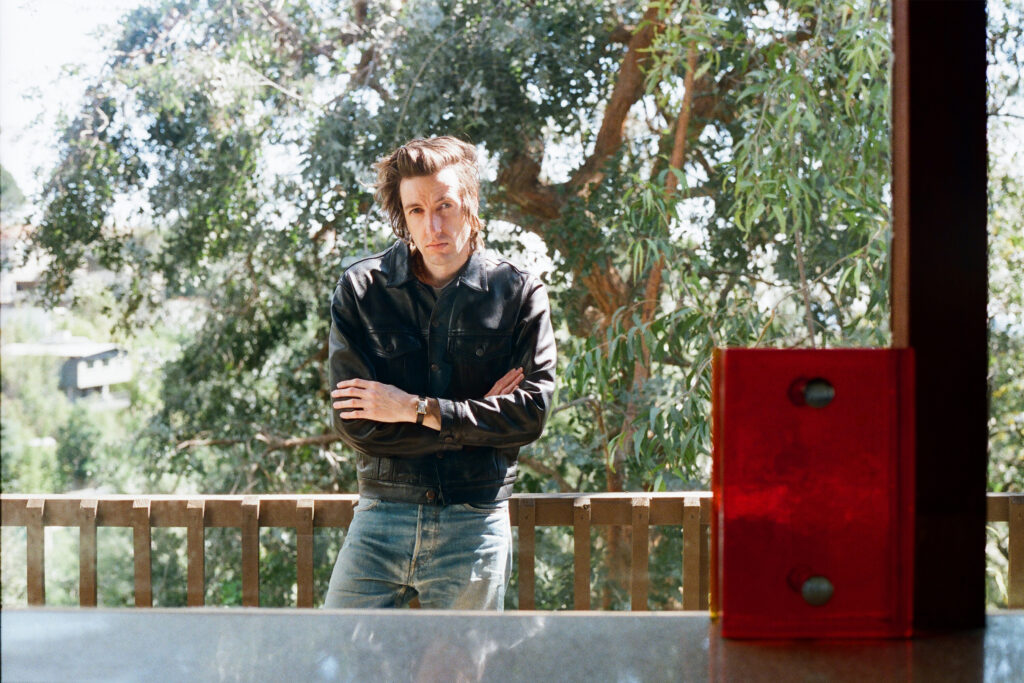
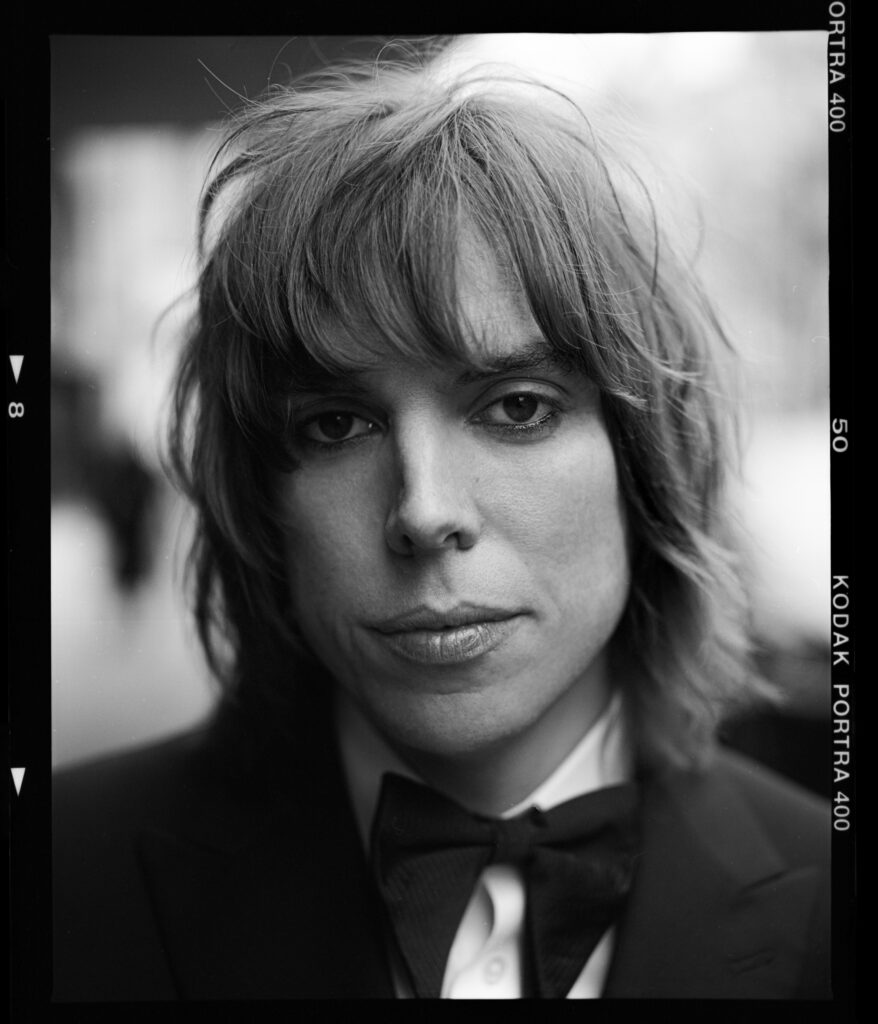
A NEW ERA OF DISCOVERY: SAWYER HILL
From sheltered roots and
viral covers to breakout success
and a Johnny Cash moment,
Sawyer Hill is entering a new era
of honesty and self-discovery.
Words by Kayla Sandiford
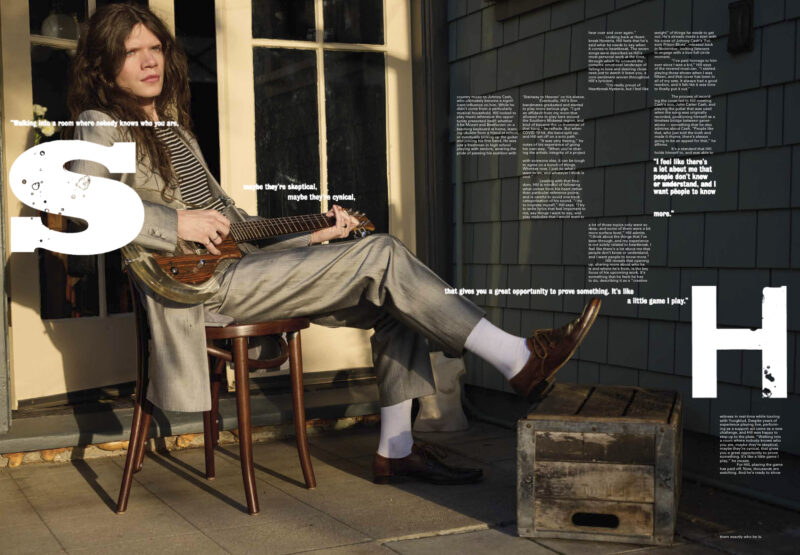
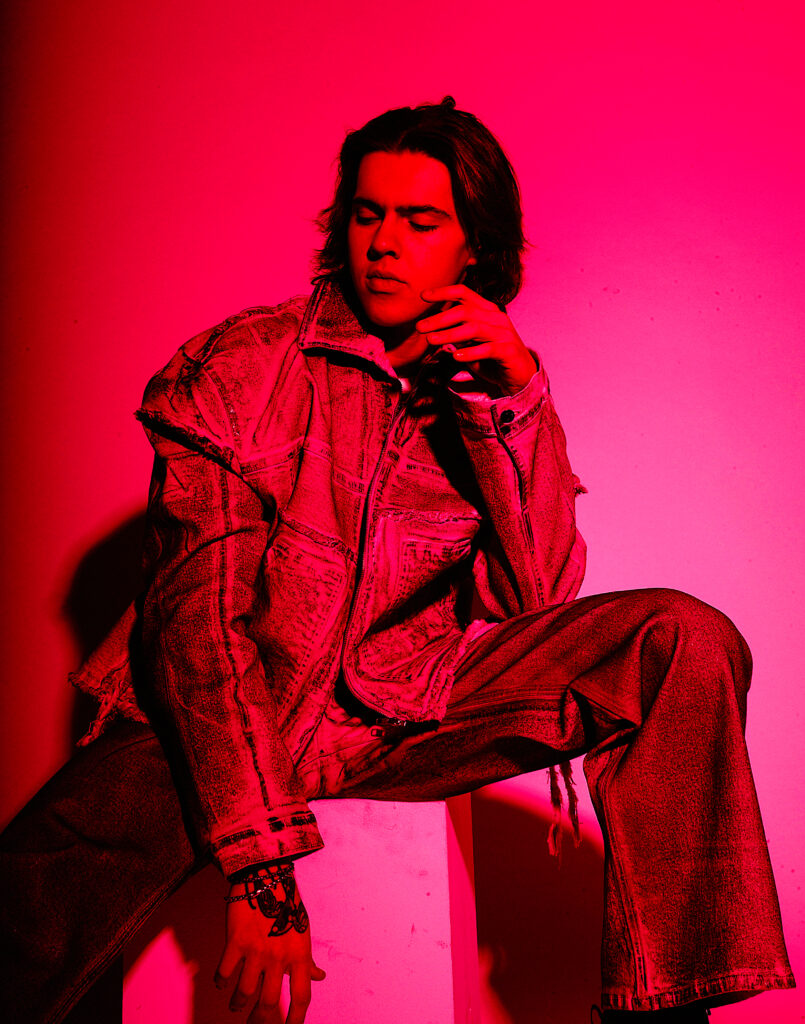
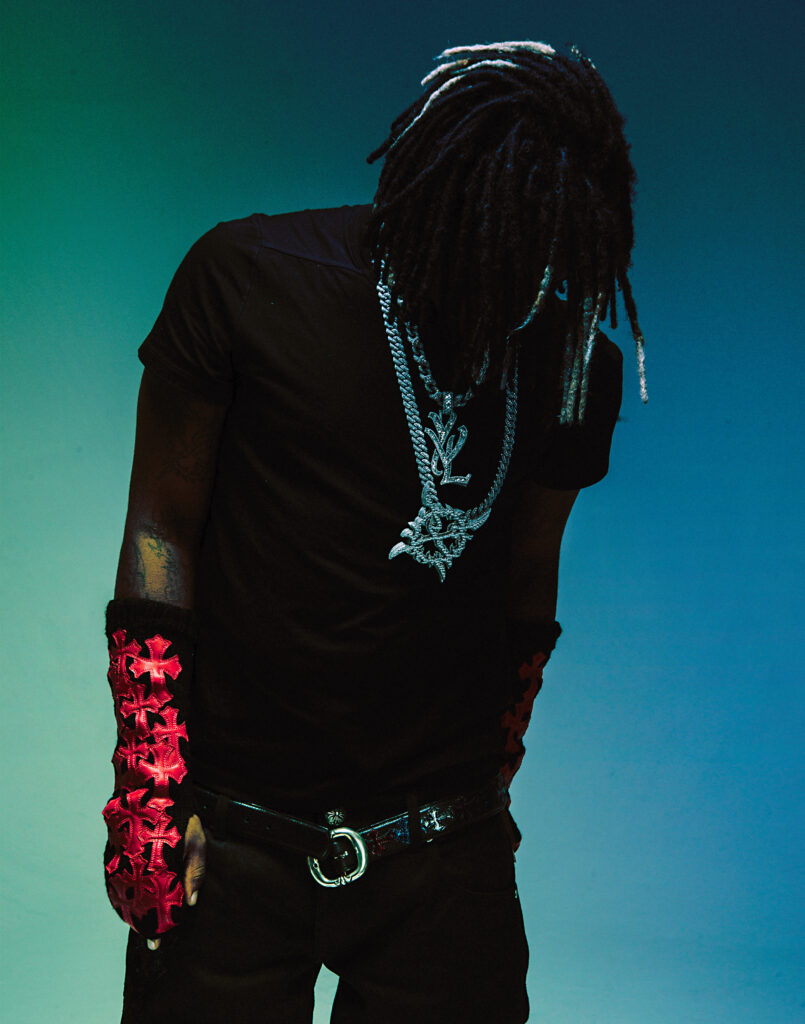
Captured by Magdalena Wosinska
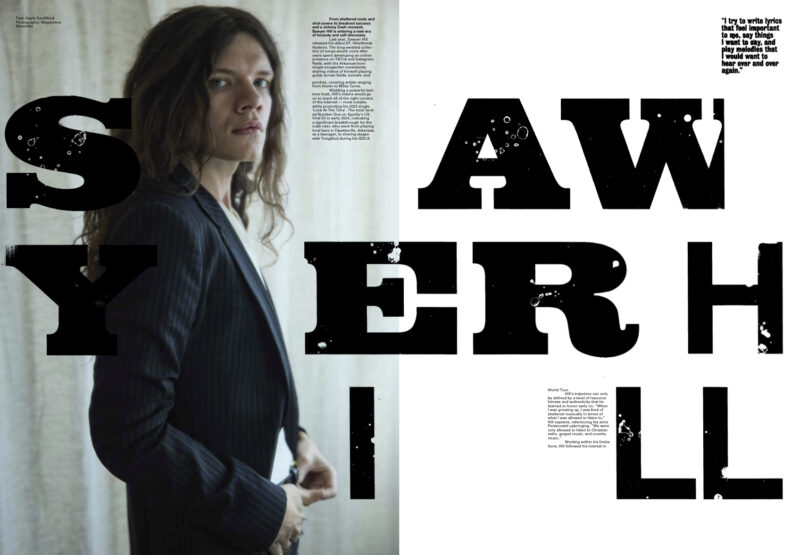
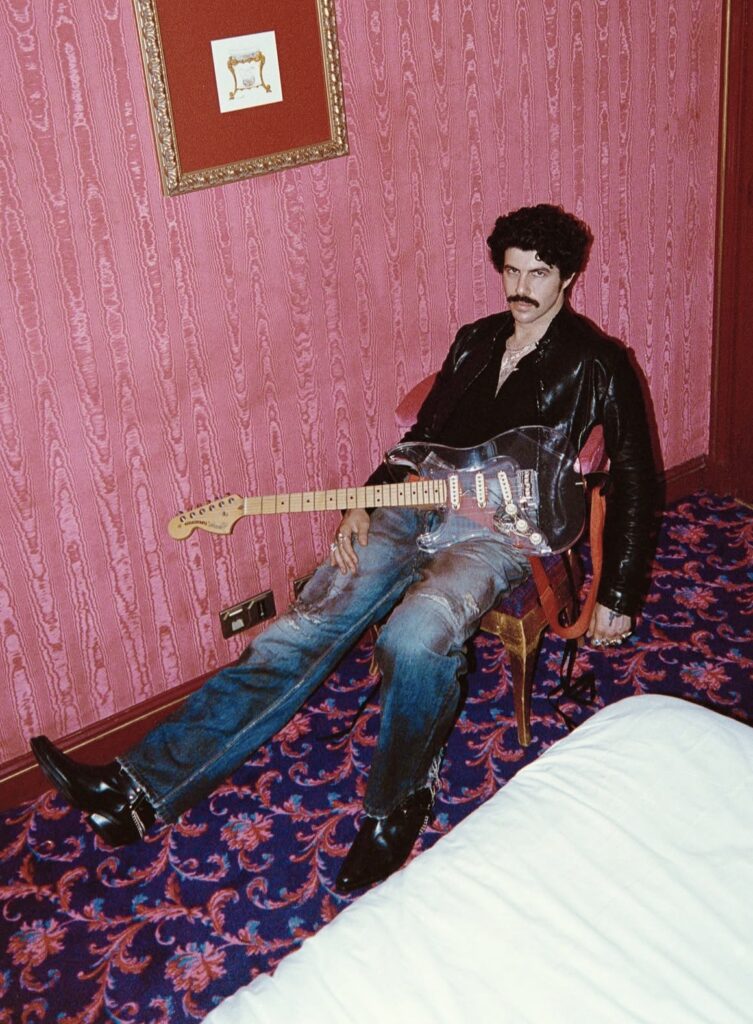
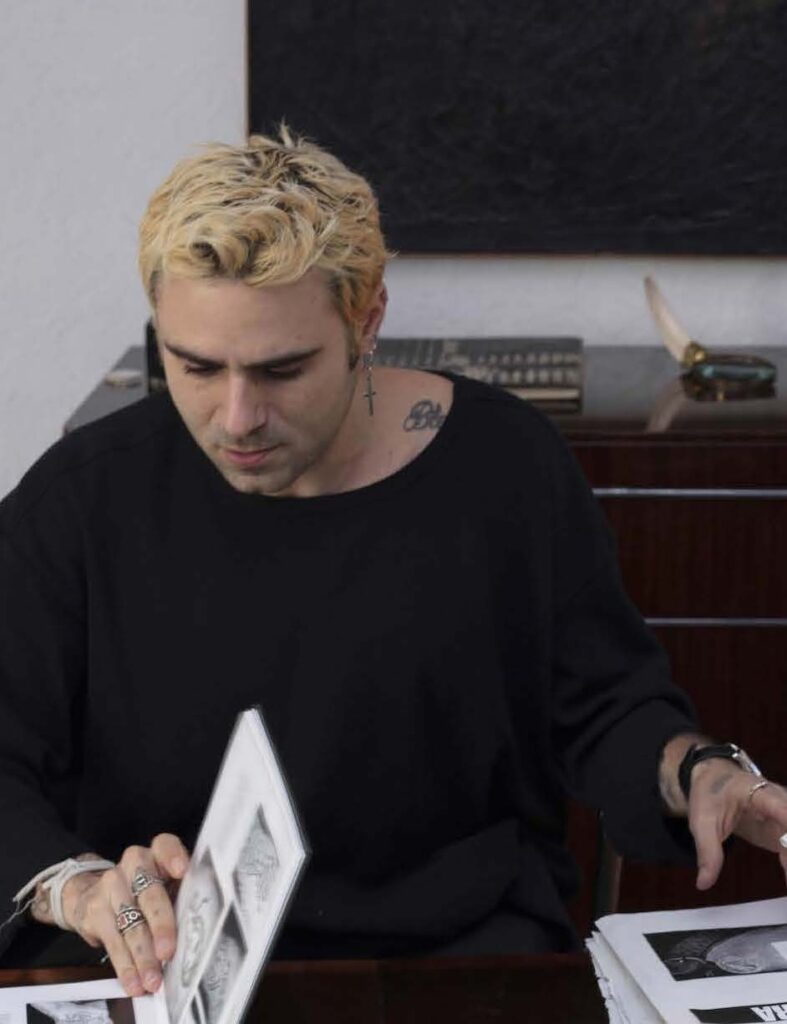
Last year, Sawyer Hill released his debut EP, Heartbreak Hysteria. The long-awaited collection of songs would come after years spent developing an online presence on TikTok and Instagram Reels, with the Arkansas-born singer-songwriter consistently sharing videos of himself playing guitar across fields, tunnels, and porches, covering artists ranging from Hozier to Miley Cyrus.
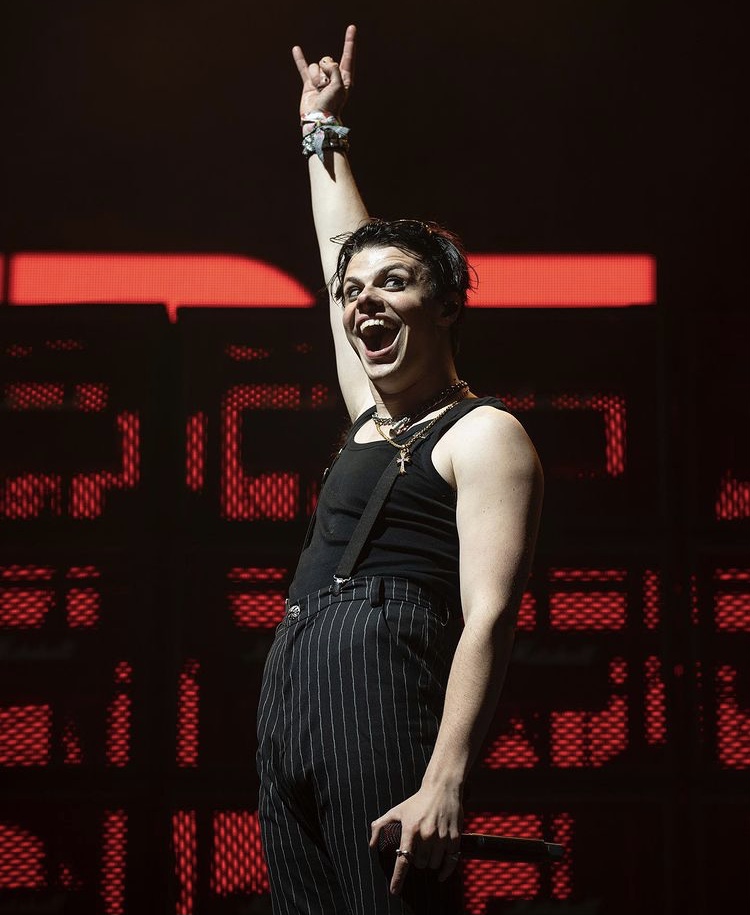
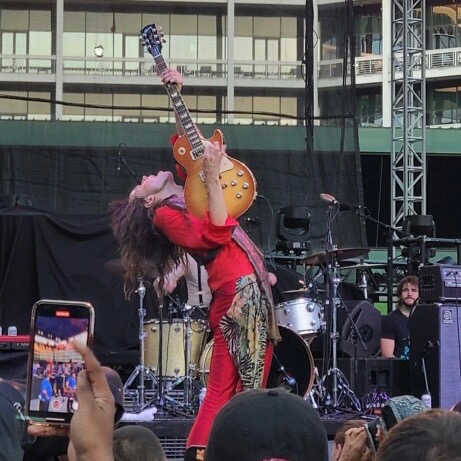
Wielding a powerful baritone husk, Hill’s videos would go on to reach all of the right corners of the Internet — most notably while promoting his 2023 single, ‘Look At The Time’. The track landed Number One on Spotify’s US Viral 50 in early 2024, indicating a significant breakthrough for the indie riser, who went from playing local bars in Fayetteville, Arkansas, as a teenager, to sharing stages with Yungblud during his IDOLS World Tour.
Hill’s trajectory can only be defined by a level of resourcefulness and authenticity that he learned to honor early on. “When I was growing up, I was kind of sheltered musically in terms of what I was allowed to listen to,” Hill explains, referencing his strict Pentecostal upbringing. “We were only allowed to listen to Christian radio, gospel music, and country music.”
Working within his limitations, Hill followed his interest in country music to Johnny Cash, who ultimately became a significant influence on him. While he didn’t come from a particularly musical household, Hill looked to play music whenever the opportunity presented itself; whether it be Mozart and Beethoven on a teaching keyboard at home, learning ukulele from a friend at school, or eventually picking up the guitar and joining his first band. He was just a freshman in high school playing with seniors, wearing the pride of passing his audition with ‘Stairway to Heaven’ on his sleeve.
Eventually, Hill’s first bandmates graduated and started to play more serious gigs. “I got an affidavit from my mom that allowed me to play bars around the Southern Midwest region, and kind of became the co-frontman of that band,” he reflects. But when COVID-19 hit, the band split up, and Hill set off on a solo path.
“It was very freeing,” he notes of his experience of going his own way. “When you’re sharing the artistic integrity of a project with someone else, it can be tough to agree on a bunch of things. Whereas now, I just do what I want to do, and whatever I think is cool.”
Leading with that freedom, Hill is mindful of following what comes from his heart rather than particular reference points, and is careful to avoid one-track categorisation of his sound. “I try to impress myself,” Hill says. “I try to write lyrics that feel important to me, say things I want to say, and play melodies that I would want to hear over and over again.”
Looking back at Heartbreak Hysteria, Hill feels that he’s said what he needs to say when it comes to heartbreak. The seven songs were described as Hill’s most personal work at the time, through which he unravels the complex emotional landscape of falling in love and desiring closeness just to watch it leave you, a core sentiment woven throughout Hill’s lyricism.
“I’m really proud of Heartbreak Hysteria, but I feel like a lot of those topics only went so deep, and some of them were a bit more surface level,” Hill admits. “I think about the things that I’ve been through, and my experience is not solely related to heartbreak. I feel like there’s a lot about me that people don’t know or understand, and I want people to know more.”
Hill reveals that opening up, sharing more about who he is and where he’s from, is the key focus of his upcoming work. It’s something that he feels he has to do, describing it as a “creative weight” of things he needs to get out. He’s already made a start with his cover of Johnny Cash’s ‘Folsom Prison Blues’, released back in November, inviting listeners to engage with a true full-circle moment.
“I’ve paid homage to him ever since I was a kid,” Hill says of the revered musician. “I started playing those shows when I was fifteen, and that cover has been in all of my sets. It always had a good reaction, and it felt like it was time to finally put it out.”
The process of recording the cover led to Hill meeting Cash’s son, John Carter Cash, and playing the guitar that was used when the song was originally recorded, positioning himself as a timeless bridge between generations — something that he also admires about Cash. “People like that, who just told the truth and made it rhyme, there’s always going to be an appeal for that,” he affirms.
It’s a standard that Hill holds himself to, and was able to witness in real-time while touring with Yungblud. Despite years of experience playing live, performing as a support act came as a new challenge, and Hill was happy to step up to the plate. “Walking into a room where nobody knows who you are, maybe they’re skeptical, maybe they’re cynical, that gives you a great opportunity to prove something. It’s like a little game I play,” he muses.
For Hill, playing the game has paid off. Now, thousands are watching. And he’s ready to show them exactly who he is.