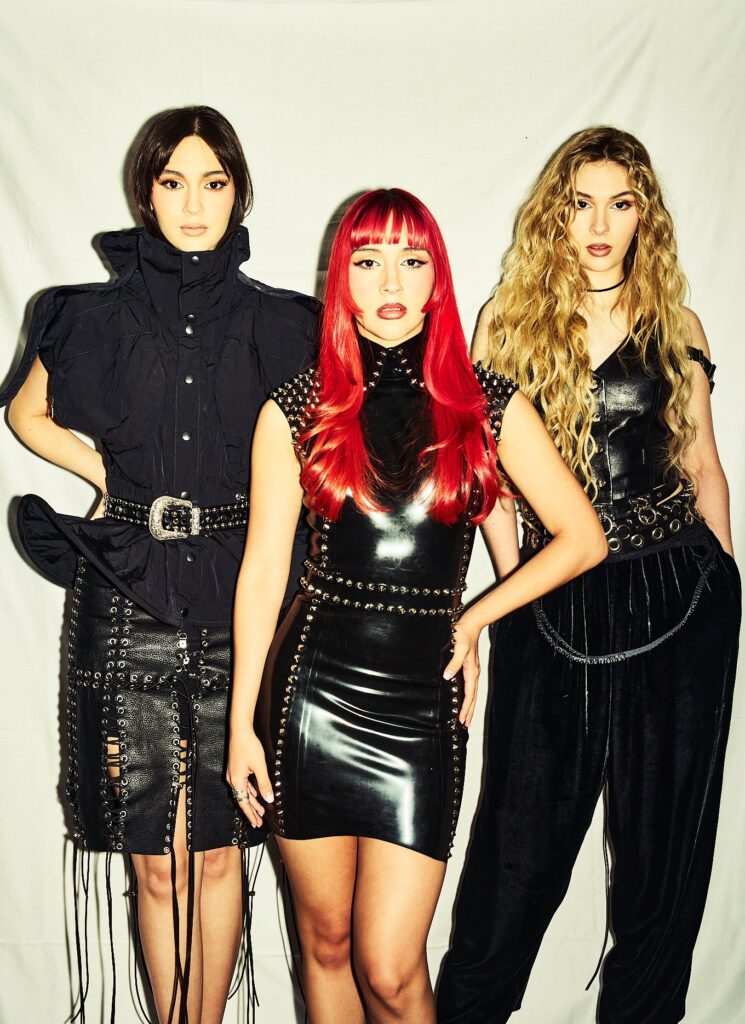
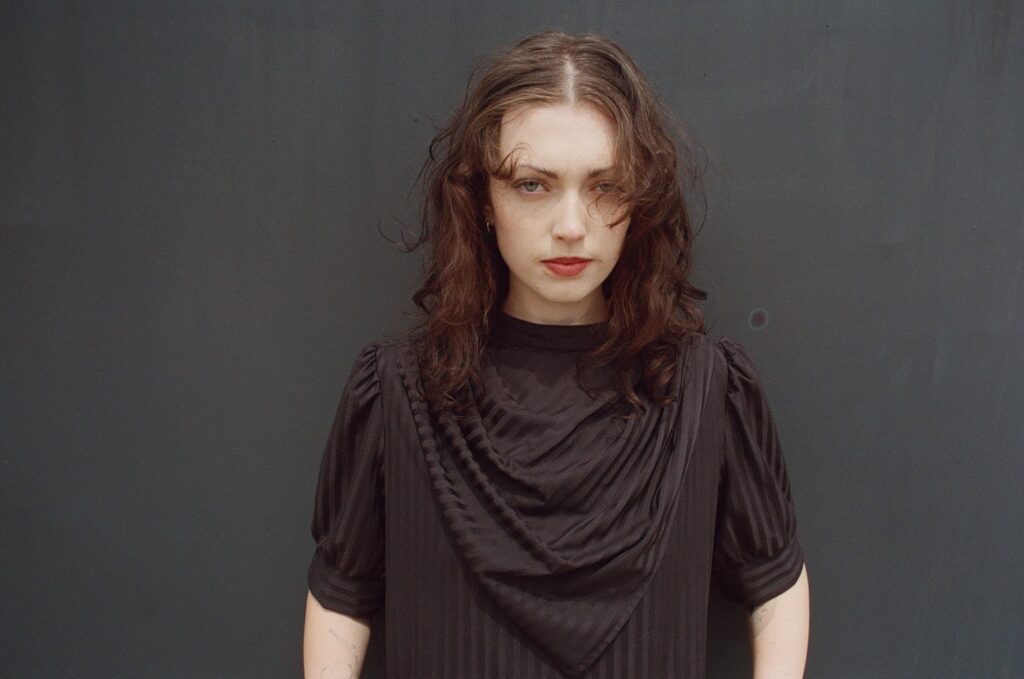
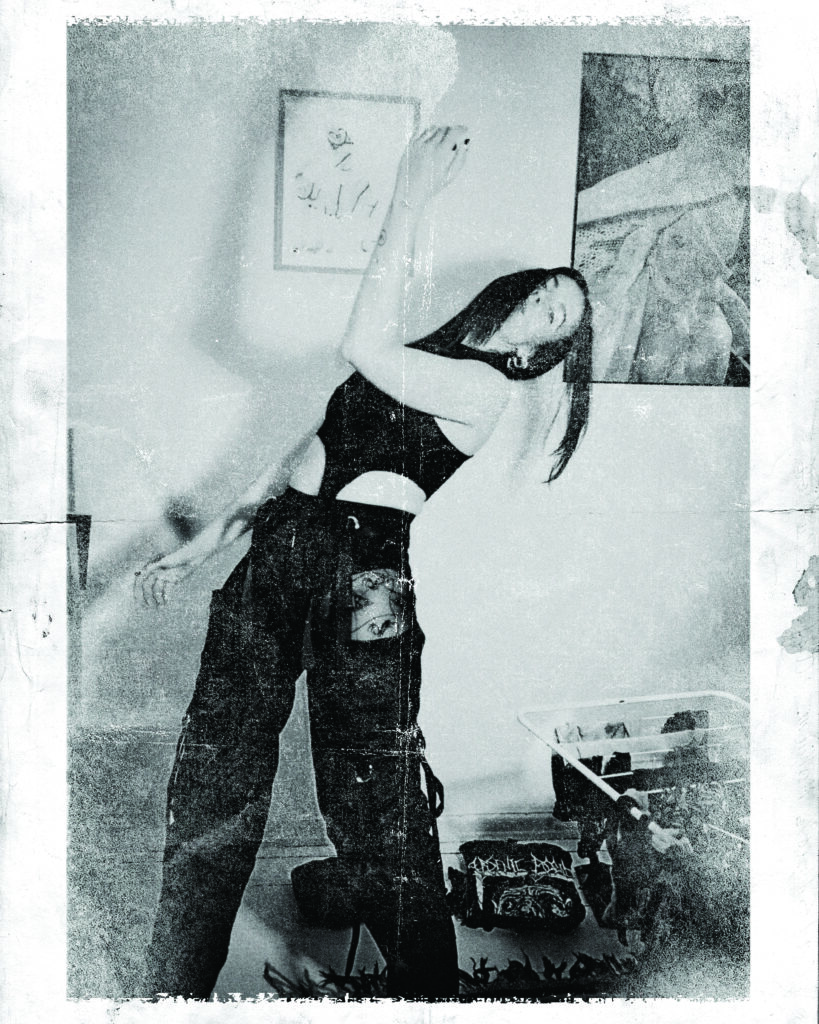
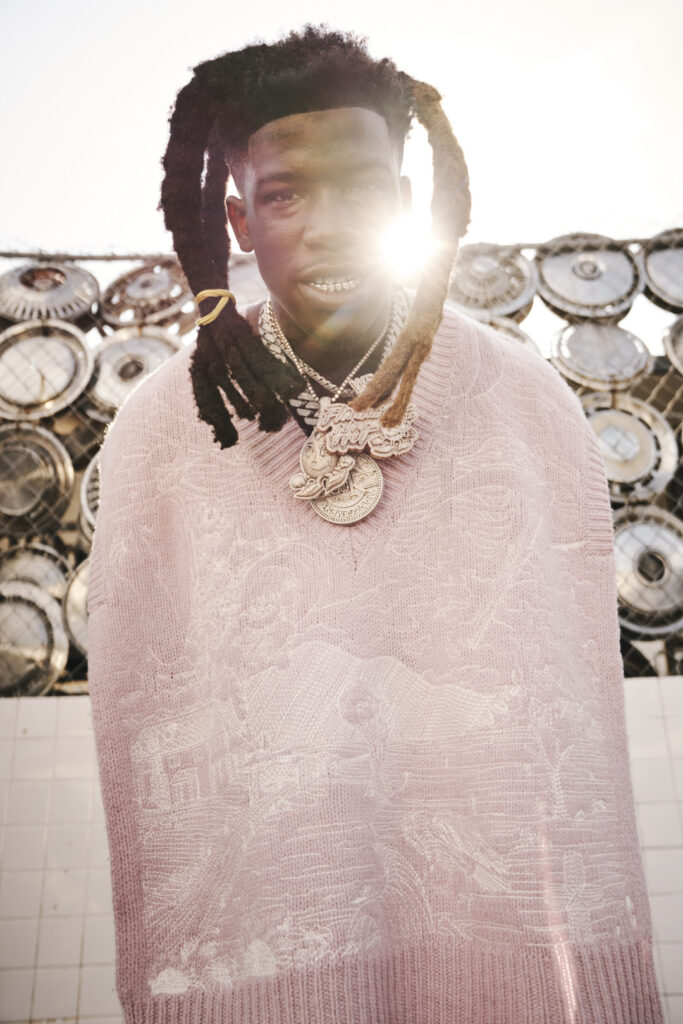
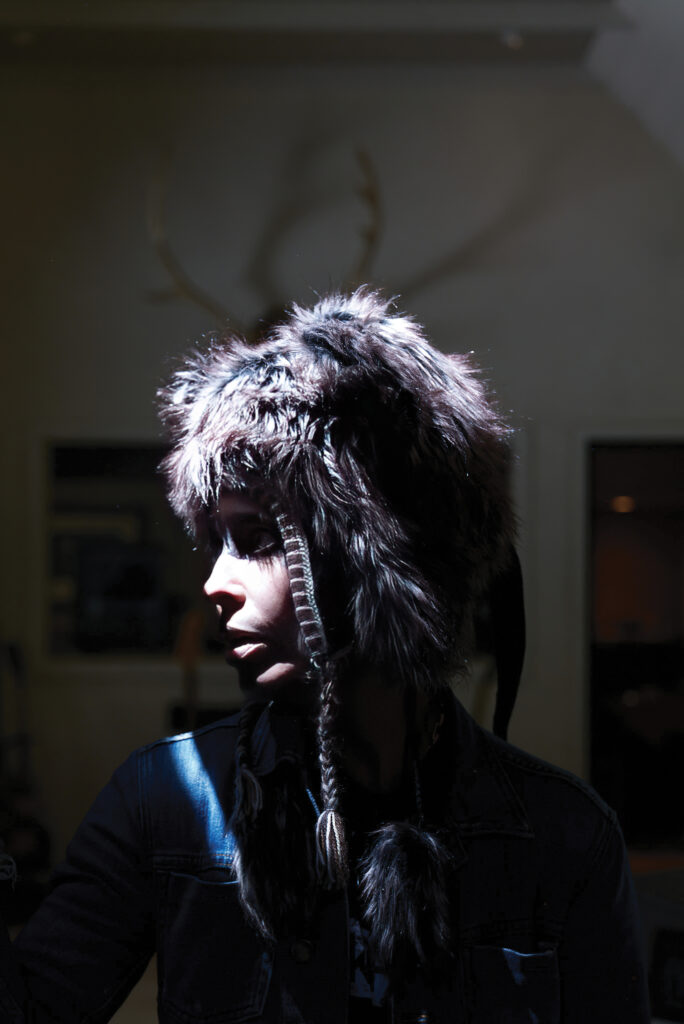
SOLYA REDEFINES WHAT IT MEANS TO BE THE QUEEN OF TEXAS
The dreampop-crooner
on transforming isolation, heart-
break, and small-town defiance
into cinematic glam-country myth-
making on her debut LP.
Words by Grace Robins-Somerville
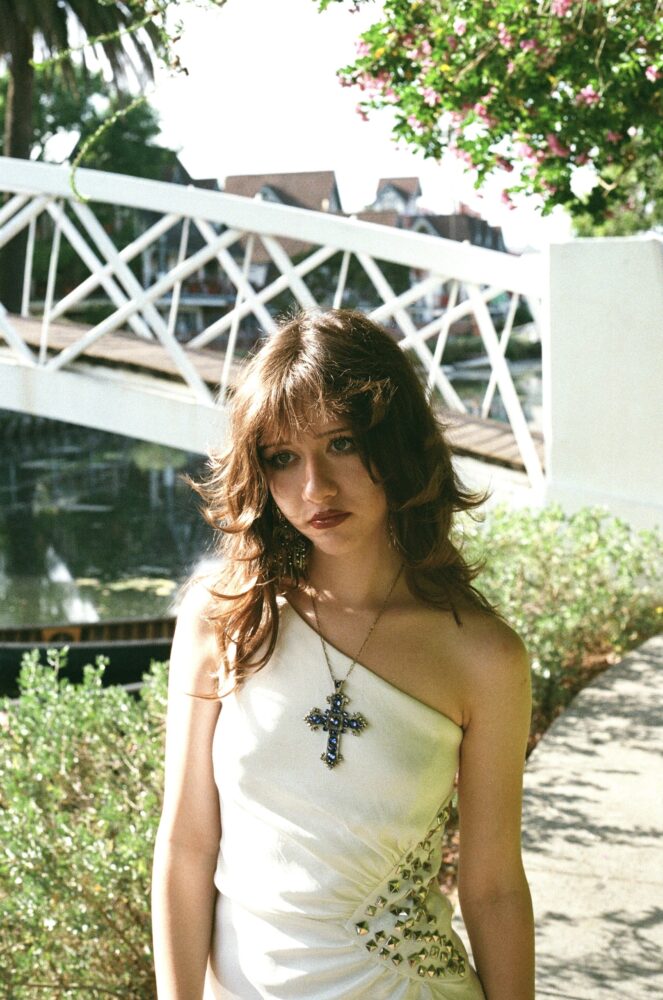
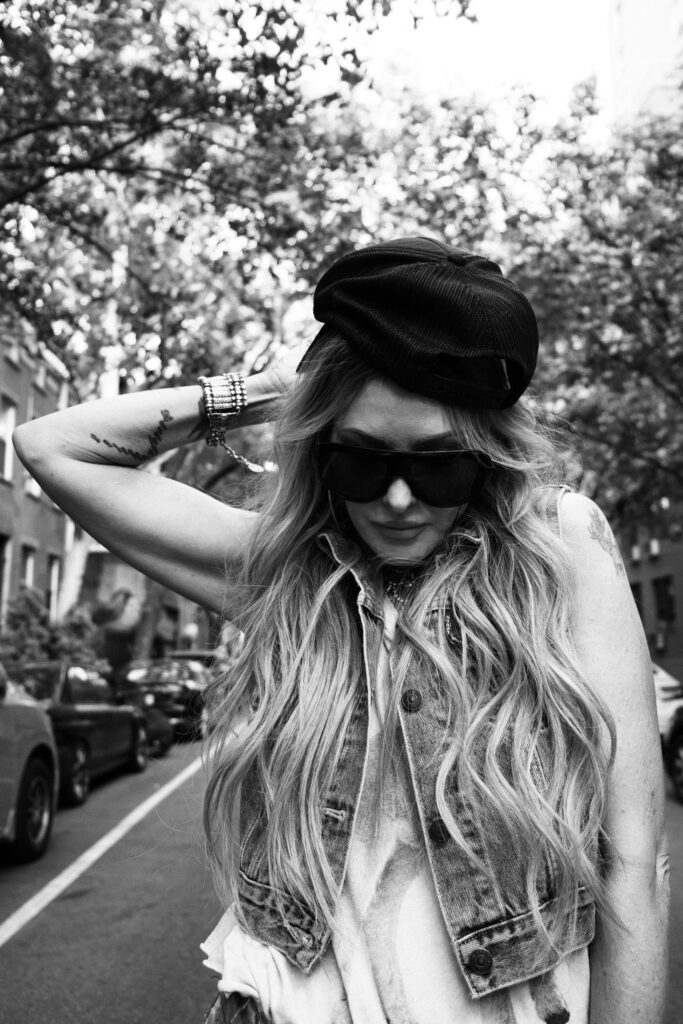
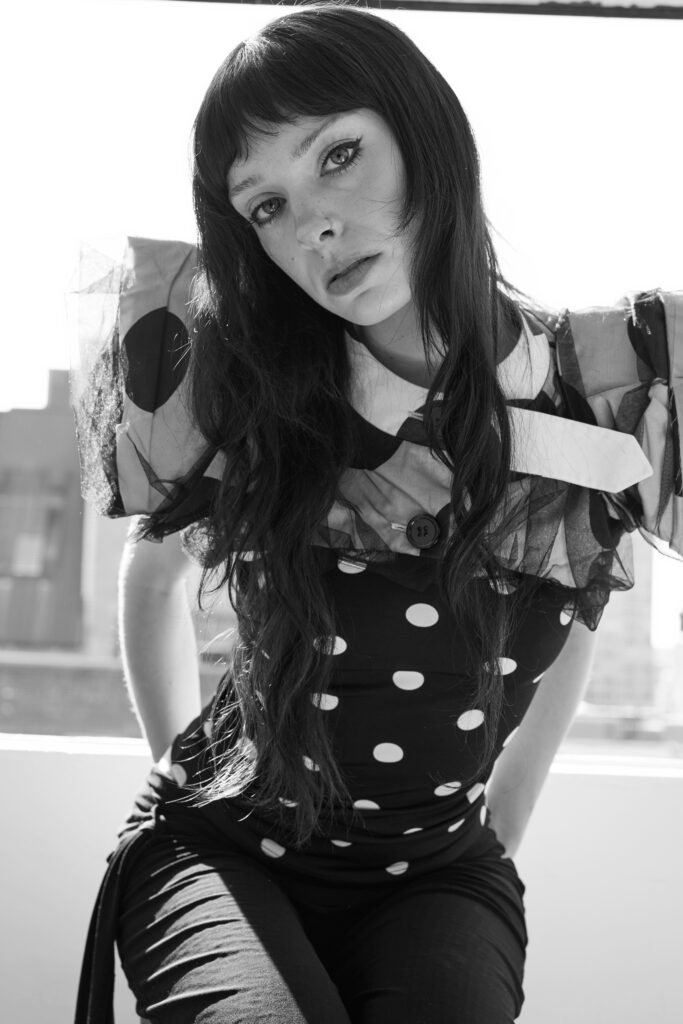
Captured by Emmy Bridgeman
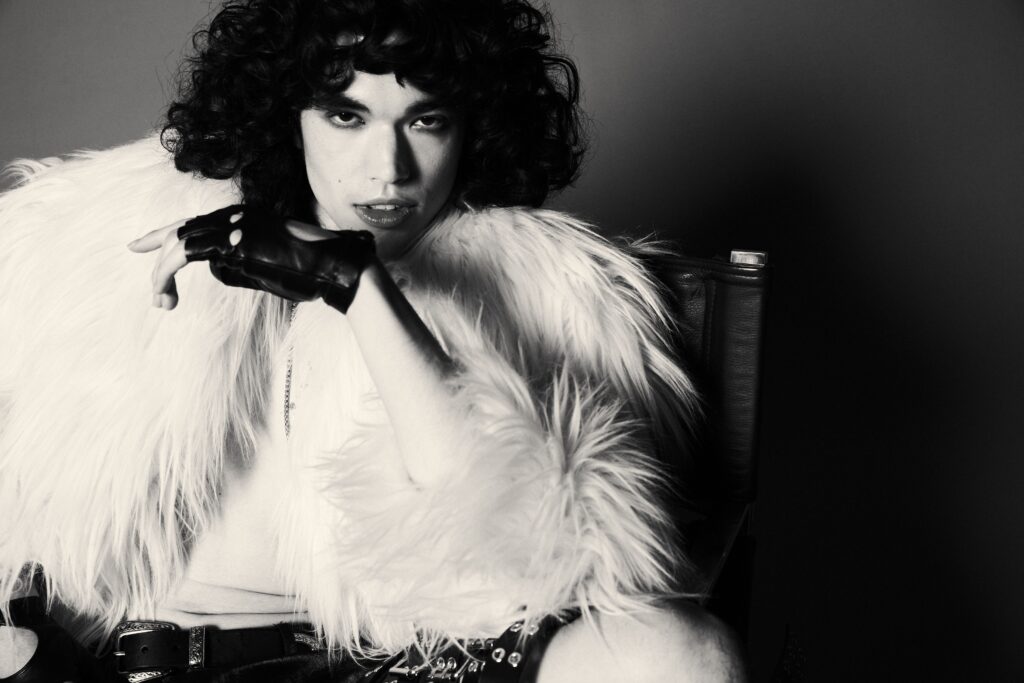
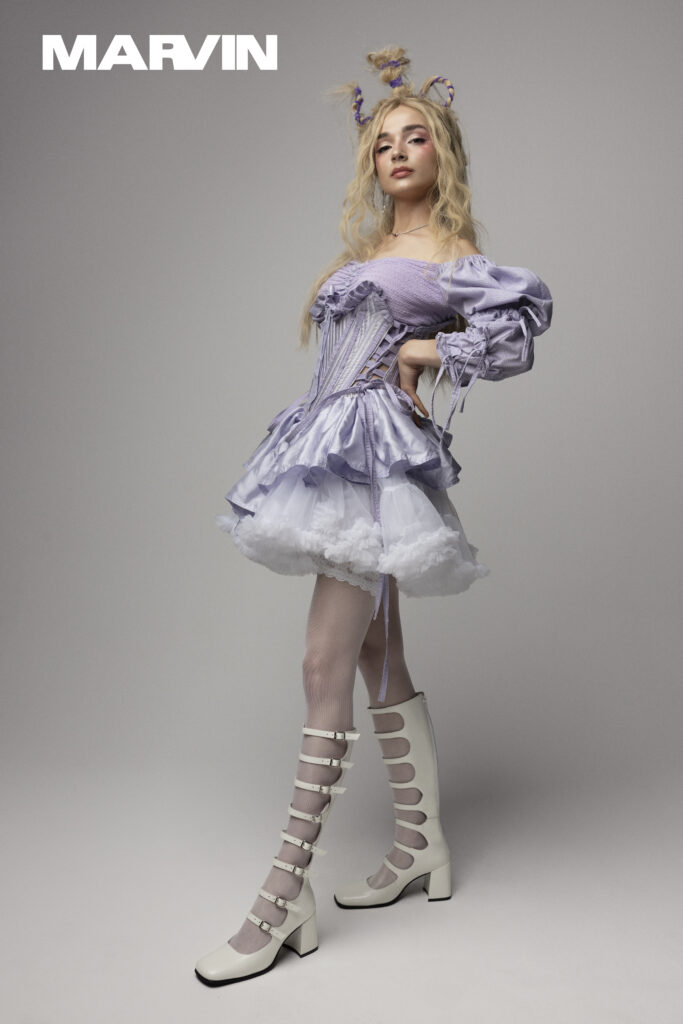
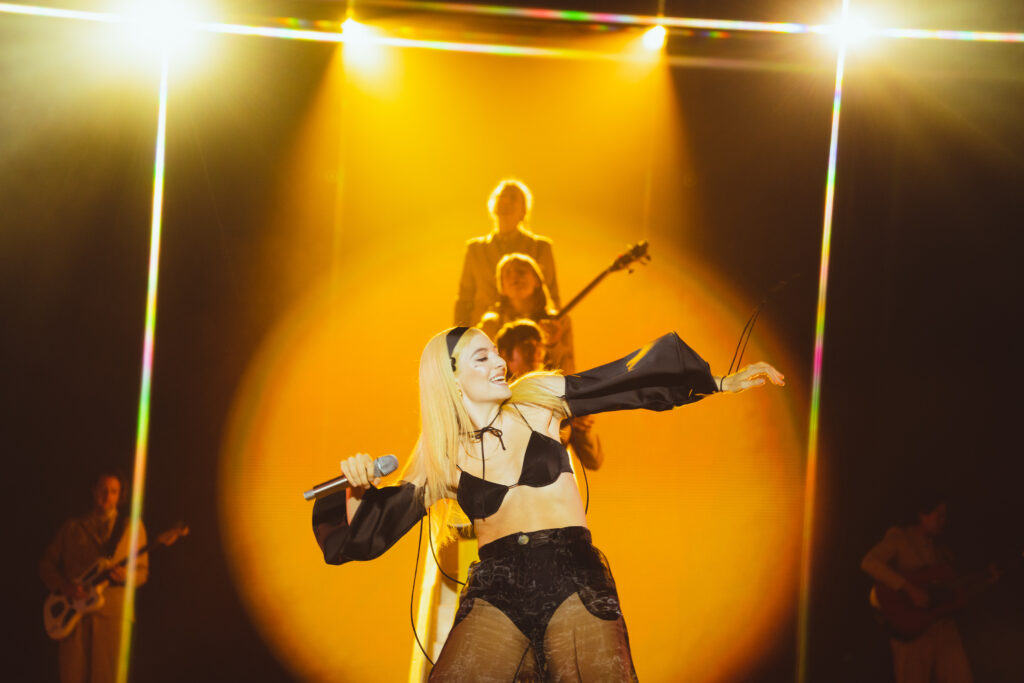
It’s lonely at the top, and no one knows that better than the self-crowned Queen of Texas.
On the title track of her debut album, dreampop-country crooner Solya juxtaposes beauty queen glamour with the isolation of being loved by all and truly known by none: “Rhinestone lady, satin baby / Sapphire necklace, Queen of Texas / Always alone / I mean nothing to you.”
Solitude is second nature to the nineteen-year-old singer-songwriter and West Texas lifer, and it’s best exemplified by the vast, sweeping plains of the state where everything’s bigger, specifically the state’s mostly-empty side.
Solya has lived in Abilene almost her whole life and can’t imagine living anywhere else.
“There’s a lot of pressure to move after you graduate from high school, but I didn’t really feel that,” she shares during our Zoom call. “I’m just doing my own thing.”
For Solya, not doing her own thing was never really an option.
Growing up in a largely conservative, Christian town, she often felt like an outsider and sought refuge in singing and writing music.
She estimates that she was “five or six” when she wrote her first song, which was about “all the fruits of the world and how they were all going extinct and how the scientists were going to find a way to bring them back. There’s a video of me and my little brother where we’re banging on these boxes and I’m just like, yelling fruit names.”
Since then, she’s moved on from produce-based songwriter, preferring to channel her dark, earthy drawl into cinematic glam-country ballads of longing and lost love.
She weeps over “torn-up letters” on ‘Iris’ and turns the word “baby” into a multiple-syllable wail on ‘Tell Me It’s Over.’ She uses Mellotron-inflected synths to make ‘Movie Star’ sound out like the soundtrack to a 1940s Western film. On ‘19,’ she warns, “Don’t hold me down, I’m wild and Southern!”
High drama makes sense to Solya, an artist raised on glam rock gods like Marc Bolan and David Bowie, and who realized the potential of her own gravelly, deep-beyond-her-years voice through Patsy Cline’s influence.
Solya’s debut LP, Queen of Texas, was written during a particularly intense four-month period when she was just eighteen years old, reeling from a painful breakup, a car crash, and social and academic struggles at her high school.
At seventeen, Solya transferred to an alternative school, where she graduated early, signed to Version III Records, and set off on a co-headlining tour with Baby Bugs.
Her path is an unconventional one, but Solya’s convictions are strong, and she’s never doubted her choice to strike out on her own.
She credits her parents with throwing their full support behind her and helping her navigate the music industry:
“I never did very well in school, I never did too well at much else, so they saw like, ‘This is what she’s capable of doing, we’re going to completely put everything into supporting her.’”
Solya is young, but she’s not naive.
She knows how exploitative the music business can be and is grateful to have the right people in her corner to consult with.
“I consider myself extremely lucky, because I’ve had my parents protecting me the whole time,” she explains. “I’ve never signed a bad deal. I’ve been looked after and I’ve been surrounded by people that do care about me.”
I ask about her community back in Abilene, what the music scene is back there; she replies that there isn’t one.
Instead of a lack, she’s seen this as an opportunity to write her own rules:
“I’ve had to create my own world and make my own magic here because there wasn’t really anything to go off of.”
Her songs of love and heartbreak explore the added complexities of being an openly queer young woman against the backdrop of the American South.
She’s used to her outsider status and wears it as a badge of pride, and outside of her home state, she feels some obligation to disrupt the misconceptions people have about the place she comes from.
“They think that everyone here is really conservative and rides around on a horse,” she laughs. “I mean, I ride around on a horse, but I also ride around in my car.”
Queen of Texas is a portrait of an admirably self-possessed young artist whose vulnerability is braided into her resilience, and whose imagination is as vast as the sky that stretches over the Lone Star State.
The goal of capturing the beauty and melancholy of her home state on the record?
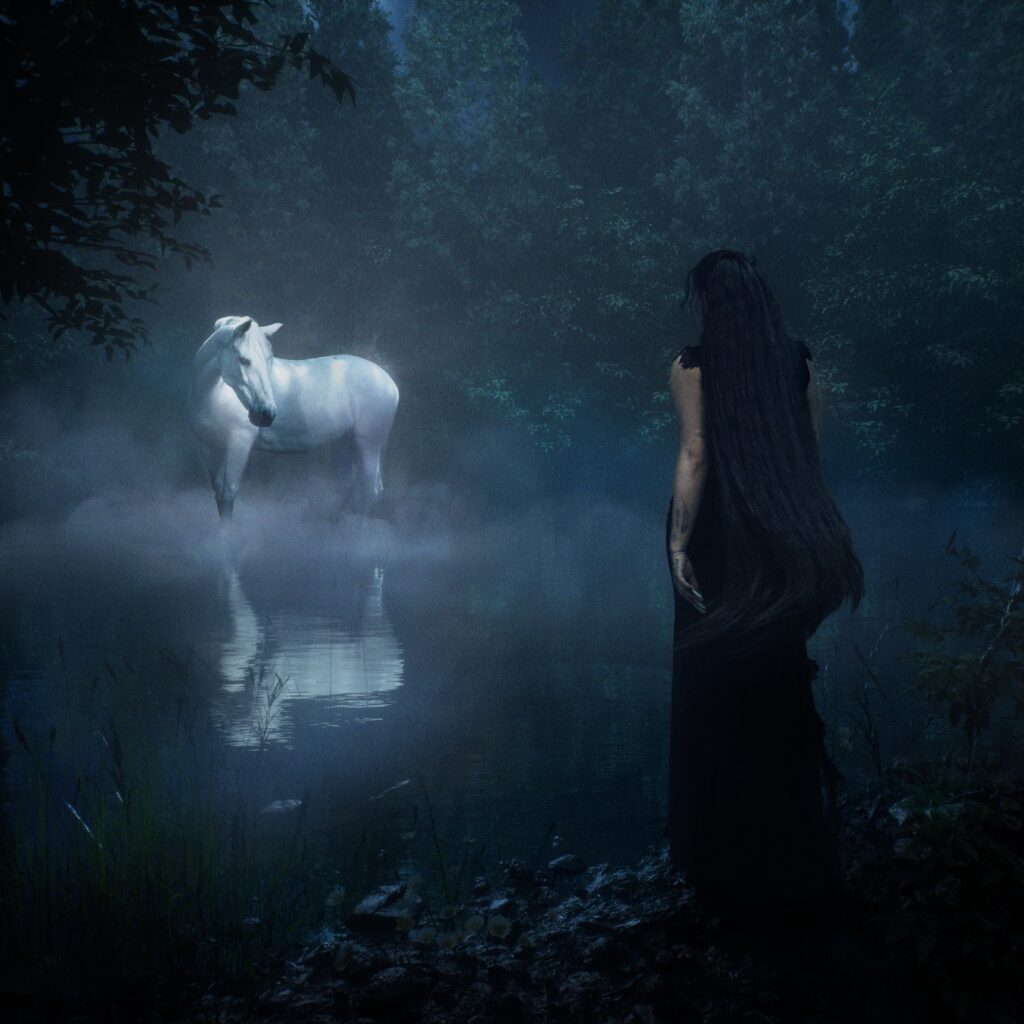
“Make it true but make it magical. Make it real raw and gritty, but add rhinestones and swans and magic. That’s how I view Texas.”