ICEAGE: CHAOS, GRIT & GLORY
Danish rockers
Iceage channel
two decades of intensity
into their rawest, most unfiltered record yet.
Words by David Glickman
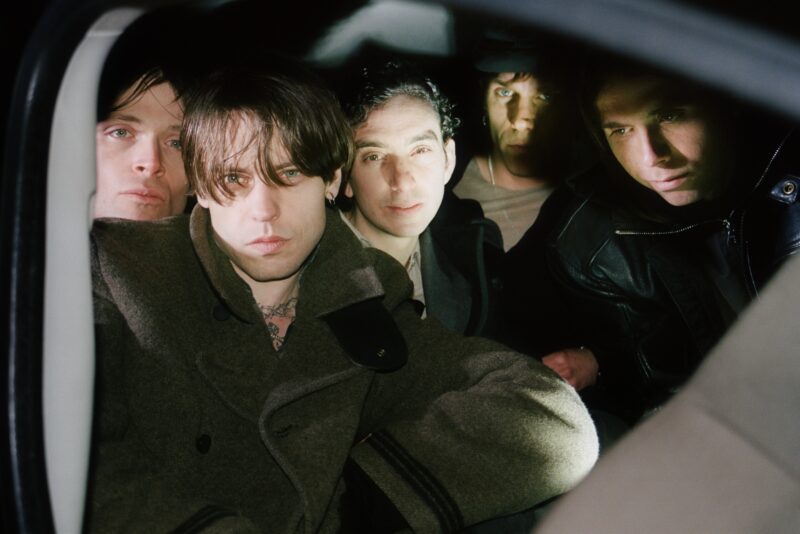
Photos by Alva Le Febvre
“I think I had moments in the last five years where I was contemplating if we could make records again,” Johan Wieth, the guitarist of Iceage, tells me nonchalantly over Zoom. Casually clad in a black hoodie in a room in Copenhagen, I’m caught off guard and try to hide my surprise.
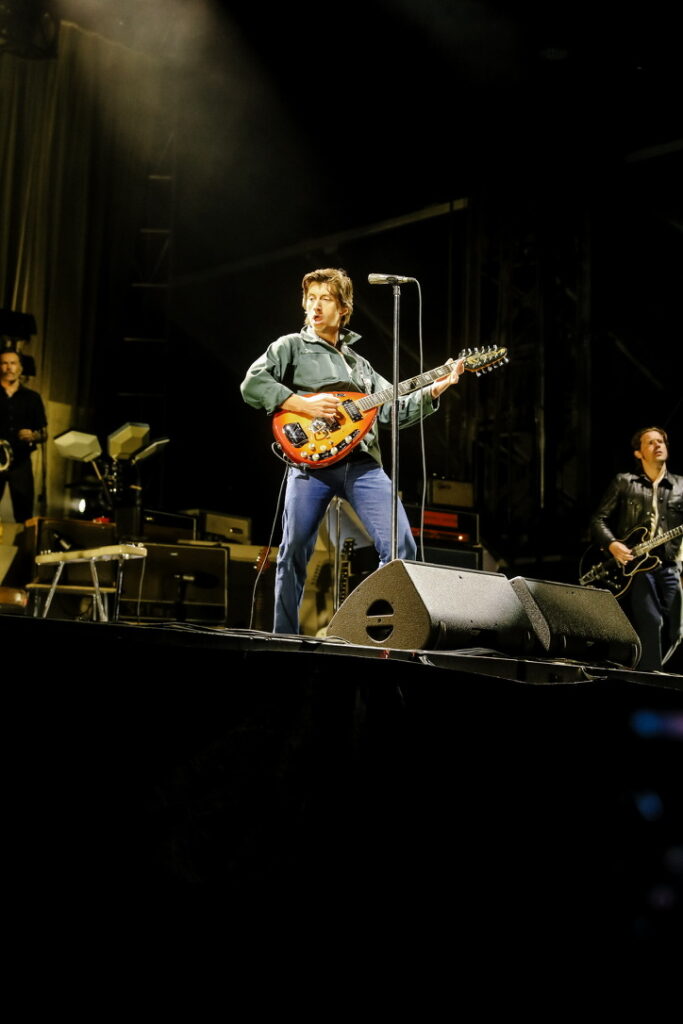
For nearly the past twenty years, Denmark’s Iceage have been behind some of the most visceral, intense, and glorious rock music around. Starting with the hardcore tinged New Brigade in 2011 – released when the band members were all still in high school – the band would quickly fold in more complex influences: The Pogues, Leonard Cohen, Jean Genet, and Georges Bataille. By 2018, VICE had declared them “The greatest rock and roll band in the world,” and the remark is as hyperbolic as it is accurate. That they might stop existing is horrifying.
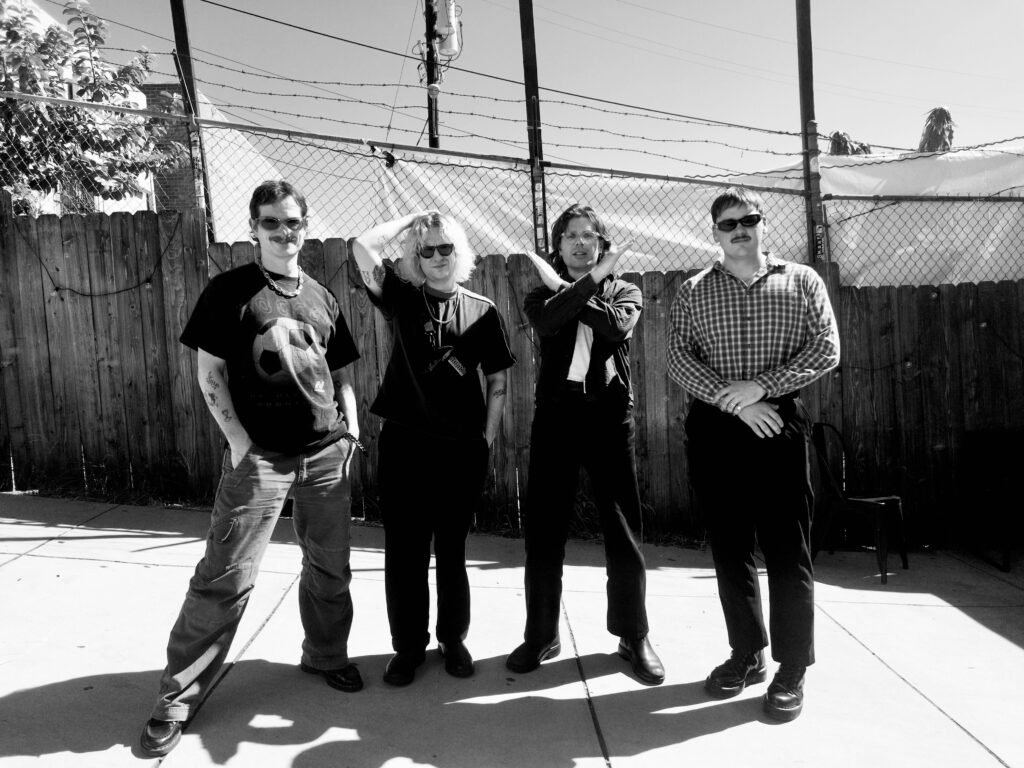
Thankfully, that is far from the case. The Scandinavian rockers are set to release their sixth album, For Love of Grace & the Herafter, later this summer. Compared to 2021’s Seek Shelter, where the band seemed to be reaching their grandest possible form, layering horns and gospel choirs onto their romanticized post punk, their latest album finds the band exploring what the five bandmates can craft just by themselves.
The result is their most ragged and in-your-face project in more than a decade. From the first surge of opener ‘Ember’, its country shuffle snapping into overdrive, it’s clear the band has returned to the chaotic, manic energy that once fueled them. From the razor-sharp riffs of lead single ‘Star’ to the pulsing bass on ‘No Fear’ to the disorienting, collapsing beat of ‘Tender Blades’, the album barrels forward like a freight train of intensity, joy and disgust, tearing through the mess of the modern world.
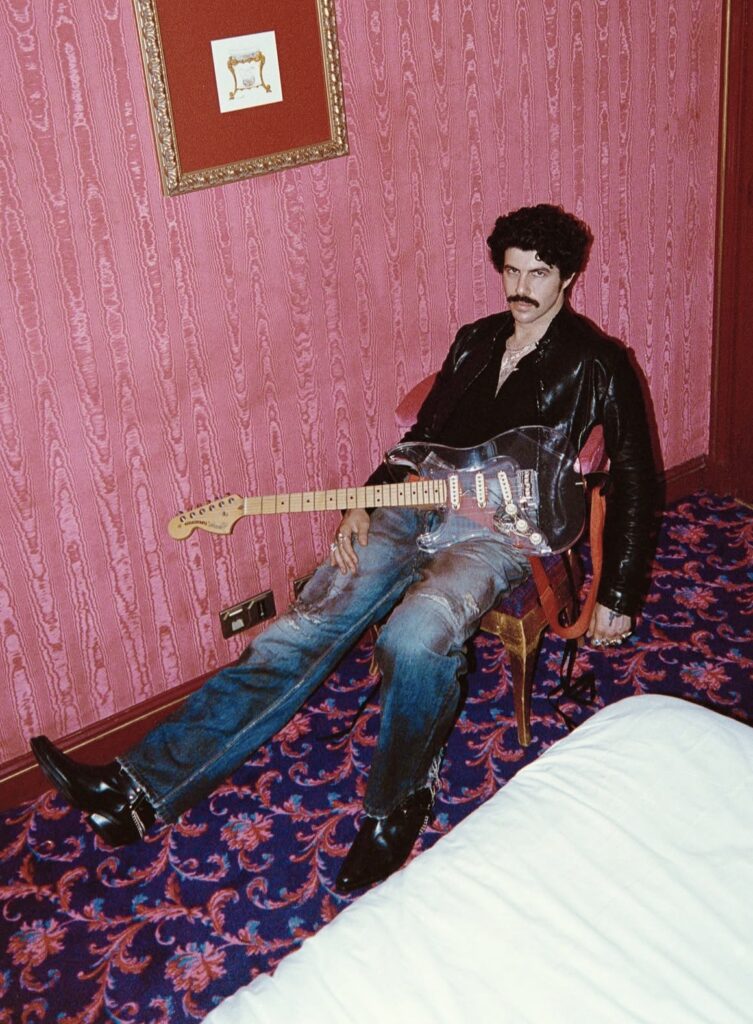
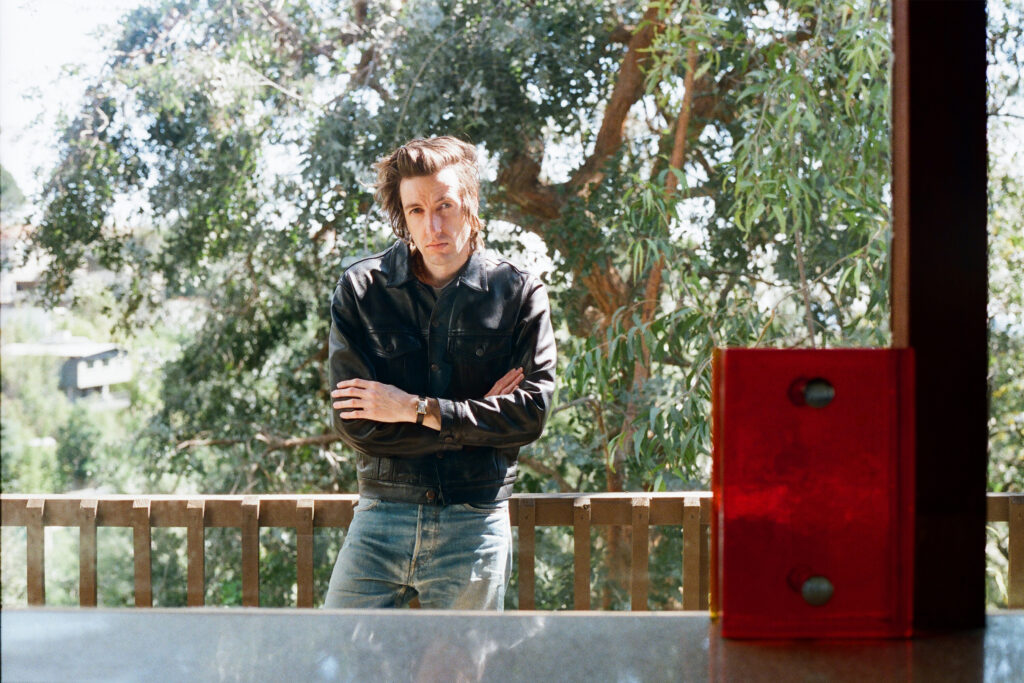
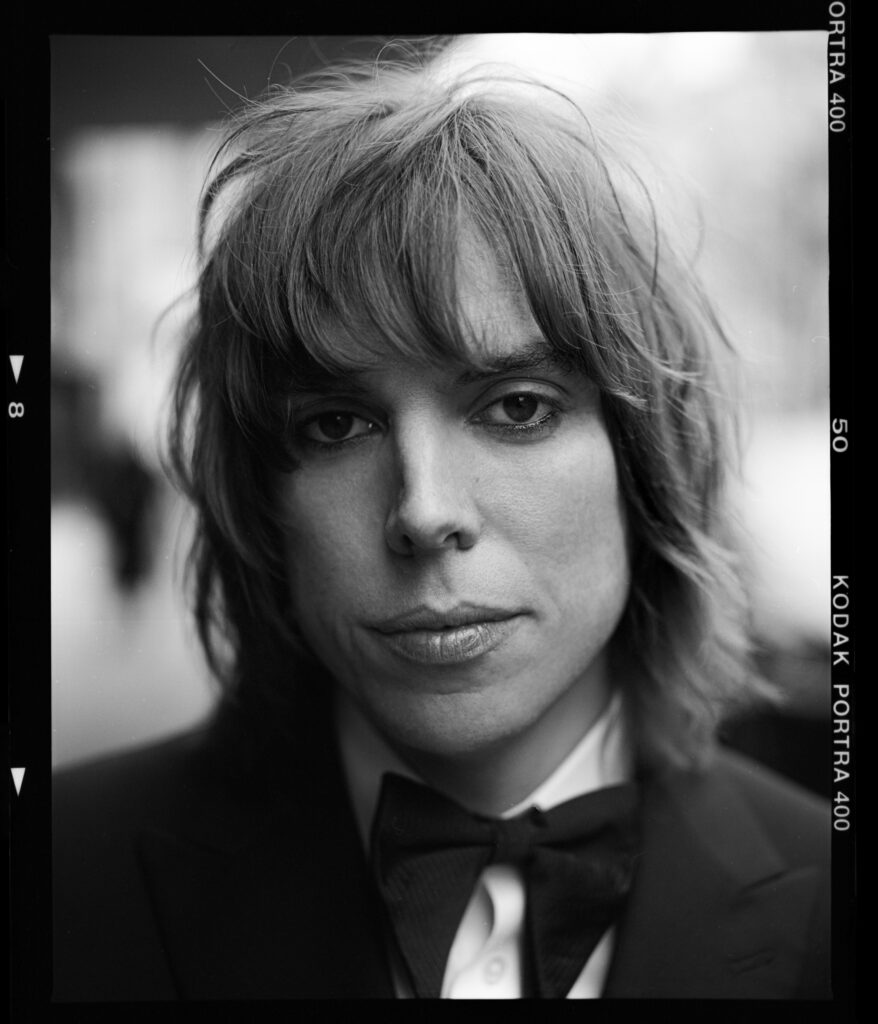
“It was a completely known thing that we wanted to make something that was extremely raw. No unnecessary baggage,” frontmanElias Rønnenfelt shares over Zoom, while holding a crisp glass of white wine in his hand. “Just very raw music that didn’t waste a second, no dull moments.”
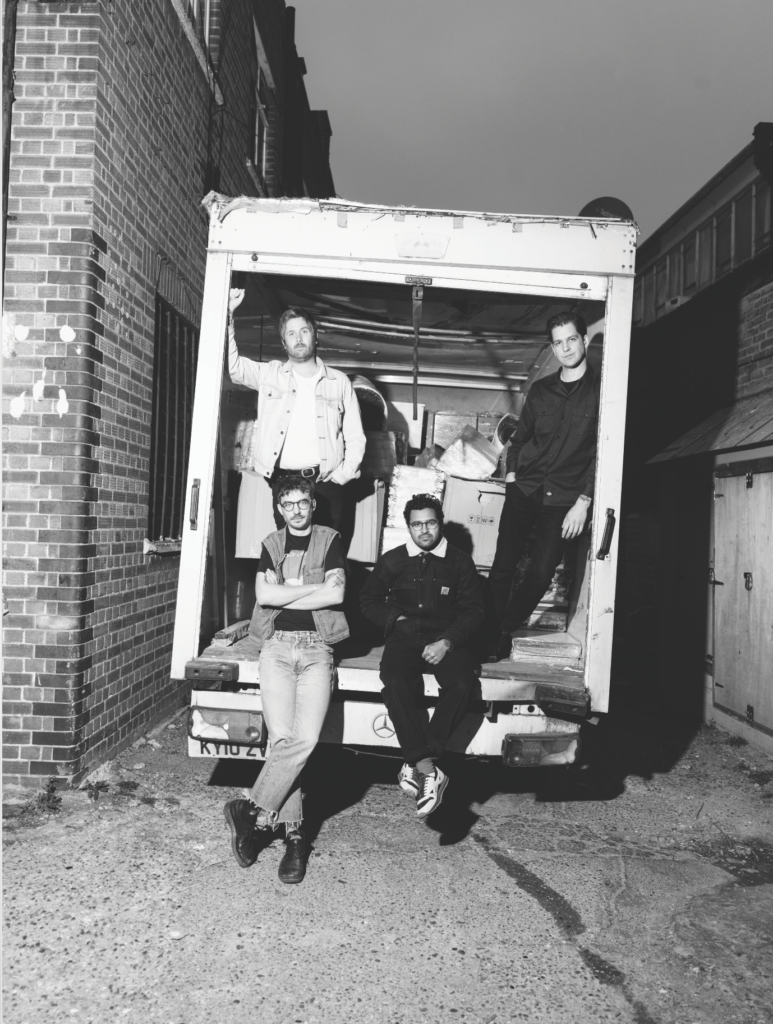
The brooding and perpetually roguish frontman is surprisingly open about the long journey the band took to get here, despite the band’s reputation as hard interviewees. “We really wanted to make this in the purest sense a band record. It’s not about building worlds with overdubs, it’s about what happens in a room with the five of us.”
When I point out how much fun the band seems to be having – and wonder if it’s meant to puncture the mystique that often coats their records – they demur.“It’s always been serious and not that serious,” Rønnenfelt offers diplomatically. “We can be greatly ironic people, but it’s not ironic music.”
During the gap between albums, Rønnenfelt released a couple of solo albums,the first taking the form of an outlaw troubadour on 2024’s Heavy Glory and then as a murky pop experimentalist on 2025’s Speak Daggers.
Both seemed like necessary endeavors. A few times during the interview, Rønnenfelt and Wieth allude to a need to grow, to become something more, before setting off to create For the Grace.“I think I personally had to grind myself down, a long-winded marathon of self-destruction, and sort of put an end to that in order to rebirth myself a little bit and have an energy that felt exciting,” Rønnenfelt admits. Though he never fully dived into what the circumstances were, clearly the echo of what happened remains. “Sometimes life will move very quickly, and sometimes the direction takes a minute to present itself,” he offers.
Regardless, Iceage’s re-emergence has crystallized the fact that they truly are one of the most incredible bands of the moment. When asked if they still think guitar music and rock bands have a place in 2026, it’s the only moment their responses betray a flicker of annoyance. “I just heard that rock music is coming back this year,” Rønnenfelt responds, his voice dripping with sarcasm. It does feel warranted.
After years of recording and touring to ever-growing crowds, they’ve come to embody the very thing critics keep declaring dead. For Love of Grace & the Hereafter is as visceral and electrifying as their influences, showing why Iceage remain a compelling and vital force in contemporary rock.
For now, though, the band is simply content to continue, reunited as brothers-in-arms as they’ve been since their teenage years, making music like they always have. “Don’t think too much about what this is about and just [focus on] what feels…good,” Rønnenfelt says near the end of the interview. He’s talking about writing songs, but it could just as easily sum up the band’s ethos in miniature. Here’s hoping they never stray from it.