BRING ME THE HORIZON: TWENTY YEARS OF COUNT YOUR BLESSINGS
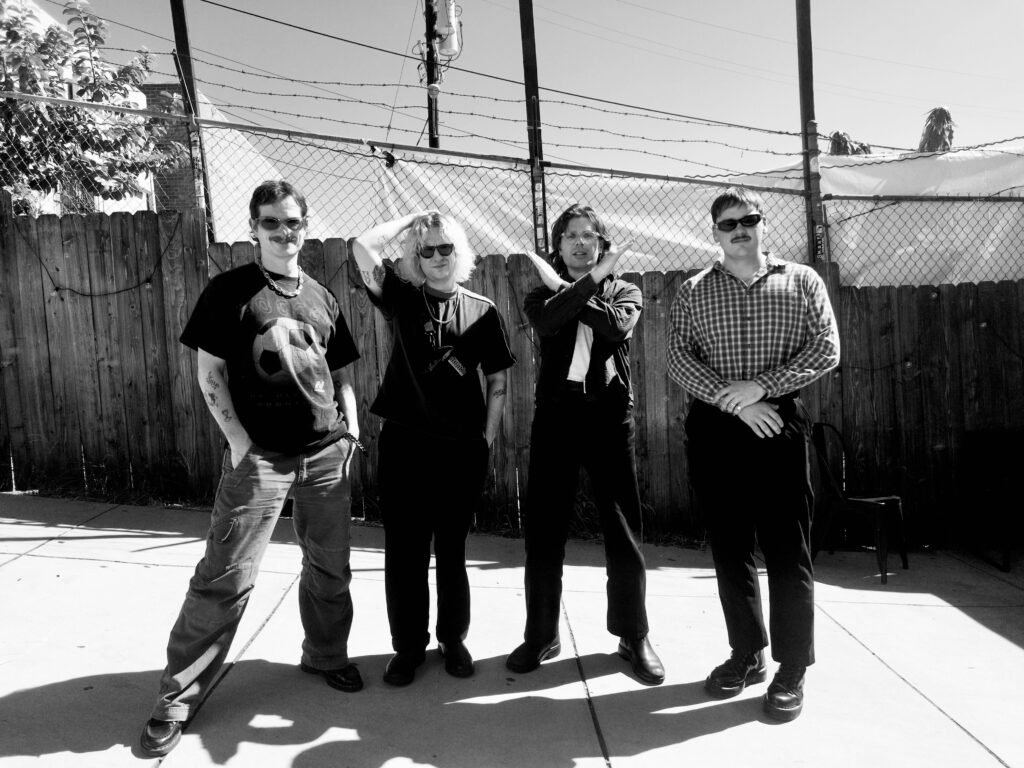
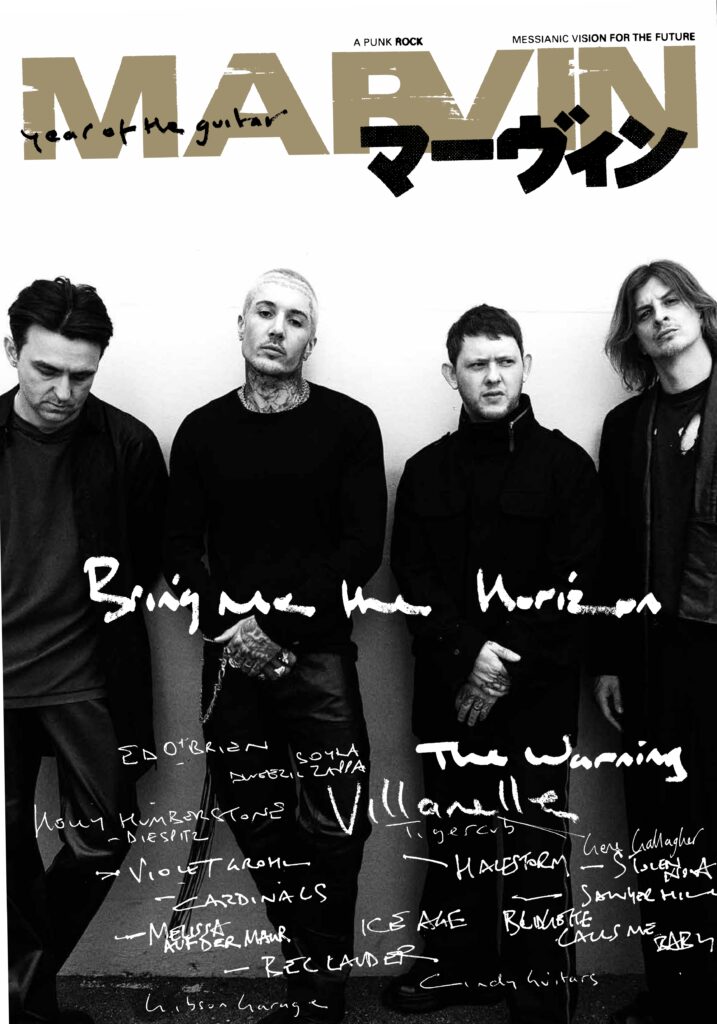
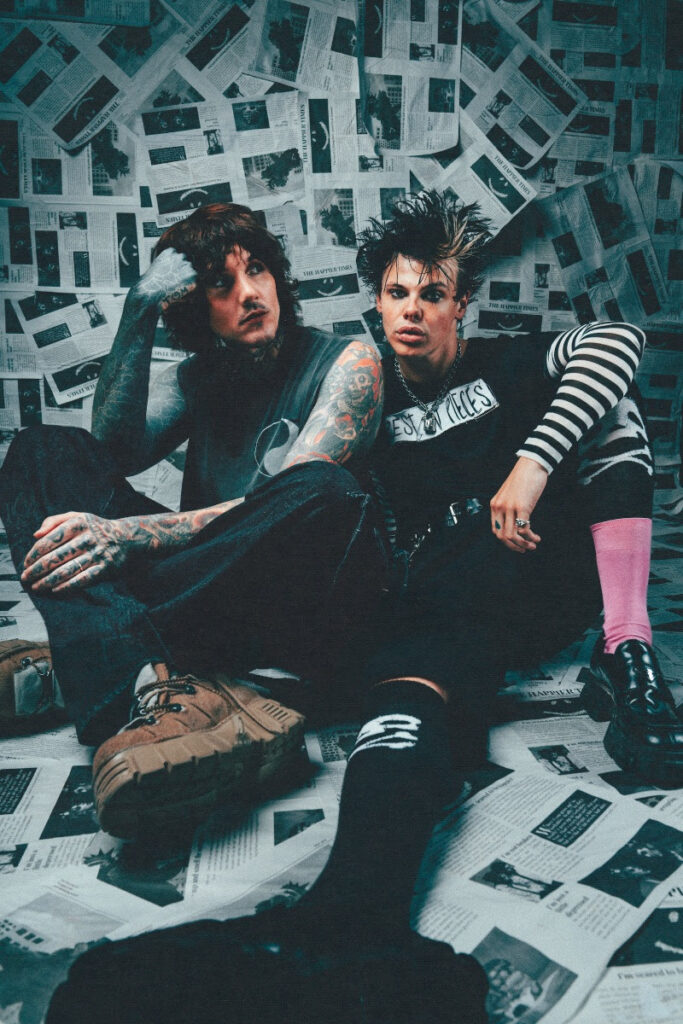
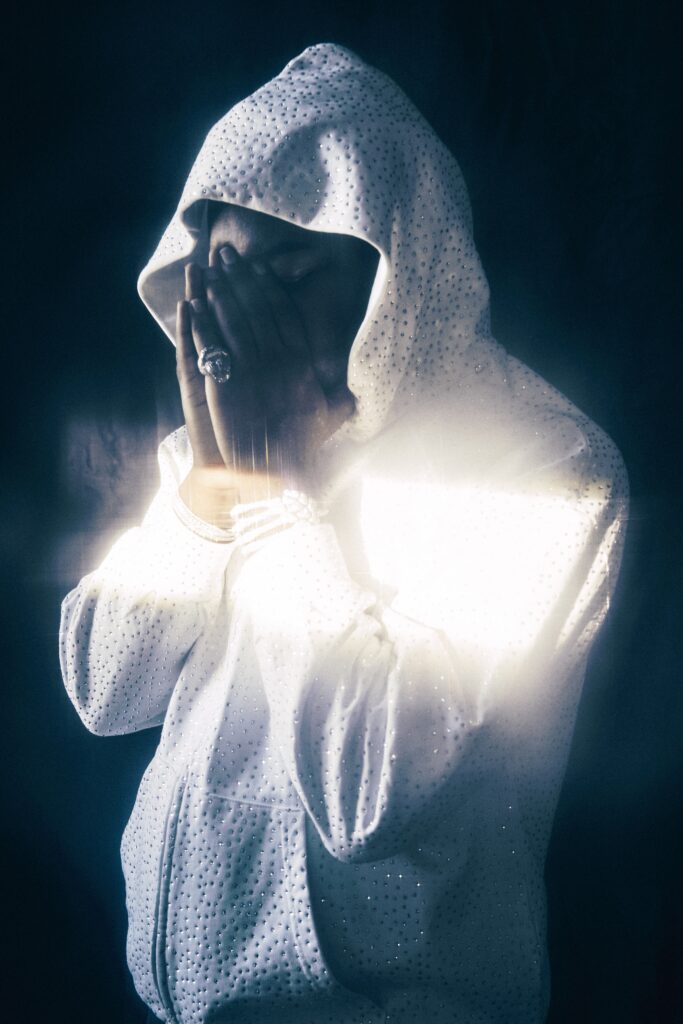
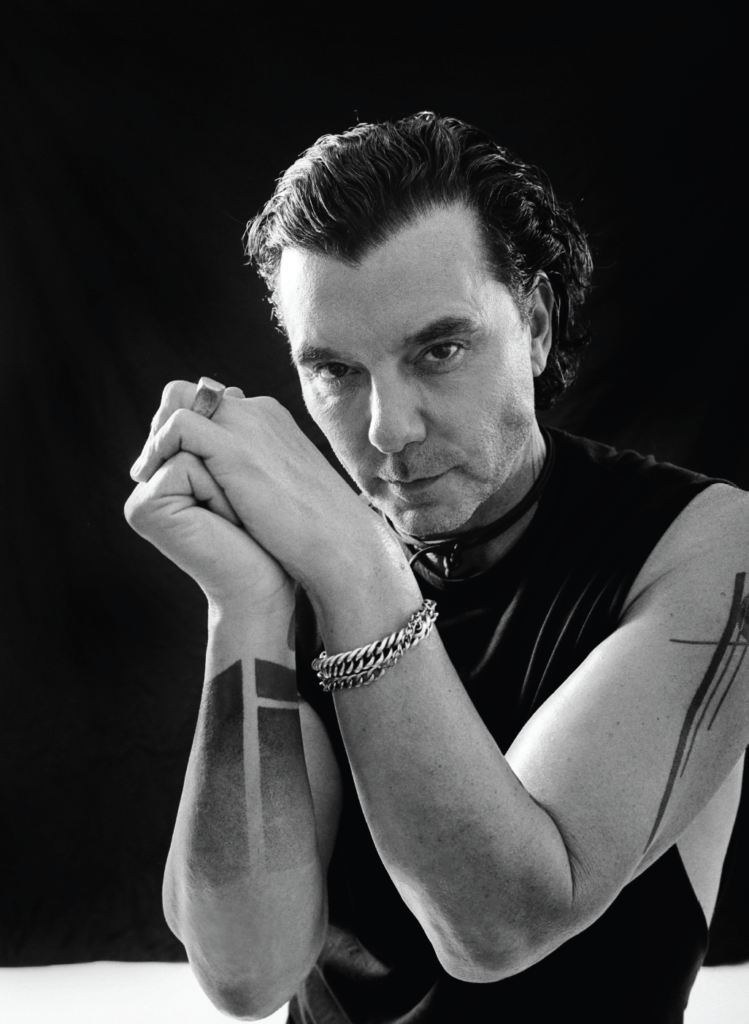
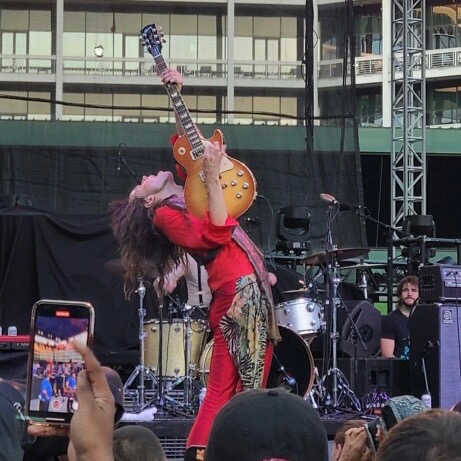
Frontman Oli Sykes
revisits the band’s scrappy, death-
core debut Count Your Blessings
ahead of its re-recorded 20th
anniversary edition.
Words by Daniel Kohn
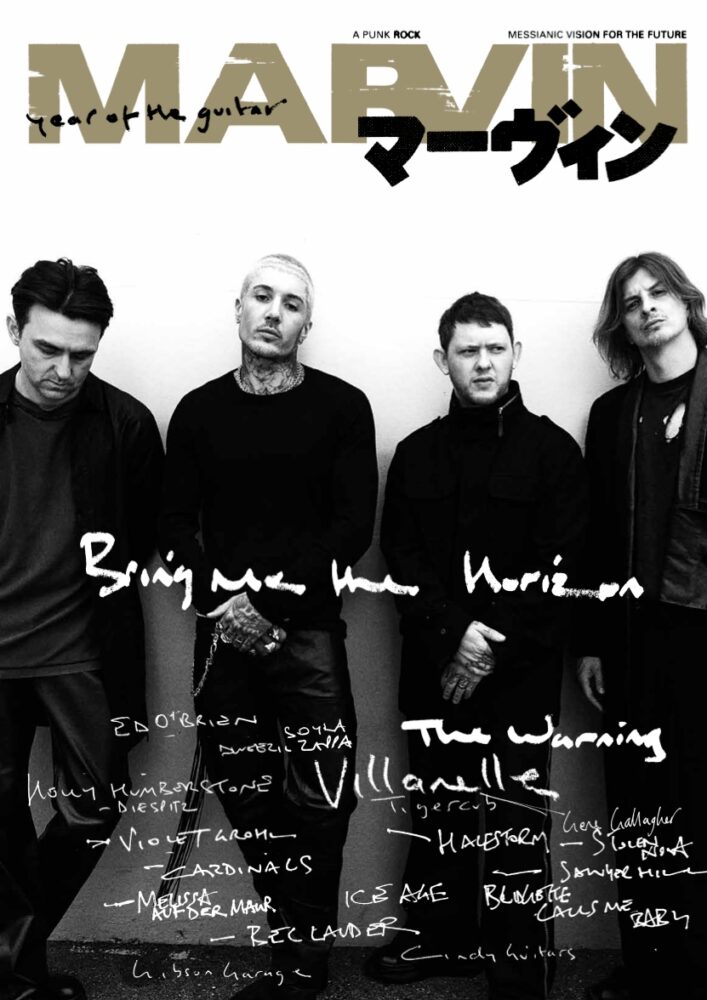
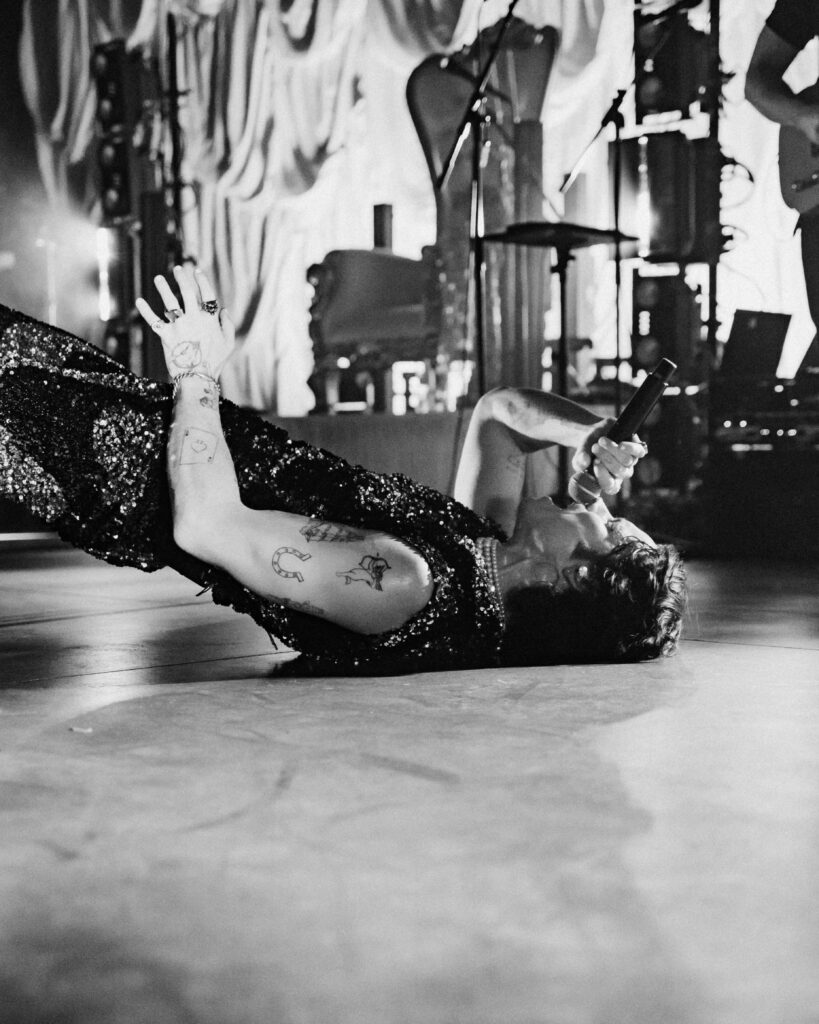
Captured by Phil Knott
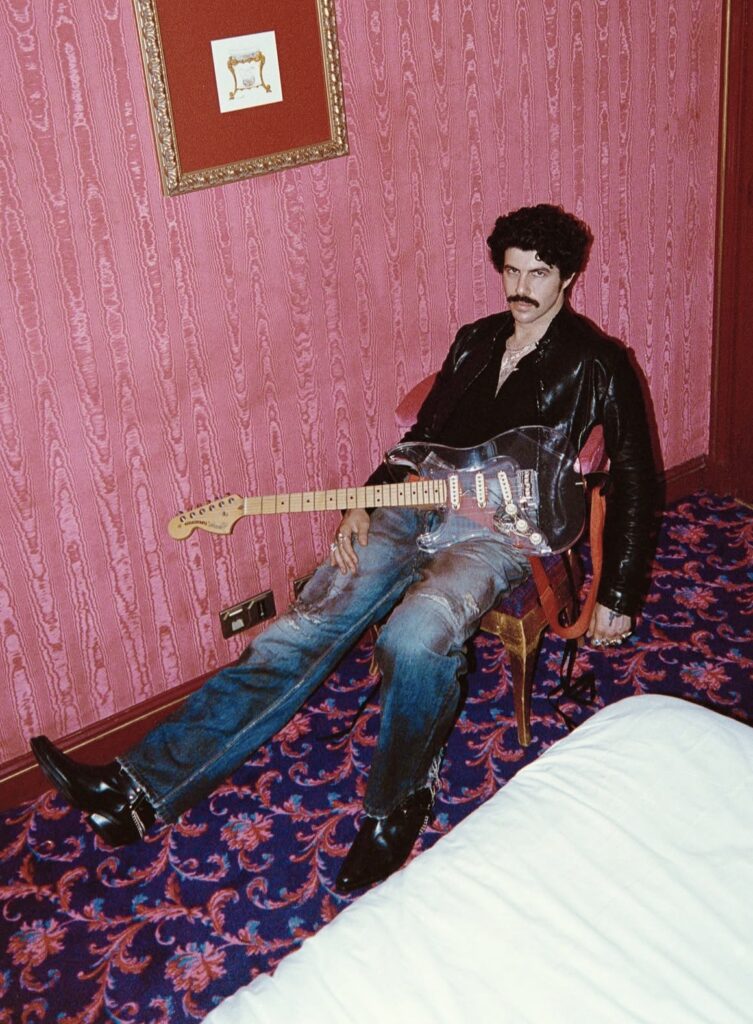
Oli Sykes can’t help but marvel. Sitting in a Los Angeles hotel room, the morning of the first night of Bring Me the Horizon’s first show of 2026, he smiles at the thought that the band’s debut album, Count Your Blessings, is on the cusp of turning 20. At the time, he and his bandmates wanted to make an album as heavy as possible, reflecting their love of deathcore.
Prior to that, in October 2004, Bring Me the Horizon released their debut EP, This Is What the Edge of Your Seat Was Made For, which put the band on music listeners’ radar with its heavy sound. With Count Your Blessings, the then-teenagers did, at that formative time in their careers, release a body of work unlike anything that was to come for them.
Calling it a “heavy-for-the-sake-of-being-heavy” record, LP was a hit among fans. In the process, Bring Me the Horizon became one of the most-streamed bands in Myspace’s history.
Yet, looking back at Count Your Blessings, Sykes has mixed feelings about the album. “It’s less about that we’re embarrassed about it, or we don’t like it, or anything like that,” Sykes says. “We’ve progressed so much and changed so much that it feels like a completely different band to us.”
What he also acknowledges is that the record set the tone for how Bring Me the Horizon would view its career going forward. Even with the success among fans, the album’s middling reviews from press outlets such as Kerrang! didn’t sit well.
“When we started out, every [critic ] was against us,” Sykes says. “Now, we’ve got this underdog mentality where it doesn’t matter how big we get, we don’t see ourselves as a big band.”
Bring Me the Horizon weren’t thinking long-term with Count Your Blessings. Instead, they were hoping just to have fun, but it turned out better than they anticipated, with the band touring America and Europe to promote it. With that in mind, Bring Me The Horizon has distanced itself from the album. Sykes calls it “derivative,” saying that it wears its influences, like death metal outfits Cannibal Corpse and Suffocation, pretty clearly. Aside from its sound, Count Your Blessings laid the foundation for the popularity that would come to define Bring Me the Horizon.
What Sykes and his bandmates didn’t understand, at least at that early stage, was how important the album was to a younger audience. Time has changed Sykes’s perspective. “I guess now, 20 years later, it feels vintage and classic,” he says. “You can see it with different eyes, rather than like when it’s like a five-year-old album. Now you can kind of see it as part of a culture and a movement that was going on at the time with music.”
To honor the album’s anniversary, Bring Me the Horizon are releasing a 20th anniversary version. Here, Sykes and guitarist Lee Malia, alongside Swedish musician Buster Odeholm, dove into those initial sessions to tweak elements of the recordings. Sonically, at the time of the recording, Sykes says they had no clue what they were doing when they laid down the tracks with producer Dan Sprigg. He specifically points to clueless young kids when it comes to BPMs, tempo, and rhythm. In turn, the band was never quite satisfied with how it sounded.
Add to that the group’s penchant for partying (they were teenagers playing shows, after all), which perhaps led them not to take the sessions as seriously as they could have, and there was plenty of room for improvement. “I remember putting the record on in the car driving home from the studio after working on it for two months,” Sykes says. “We recorded the vocals in the bathroom because we’re like, ‘yeah, it’s reverb in the bathroom.’ That’s a great idea – it was a terrible idea.”
That served as the impetus to make some changes on the margins of the record. Bring Me the Horizon knew if it went in and overhauled Count Your Blessings, it could take them down a rabbit hole they weren’t keen to explore. Specifically, they didn’t have the sessions available, so they resorted to going on YouTube to rip the stems. Revisiting the lyrics made Sykes cringe. He says he’d never dream of writing stuff that seemed misogynistic or violent, and that it never came from a negative place.
“We all just sat in our own respective houses putting this record together, and it sounds like we always wanted to sound, but you can’t polish a turd,” he says.”We all discounted it as this sloppy, crap record. But it was quite impressive that we even managed to cobble a record together that wasn’t a complete load of shit. And re-recording it and feeling it all again made us understand where our heads were.
It ended up being successful – not bad for songs that Sykes calls “abrasive, badly recorded music.” Hearing himself “screaming like a demon” brought him back to his teenage self, and he used different techniques for his voice that he hadn’t done in years. Instead of being frustrated by having to roll back the years, he found it to be a fun experiment. Going through it and listening to it for the first time in 15 years made Sykes nostalgic for a time when Bring Me the Horizon had big dreams and expectations.
“How did our 16-year-old selves even make a song?” Sykes says. “These aren’t the greatest songs in the world, but also, these aren’t bad for kids who are just starting out.” For fans concerned that a new version of Count Your Blessings will change what made the record so memorable, have no fear. “We haven’t changed the record at all. We just recorded it better. It was way more fun than I thought it’d be,” the singer continues. “For better or worse, for all its flaws, it lives in a time capsule.
That record showed us there’s a future, the possibilities of where we could take this band.” Ultimately, looking back 20 years later, everything they did paid off. Bring Me the Horizon quickly moved on to writing and recording Suicide Season, which was released in 2008 (“A much better record with a much stronger identity,” he says).
That album featured experimentation and the fusion of various sounds, such as electronica and pop, with the band’s brand of metalcore, earning it a reputation as sonic shapeshifters. That said, whenever Sykes heard a fan request a song from Count Your Blessings, he assumed it was either a troll or a contrarian take. Over time, his opinion changed.
“There are kids out there who think, Bring Me the Horizon dropped off after record one, the rest is shit, and this is the only good record,” he says. “I thought they were poseurs and people saying that just to get arguments online. But, I think so many people genuinely like that record; I guess it was part of their coming-of-age story, or childhood.”
On the cusp of a world tour that sees it playing arenas and top-lining festivals, Bring Me the Horizon’s persistence and restlessness have allowed it to build an audience with various entry points into its catalog. Despite not playing material from its first three albums, Sykes says he notices when fans request songs from Count Your Blessings. “We have so many better songs,” Sykes says. “Seeing there is love for this record and for that era has made us be really fond of it as well.”
Even so, Sykes continues to be amazed by the number of covers he sees and hears about. He’s aware of how many fans and musicians cover Bring Me the Horizon, and it never ceases to amaze him. He points to a TikTok cover of the Sempiternal track ‘Can You Feel My Heart’ as resonating (and now has nearly 1 billion streams), and, more recently, to Maphra’s version of ‘Doomed’ from 2015’s That’s the Spirit, which topped Billboard’s Hot Hard Rock Songs chart, as a point of pride.
Hearing someone cover a song gives Sykes a newfound appreciation for songs he may have previously discounted. Additionally, it’s tangible evidence that, regardless of the era or album, Bring Me the Horizon’s music continues to resonate. At the moment, Bring Me the Horizon has its eyes on the past, but that doesn’t mean Sykes and his bandmates aren’t looking ahead.
The band has been working on new music for a while and is excited to unleash it soon. For now, though, Sykes wants Count Your Blessings to get the victory lap it deserves. Considering its origins in deathcore, what Bring Me the Horizon has accomplished goes further than they ever imagined. Playing the album in full on July 10 and 11th in Manchester, UK, will be a full-circle moment.
“We didn’t think that it was going to be our career,” he says. “I don’t think we ever really thought that far. We just wanted to make some music. We got to play some little shows, kids would mosh, and it’d be fun. After that record, we were like, ‘Look, if we put our heads together, if we really try and carve out our own sound, this is what we could do as a job.’”
Now a father to young twins, Sykes’s outlook has softened. If something were to go wrong with a screen during a gig or if someone misses a note, it’s not going to ruin his day. It’s also allowed him to appreciate the band’s accomplishments.
“This is what I wanted my whole life,” Sykes says. “And I’ve had the mentality to always push, never let your guard down. Never expect that you’re gonna be the biggest band, or that you’re gonna be doing it well forever.
I won’t lose that. But when you stand on stage, and there are 20,000 people watching your band…fucking appreciate it.”