TIGERCUB: BETWEEN DREAMING AND WAKING
Inspired by liminal states
and David Lynch’s surrealism,
frontman Jamie Hall opens up
about the band’s most expansive
and vulnerable work yet.
Words by Kayla Sandiford
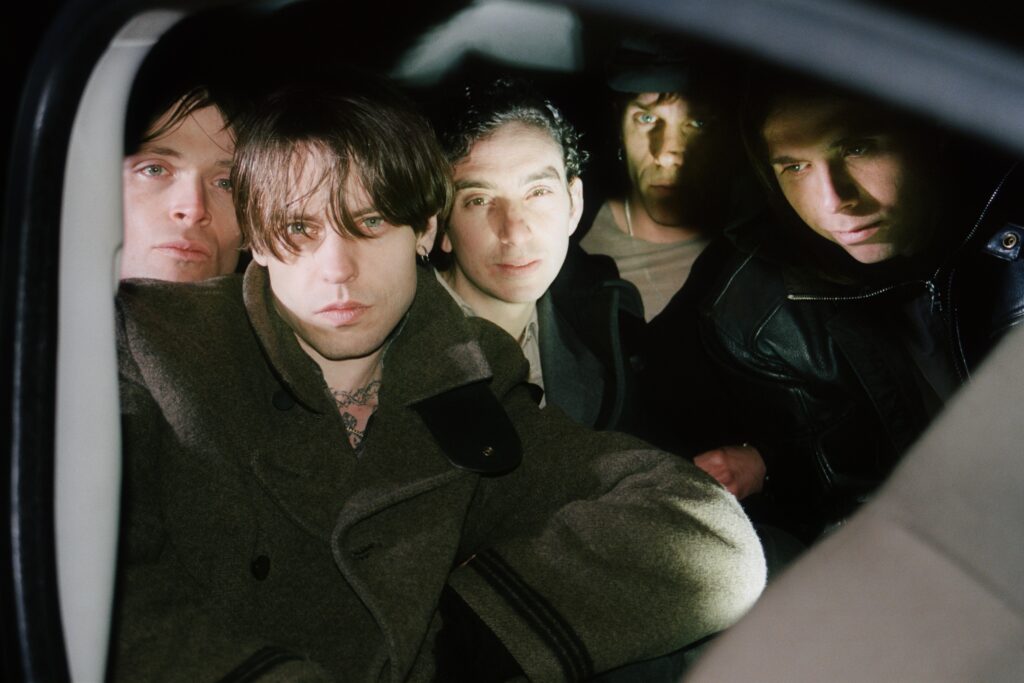
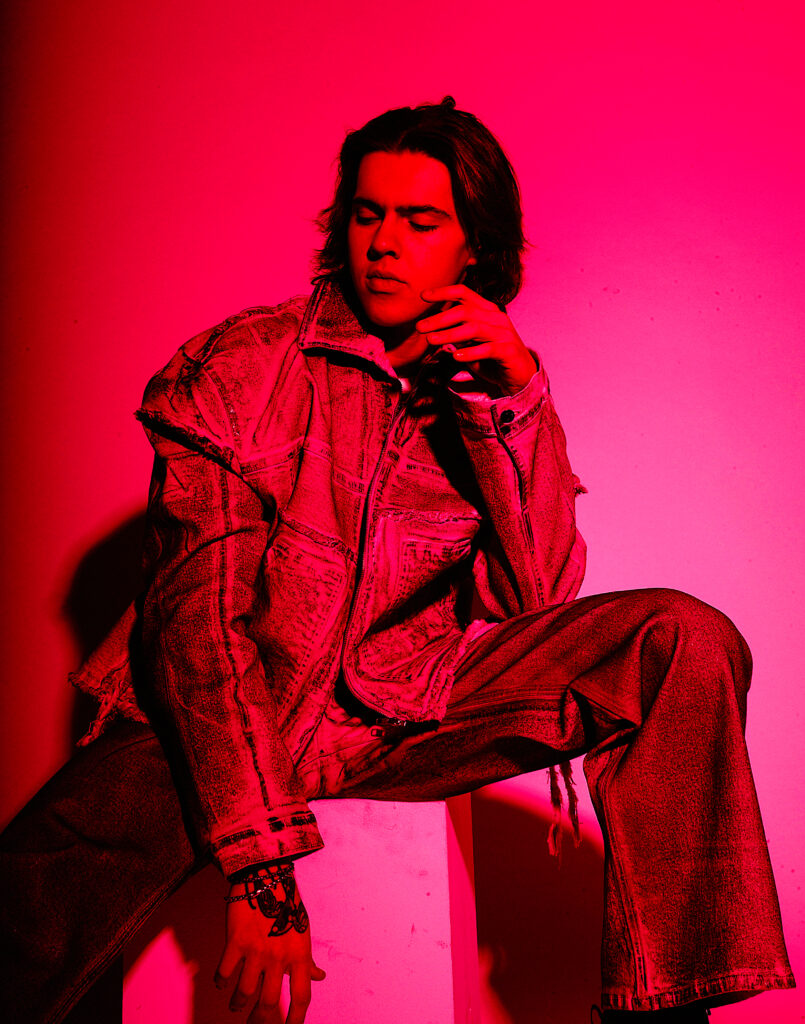
Some of the most potent creative ideas have emerged from liminal states. An unguarded, half-conscious threshold in which thoughts emerge in their purest form, before they can be subdued or overrationalised. For Tigercub vocalist Jamie Hall, this is the exact space that the band’s fourth album, Net’s to Catch the Wind, emerged from.
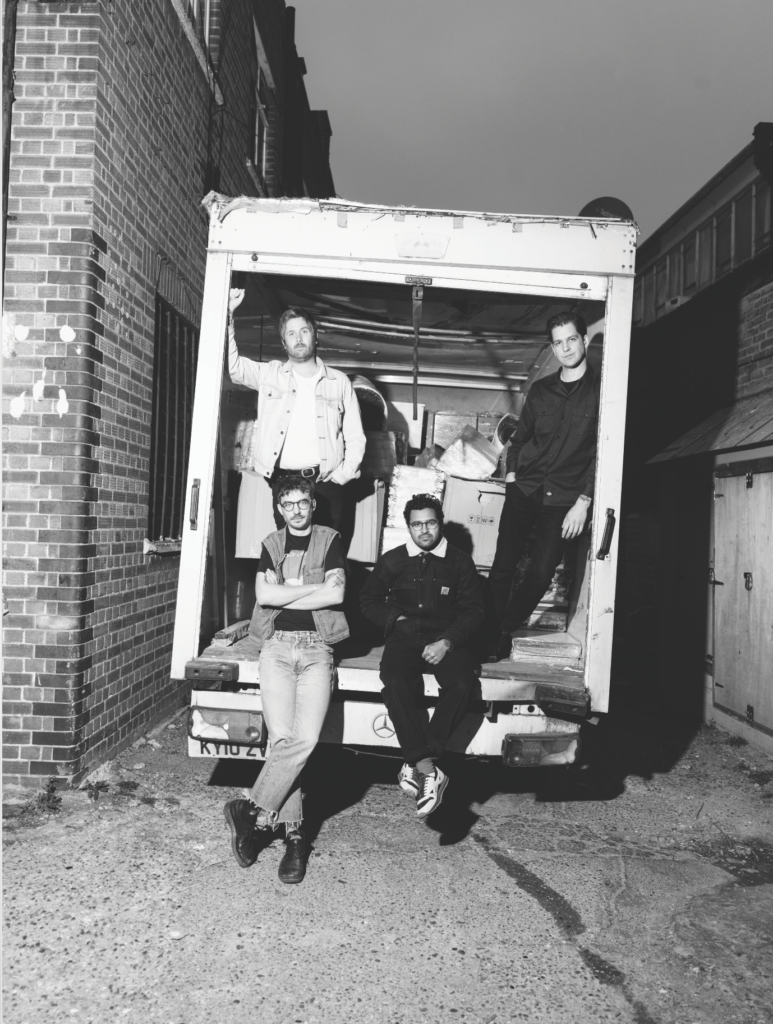
Since making their debut in 2016 with their first full-length album, Abstract Figures in the Dark, the Brighton, UK-based trio – formed by Hall, bassist Jimi Wheelwright, and drummer James Allix – has developed a heavy, expansive sound rooted in grunge, stoner metal, and noise rock influences, combining dense textures with melodic vocals.
Their previous record, The Perfume of Decay, was a notably dark record within the Tigercub catalogue. A “midnight confession”, as Hall describes it, rattled by anxiety and noise.
Nets to Catch the Wind, by contrast, focuses on living in the light, even if fleeting. It’s the break of dawn, swimming in and out of consciousness. The album being set somewhere between dreaming and waking is a concept that Hall picked up on after being inspired by David Lynch’s seminal 1986 film, Blue Velvet.
“I was watching Blue Velvet, and almost embarrassingly, the penny dropped,” Hall admits. “I was like, ‘Oh, it’s all a dream.’”
From that point, Hall found himself tumbling down a rabbit hole of Lynch’s creative approaches and ideas around transcendental meditation. He found a sweet spot in which one is half-conscious, half-asleep, a presentation he regards as “chaotic, combative, beguiling, and enticing.”
“There are thoughts that can appear to you in quite a raw and truthful form, so I thought it was an interesting place to put my head in,” Hall explains of the process of adopting a more abstract disposition.
It helped Hall access a more vulnerable place, as someone who describes himself as a repressed person. The songs started as dream journals, mapping out a blueprint of spontaneous thoughts for him to articulate.
“I don’t really understand my emotions before they happen,” Hall admits. “Sometimes it’s really hard to articulate what I’m happy or sad about verbally.”
He notes that the process of discovering the meaning of the songs after the fact was much like piecing together a puzzle.

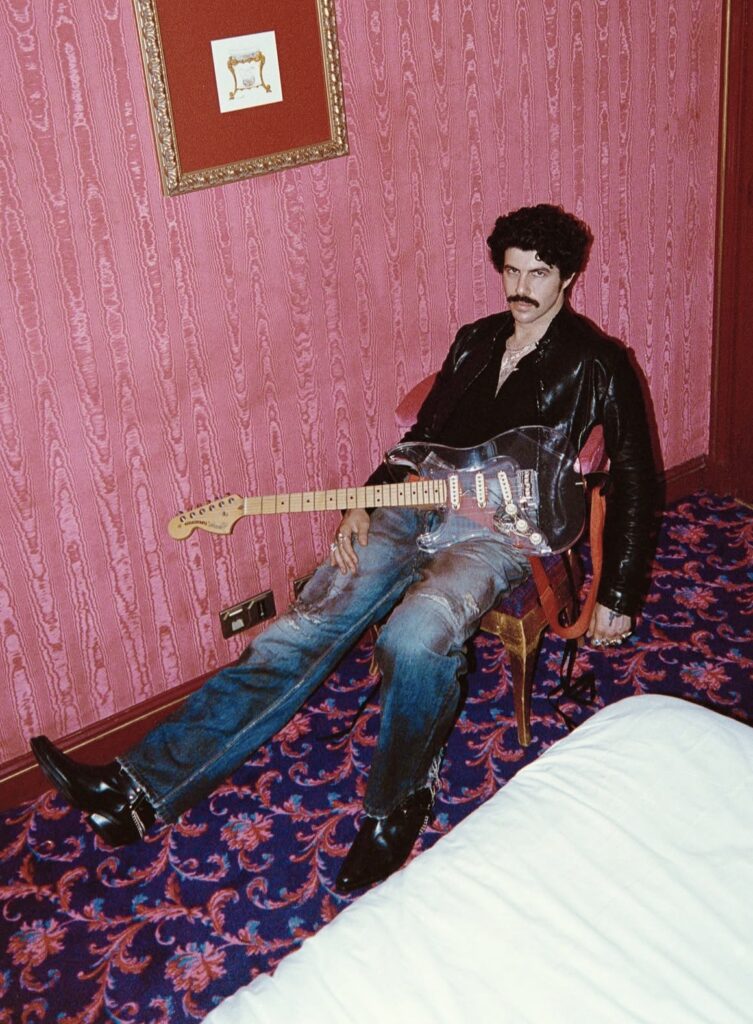
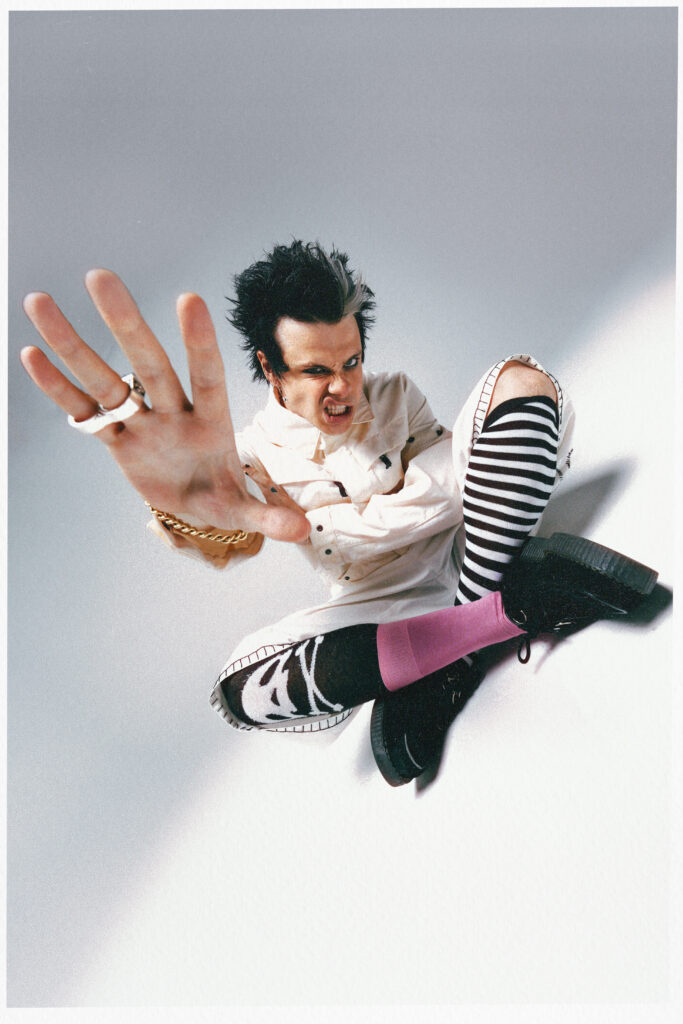
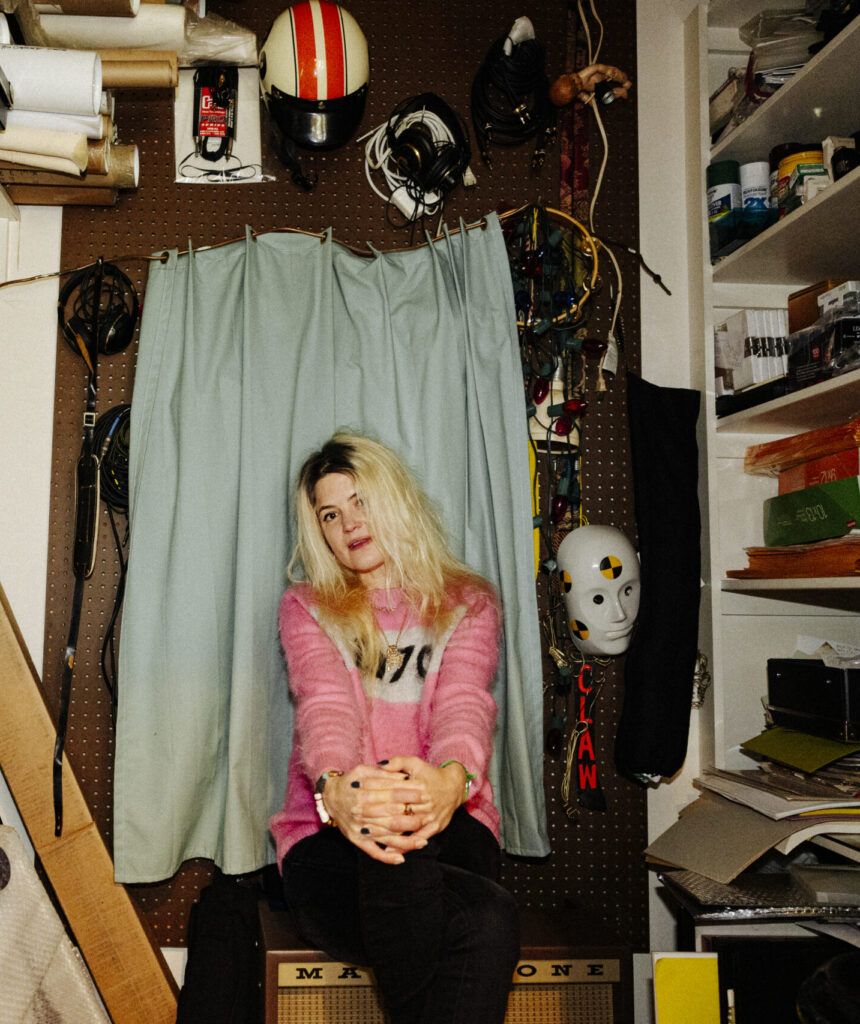
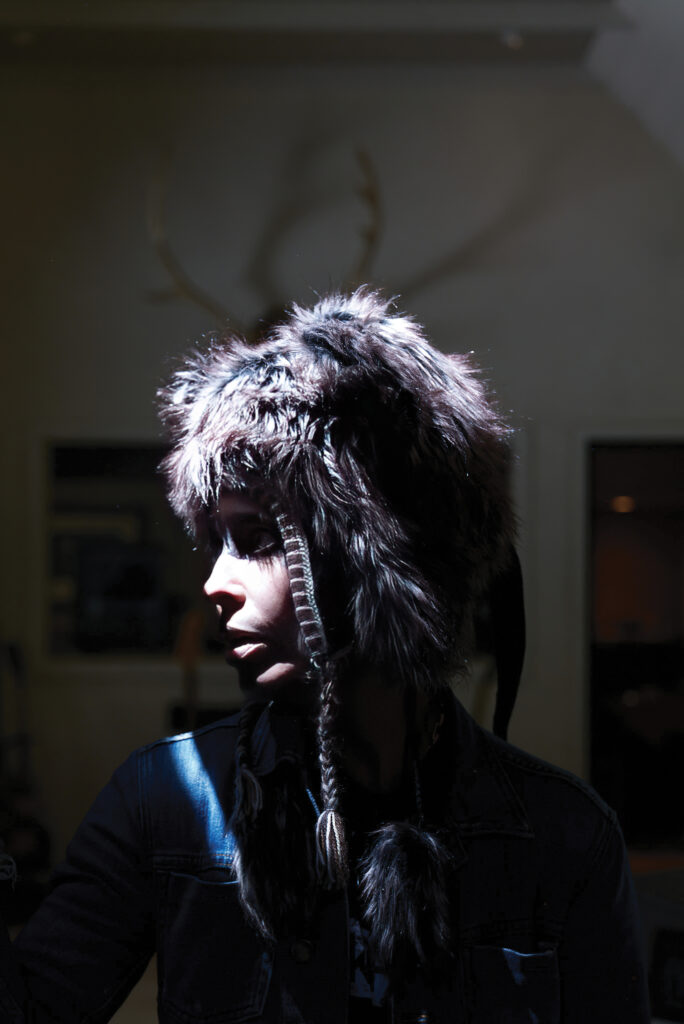
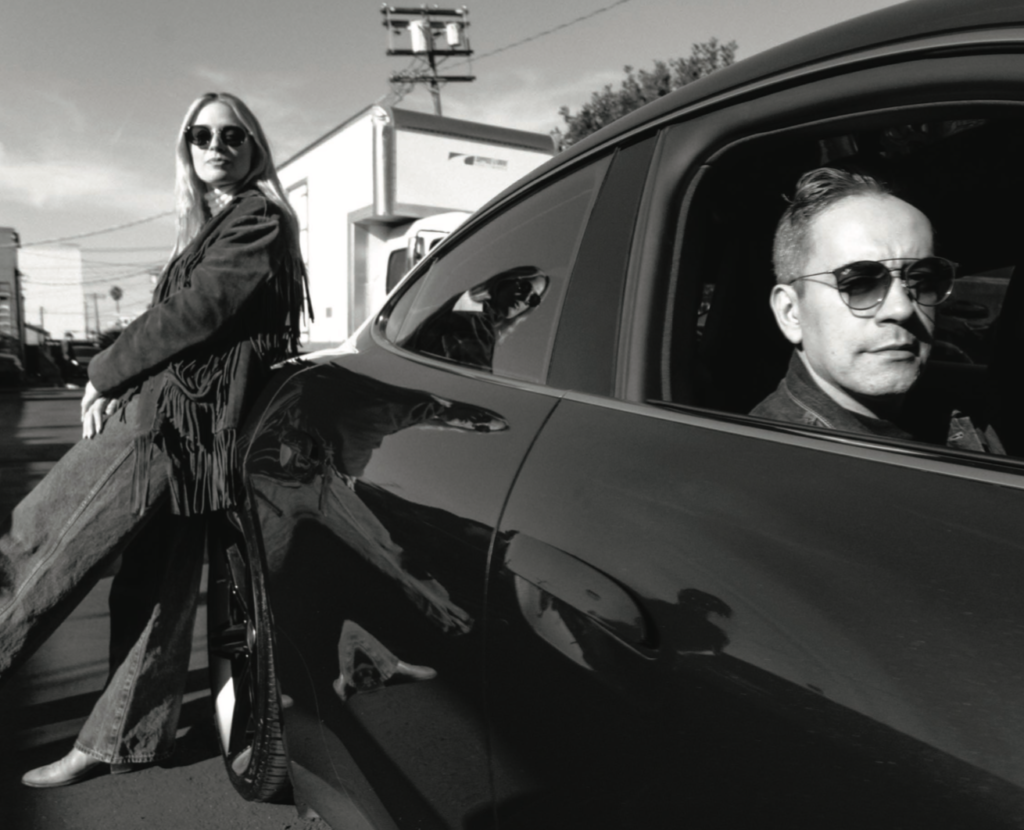
Captured by Ki Price
“I believe that the whole reason why people make art is to express something you can’t verbalize,” Hall affirms. “If the record is going to have any worth and emotional depth to people, and you want to form a connection with others through the music that you make, you’ve got to put something up for grabs.”
When it came down to the instrumentation behind Nets to Catch the Wind, Wheelwright and Allix also understood the vision. They didn’t have to trade their heaviness for openness; rather, they worked out a balance.
“As I completed lyrics to songs, they started to get it more,” Hall explains of his experience of communicating the concept to his bandmates. “It’s nice when the whole band understands where the emotional levers are. Why we’re going so hard, and why something is so intense. It can really help shine a light and guide you on your way, because ultimately, it is creating something out of nothing.”
Over 12 songs, the sound brings the emotional fabric of Hall’s subconscious to life. Thoughts on his relationship with his hometown, his family members and the things he otherwise struggled to face.
Album opener ‘Silver Smile’ is a vast, theatrical introduction built around the singer’s sentiment of “I’m falling apart again”, as the trio launch into a wall of sharp, dense riffs and thunderous percussion — a launchpad for how the rest of the album unfolds, finding occasional moments to breathe in the paced space of tracks like ‘Head Over Heels’, and the flittering instrumental interlude of ‘Golden Sands’.
The songs were tracked live, recorded over nine days at Rockfield Studios in Wales, ultimately preserving the urgency of the Tigercub sound.
They also invited collaborators to bring both clarity and new dynamics to the record, including production from Tom Dalgety (Royal Blood, Ghost, and Pixies), a co-write with Nothing But Thieves guitarist and keyboardist Dom Craik, and a spoken-word performance by Clutch singer and guitarist Neil Fallon.
Loosegroove Records co-founder and Pearl Jam guitarist Stone Gossard even contributed his perspective, allowing the band to “zoom out and see the bigger picture when we were lost in the details”.
Having produced The Perfume of Decay in its entirety, inviting others into the creative process allowed Hall to let go of the reins and really focus on going inward.
“I just want to be a singer and guitar player, and that’s all I’m going to do,” Hall says. “And I’m just going to devote 100% of myself to that and make sure that it’s the top that I can be.”
And ultimately, that devotion enabled Hall to unearth the more hidden parts of himself.
“There are moments on this record that were very hard and gut-wrenching to put down,” he reveals. “But that moment of pain gives way to relief after having let go of it. It was really therapeutic for me to just purge things that I had in my brain, rattling around with no place to go.”
For years, Tigercub have been a club band, beloved by a steadily growing following. But with Nets to Catch the Wind, Hall feels the shift.
With a KOKO London headline on the horizon, a show at Gramercy Theatre, and their most ambitious work yet under their belts, the dawn is finally breaking.