MARVIN EXCLUSIVE Q&A: Getting Existential with Campbell Burns
I received the lovely opportunity
to chat with Campbell Burns
from Vacations this past Saturday
at Permanent Records to celebrate
their latest album’s release, Pursuit of Anything.
Words by Libby Heart
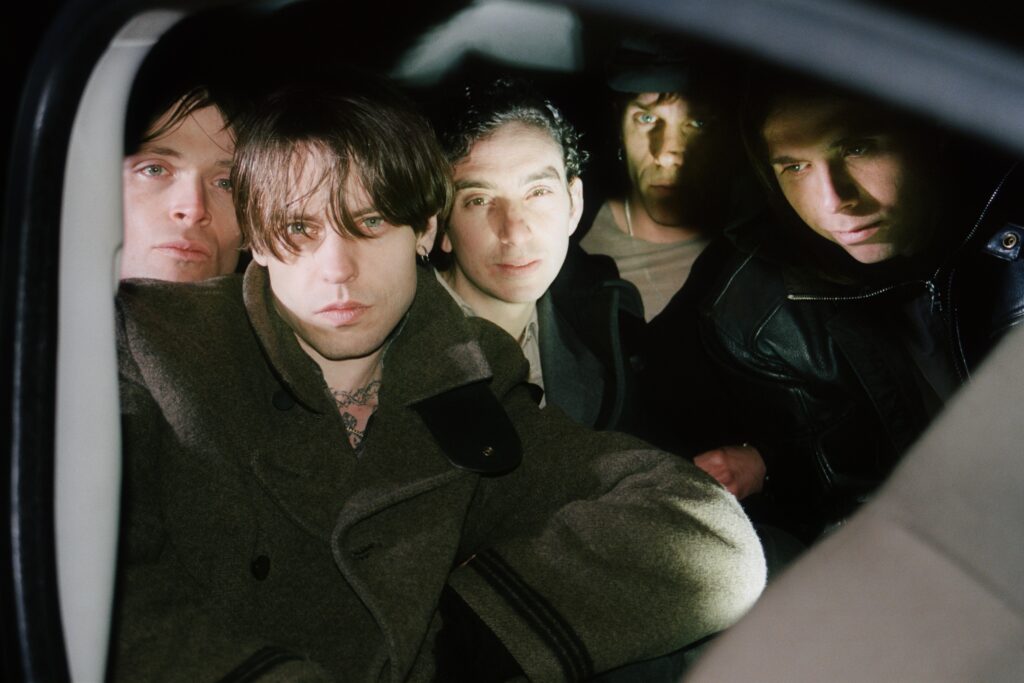
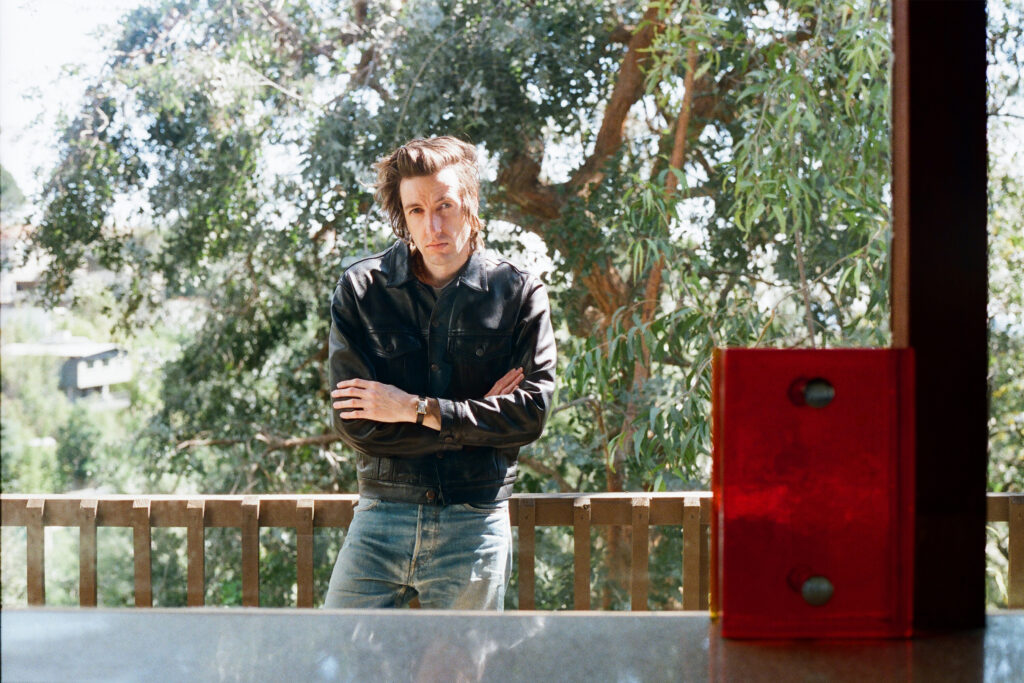
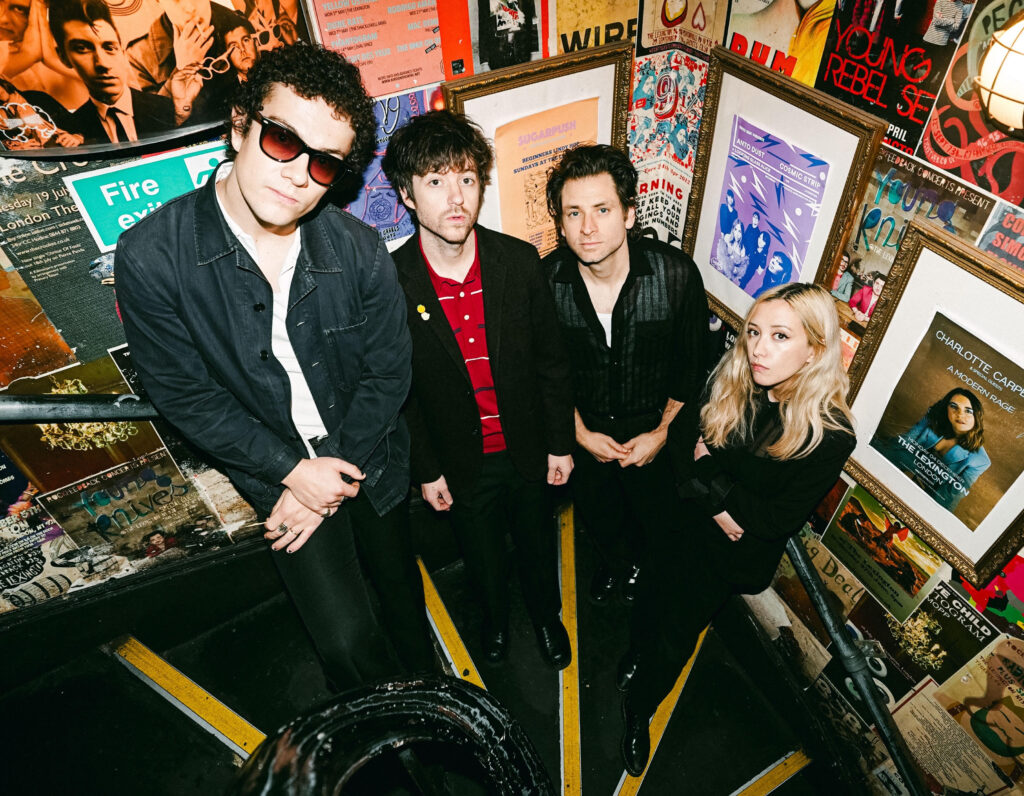
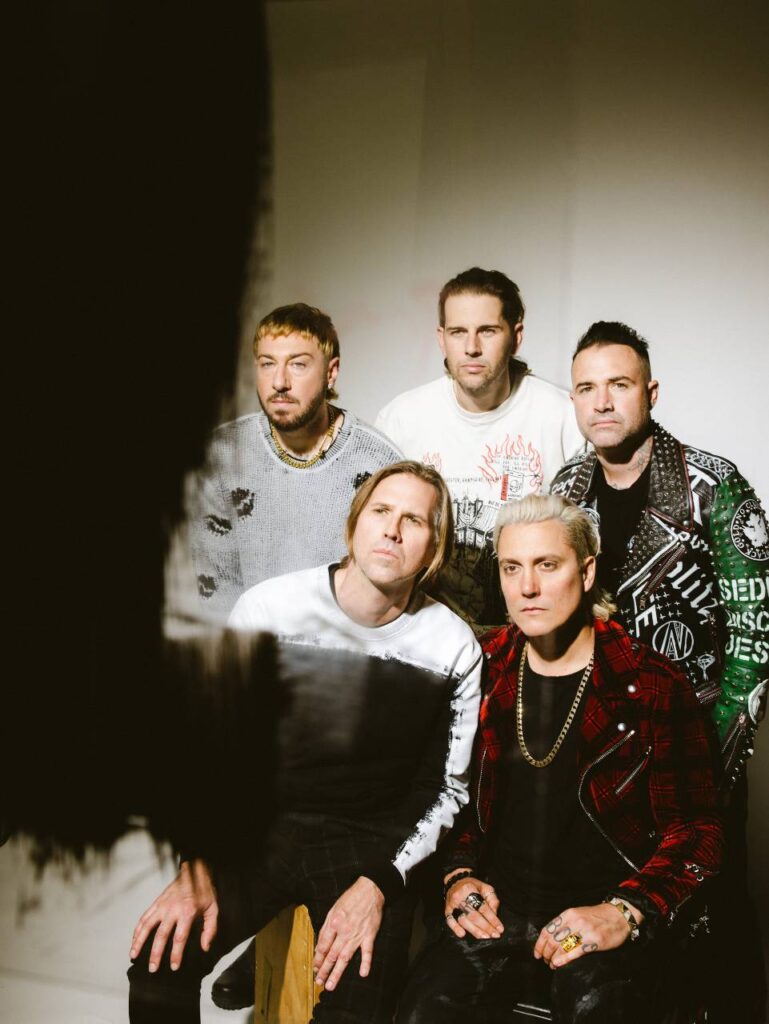
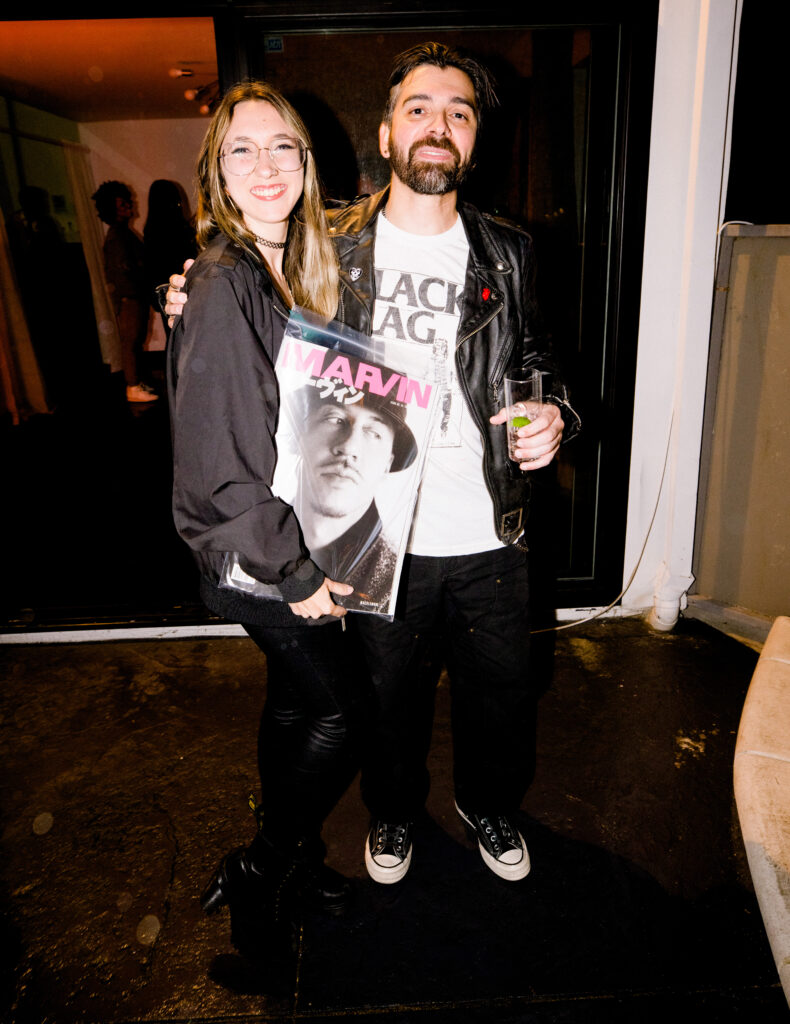
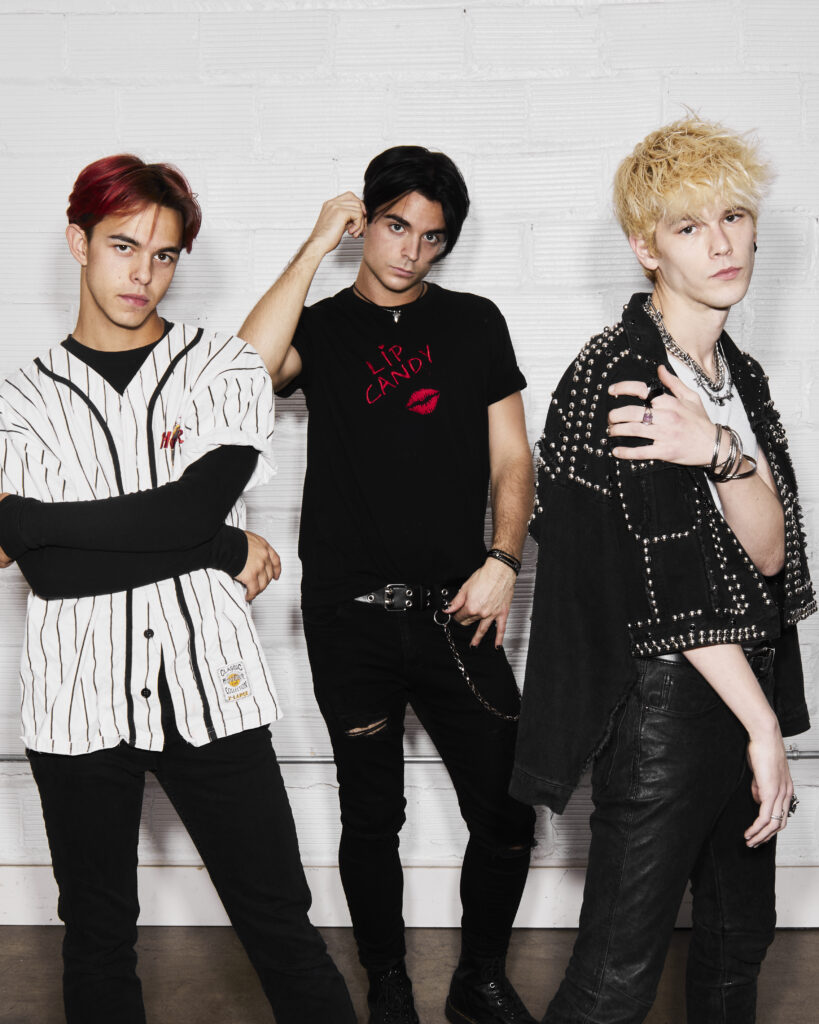
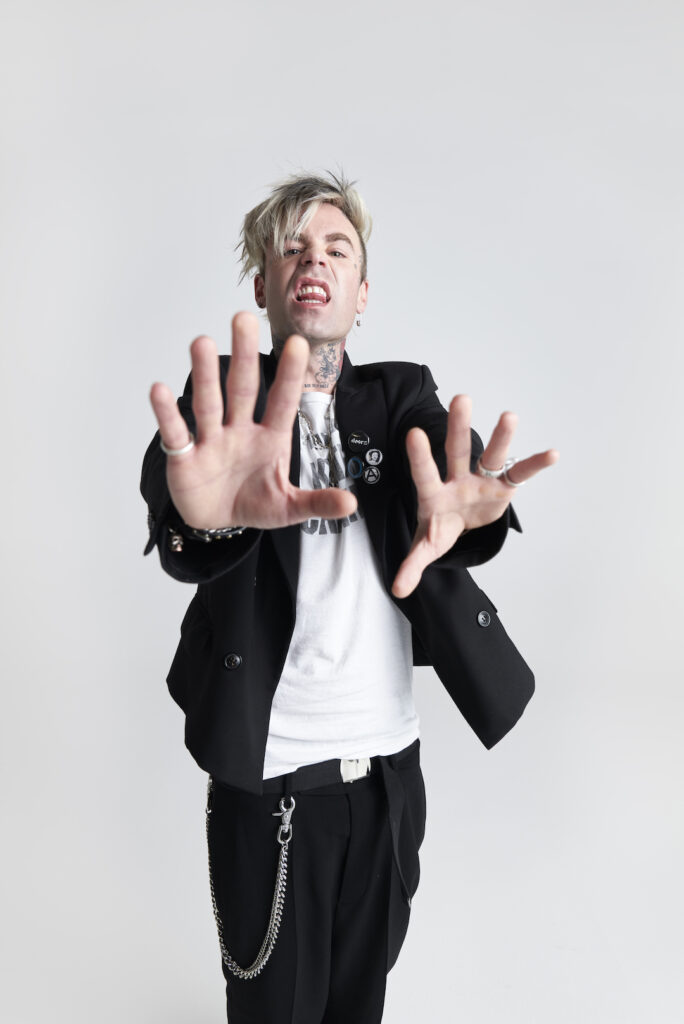
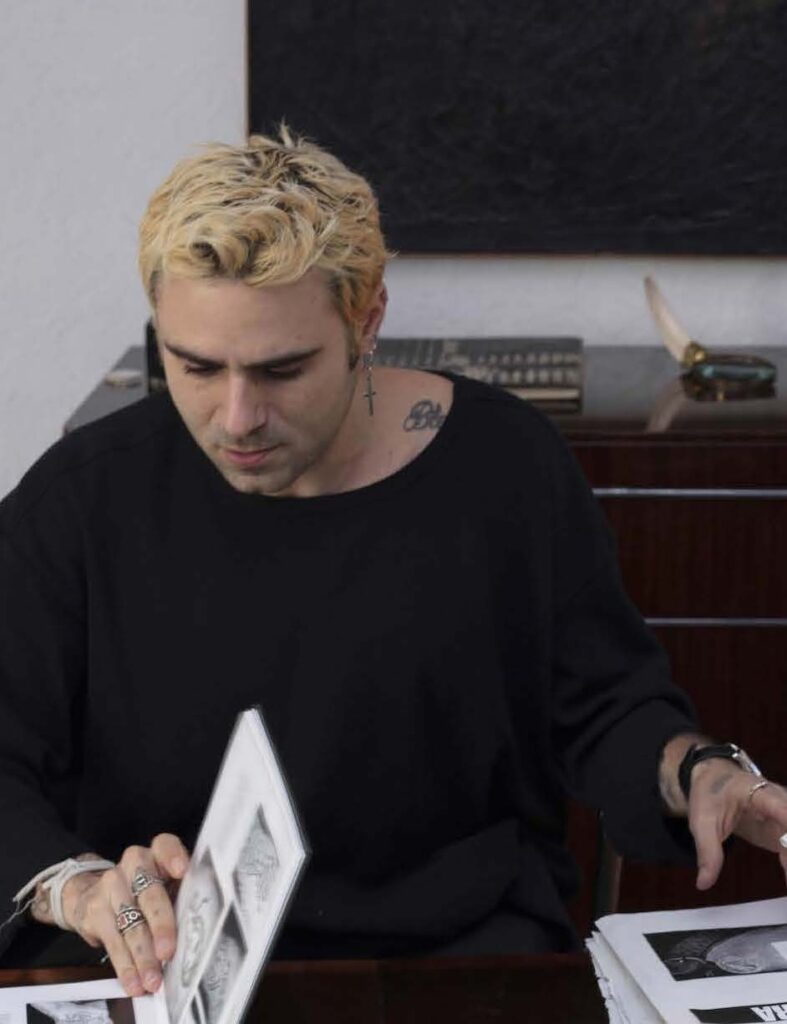
We spoke in the back, in the midst of the heat and away from the crowd of fans inside (and also air conditioning). Californian and Australian alike, cowering in the shade over Permanent Records’ seating area, we spoke about OCD, how success in the public eye raises the stakes on a project like Vacations, and how his experiences and self-expression are the center of his work.
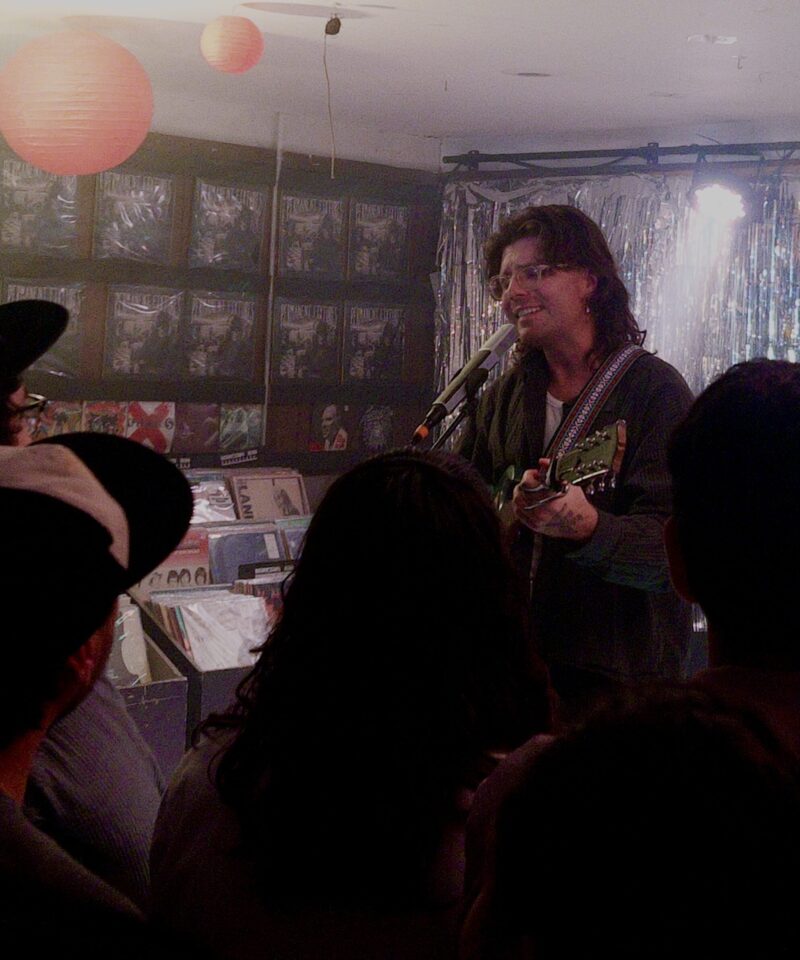
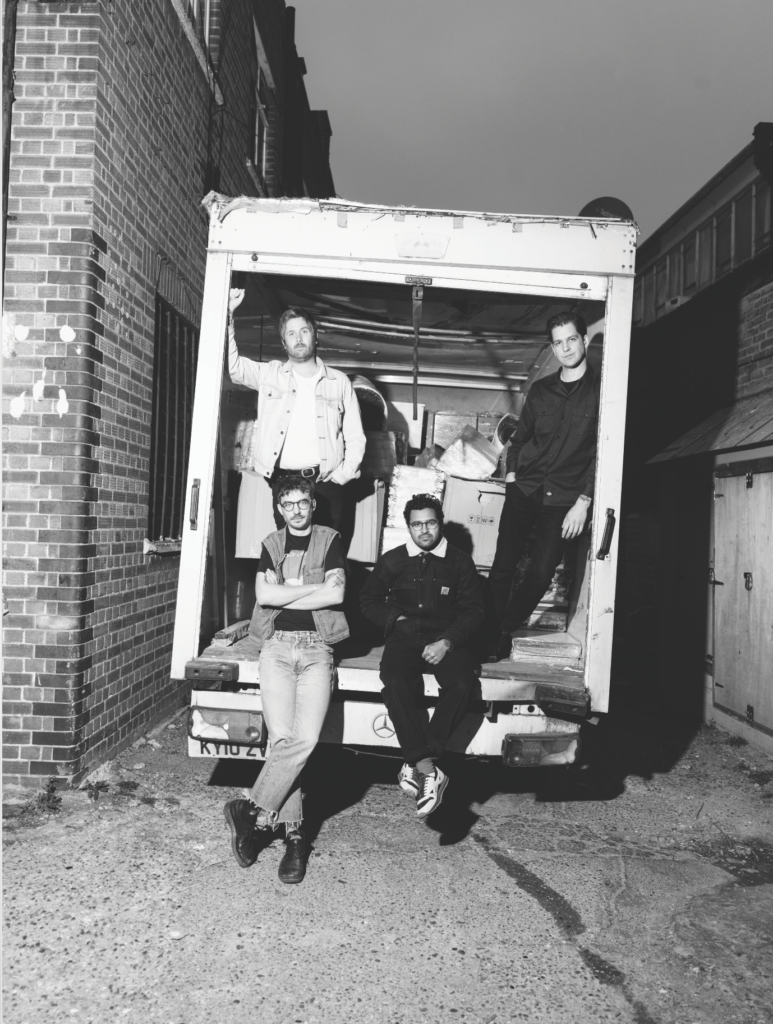
Vacations at Permanent Records Roadhouse on October 3, 2026.
L: You guys have been making music for 11 years together now. How does that even feel? Does that feel like a scary number?
C: I wouldn’t say scary or daunting, but it doesn’t feel like 11 years. This sounds cliché, but I feel like we’re only just getting started—or it only feels like we’re kind of getting somewhere now, even though we’ve been at it for 11 years. But that’s because I would have started releasing music under Vacations when I was about 18 or 19, so incredibly young. And even then, being 31 now, is still quite young.
I can see us doing this for a while still. I don’t see Vacations going forever. It’s going to get to a point where I just want to hang out with my family… I’ll probably just want to grow carrots or something and live off-grid. But till that point, I’m like, oh cool, I get to hang out with my best friends and make music! And, as a byproduct of that, we happen to be able to do this as well. So it’s kind of great. I’m kind of now just at a point in our career where I’m really curious to see what happens next, and I’ll keep making music under Vacations, but I’m also at a point now where it’d be cool to make music under other projects or get more into songwriting and production for others.
L: Do you feel like that curiosity of what is going to come next has been what has propelled you so far?
C: Absolutely… I’m just like, okay, well, we did this, so that’s a milestone. Like getting our first ever piece of merchandise. I remember we got 50 shirts printed, and I was like, oh wow, oh cool, we’re doing this, and this is all based off some songs I wrote and recorded in my bedroom when I was really young. And… now we’re playing sold-out shows or… our music is going viral or, you know, get a million streams on Spotify and then all of a sudden it’s almost a billion. I just want to see what happens next. I think that’s the most fun and pure way to approach anything.
L: With the tangible stuff, like with the t-shirts and then eventually shows like this where people are lining up at record stores—
C: And it’s 100 degrees out.
L: It is—do you feel the same level of excitement now that you were feeling early on?
C: That’s an existential question. (Laughing) Yes, and no. I feel as this career has progressed, the highs are higher, and the lows are lower, which is kind of what the new album goes into detail about. Like, how I’ve made it in a sense. I’ve had a lot of people in my life telling me that I’ve made it or, you know, I should feel a particular way about it, but that doesn’t necessarily mean that I am living the dream or that it’s necessarily an easy path. I’m definitely grateful for it. But it’s interesting how when you reach certain milestones, there are then new complications that arise; things get more complicated in a way because the stakes then become higher. So going from, say, you know, our first sold-out show, which could have been 100 people, when you’re dealing with that at, say, a capacity of two and a half thousand people, there’s a lot more to consider. And then you’re thinking about things that you’ve never even thought of in the first place. For instance…like, oh, what do we all wear on stage? I played a DIY house show back in the day when I was a teenager; I would not have thought about that. But now it’s like, oh, we need to have a certain look and a certain image, and fans really care about that, how we’re perceived in the media. There’s so many things to consider, but it’s a fun problem to have. I’m not going to sit here and be like, oh my God, that’s terrible. It’s a good problem, but it’s funny how, by doing something you love, there’s all these things that we’ll just kind of come up with.
L: When you are writing, what are you writing for?
C: Myself. Always.
L: The way I wrote my question was for writing either for connection, healing, or expression; which of those three do you think you go toward the most?
C: Expression. I’m always just trying to express how I’m feeling, which is probably the most blunt way to put it. But again, it’s that curiosity. I’m feeling this type of way, so how can I express that in a way that maybe others can relate to and maybe make that process easier in some way for them or just create a sense of community or something?
L: I won’t ask you the typical question of what do you think has put you ahead, because I know that everybody has their own thing and a lot of people don’t know what it is.
C: I’ve no idea.
L: My alternate question for that is: what have you had to get over within yourself to get to where you are?
C: Ooh, that’s kind of existential as well. I’ve had to come to terms with the fact that I have OCD… not necessarily in a way of trying to defeat it or overcome it because, in a way, you kind of can’t. But learning to live with it and almost trying to lean into it as a strength because I have more awareness of myself and can thus make better choices, whether personally or creatively. If I reflect back on when I was recording Changes, it’s sad, but kind of funny to me now, but I would agonize over the mic position that I would have on my guitar tab, and I would be moving it by centimeter—or inches for our American audience. But I would be moving it to the point where I’ve just spent hours moving a microphone back and forth. There is no actual difference in what the sound is, but I am just so focused on it. Whereas now I’m like, oh, okay, cool, that sounds like a guitar. I’m just going to hit record and then make the song. That’s the whole point. So I didn’t become aware of that till I was about 25-26, which is what No Place Like Home was all about.
L: What did you have to push yourself the most on with this album?
C: Trying to not repeat myself, which was really funny. The hardest part of this album was the lyrics, only because I would start writing and then I was like, oh, I’ve already done that like two albums ago. How do I say this in a different way, or how do I not repeat myself of certain words or phrasing? Because I think with playing guitar or any instrument, I have certain chords or sounds that I gravitate toward in the same way with my pen game. I have certain words that I will just use or phrasings or rhyming schemes that will just come up, and I’m like, oh, okay, this is my thing. This is my motif. So how can I try and find a new voice to convey the emotion that I’m trying to do, especially when the most recent record, Pursuit of Anything, is essentially the record that I wanted to make when I was 20-21, but I didn’t really know how to. That’s why I want this record to be kind of like Vibes in a way where all the songs are just verse, chorus, verse, chorus, but done in a more mature, introspective, sophisticated kind of way.
L: You’re very self- reflective in your work.
C: Thank you. My therapist would say that. (Laughing) She’s like, you’re so self-aware. It’s almost to your detriment.
L: Well, it seems like you’re revising yourself as you go through album to album. Do you think that’s part of why you go back to the same lyrics? Do you feel like you’re trying to get to the right point that you were trying to make initially?
C: Not the right point. I don’t want to overcorrect myself because that gets into that idea of perfectionism and having things just right with having OCD. But, I don’t know. This record was kind of like a coming-of-age record anyway. I was reflecting on 10 years as a band, and I was like, okay, what was I going through when I was 20-21? What was I trying to say? What is different now and what’s still kind of the same? How would young me feel—that inner child, very reflective sense of self.
L: Well, I imagine also, you guys have been a band for 11 years, so that intimacy that has grown between you guys as bandmates has probably also affected it as well.
C: Oh, absolutely. Yeah. We’ve all grown through so many different experiences, and we’re all such close, best friends. A lot of that informed my writing process with Vacations. Like, “Lucky Forever” is about me seeing Joey and Jake get married last year or the year before…It was really beautiful. Their experience informs what I want to write about. And then that is expressed through Vacations. Whereas if I were to do a different project, there’s probably a whole range of other topics I would explore. But Vacations has sort of a guidebook or something, or there are certain things that I would only explore with Vacations. There’s so much of that is the band dynamic and our friendship.
L: Do you still get nervous to perform?
C: Yeah, I got nervous performing at Amoeba the other day just because I’m playing solo and it’s also the first performance of this media run. So if it’s been a minute, even though we only went on tour two months ago, it’s like, oh, I have to get back into character of performing. And then this performance, I feel incredibly relaxed about now, because I’ve already performed twice.
L: Is it easier for you to get on stage when there’s other people up there with you?
C: I think so, because you’re going through that anxiety and fear together. Whereas when it’s just yourself. But sometimes, I feel like when I do enough solo performances, I’m like, oh, this is incredibly easy. I just get to do whatever on stage. It’s really fun that way.
L: Obviously, you have spent over a decade dedicating yourself to music and then even longer from when you started learning guitar, before you guys even started the band, before you started releasing music, what do you think you specifically would be doing, if not music?
C: Photography.
L: How do you think that influences what you actually are doing?
C: Like, how does photography inform what I’m doing? I guess it involves a visual narrative. It complements the music. I mean, I already take a lot of photos, and I like to document. If I was in a lifetime where I didn’t have the skill or the ability to play music, yeah, I probably would pick up a camera instead and just go on bands and document because I think it’s really beautiful. And I just love that process.
L: But no matter what, some sort of artistic field.
C: Yeah, it’s got to be artistic. I need to do art. It’s like the core to who I am.
L: Oh, I do have one more question.
C: Yeah, that’s fine. Yeah, for it.
L: Where do lyrics come to you the most?
C: I don’t know anymore. Sometimes it’s like a shower thought. Other times I have to sit and… It’s almost like putting a puzzle together. I have to write line after line after line until I’m like, oh, this is what I’m trying to say. Sometimes it’s like I’m writing the most basic version of that line. Like, I feel happy, or I feel sad. And, okay, how can I l put it in a way that sounds a bit more poetic or fleshed out? Lyrics are funny, though. Sometimes it’s incredibly easy to write lyrics. Other times I’m just scratching my head trying to figure out how to convey the feeling. I always try to bring it back.
L: That completes all of my questions. Thank you very much.
C: Yeah, thank you. That was easy. That was a very great conversation.