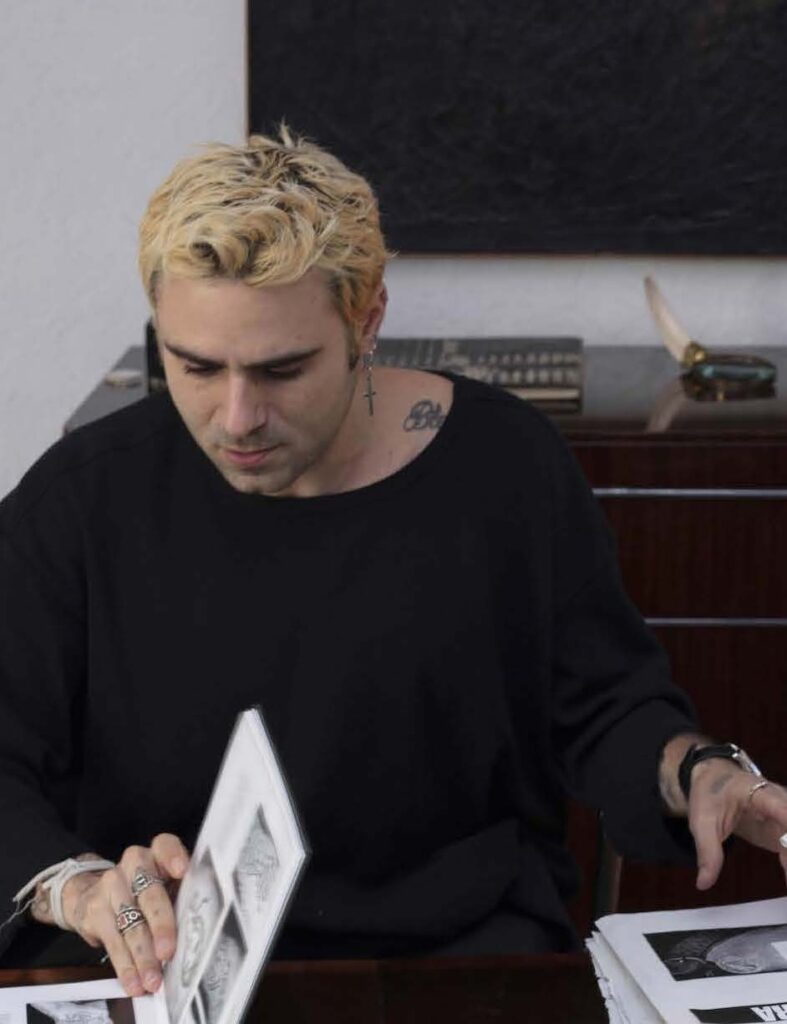
DWEEZIL ZAPPA ON CARRYING HIS FATHER’S MUSICAL LEGACY FORWARD
For the past twenty years Dweezil Zappa has hit the road hard, first as the leader of the Zappa Plays Zappa concert experience and later under his own name, faithfully showcasing the rich, varied body of work his father left behind following his death in 1993. “Composer Frank Zappa left for his final tour just before 6pm on Saturday,” is how his family shared the news with the world.
This fall, Dweezil Zappa is once again hitting the road to celebrate the legacy of the experimental, forward-thinking and untouchable guitar icon.
Interview: Marvin Scott Jarrett
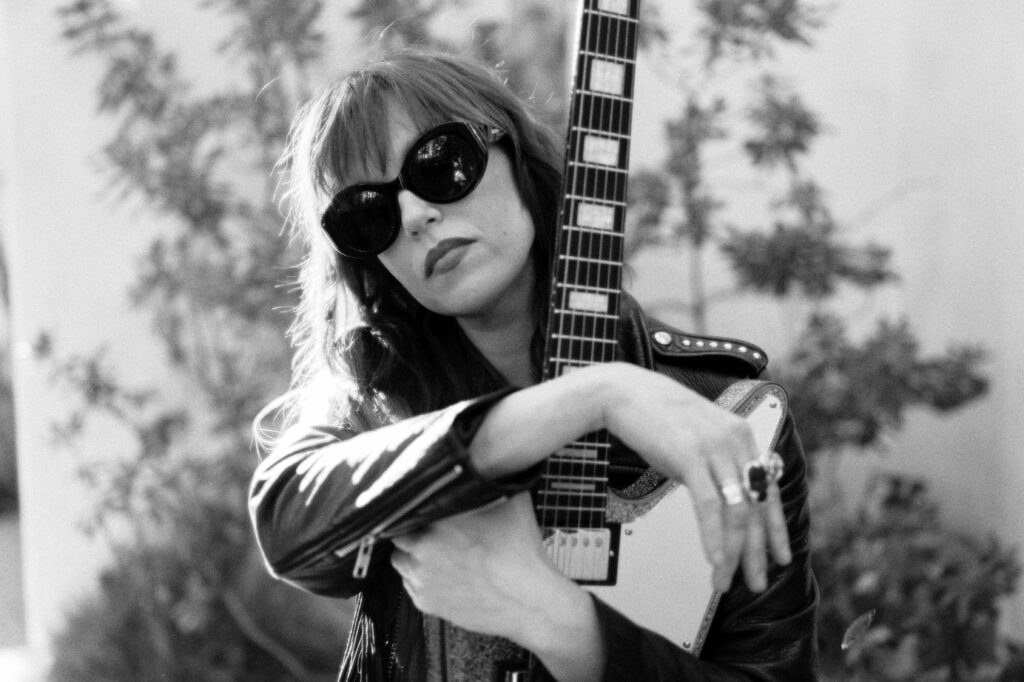
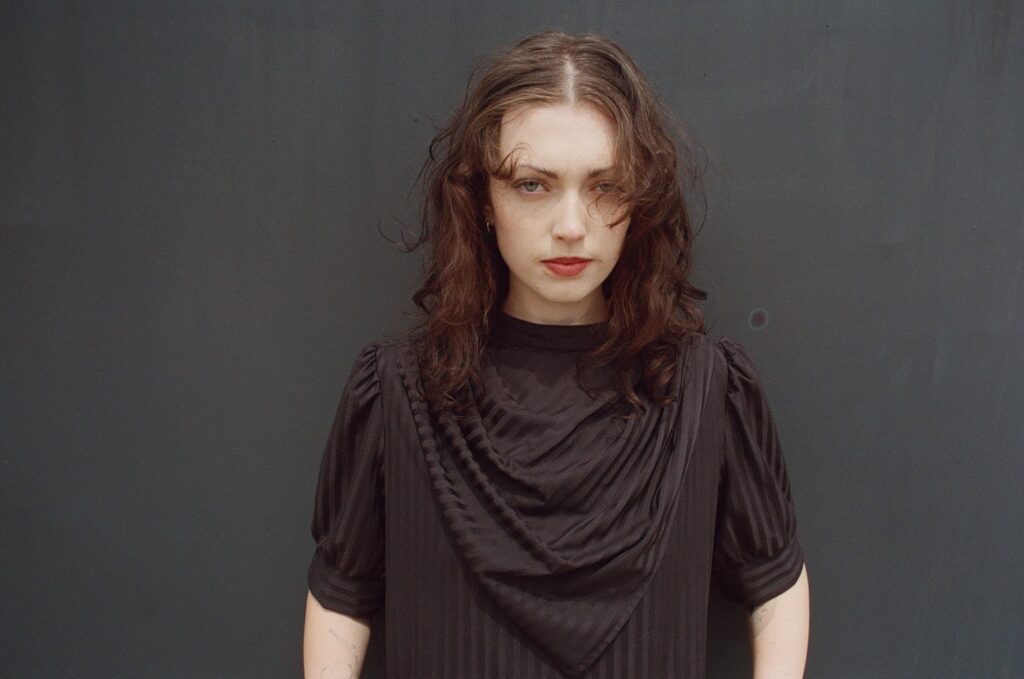
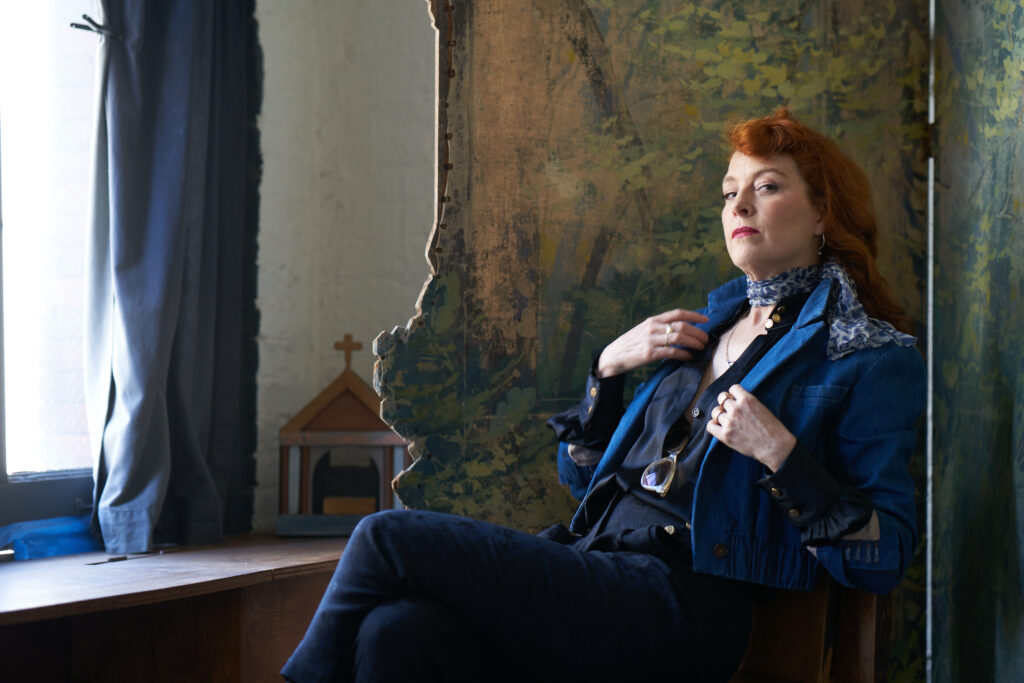
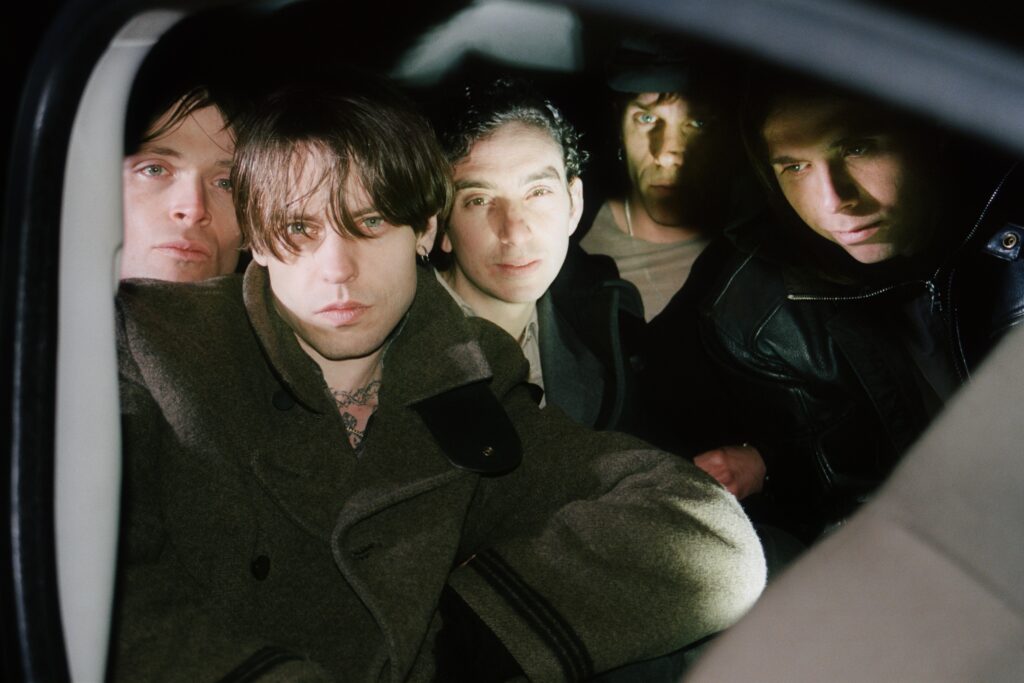
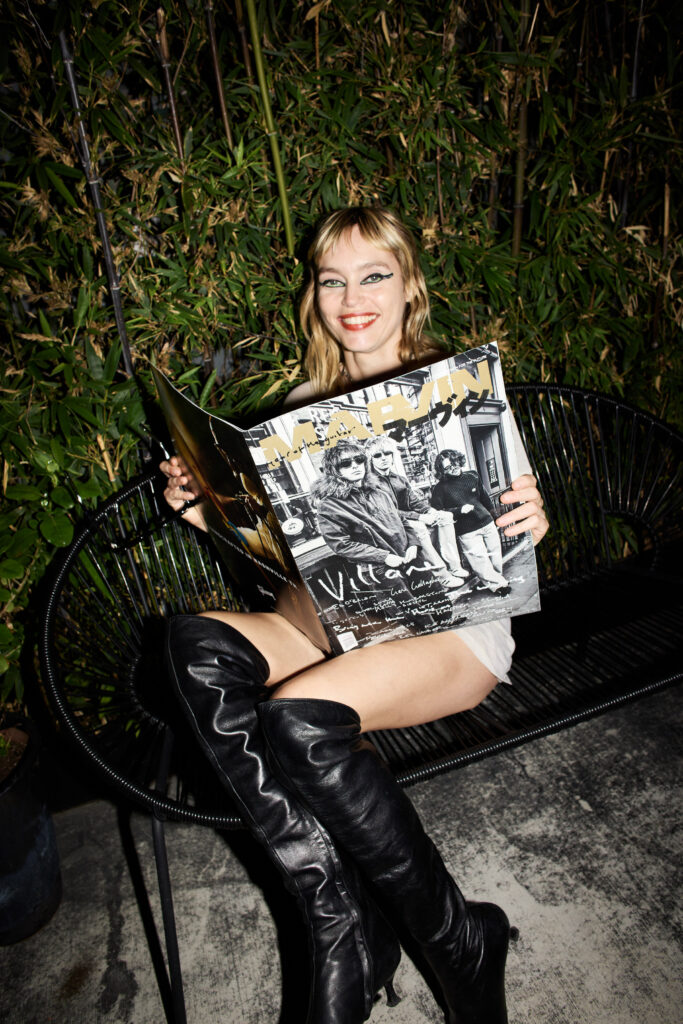
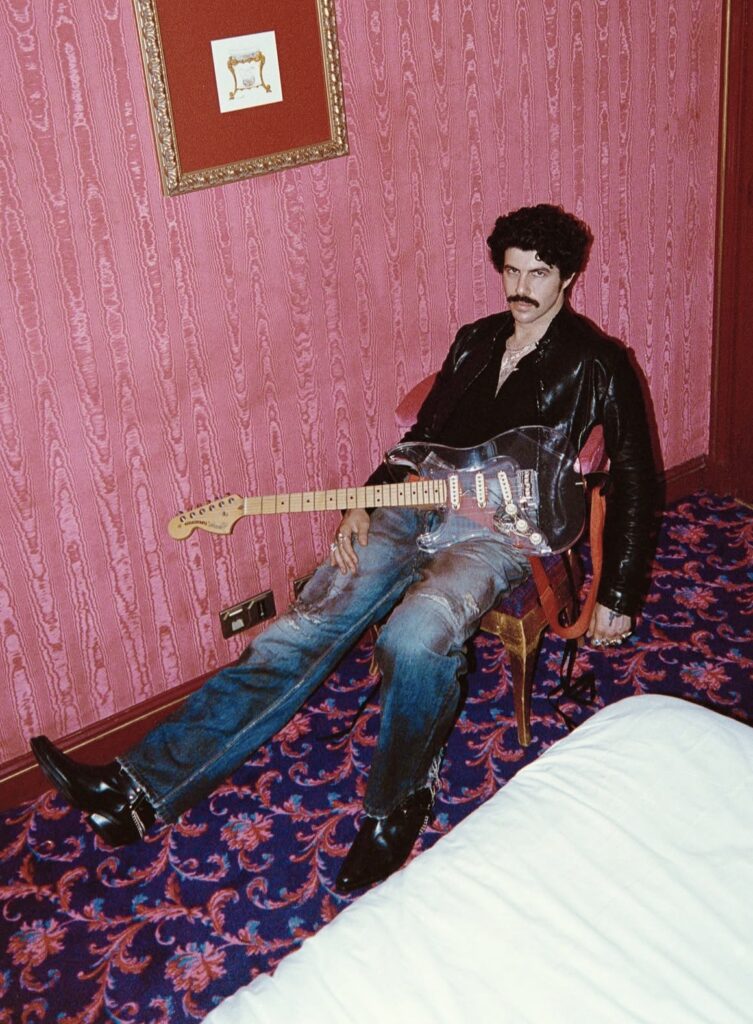
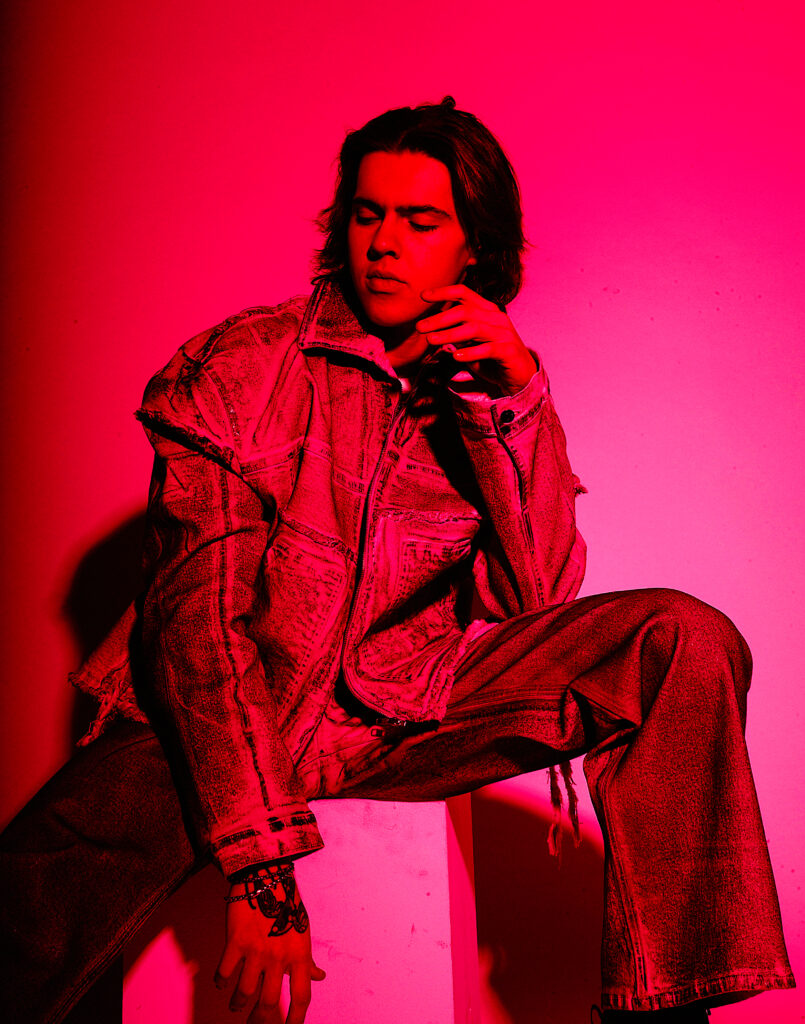
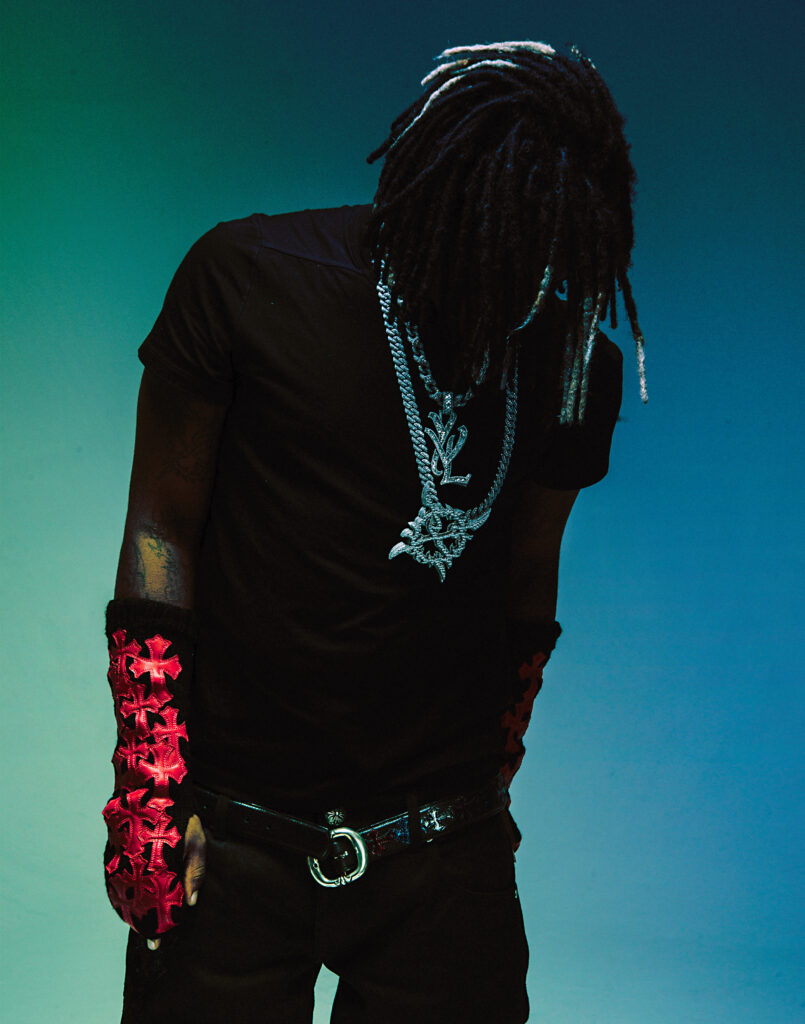
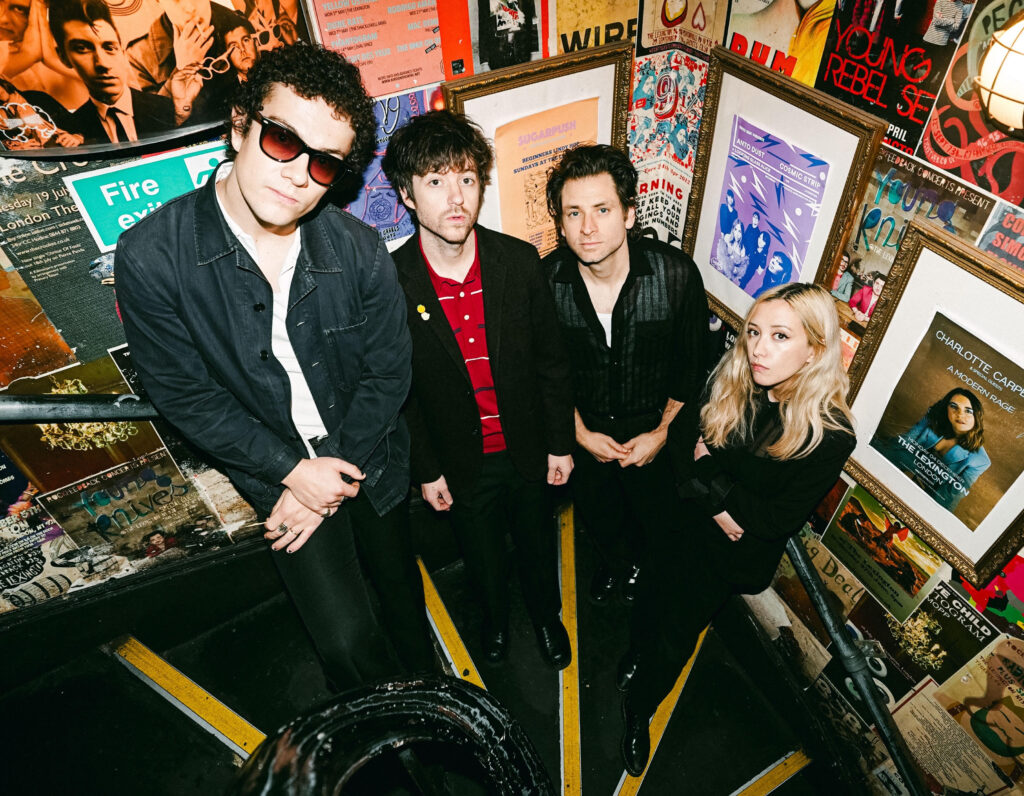
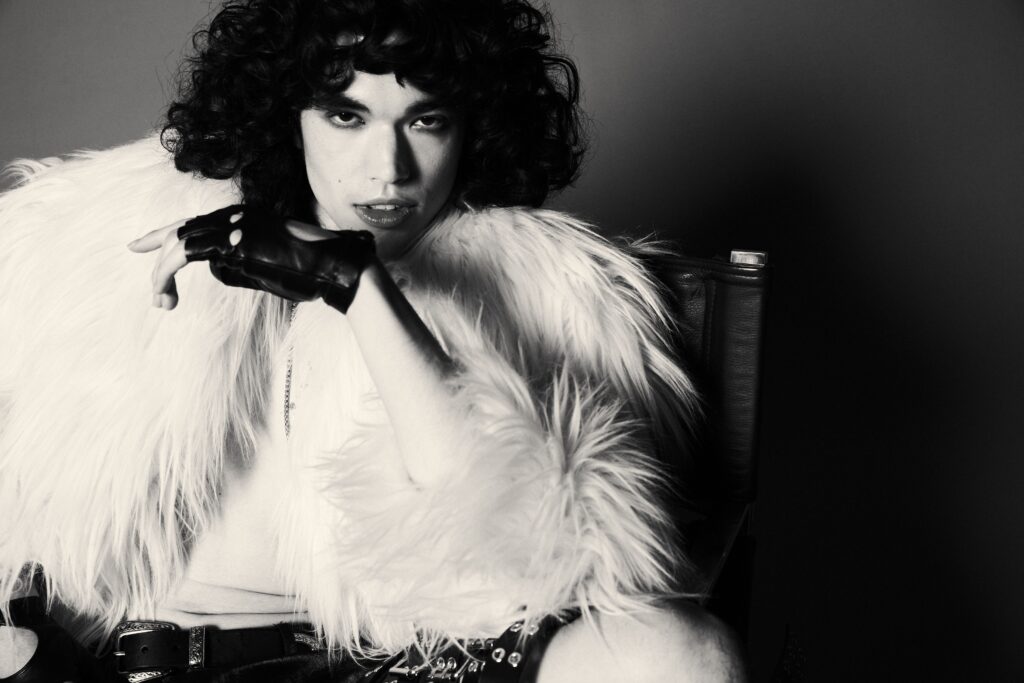
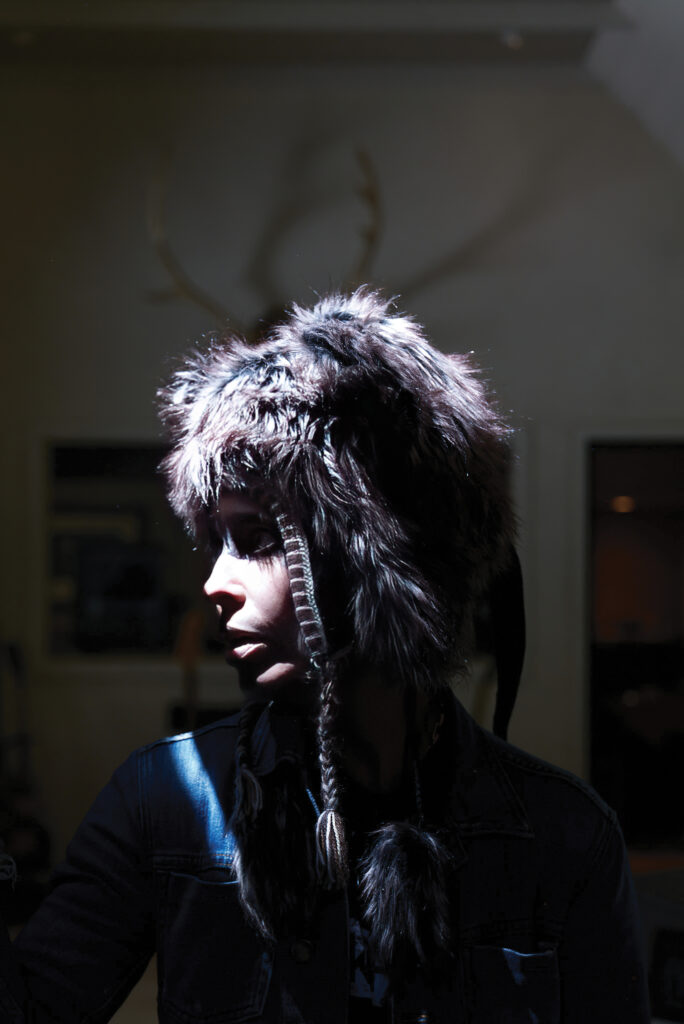
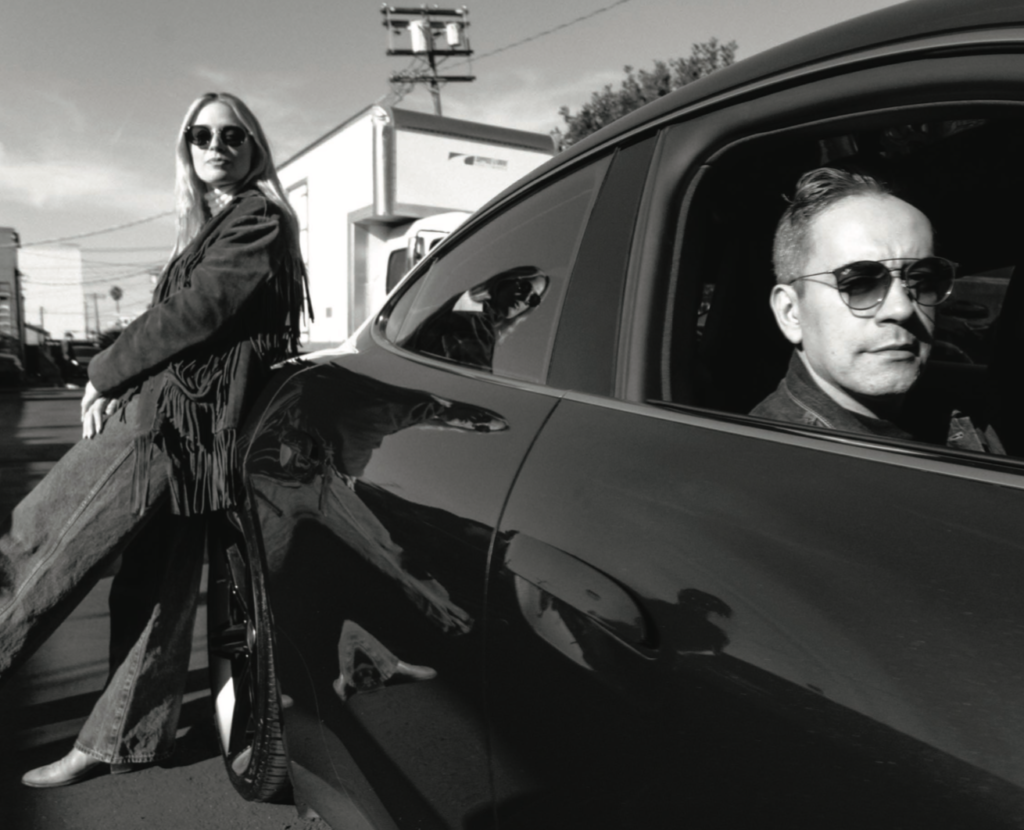
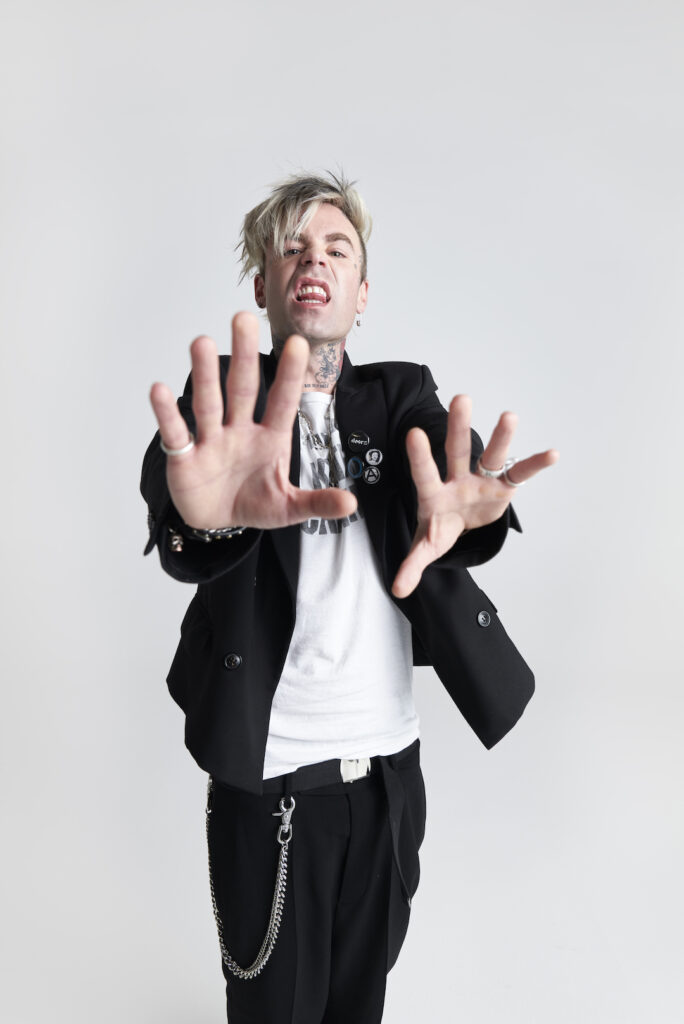
Photographs: Daniel Rojas
“I think I’ve been touring and playing my dad’s music onstage longer than my dad did,” he explains. ”At this point in time, I have nothing to prove.”
As well as delivering some of the most technically brilliant and soul-stirring guitar songs ever written, Dweezil uses his YouTube channel to nerd out about the latest gear and remove some of the mystique about being a rock & roll icon. In fact, he’s so busy, he rarely has time to just sit and play. “I used to spend so much of my time practicing. I learned to play some of the craziest things that [Frank] ever wrote, that weren’t supposed to be played on guitar. But now, I could go months without picking up a guitar.” There are never any cobwebs that need blowing off when he returns though, just sore fingertips. “My hands never calloused, so that’s the only hard part.”
Marvin: You’ve been around music your whole life, but when did it click for you?
Dweezil: “It’s funny because I only ever heard my dad’s music growing up. We didn’t really listen to the radio; it was just whatever he was working on. When I turned 12, though, I started listening to local radio stations which played The Beatles, AC/DC, Led Zeppelin, Ozzy Osbourne, Black Sabbath, Queen, The Who… I was only really interested in Van Halen and Randy Rhoads, who played with Ozzy. I had picked up a guitar when I was six but didn’t really know what to do with it until then.”
You’ve spent a lot of your life performing your dad’s music live. When did it stop being just about preservation and start becoming something personal for you?
“It was always personal. When I started though, I didn’t know if it was something I would do for more than one tour but because people enjoyed it, we just kept going. Before I knew it, I was doing 100 shows a year for about 16 years. We stopped because of the pandemic and a number of changes that happened in the industry, but we went back to it [in 2024]. 20 years after I first started, I’m still playing this music. I’ve done it to a high standard and stuck closely to how he would have done things. Things will probably be a little different on this new tour though. I might tweak arrangements and explore different territory. A lot of people that go to these shows are so familiar with my dad’s music, but hearing it live with a new spin on it is some is a way for them to recapture their own youth.”
Do you have any original band members playing with you?
“I have in the past, but it’s not my favorite thing to do. My dad only stayed in touch with a handful of the musicians he played with. He was an auteur – he knew exactly what he wanted, but at some point, the musicians would sometimes long for some sort of freedom. If you weren’t going to do what he asked you to do, though, somebody else would. He would run into these situations where people would start to have delusions that they were more important than my dad, and they’d try to change things up. I’ve had that happen too. When someone becomes heavily afflicted with lead singer disease, it’s time for them to go.”
I’m not sure I’ve heard a musician described as an auteur before…
“He had a complete vision and the skill set to write what he wanted to hear. His music is much more akin to classical music [than rock and roll]. All the rules of how to play it are in the manuscripts, and it’s not really open to interpretation.To me, it’s worthless when people decide to come a Frank Zappa song but then change it. No orchestra rewrites Beethoven or Bach or Mozart; they play it as it is. It’s the same with my dad’s music. Some cover versions can be better than the original – Jimi Hendrix’s ‘All Along The Watchtower’ is more interesting than Bob Dylan’s – but I’ve never had that with my dad’s music. He just had a very particular sense of harmony and rhythm. Often, people can’t play it [like he did], so they change it. That’s the sign of somebody who shouldn’t be playing [a Frank Zappa song].”
How much time do you spend on your own music?
“Even if I wanted to make an album, there’s almost no point because we wouldn’t sell enough copies to make the money back. It’s not commercially viable. When it comes to tour, I’m always choosing from my favourites within my dad’s whole catalog, because that remains the thing that can be monetized enough [so we can] keep going. I’ll probably do some more stuff eventually, though. I’m interested in writing new stuff. I just don’t have enough time to explore doing that right now.”
What would you say to somebody who wants to start learning guitar?
meters at the Olympics, records that used to seem unbeatable are now being beaten all the time because people have figured out better ways to train. It’s the same with guitar.
“You now have access to exactly what your interests are, and within a year, you could be better than somebody that’s been playing for 50 years. It’s rare that a kid will get interested in something as complex as my dad’s music to begin with. I started with Van Halen and Randy Rhoads. I love my dad’s music, but I always thought it was too complicated.”
Do you still have fun playing music?
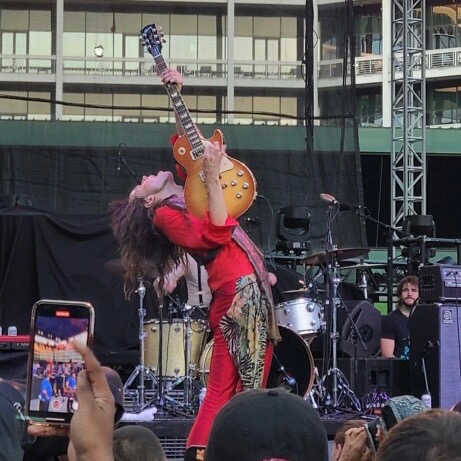
“I have a lot of fun playing live because, just like my dad, the improv sections are there so that you can spontaneously compose something in that moment that is not ever going to be duplicated. It happens in real time and is never going to be repeated. My dad really liked that aspect of playing music.
“He would describe his own guitar solos as air sculptures, because he was thinking of the air molecules that are just moving around and colliding [when you make music]. He would envision the shapes of the molecules, so he wasn’t really listening for what he was playing. He was almost in a trance, just building these air sculptures.
“That’s a different headspace than saying, ‘Hey, check out my fast guitar licks’, you know. For me to play my best, I have to get into that trance. If you get yourself locked in a place where you’re playing more as a reaction to what you’re hearing, then it’s a much more interesting thing for you and the audience. It’s a call and response. It’s an interactive thing. The band is good enough that they’ll hopefully just follow me if I start going to some weird places.”