EVERY ROCK LEGEND HAS A GIBSON
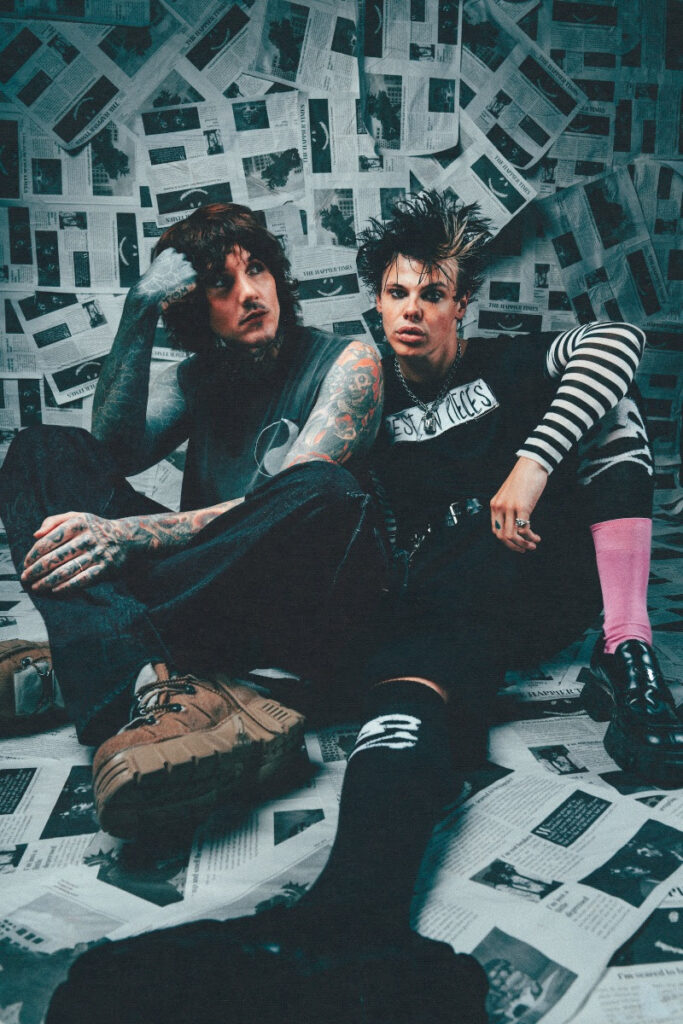
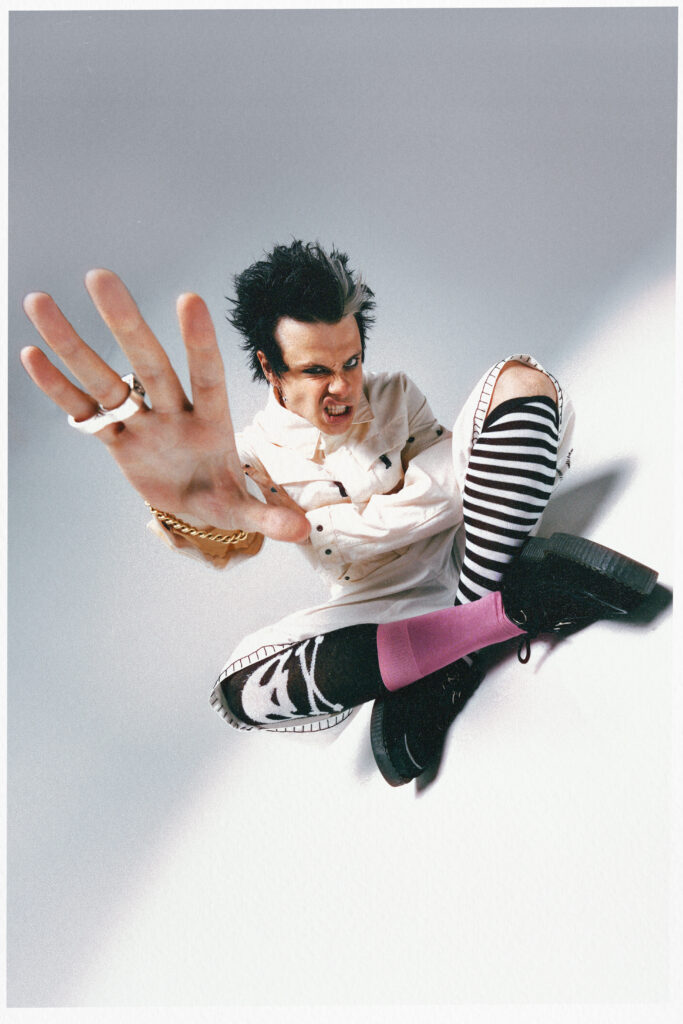
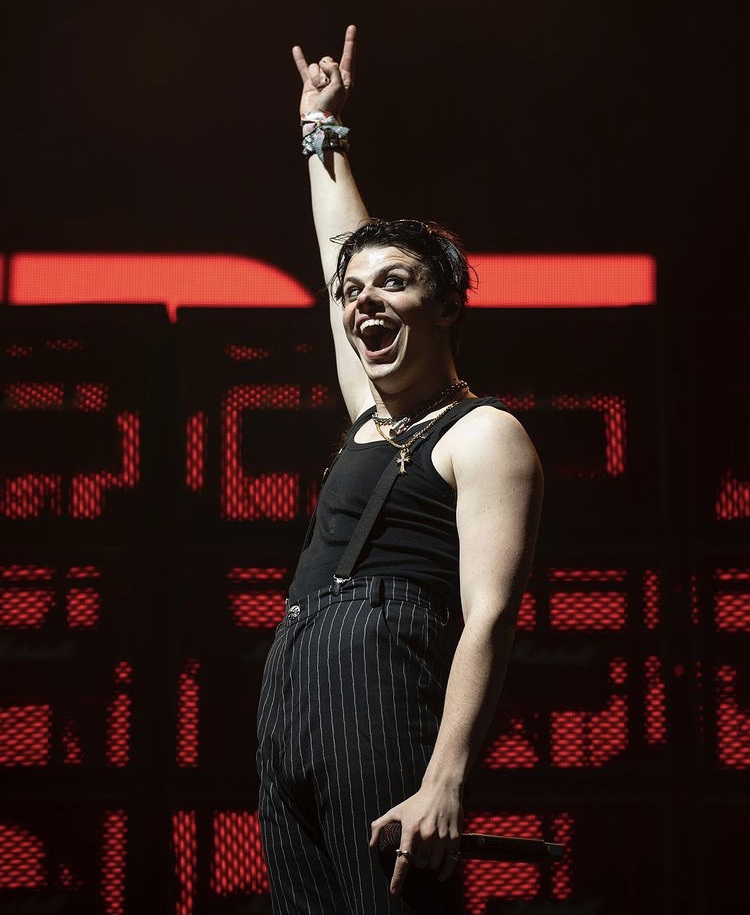
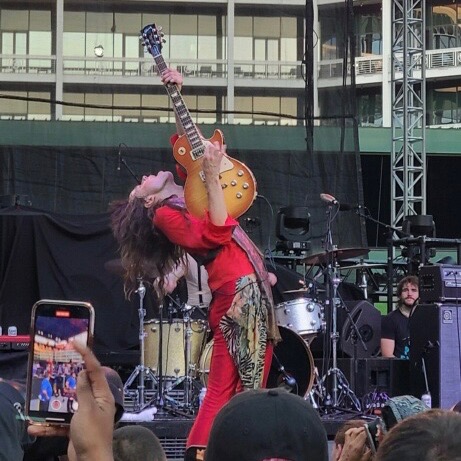
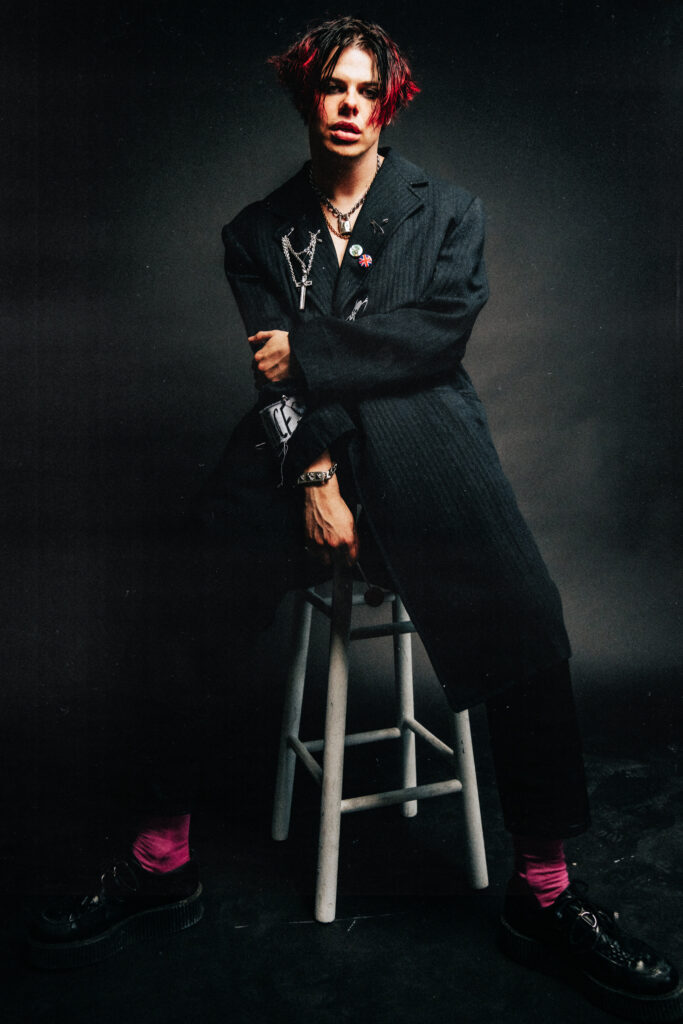
Green Day’s Billie Joe Armstrong, Bob Dylan, U2’s The Edge, Noel Gallagher, Yungblud – pretty much every one of your rock & roll gods uses a Gibson guitar.
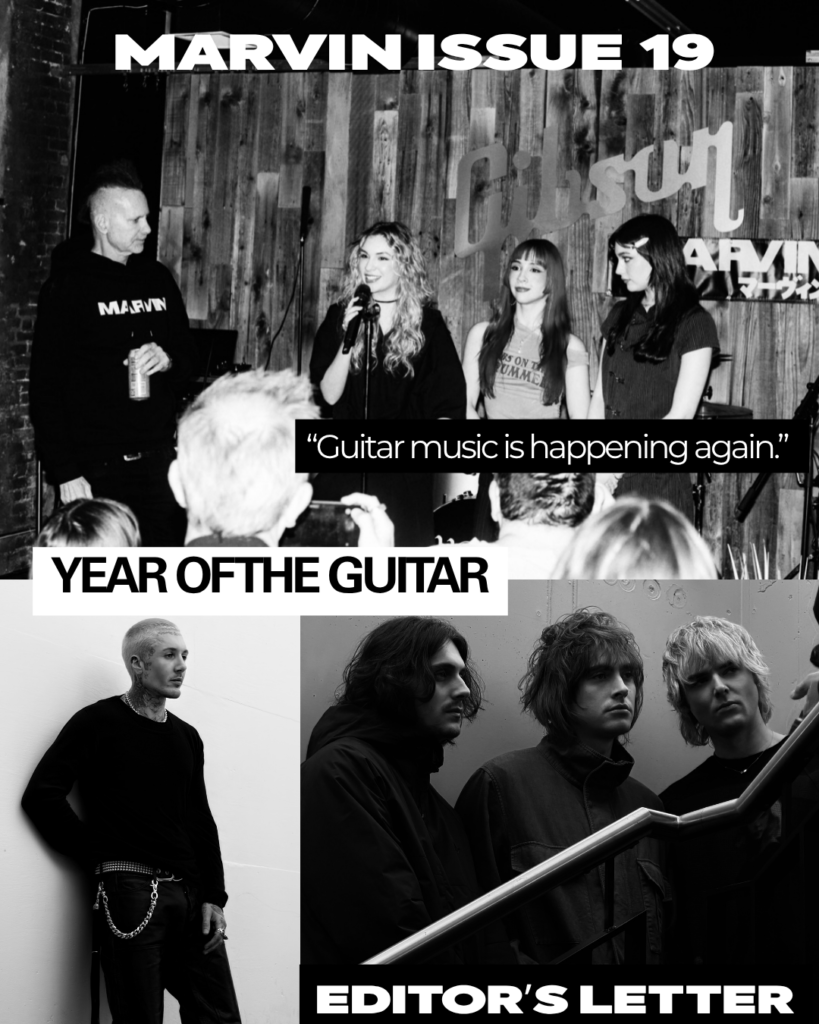
With one in Nashville, one in London and one opening in Miami soon, The Gibson Garages are a monument to that 100-year-plus legacy. Offering expert advice, in-house workshops, talks, rotating art galleries and a lot more, the spaces are also an important tool in ensuring the next generation of guitar heroes have a place to go.
The goal according to Mark Agnesi, Director of Brand Experience for Gibson, is for the Garages to be “the” place to go for absolutely anyone interested in guitars. And it seems to be working.
“It harks back to the days when I used to go to music shops and drool over the guitars and wish that I could touch one, but you couldn’t in those days,” says Queen’s Sir Brian May. “Gibson has done a wonderful thing by making the Garage a place that people can come to. Even if you are a kid and you’re not rich or famous and you’re not that great a guitarist, you can still come in here and you will be welcome, and you can get into the world of guitars. When Queen was starting out it felt like there was no way in… There wasn’t a place like this to get accustomed to people. There wasn’t a place that you could play because you couldn’t play anywhere unless you had a record deal and you had a record out, and you couldn’t get a record deal unless you were playing, so it was a complete catch-22 situation. It’s still hard, and a place like this can really help.”
Marvin: The Gibson Garages feel like guitar heaven, especially with the conveyor belt of instruments winding through the store. What was the original vision for the space?
Mark Agnesi: “We wanted it to be something you’d never seen before. Every time we give somebody a tour at the Gibson factory and we get to the conveyor belt of guitars, everyone stops, and gets their phones out. Not only is it storytelling – this is how they come out in the factory – but it’s become an art installation in its own right. Now, it’s become a non-negotiable for all garages… which means I have to find spaces that have high enough ceilings. I also frame the stage, and that’s always the centre point of Gibson Garages.”
How much of the Gibson Garage is about celebrating local history, and how much is it about the worldwide influence of the brand?
“Part of me likes to try and tell the whole story of the brand through the Garage. If someone who isn’t a guitar play walks in, then they can look at the walls and see everyone they’ve ever heard of up there. As a brand, we encompass all styles. If you point to the greats of any genre, there was probably a Gibson in their hand.
But we also use local artists to help decorate because we do want to bring that local neighbourhood feel into each space. London celebrates The Beatles, The Rolling Stones and had a whole exhibit on Noel Gallagher, while Nashville had Timothée Chalamet’s guitar from the Bob Dylan: A Complete Unknown movie on display. We try to keep it fresh. The goal is to make each one feel like a Gibson Garage, no matter where they are.”
We spend a lot of time online but physical spaces seem to matter more than ever now…
“Yeah! Outside of it being a store, the thing I’m most proud of so far with both Nashville and London is that they’ve become these community places where people can go and meet up. Whether they’re buying guitars or not, there’s always a reason for them to turn up. It’s a cool place to hang out and that’s something we’ve lost. The current generation is growing up without physical record stores which were always these spaces where like-minded people could come together. It was a chance to learn and [take part in] community. With the Gibson Garages, it’s going to be full of people who are into the same things you are, and you can learn something from an expert who’s dedicated their life to knowing the craft. It really feels like we’re building something with them.”
What advice do you have for someone thinking of picking up a guitar for the first time?
“Buy what you want to play because the goal is to get yourself engaged. If you want to play loud rock, bypass the trial and error phase of an acoustic and get yourself an electric guitar, because that’s the sound you’re hearing in your head. Parents seem to think everyone needs to start with an acoustic first but so many kids have a guitar forgotten in the closet because they got a nylon string classical guitar when really, they wanted to be the next Billie Joe Armstrong.”
Is it just newcomers coming to the Garage?
“Not at all. The Grateful Dead’s Bob Weir used to come in to buy strings but always ended up hanging out and talking to the staff, because it’s as much a local guitar store as it is a global brand’s experience center. There are a lot of working musicians in London and Nashville that need strings and picks before a gig. Robert Plant comes in fairly regularly as well. I gave him a tour one time and we ended up at the Repair and Restoration workbenches where one of the techs has a ‘No Stairway To Heaven’ sign from Wayne’s World on the wall. We ended up taking a picture of him with it.”
Why do you think rock music is really having such a resurgence right now?
“I think it’s been gone for long enough that there’s pent up demand from a new generation of kids. I’ve got a 12-year-old son and his playlist is pretty much the same as what I was listening to 20 years ago. They’re going back and discovering the roots of the genre, but they can still go and see it performed live. We’re in this era where rockstars keep touring so they can still be a part of it. There’s also a lot of great new artists like Yungblud who have really captured the energy and spirit of what going to a rock show felt like when I was a kid.”