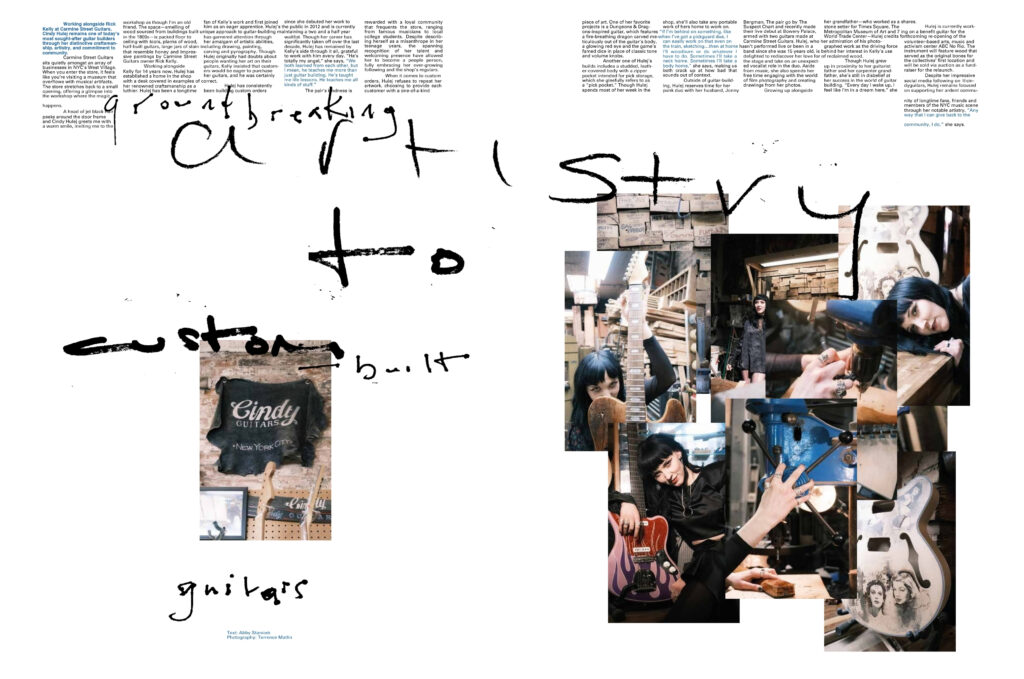
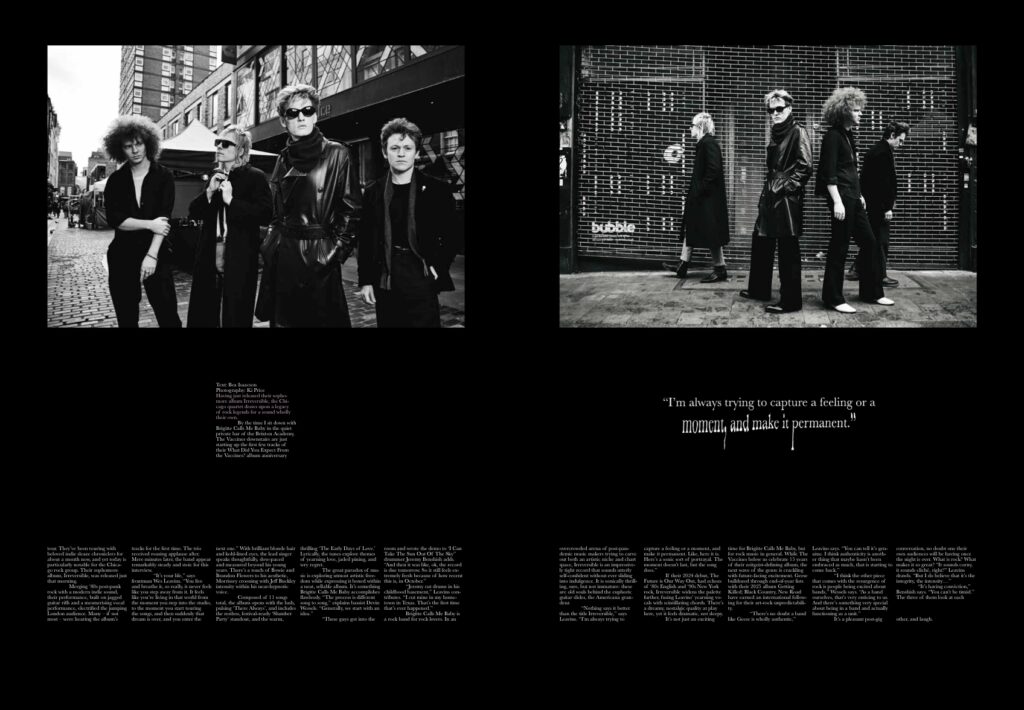
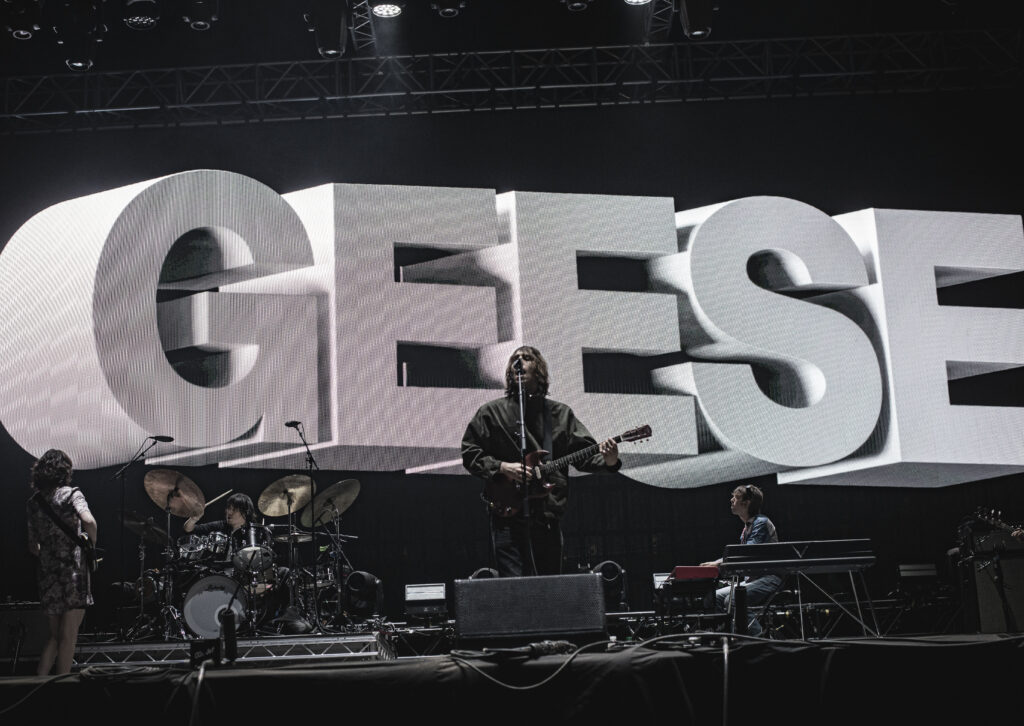
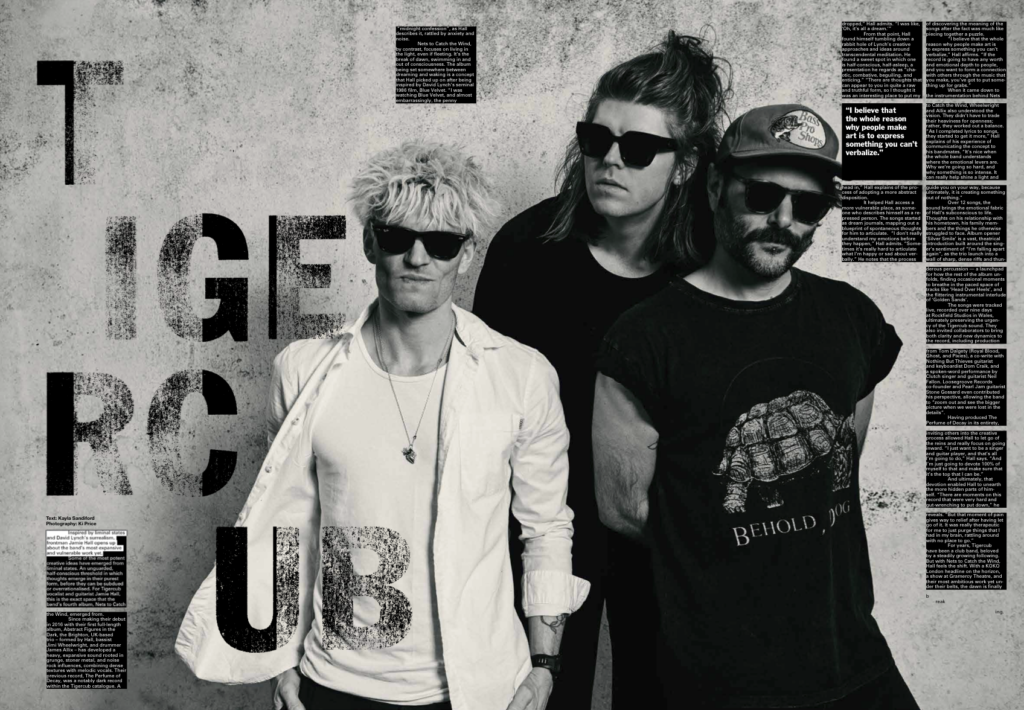
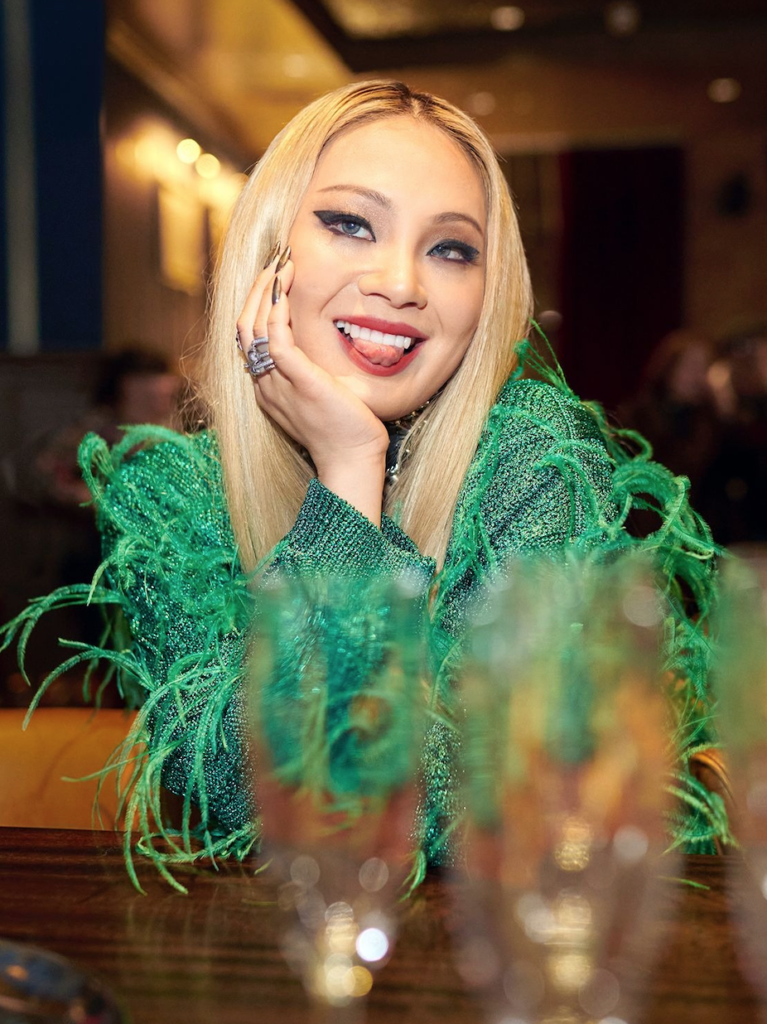
TOVE STYRKE ON HER NEW ALBUM AND “CRAVING GENUINE”
by Libby Heart
Another blistering hot morning in L.A., but this time I find myself tucked away in my apartment, kneeling on my bed waiting on the first earnest zoom call I’ve had since the start of the pandemic, chatting with swedish electropop artist Tove Styrke about her upcoming album release, I Thought This Story Wasn’t About Me. We spoke of the desire for organic, human-made expression in this time of digital uncertainty, the vulnerability of creation, and how often setting limitations for yourself can be the greatest gift you can give yourself as an artist.
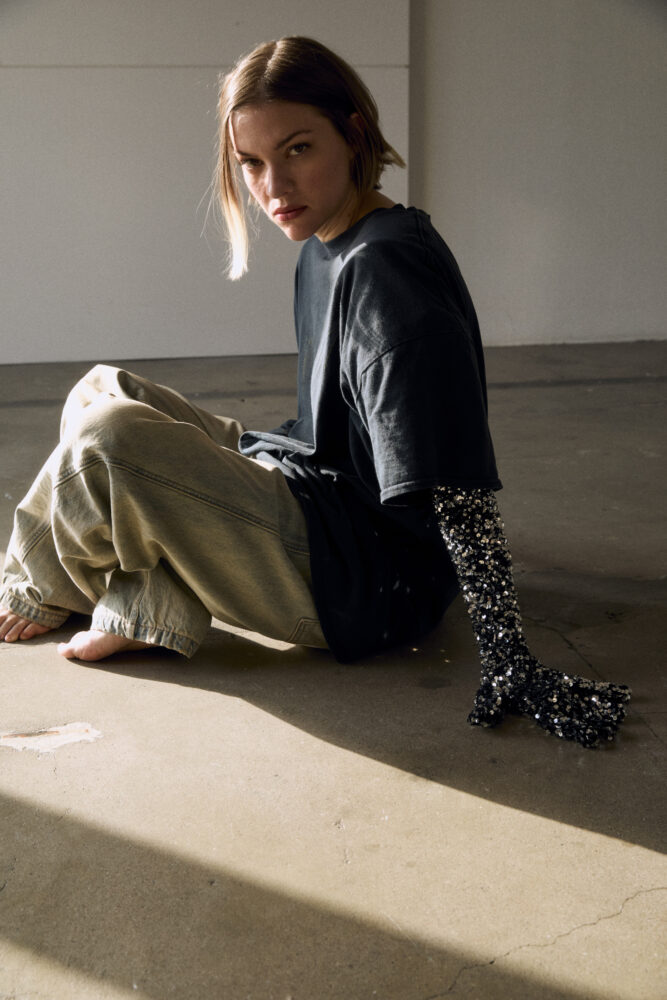
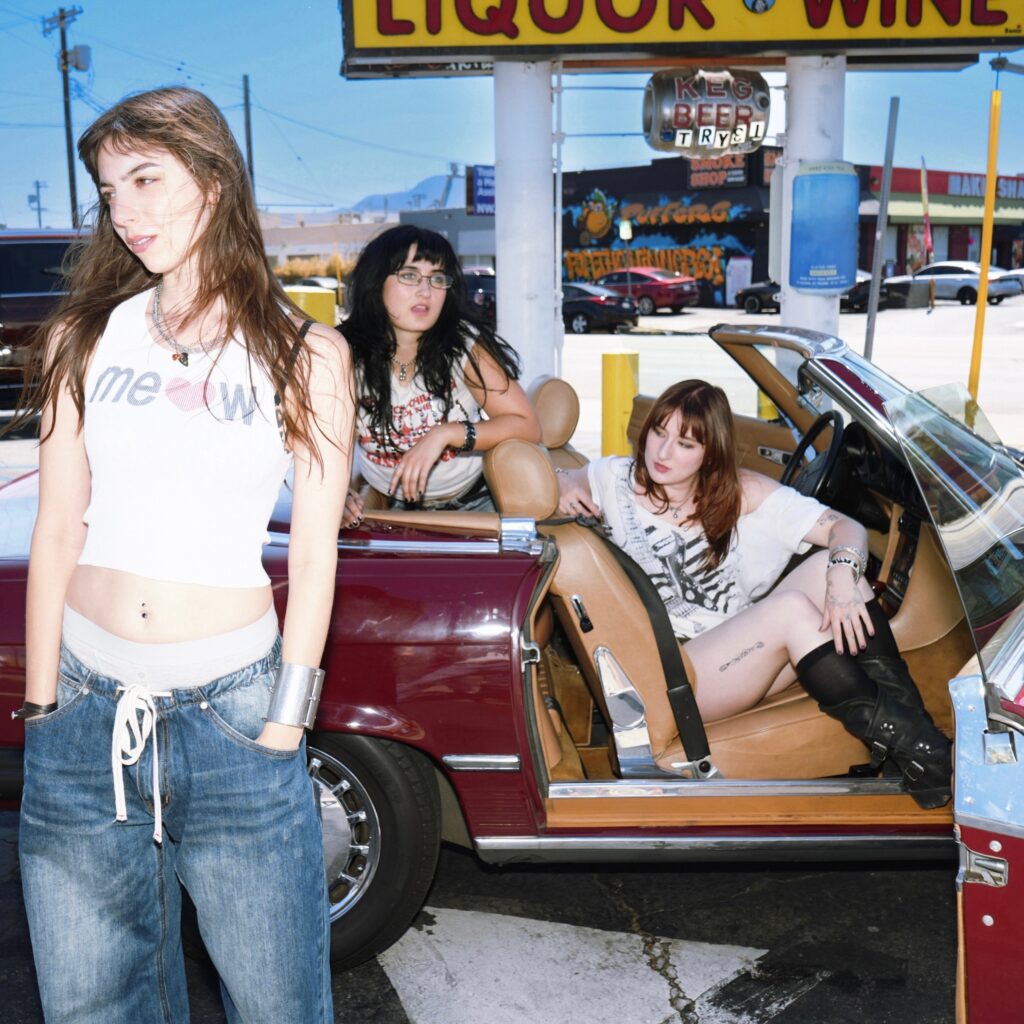
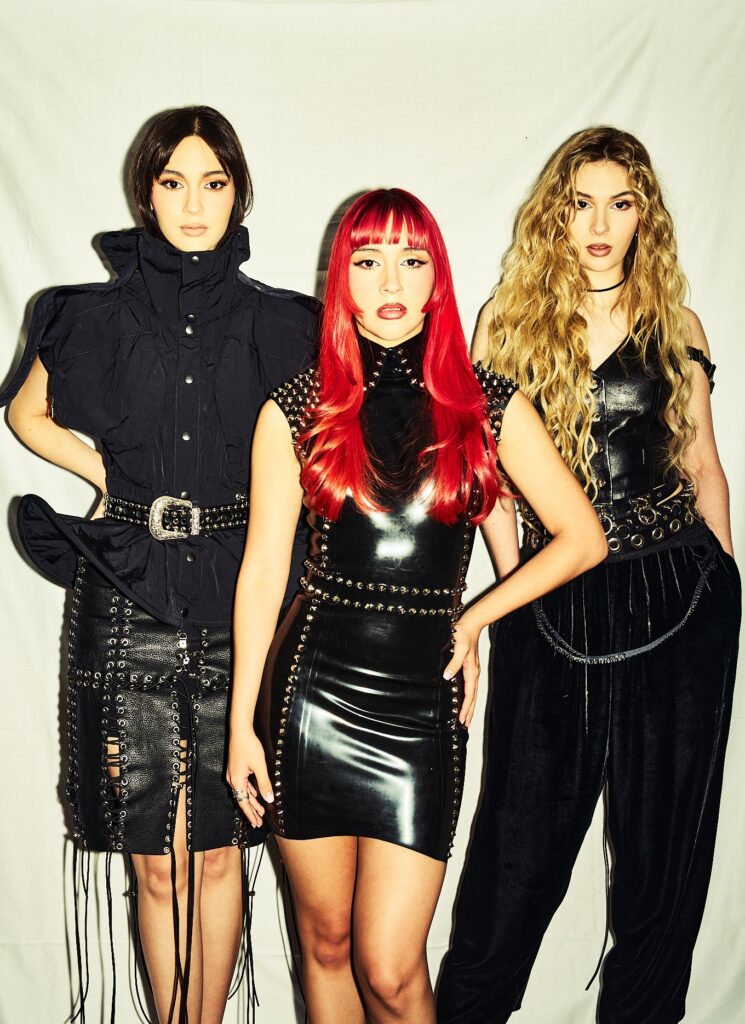
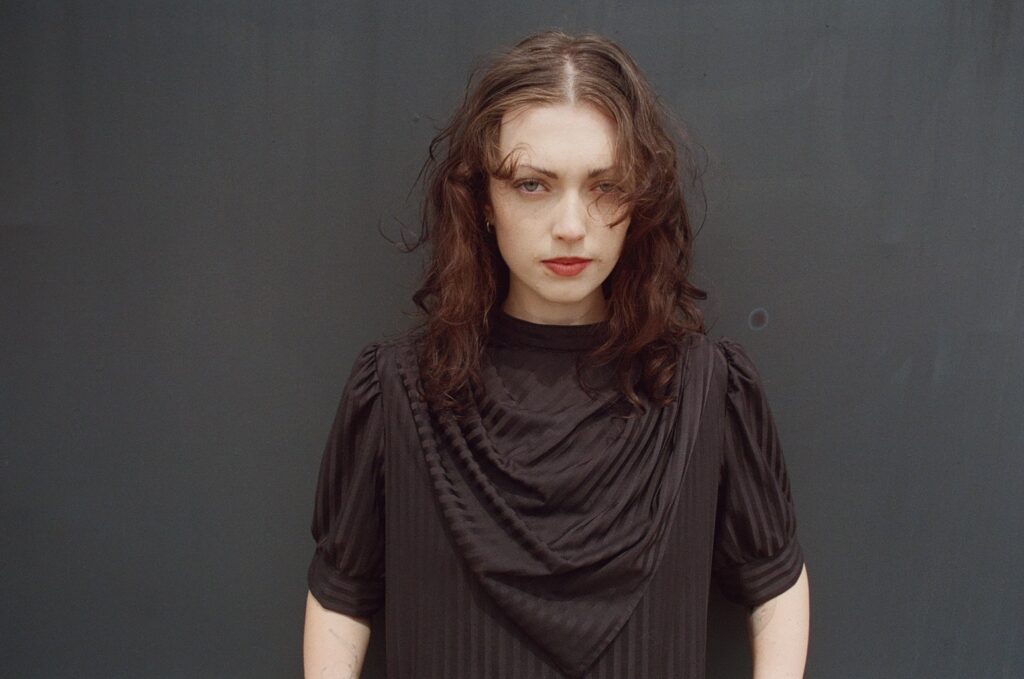
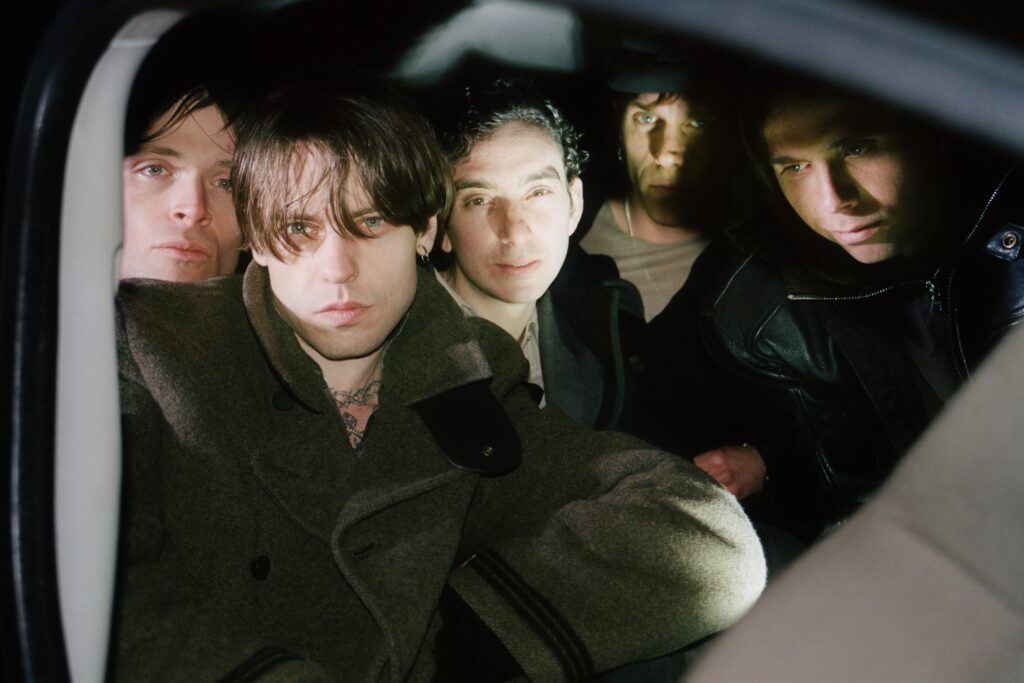
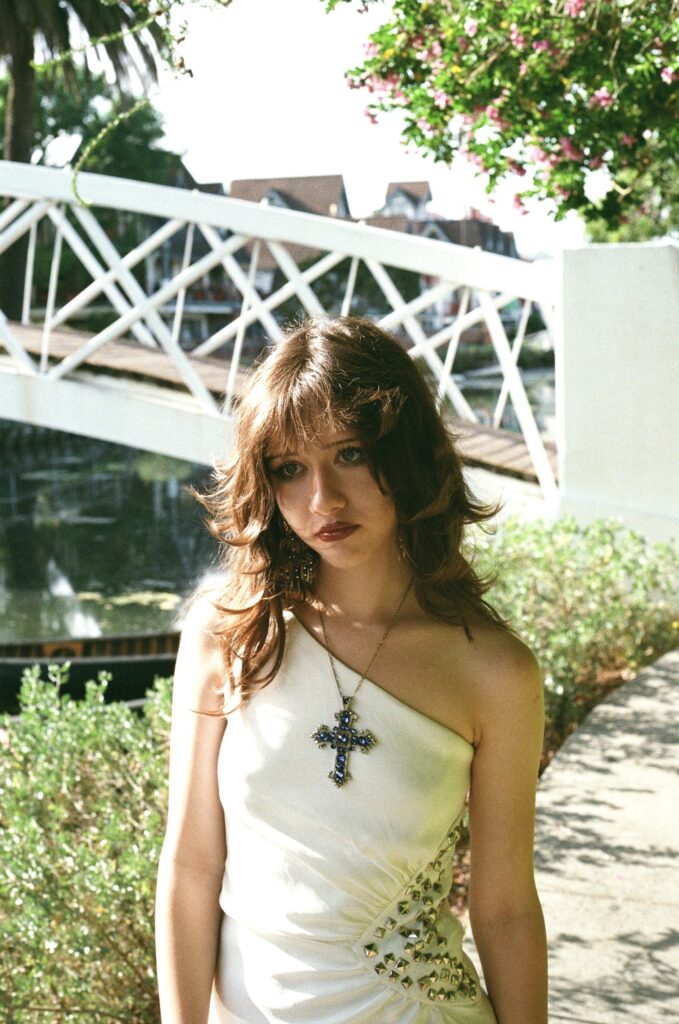
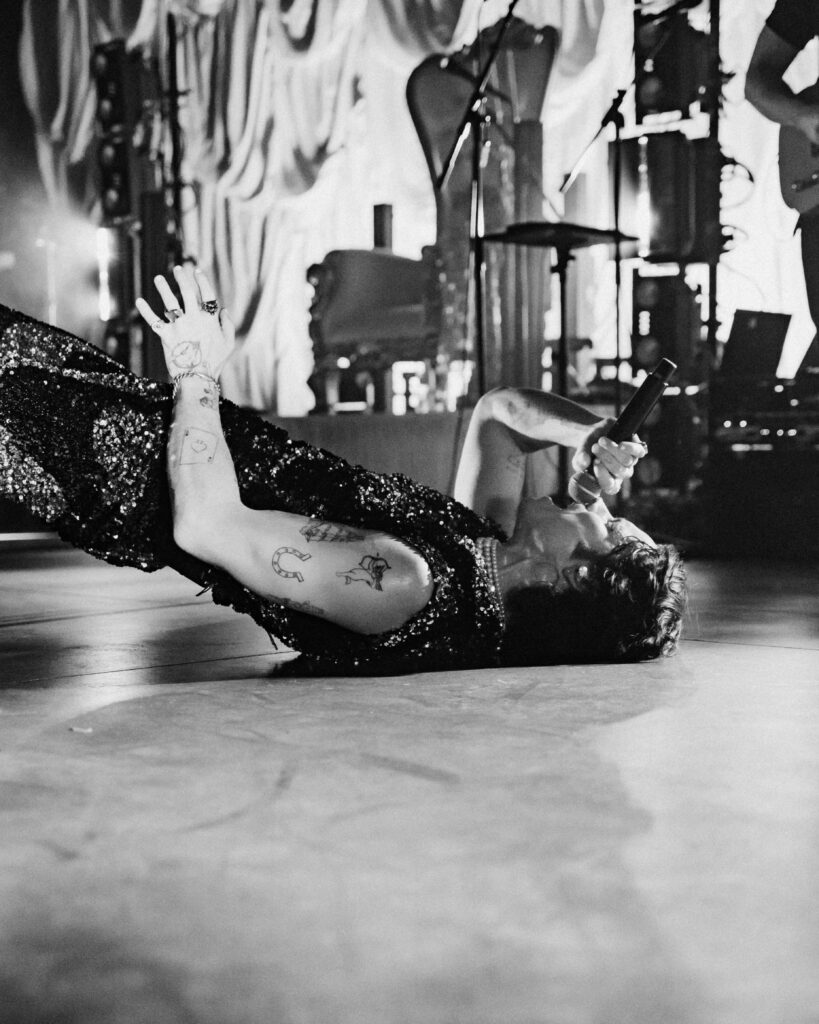
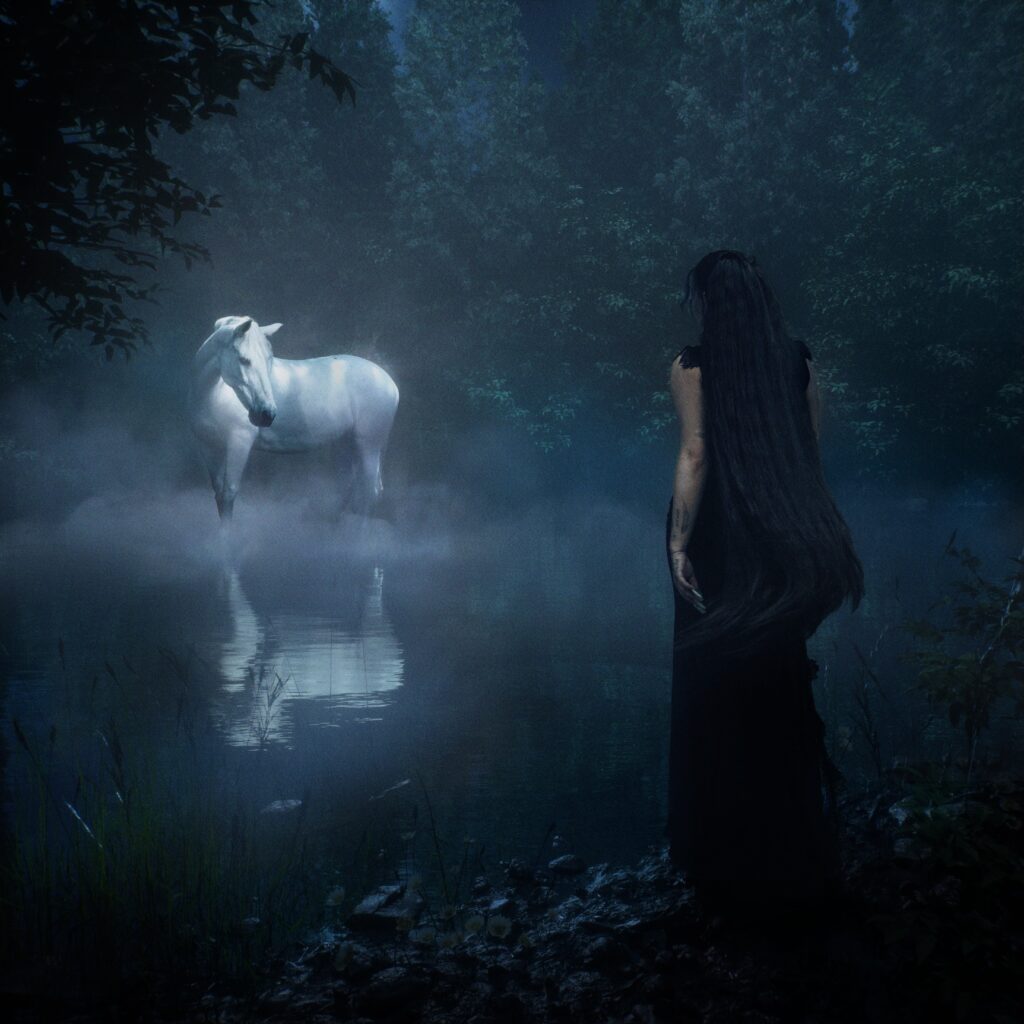
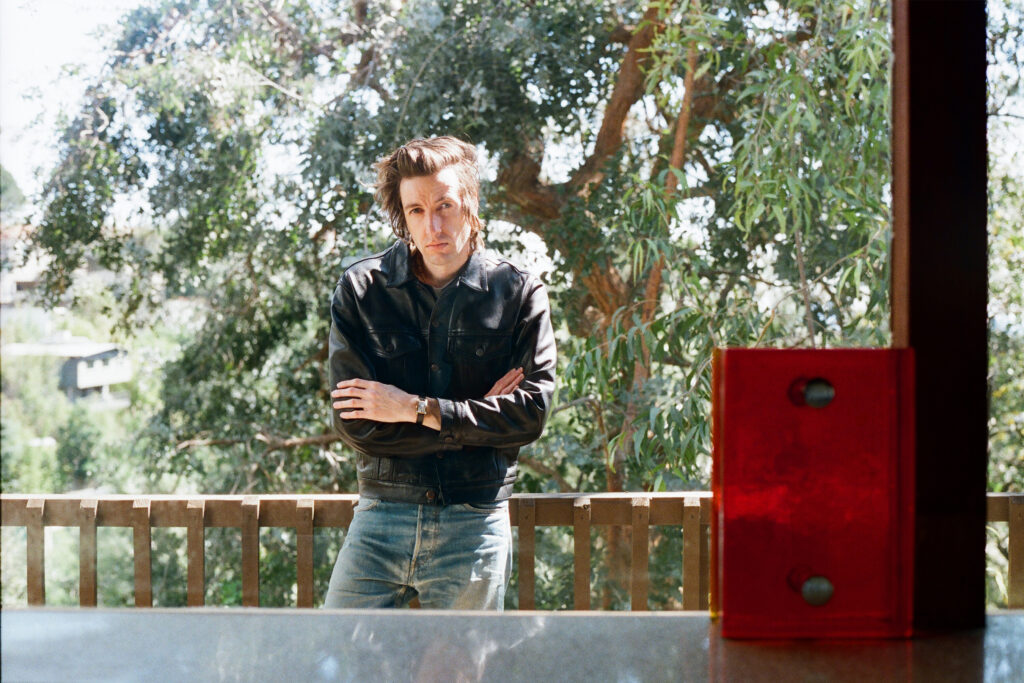
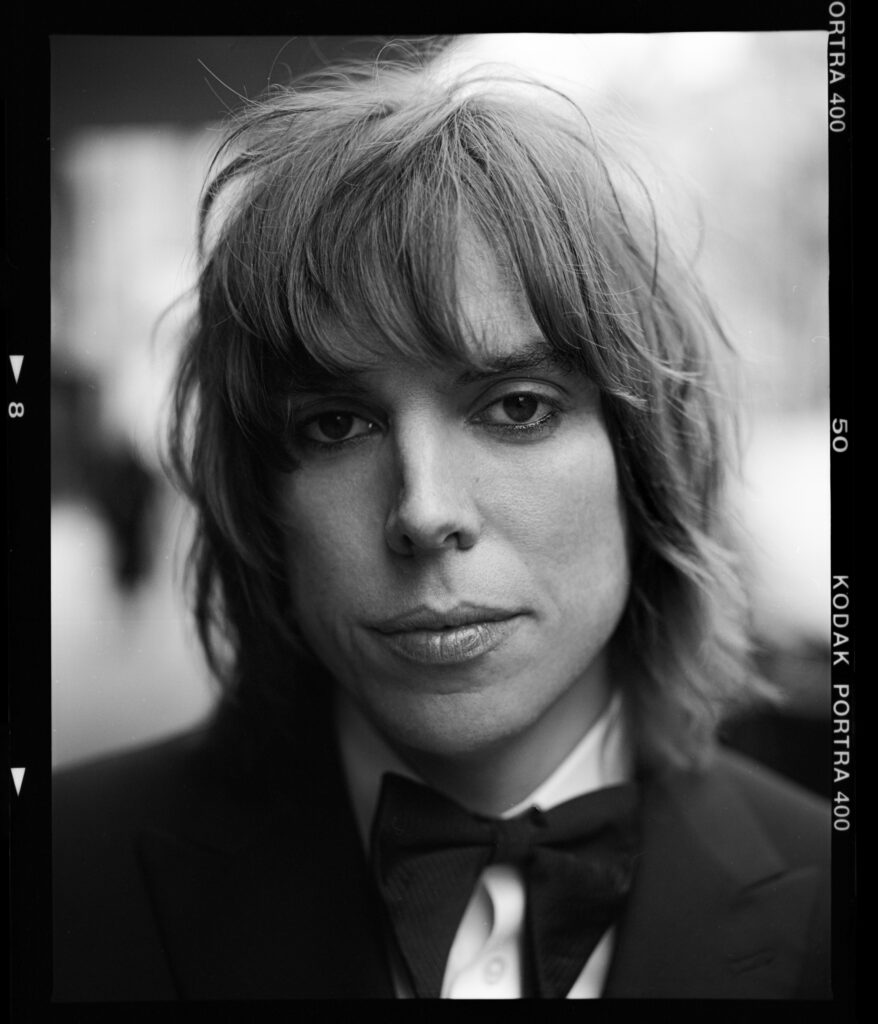
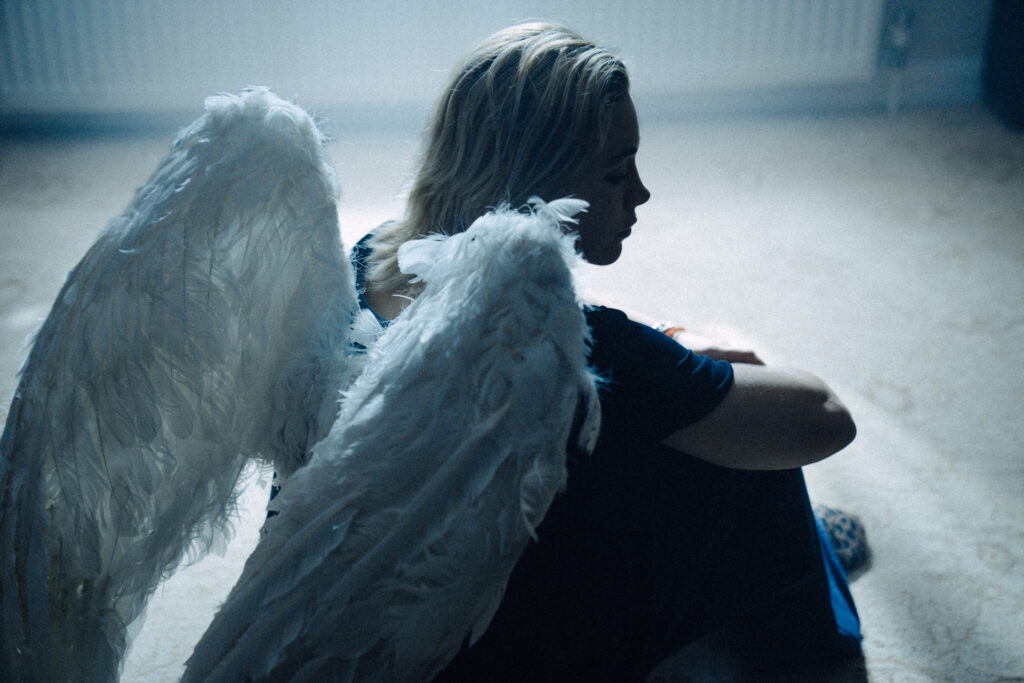
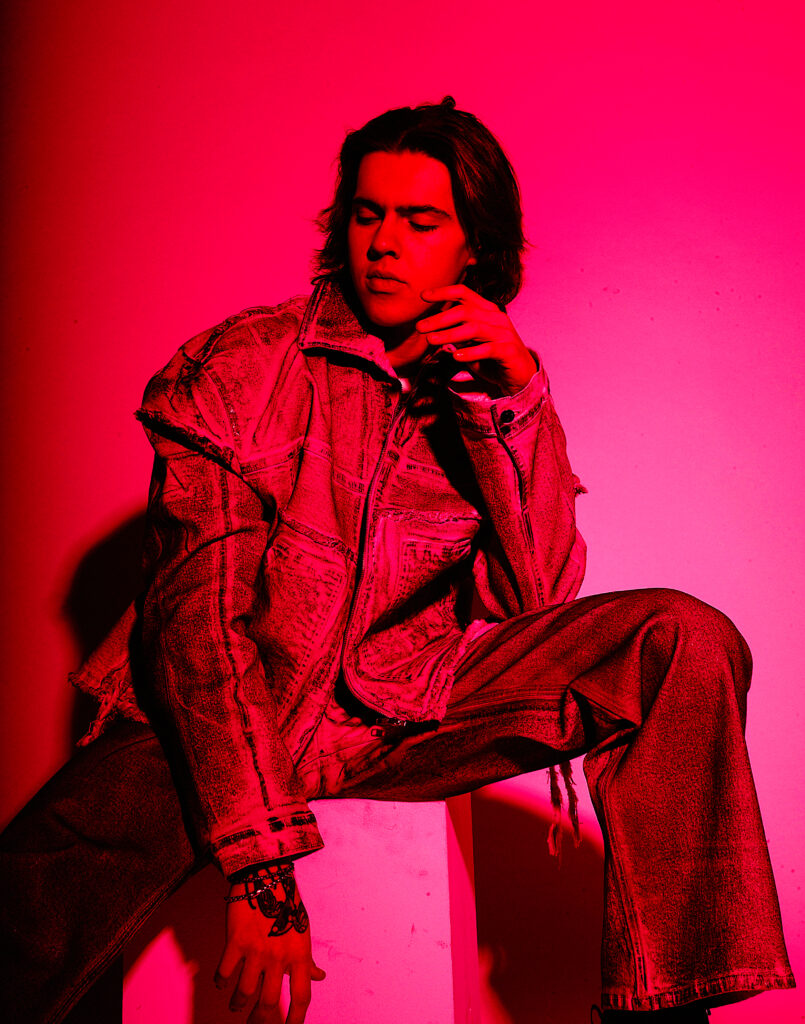
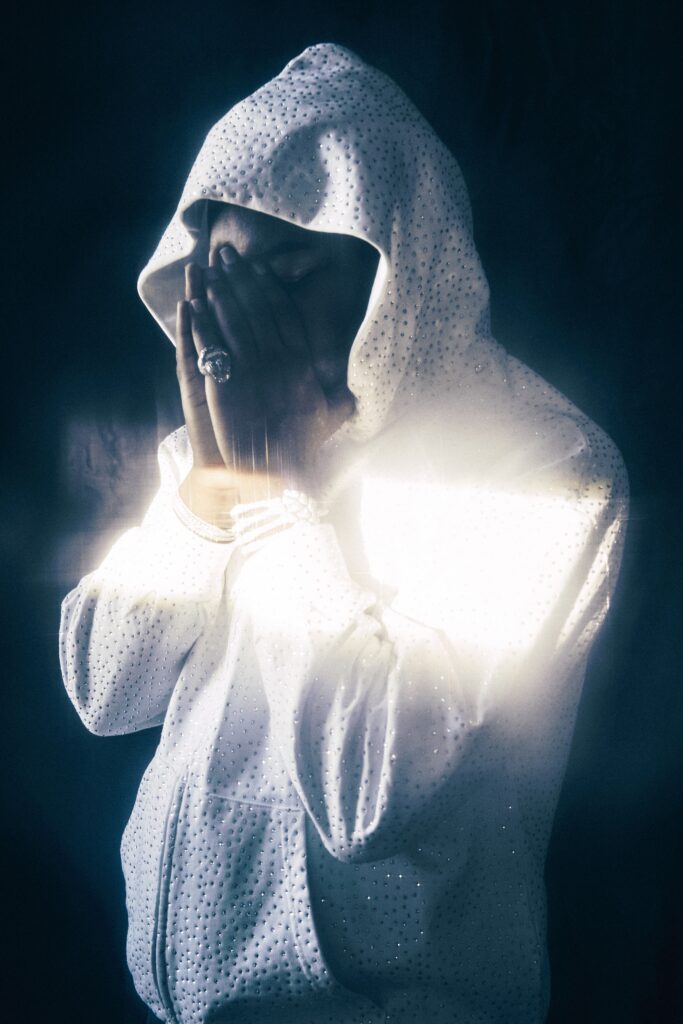
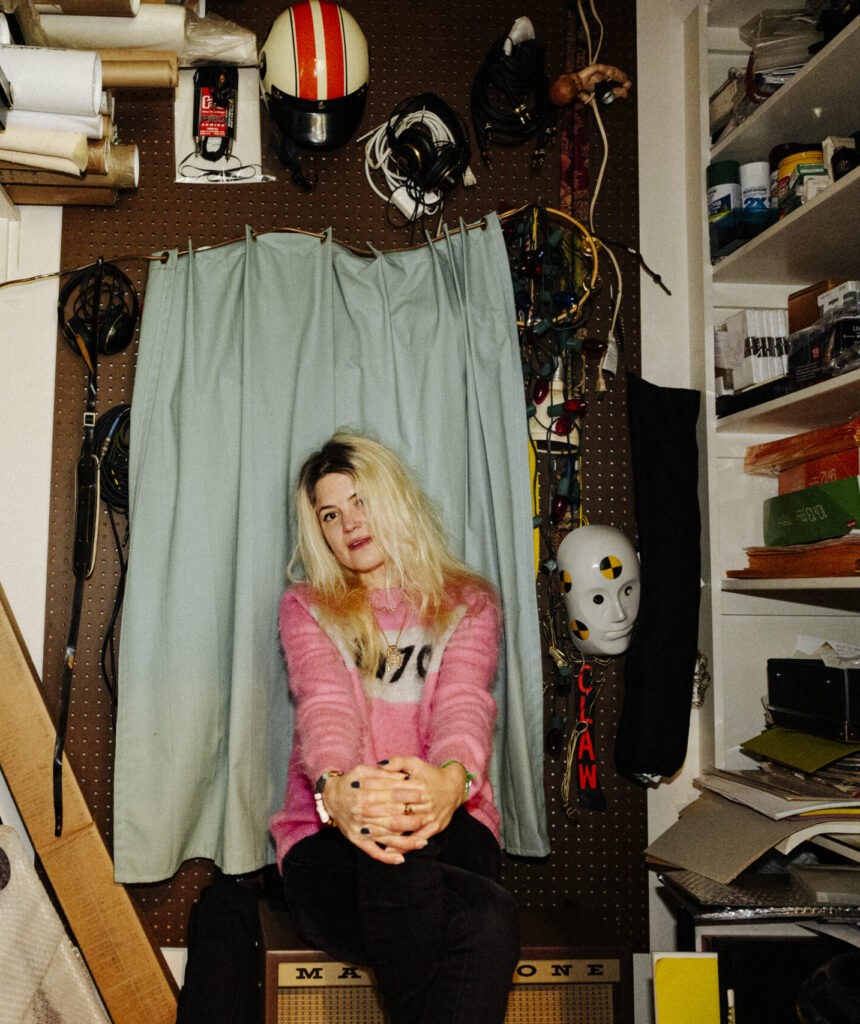
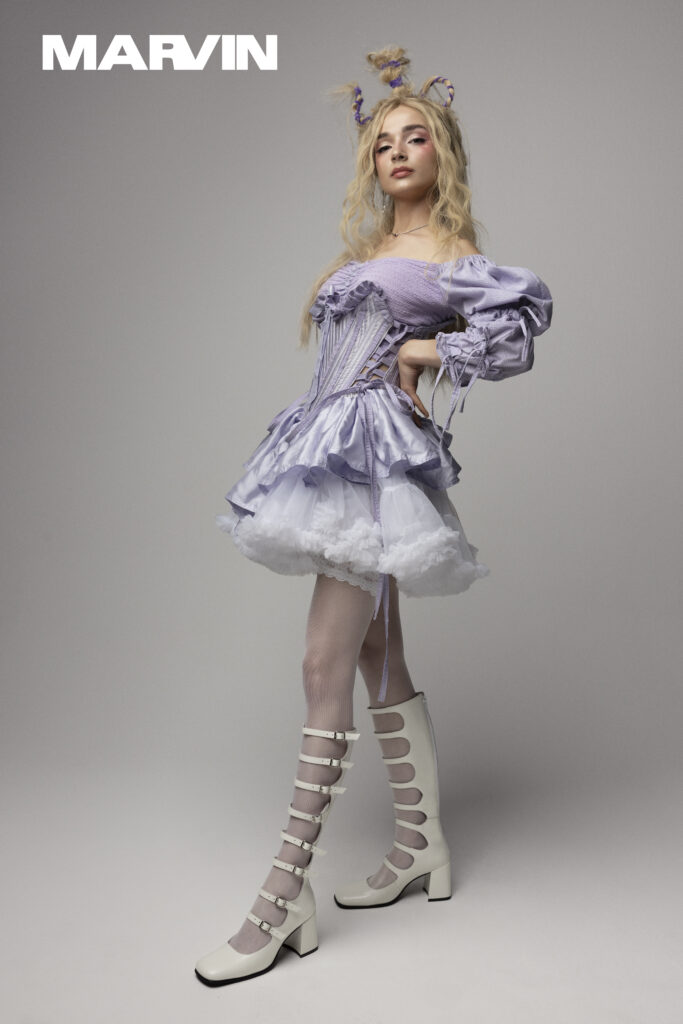
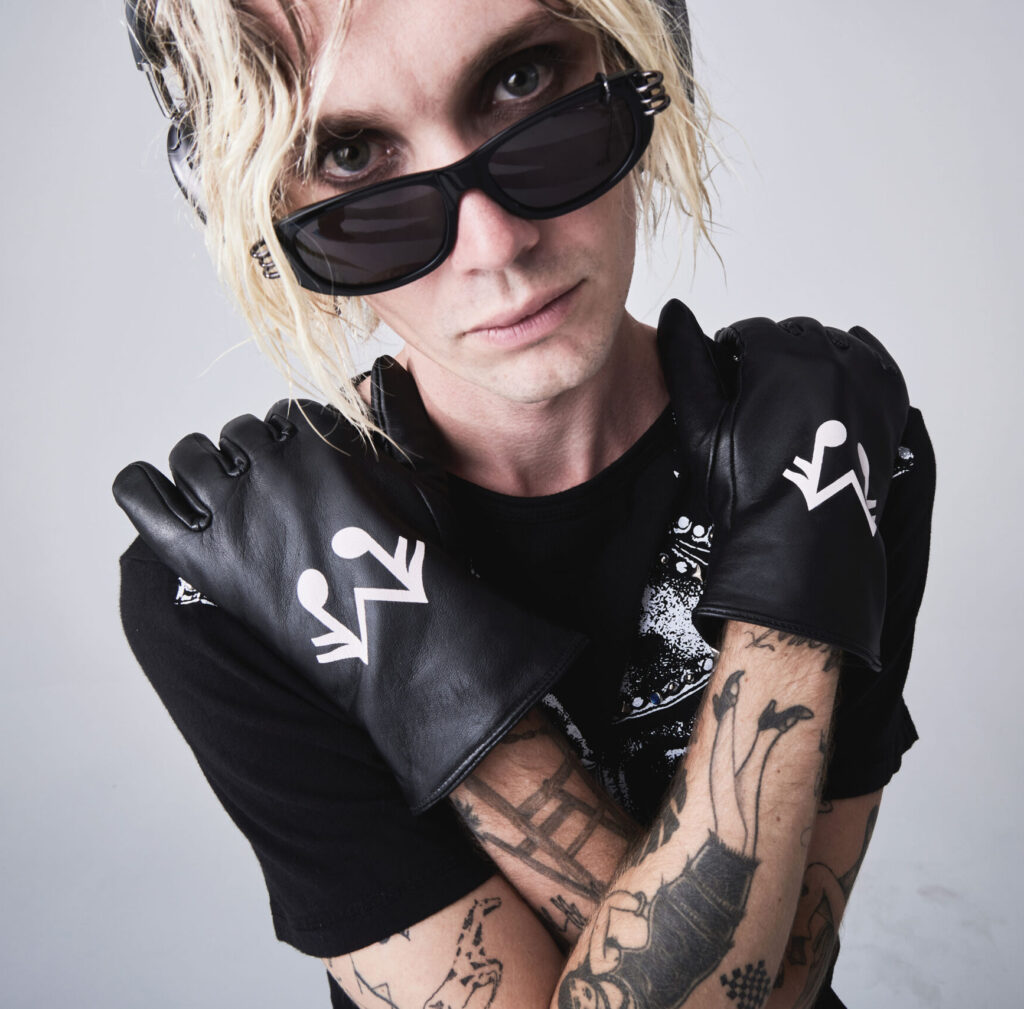
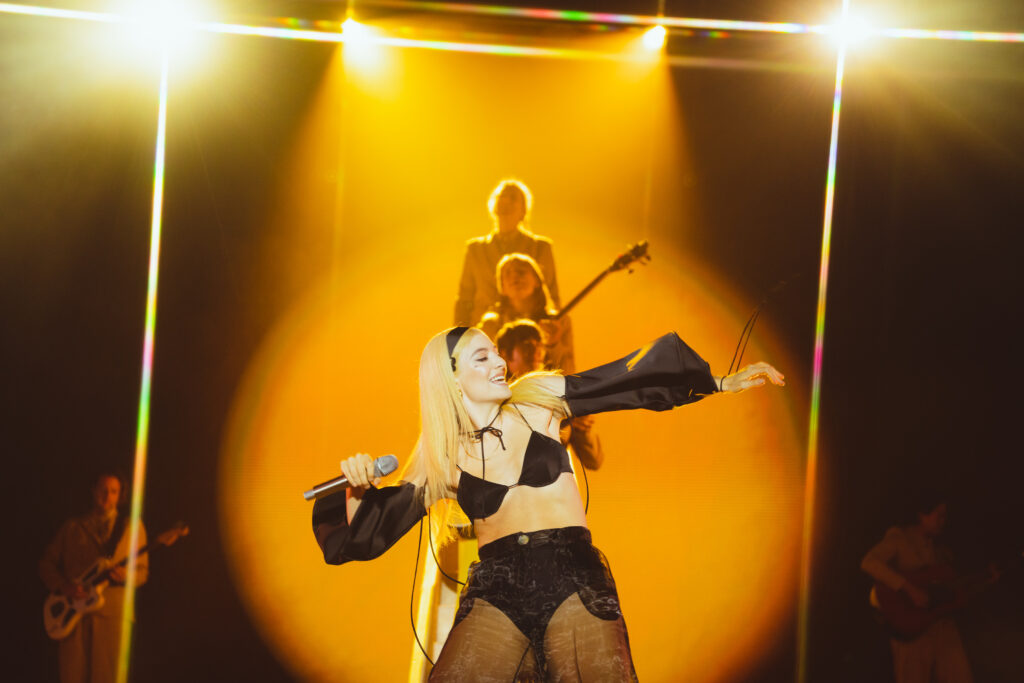
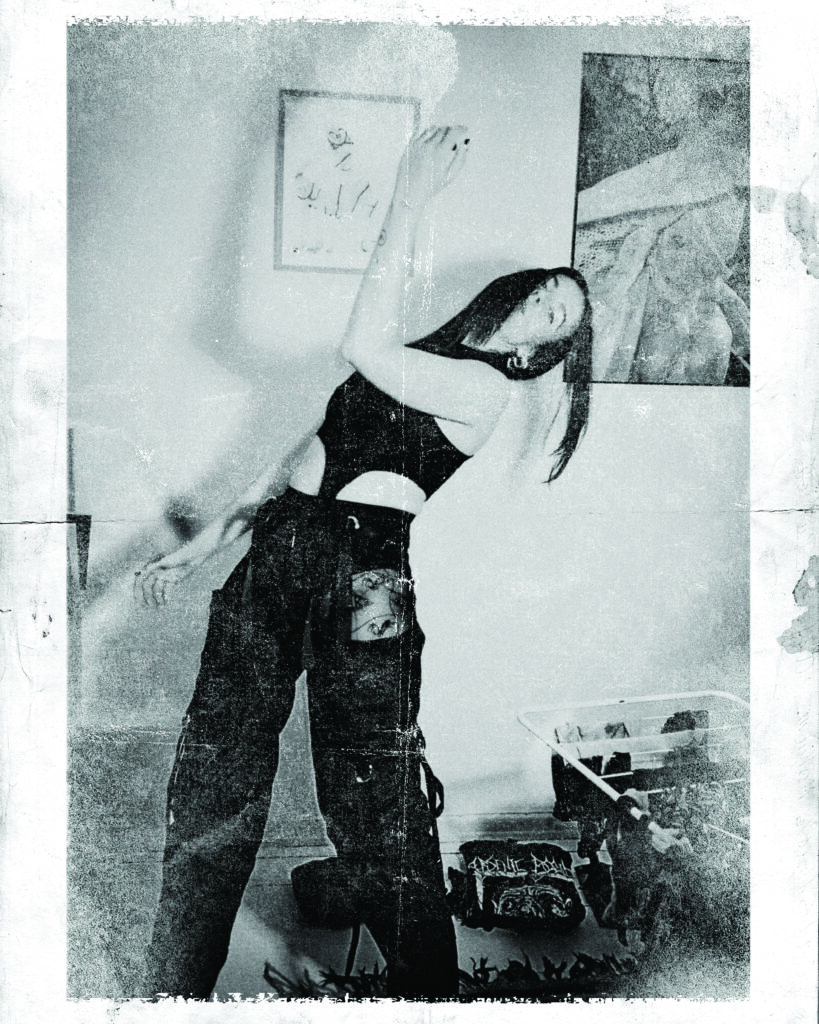
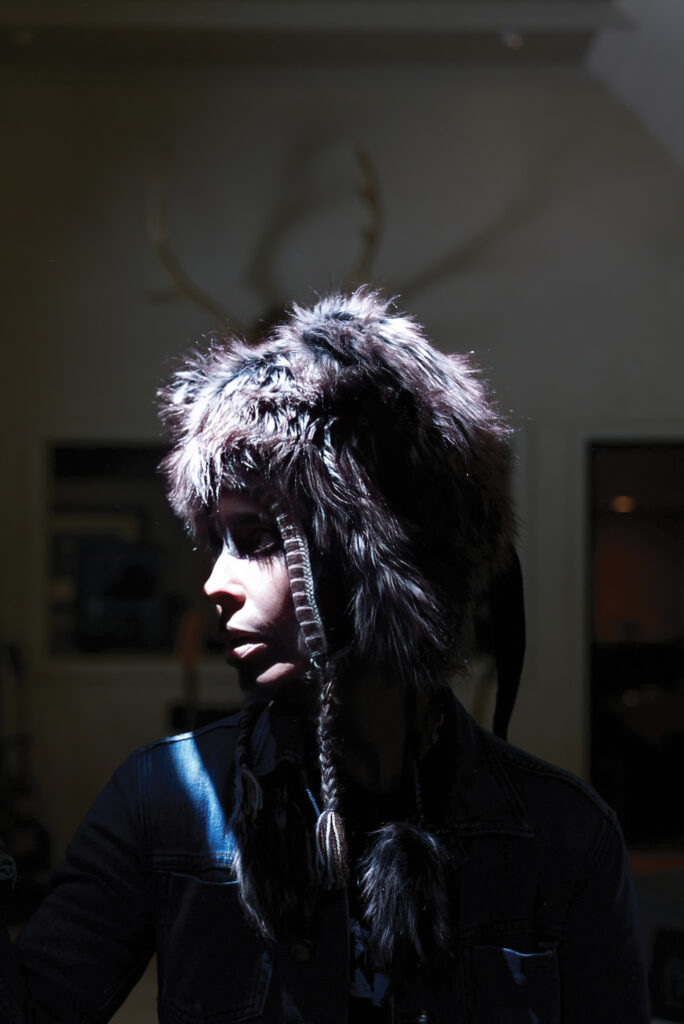
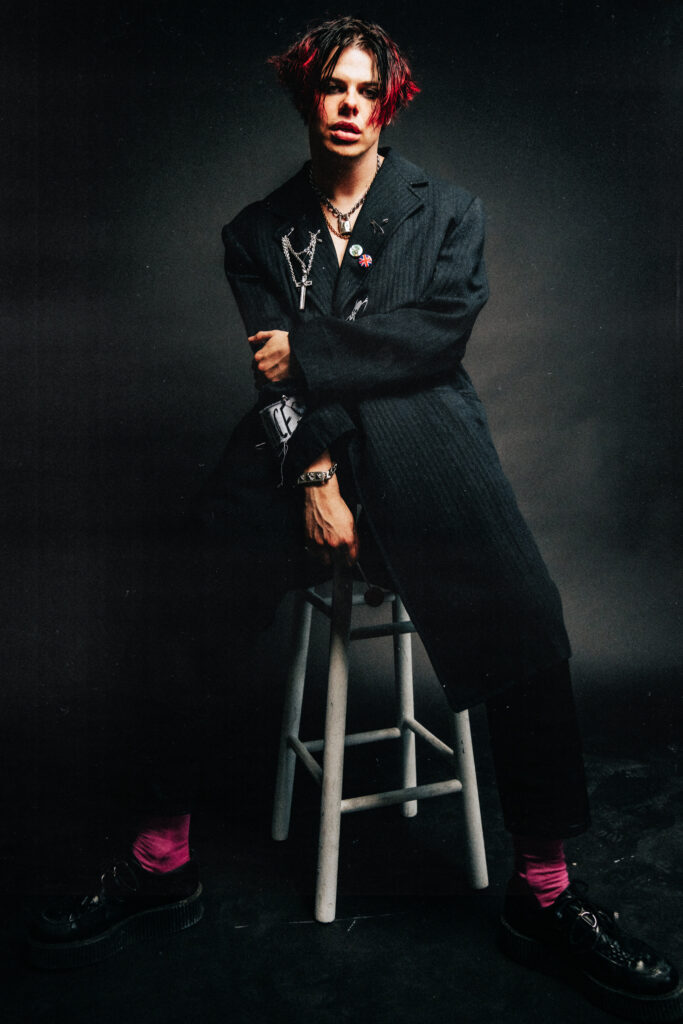
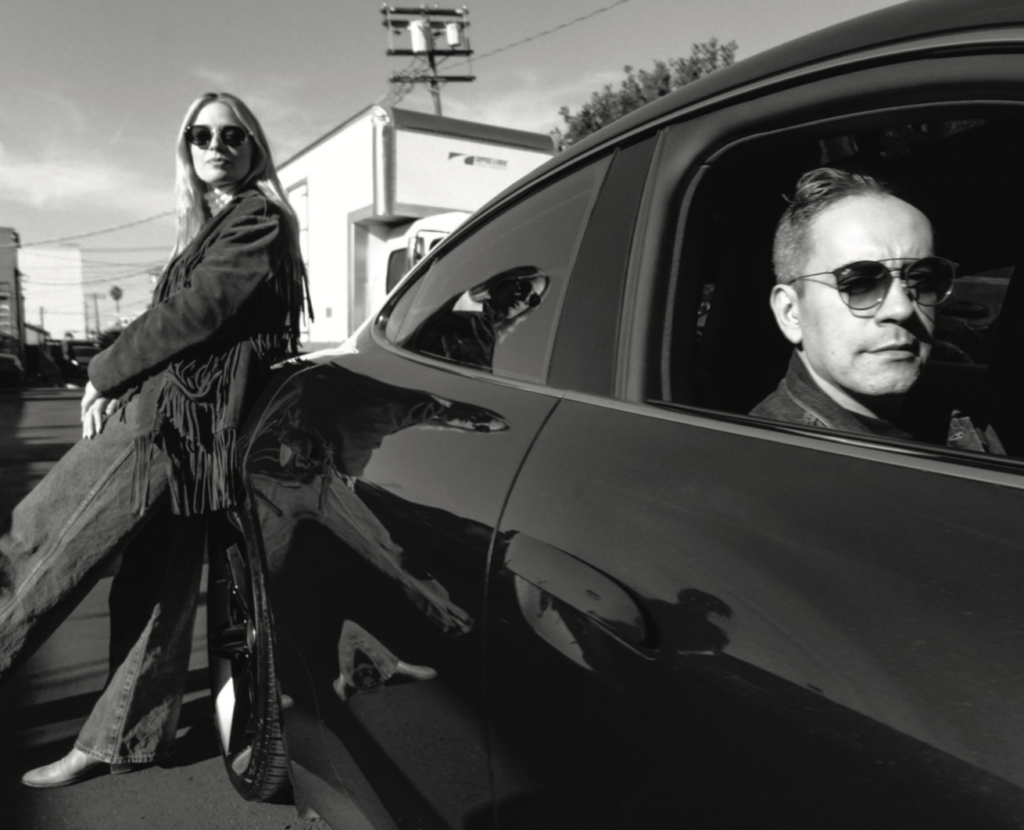
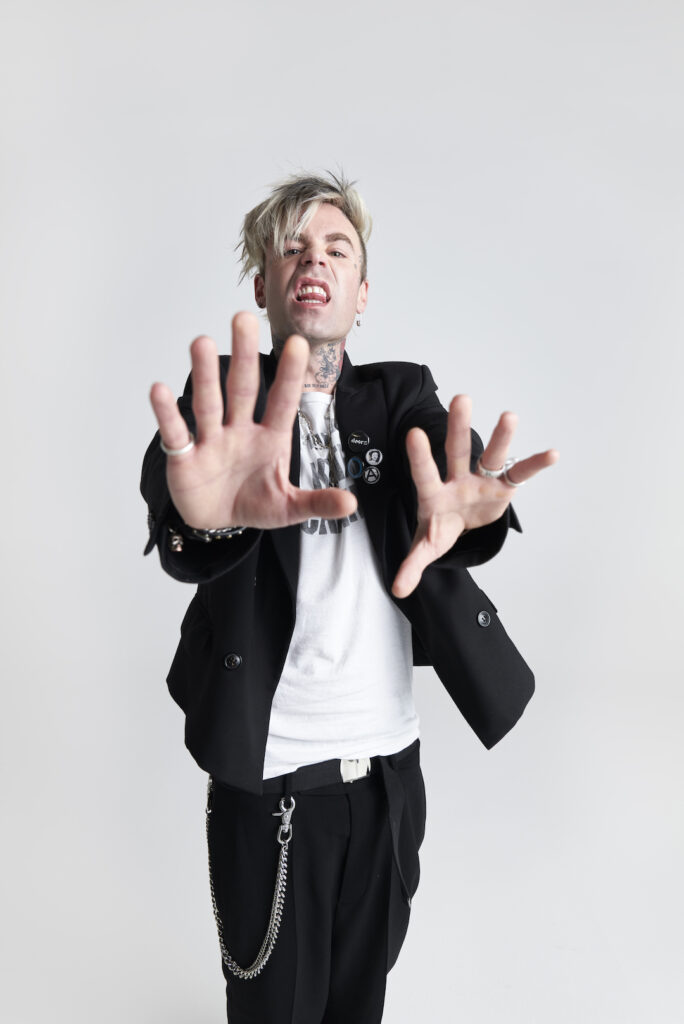
Captured by Frida Marklund
L: So, you released your single, Prayer, back in January, and now you’re releasing I Thought This Story Wasn’t About Me . How have you been spending your time between now and then?
T: Oh my God. I mean, it’s been a tumultuous year for me in many ways, but especially emotionally. I had been working on this music for two years, and I started releasing it in January, and the process of releasing the music turned out to be so emotionally overwhelming to me in a way that releasing music has never been before. I’ve always kept, you know, like, healthy distance between myself—my feelings, my personal…myself, me as a person, and the work that I’m doing. But something about this album… it turned out to be completely impossible to do that. The record, this music, this story, it all comes from me. It’s all my fears and my experiences and my life… that is what it is. And I mean that maybe that doesn’t sound like it should come as a surprise to someone who writes. But to me, it really did. It’s been different. It’s really different from anything I’ve experienced before. So it’s been a wild year for me, releasing this music.
L: Why do you think this project was just so much more vulnerable, comparatively?
T: I think it’s really interesting because when I started writing this album, I decided really early on that I wanted the process to be different than it had been before. I wanted the creative process… I wanted that space to be completely free from any judgment.
You know that there’s this quote by Tyler, the creator of like, “create like a child and like a scientist.” I think that that’s perfect. I really wanted to create an environment for myself where I could just be and not think. Not use logic, not try to rationalize anything into being, just fish out what the universe gives you and go with it. And the incredible thing is, I’ve never had more fun. The process has never been easier for me, ever, and I’ve never been more pleased with the outcome. And I’m even more overwhelmed by the outcome. Because when you do that, just using your intuition, you’re using your full capacity, like—you know, because you write, you’re a creator too. When you get into that flow state, you just go. It’s you, you connect to the collective consciousness—
L: You feel like it’s almost coming straight to you because you’re just going with it. You’re just saying yes.
T: Yeah, and like your rational thinking, you can never come up with something more interesting or more true than what you intuitively will just do because when you just use your intuition, it’s all your life experiences, all your dreams, all your skills that you’ve accumulated up until this point. It’s every little impression. The brain is such a…there’s so much information in there that we can access, but through just going with it and relaxing and not inviting fear or judgment into the process, you can create so much more freely and so much more honestly.
L: You can create more organic material a lot easier.
T: Yeah, It’s incredible, I think by doing that, I wasn’t necessarily thinking about what I was writing, what it meant, where it came from… it just came. I felt like it was important. I felt like I needed to keep going down this path because it’s so interesting. I need to stay here. I need to keep going. And down the path, the music started to reveal its true nature, even to me, because I hadn’t reflected on it. I hadn’t decided that it was going to be this, or it was going to be that. It started revealing itself and it’s like magic. I’m so happy that I am discovering this way of working.
L: I noticed in a previous interview of yours that you said that you had quite a lot of control over the sounds and instruments that were used in the recording, which is to say, you used no sampling, you just wanted whatever was organically used in the moment to be used. What was the choice for the limitation? Like, what led to that?
T: I feel like today, there are endless limitations, and I don’t know anything more… like…soul crushing is too strong…but, nothing gets you out of the vibe more than—if you’ve ever been in a studio, you will know, the sound of somebody going through a library of different drum samples *does drum sounds with her mouth* trying to find the right one. Like, the sound of endless choices. I picked up meditation a few years back, and this old lady who’s, like, the coolest person I’ve ever met, and I feel like she has the key to all the wisdom in the world.
I was like, how? How do you get this thing done everyday? I don’t understand. But what she said, in Swedish, would translate to “limitations give you freedom.” And I feel like that is very true. By eliminating choice, you’re free. You can be at peace and just create. and so that was a choice to give myself more freedom. It might sound contradictory.
L: It makes total sense because it’s just one less decision you have to make.
T: It’s like a thousand less decisions you have to make.
L: It’s like you’re trying to figure out the color palette to a painting and you know what you want to paint.
T: Exactly like that. Exactly like that. Because you can’t scroll through at all with every new move.
L: No, that makes perfect sense. I do want to ask..and I hate to bring this up in the conversation of art because I totally get it. But do you feel like part of it has also been influenced by the rise of artificially made things?
T: *Laughing and nodding*
L: The elephant in the room.
T: Yes.. I mean I feel like everyone I know who creates things is turning more and more towards expressions that are unquestionably human. Like, in this time where you can’t trust a single image on the internet. We long for proof of life behind the things we look at and listen to. So I think, yeah, I think that’s very natural right now.
L: Craving genuine… I don’t want to say mistakes, but with the organicness of human-made things, there’s going to be rough edges. Do you feel that was part of that? You’re trying to include less perfection more “this is this is what I am, this is what I do”?
T: I mean, I always…I’ve noticed this about myself that I’m usually more inspired by a very rough demo than a perfectly finished production. Because there’s something about the unfinished thing, the rough around the edges, that makes the person behind it and the intention behind it, very obvious. And what I would try to do through the things I make is communicate with the person on the other side. And when you can feel the person on the other side, when you can feel the creator behind it, the communication becomes easier, I think.
And also when when every single blank space isn’t perfectly filled out, that also gives the receiver space to fill in the blanks themselves to actually insert themselves, their own lives, their own experiences, and I think that people tend to think on those lines more in visual contexts, like with movies and with images and stuff. You have to leave negative space.
L: Things up for interpretation.
T: Yeah, you have to leave things in the dark for the viewer to find the image appealing, like, oh, what’s out there? What’s hiding in the dark corner? But music is the same. You don’t want every single thing to be spelled out to you perfectly. You have to leave some room for someone else to step in and live their own life with it.
L: What do you think you had to push yourself the most on with this album?
T: The mixing was, I think, the most challenging part for me because we had such a strong idea of what we wanted the album to sound like…A lot of the music was at least, from the ’90s and before that, and pushing the mixing engineers to l leave out enough base and have it be… a different sound, than what you’re so used to hearing today, that was a challenge. But I think we succeeded, and I’m very pleased with that.
L: Do you feel like when you’re making things you’re making for the sake of expression, connecting with other people, or for healing something? Or maybe a mixture?
T: I mean, I already told you that it is for connection, but in this case, it’s also for healing. I’ve noticed this album is part of a bigger journey that I’m on in my life. It is a healing process. I’m doing all of the things. I’m studying to become a biodynamic gardener because I believe in living life differently than I am right now. I am going to therapy every week, sitting there crying and talking about my childhood. It’s a longer journey that I’m on and a healing journey. A journey of learning to be more forgiving and accepting of myself. And this album is part of that.
But it’s also communication, and it’s also expression because I feel like it’s your job as a person living in this world to try to express your point of view as much as you can because everyone can’t do that, and the more people who express their point of view, the more other people have something that they relate to and that they can connect to. And it’s so important for us to have art that reflects our lives and that makes us feel seen and makes us feel important. The first thing that they take away from you in a fascist society is the arts. We don’t want people to express their truth. So expressing your truth…you have to do that if you have the capacity to.
L: You’re studying… What’s the name of your… bio…?
T: Biodynamic gardening.
L: Biodynamic gardening.
T: It is…It’s like organic, or regenerative farming, but times 100. It’s just more. And there’s a little bit of witchcraft in there.
L: Okay, yeah. I think we need a little bit of that.
T: Thing is, I like my facts. Yes. I love them. But I feel like it’s been a really good practice for me to be in this environment where everything can’t be explained by a study. Some things they do there…There’s no real good explanation as to why it works, but it does. And, where I go to school, they grow the best vegetables in all of Sweden. The nicest restaurants buy their produce from there. Their tomatoes, they taste like mangoes. I don’t understand it. But there’s some magic there that’s just incredible. And so I’m there trying to soak up as much of it as I can.
L: Do you feel like being exposed to this space has majorly influenced the themes of your most recent album?
T: It has. It really has.. I… I feel very deeply that we as a society, not everywhere, but in the Western world and in a lot of places…We’re doing tremendous harm to ourselves by cutting our connection to nature. I mean, as humans, to feel good and balanced and at peace with yourself and with your life, what do we need? We need to feel like we have purpose. We need to feel like there’s a reason for us to be here… and context. And our original context is nature. But what we often do is we put a splinter in between us and nature, and we even talk in terms of man versus nature. That’s such a destructive way to look at it, because that’s our original context. That is, if you look at yourself in your original context, your life already has meaning. It already has a purpose. You don’t have to start up to be valuable. But we built a society where you have to earn your right to exist, and that’s just wrong. In nature, you just exist.
L: Yeah.
T: That’s all you need to do. You’re doing everything you should be doing by just being here, by just living. And that’s amazing and that’s extraordinary. So I think, healing that connection to that original context is important.
L: Do you feel like you’ve reflected on this quite a bit since you’ve had your daughter?
T: I mean, having kids… it flips your whole life upside down. It’s crazy. But I think, like, the main thing when it comes to the work you do is that becoming a parent shuts out all the noise. Like all the noise disappears. I feel like I’ve had so much more clarity since becoming a parent. I don’t know what I did with my time before. I had so many hours in a day and I didn’t know how I spent them but now I feel like I’m on a mission. I have this focus. Like I just know I have this many hours. There’s not that many hours each day, but I will use them, and I will know exactly how I want to use them. And that’s a really big gift. Like, you tune out the outside world. You stop caring. And that’s good for creating things.
L: So having your daughter has really helped you creatively then.
T: Yeah, yeah, definitely.
L: That’s a really wonderful take on that, because I feel like it very often, I mean… I was almost not going to ask about your daughter in this interview because I feel like all too often whenever a woman has a child, we just suddenly are like, “how’s your kid? How’s being a mom? You’re just a mom.” But that’s actually really inspiring to hear that you feel, if anything, it’s taught you a new way to adapt. Do you think that you are just a naturally adaptive person and that’s why you’ve been able to switch your style quite a bit? Or do you feel like that’s the thing that positively influenced you to the point where you can better guide your time to create what you want to make?
T: Yeah, but I think that there are people who are able to do that without kids. But I wasn’t appreciating my time enough before I became her parent, so it definitely meant a positive change for me creatively. And my partner is the same as me, because she’s also a musician. We have a band together. When you don’t have endless amounts of time, it becomes so clear what it is that you need to do. You run to the studio after leaving her daycare and it’s like, “oh, I have to get all of this done before three o’clock.”
L: It’s just like your limitation with only recording live tracks.
T: Yes, truly. I believe limitations are great.
L: I believe I have one more question. What do you want people to have in mind when they listen to your album?
T: Oh, I would love for them to really take a moment, really take their time with it. It is an album, but it’s made up like a story. It has an arc. The music, the songs…they flow in and out of each other. And I made it because, to me, it’s a whole movie in my head and my mission was to make the score for that movie. And to make it in such a way that it would be suggestive enough, but also leave enough space for the person who hears it to make up their own movie in their head. It’s like, “here, here you go! This is your soundtrack to the story that you need to tell yourself!” And so I would love it if people could really sit down, take their time, whether it is on your 50 minute commute with your headphones on, or if that’s at home with your record player, lighting a candle at night—whatever kind of sacred little moment that you have for music in your life, use that moment, listen to this album and, when you get to the end, make sure to listen back, and loop it so that you can listen on the outro, back into the intro, because it loops.
L: It loops?
T: Yeah.
L: That’s so satisfying.
T: It’s so satisfying because, I mean, the whole album, it is about one night, from sun to dawn. And we were on this journey with the inescapable threat of dawn just raging at you, you know? And then when it comes, it all loops back again. It is a metaphor for life or being in a crisis, and looping is also a way of saying that life is a line you never get away from because you can never escape yourself. You can never escape your problems. You will keep dealing with the same shit because you’ll keep being the same person. But it’s not a straight line, it’s expansion. And also, like with every good album, you keep discovering new layers every time. So that’s also a little declaration of love to the album format and actually listening more than once.
L: Yeah. All right. Well, that wraps up all my questions.
Thank you for your perspective on AI, by the way. It is so exhausting. I can’t even look at memes on Instagram without reading something written by AI. And I’m like, I don’t care about this.
T: No, no, no, I know. It drives me crazy. I can’t use Pinterest anymore.
L: No, you can’t. It’s in everything. It’s unusable.
T: I want there to be, on every app, every single app—I want there to be a button where I just opt out. I don’t want it. I don’t want the text. I don’t want the fucking list.
L: And you can tell every time. You can tell every time.
T: No, it’s like…I also feel strongly about how here’s already too much information.
L: And now we’re getting so much wrong information.
T: There’s so much wrong information. There’s so much art that nobody cares about. There’s just so much white noise, so much stuff that just wipes out everything else. And it’s such a shame because people are writing beautiful things, making beautiful things. And also, another thing… I hate it that everyone, every single person I know… it’s like you stop trusting your own brain’s abilities. Your brain. It’s like people start checking things with the checking key or the other one, I keep forgetting what it’s called… as if you didn’t go to school, learn basic writing. Like, you can write an email. You can write a press release. It’s not hard. Like, it’s fine.
L: It’s so okay if you have, like, a spelling error. Like, it’s cool. It’s cool. You know what? I prefer it at this point. I think it’s a matter of people being so scared to be actually vulnerable and by showing your earnest work, it is vulnerable.
As our allotted 40 minutes on Zoom came to a close, I asked her to write me a logline for the movie she pictured in her head. She emailed me the following after our interview:
Okay so imagine this read by Don LaFontaine over an amazingly cheesy trailer that obviously starts with the sun setting over a big city in that old shaky VHS quality we all know and love.
”Between the dying light and an unfamiliar dawn, this story becomes impossible to escape.”