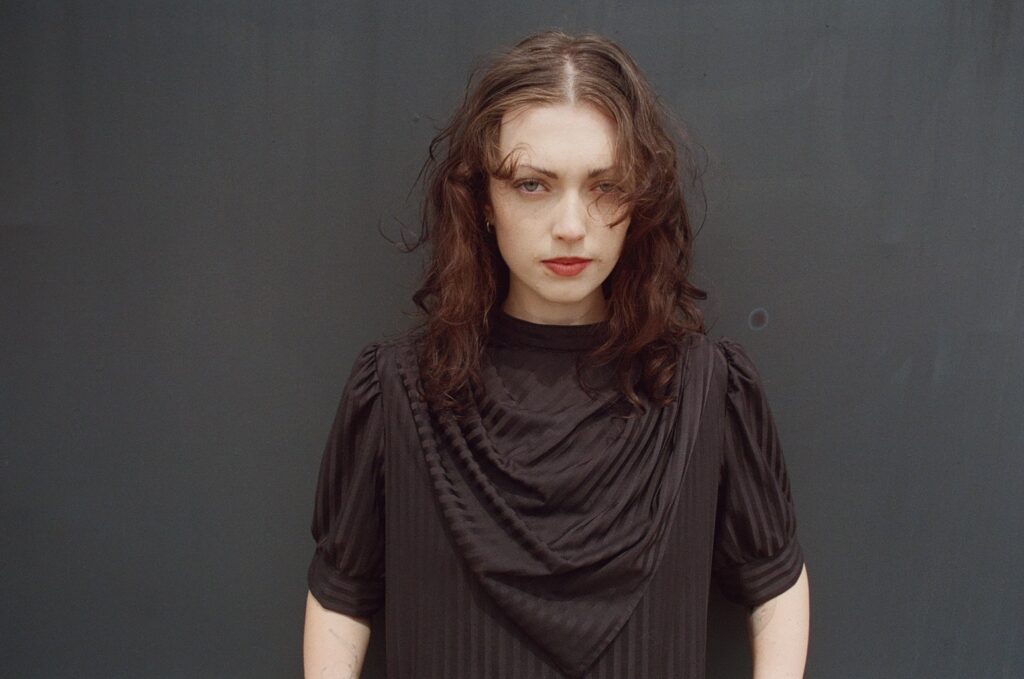
Zeph Defines the Discomfort of Being Too Self-Aware Through New Music
The Maryland-born, LA-based alt-pop artist who grew up on film scores and taught herself to
produce opens up about “composure,” sad songs, and the deeply self-aware album she’s bringing in 2027.
By Jillian Cote
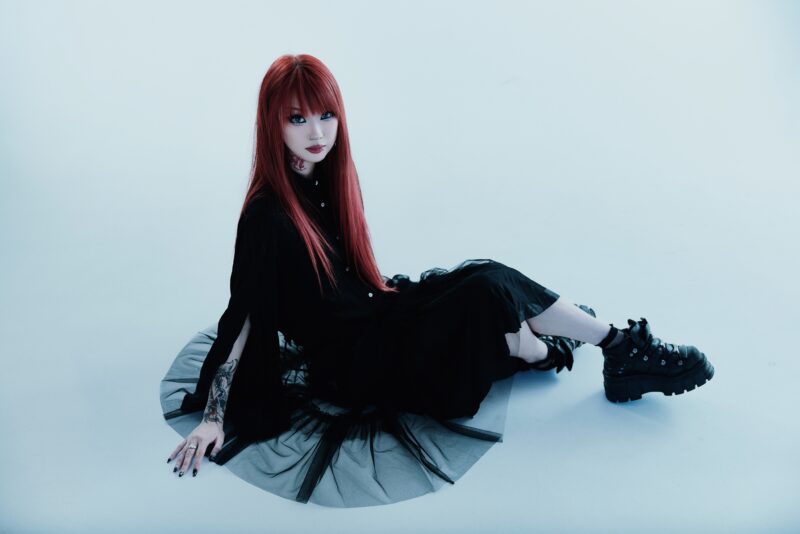
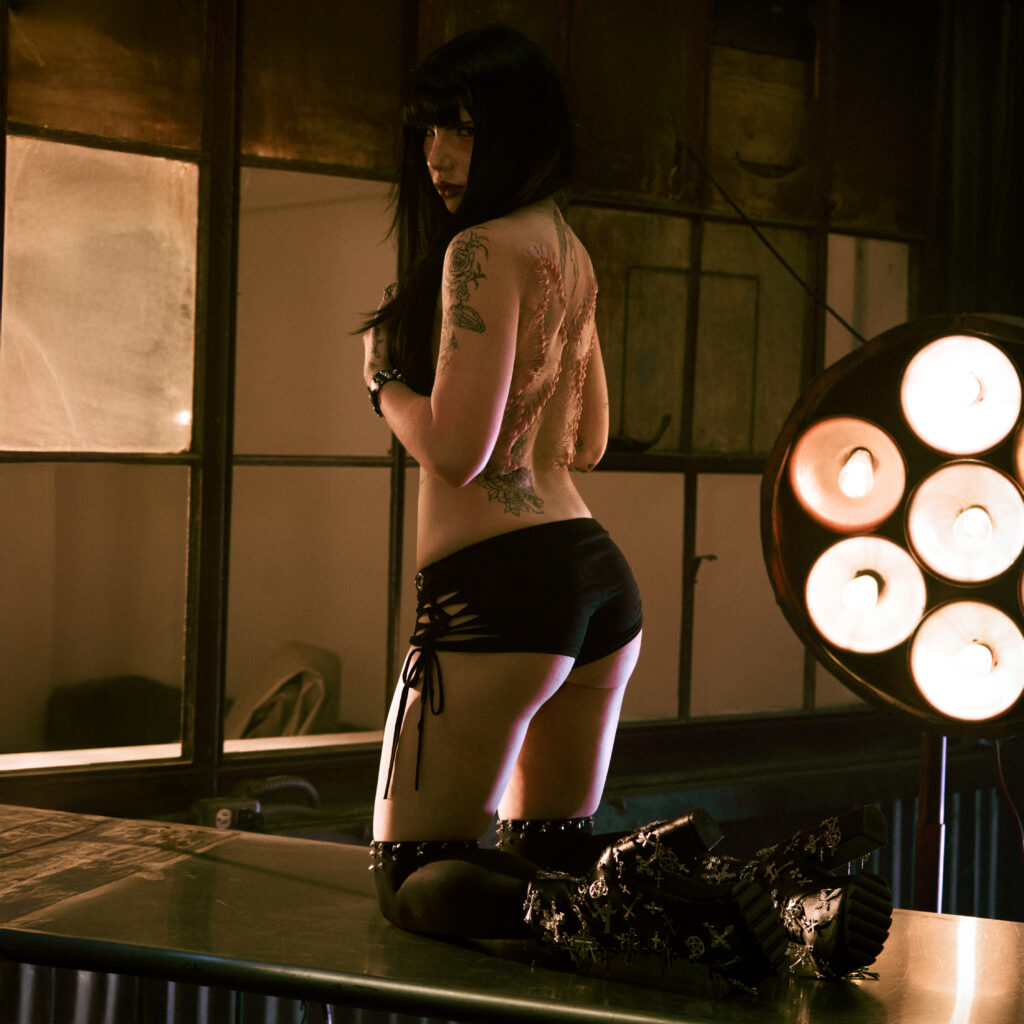
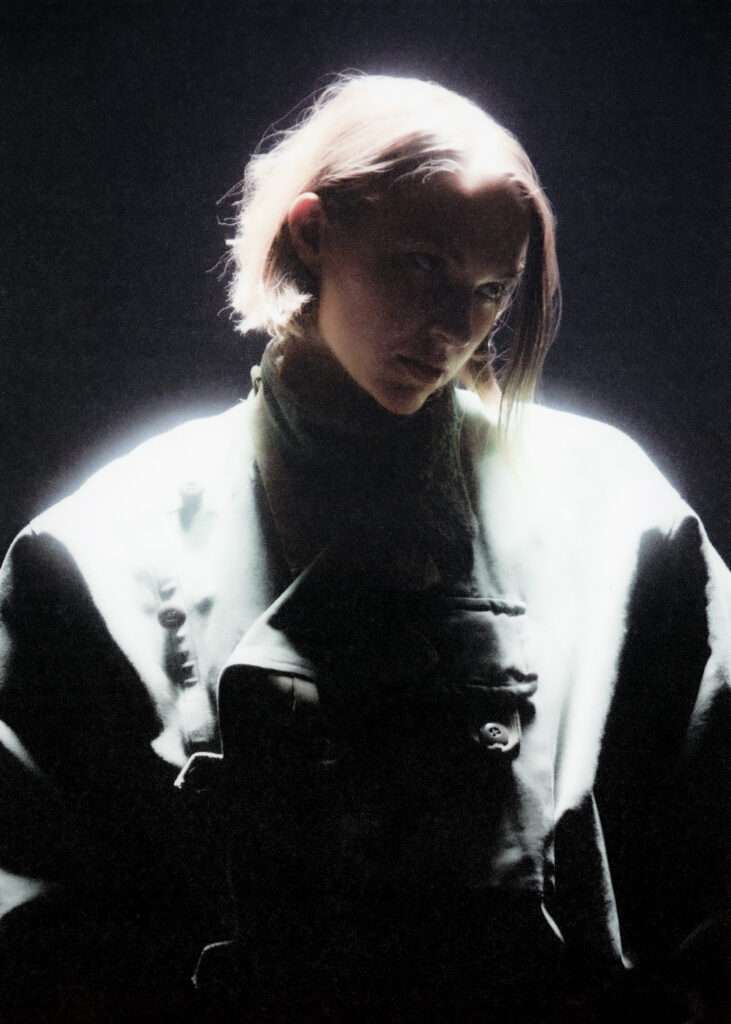
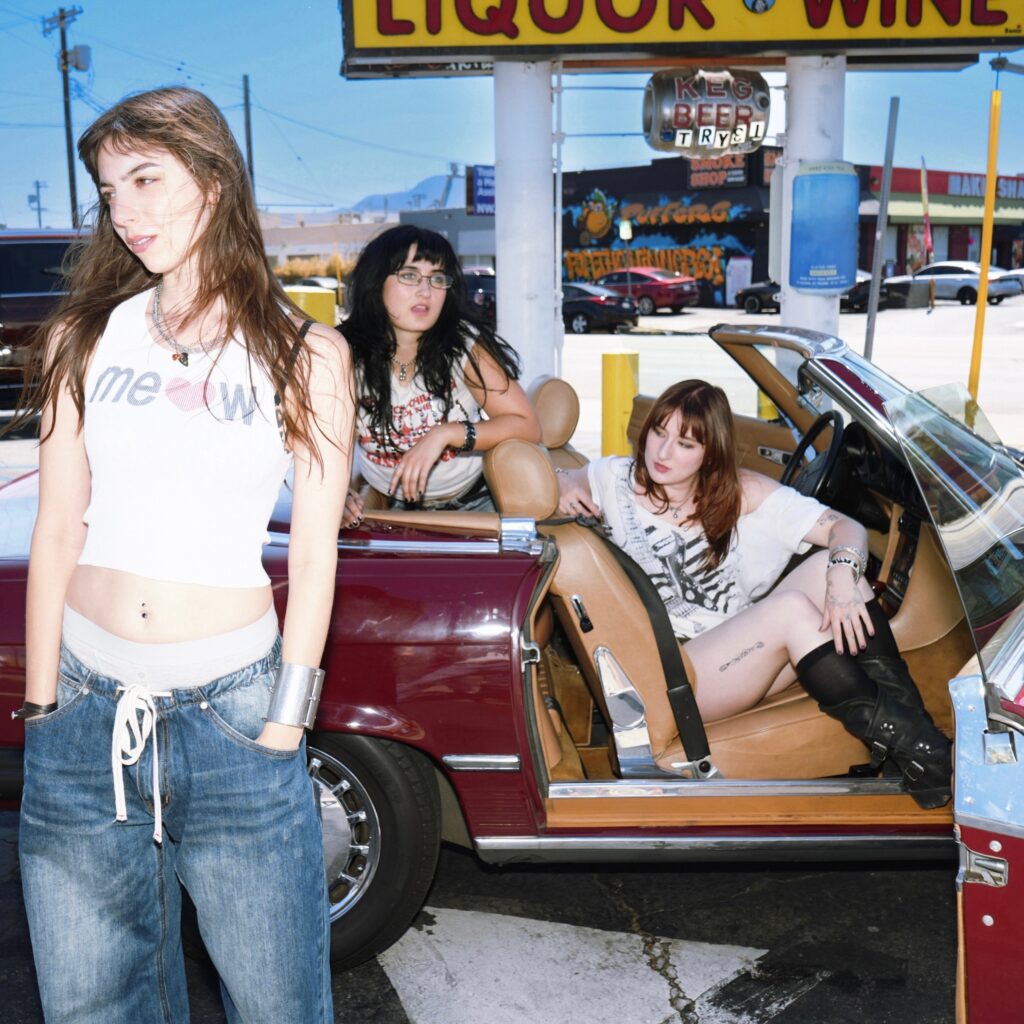
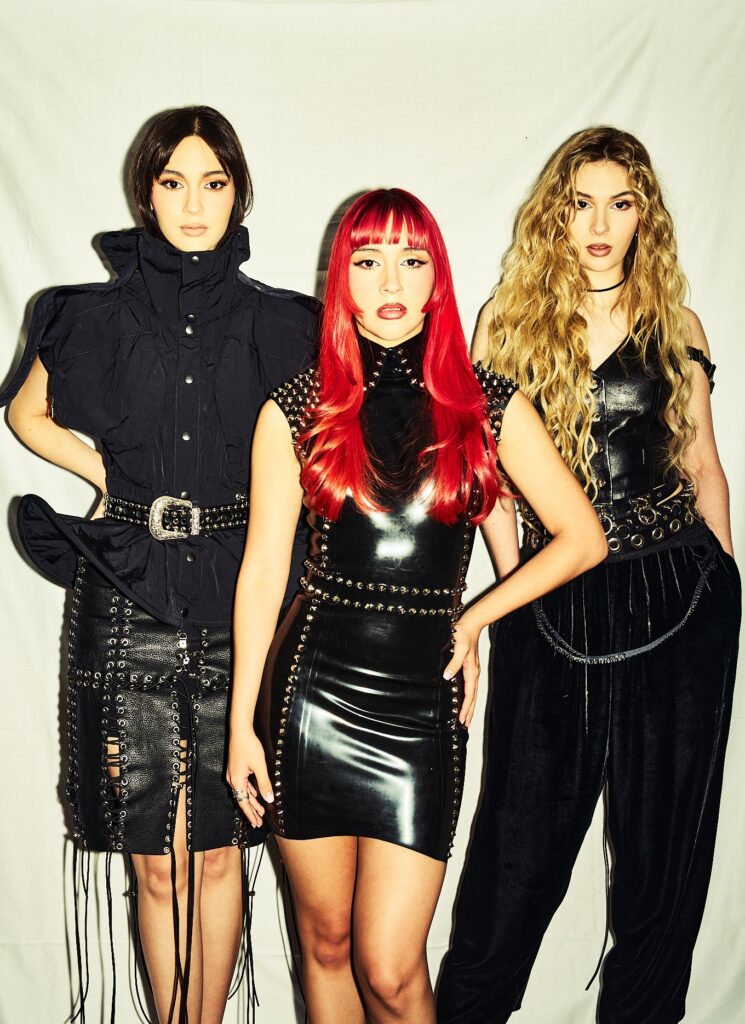
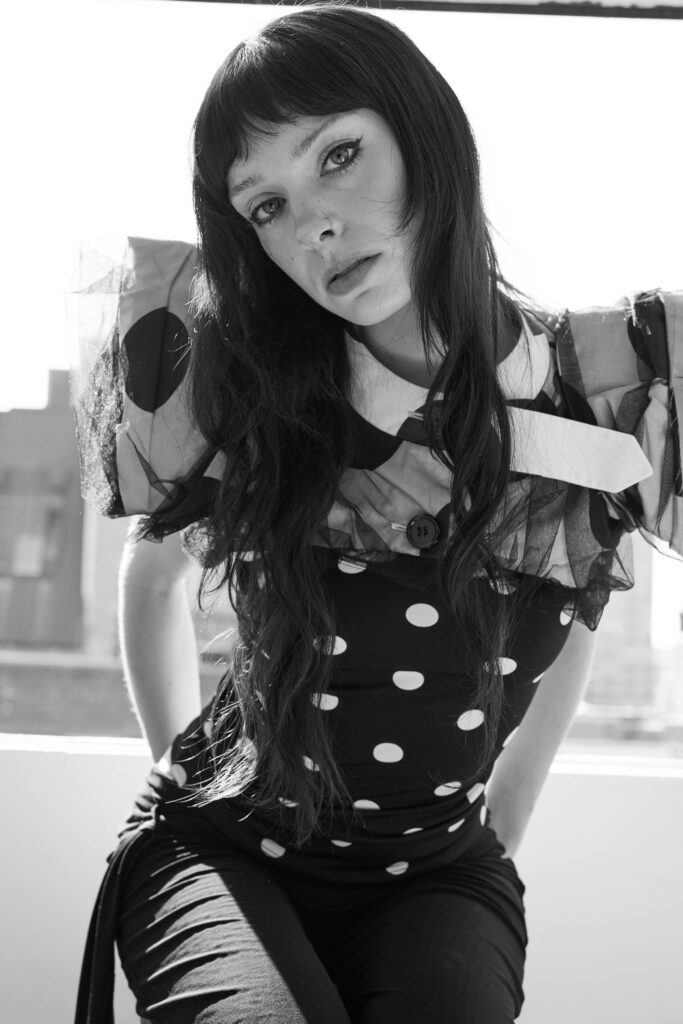
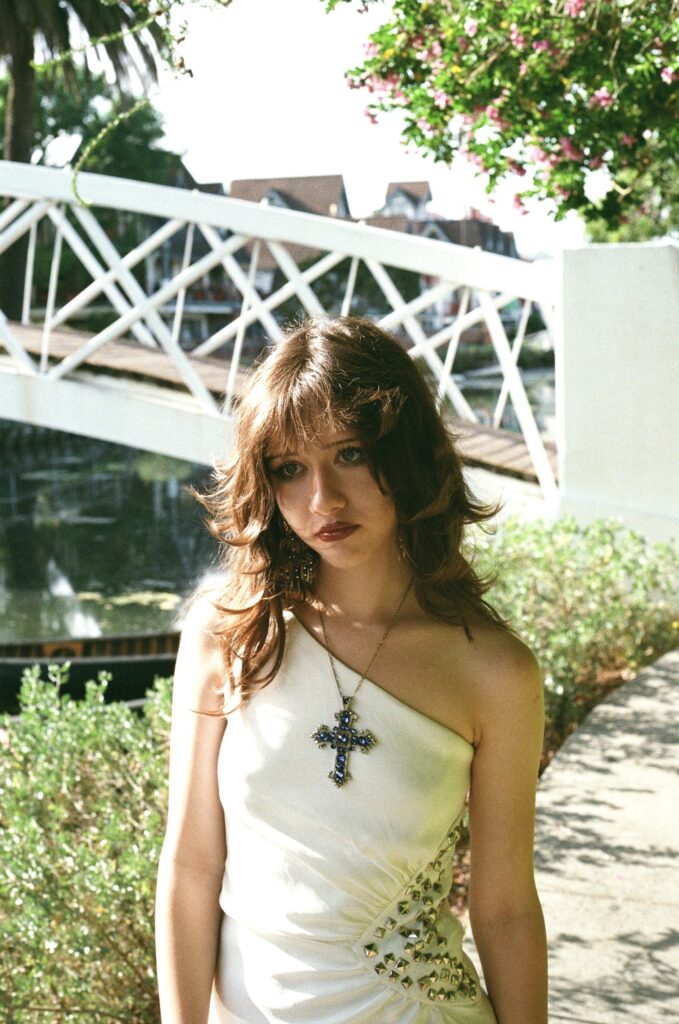
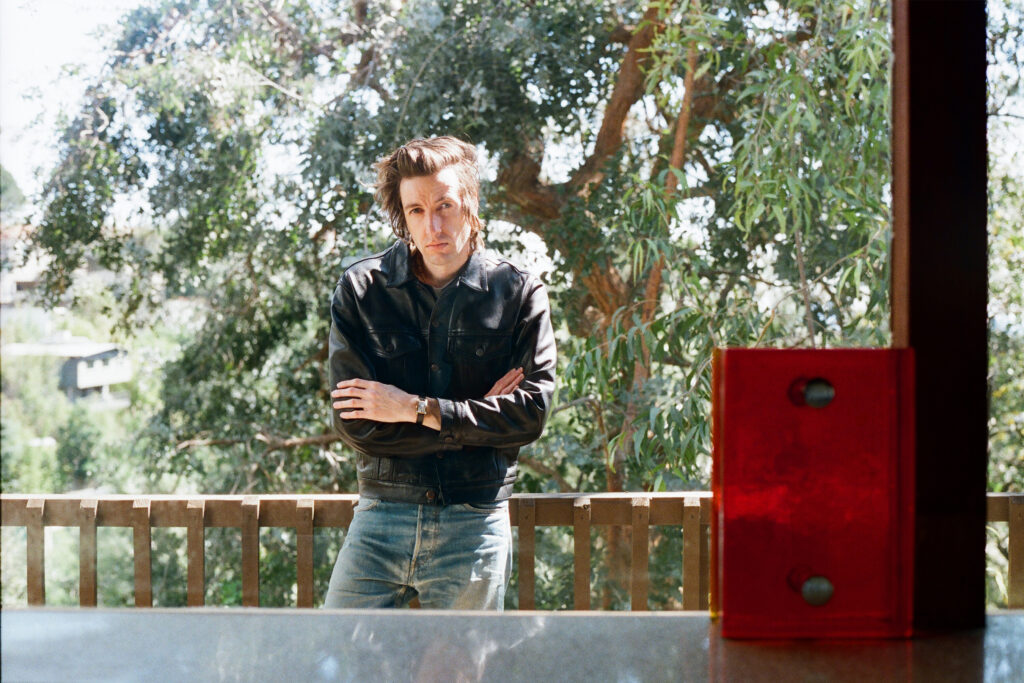
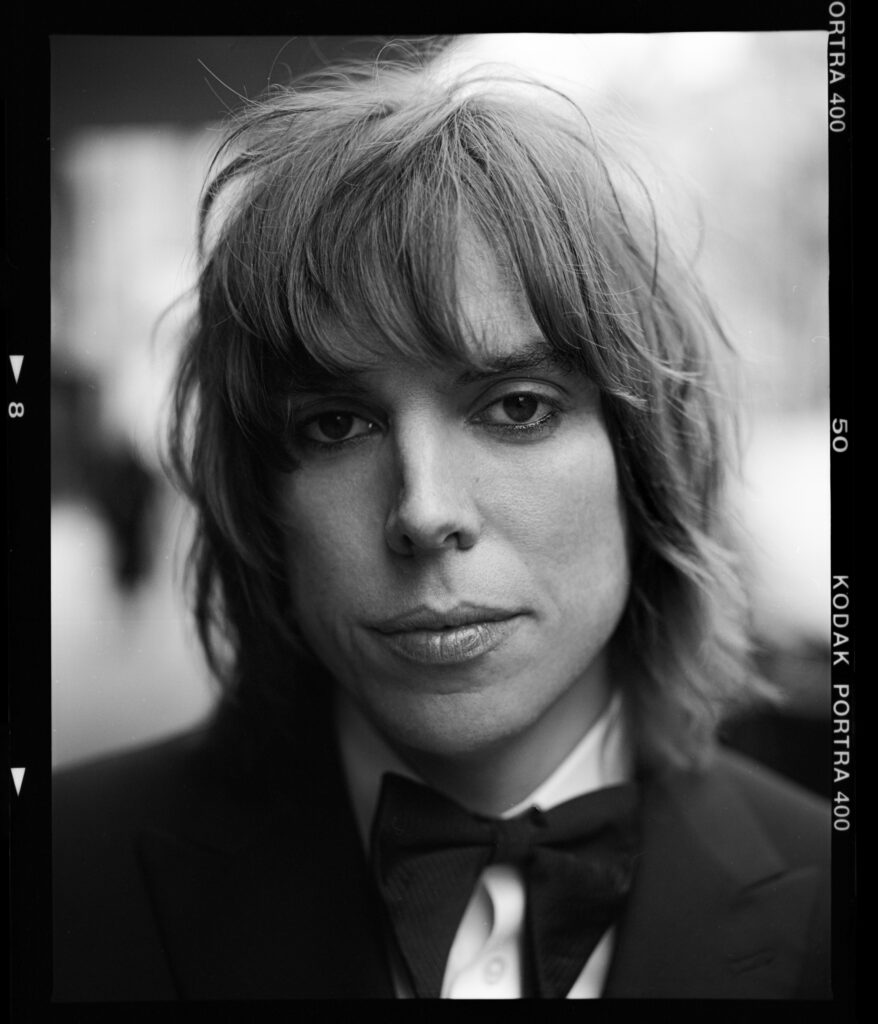
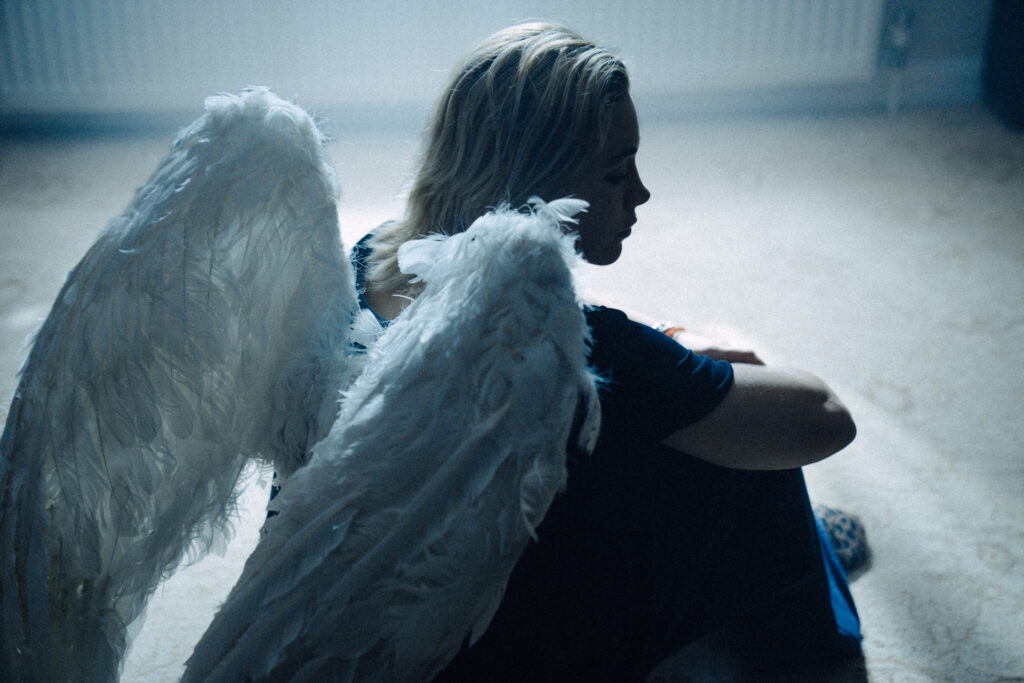
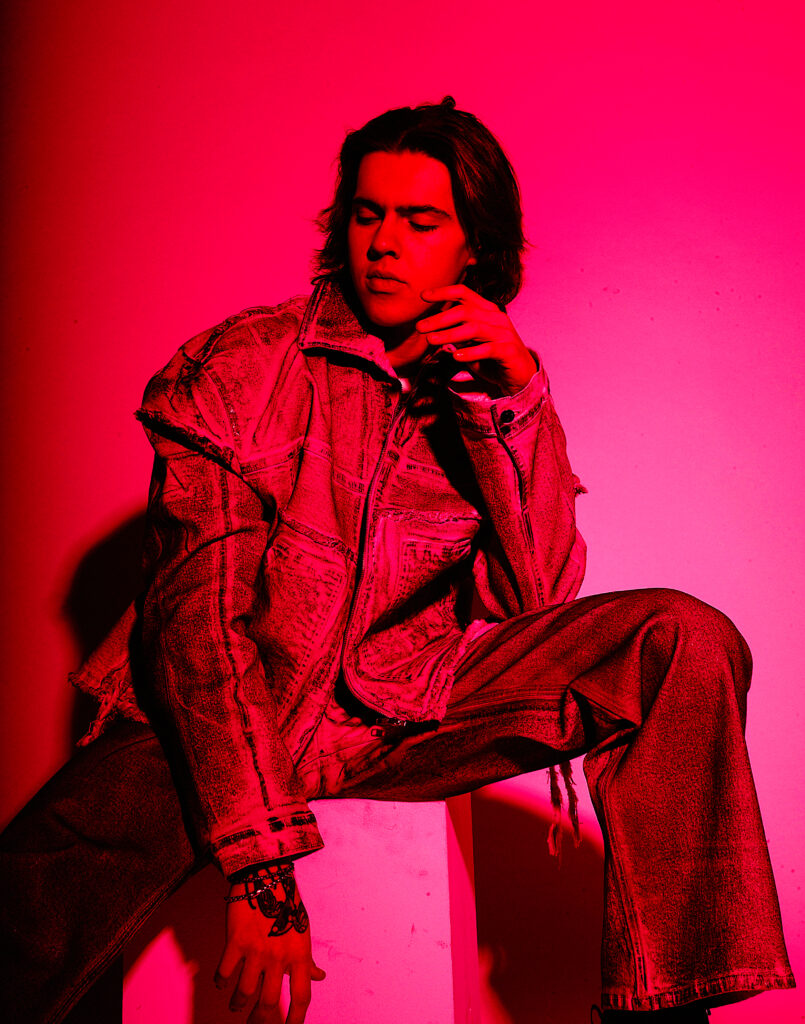
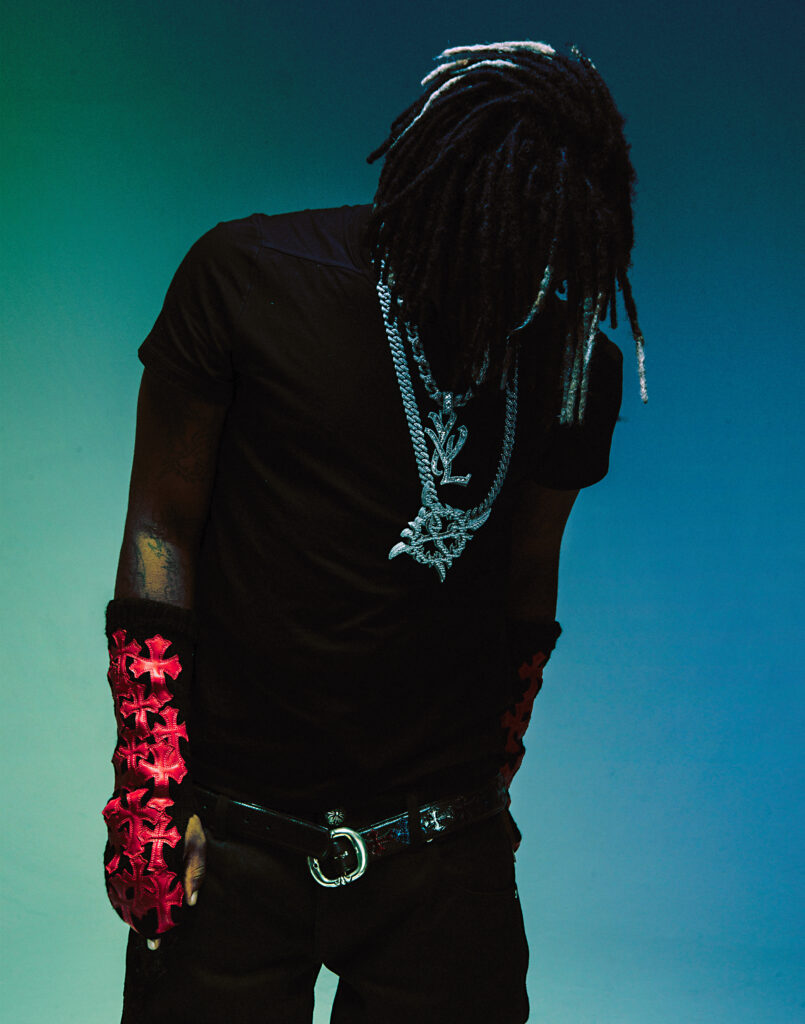
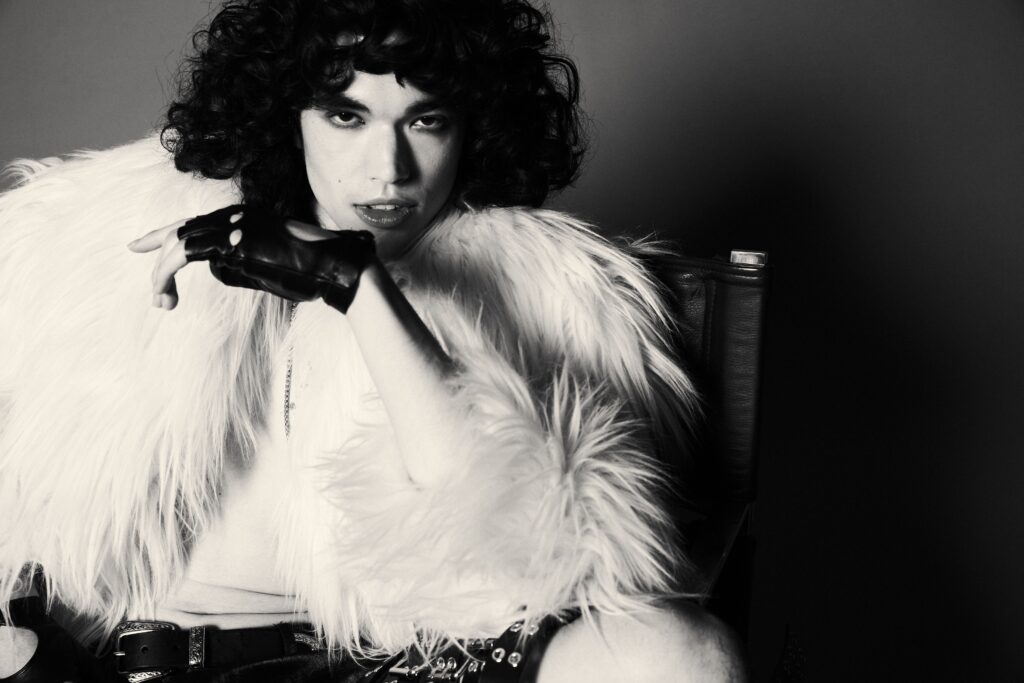
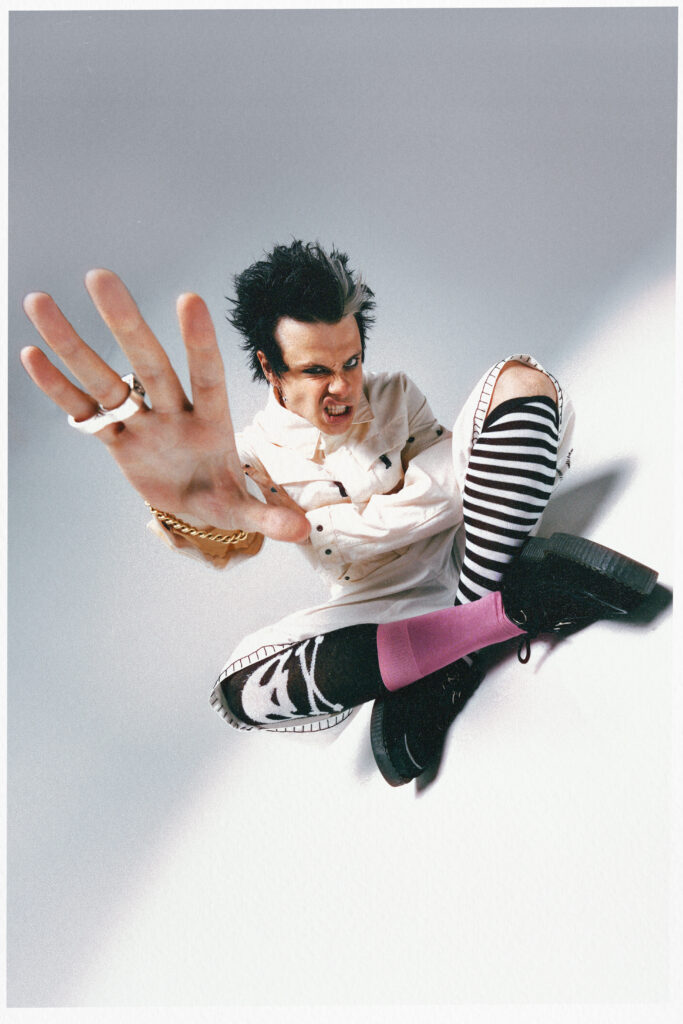
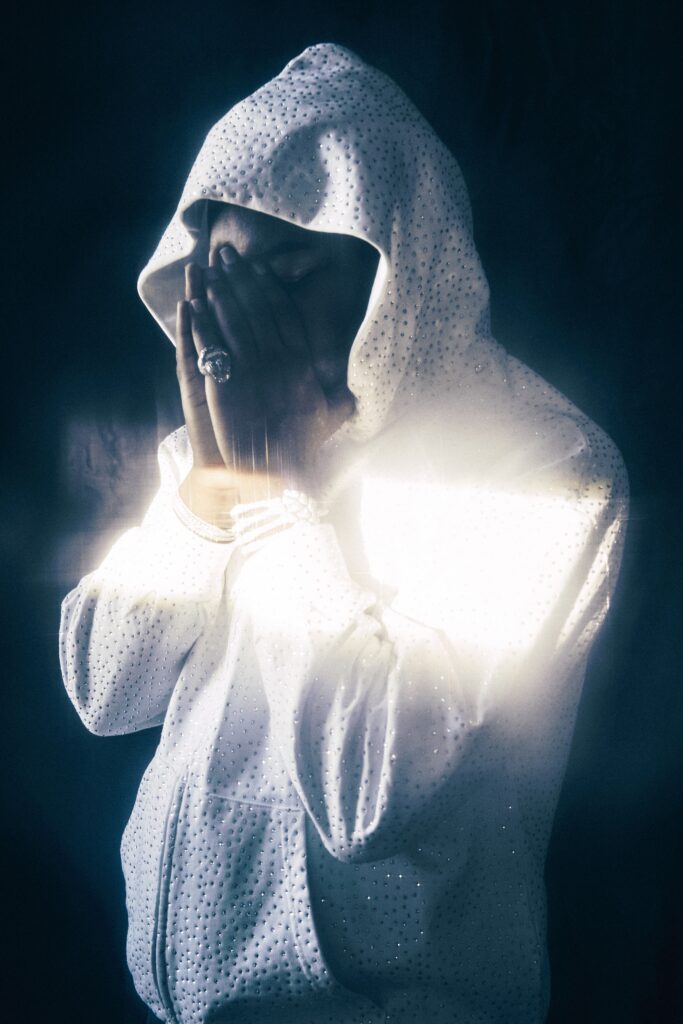
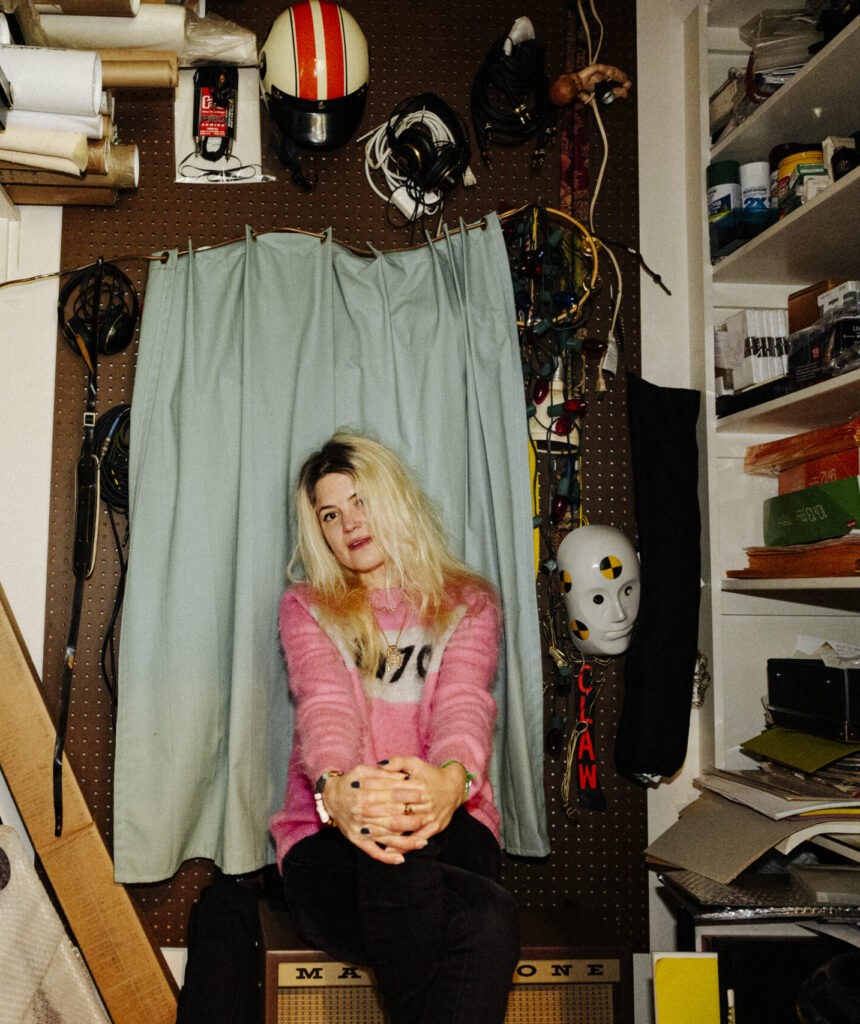
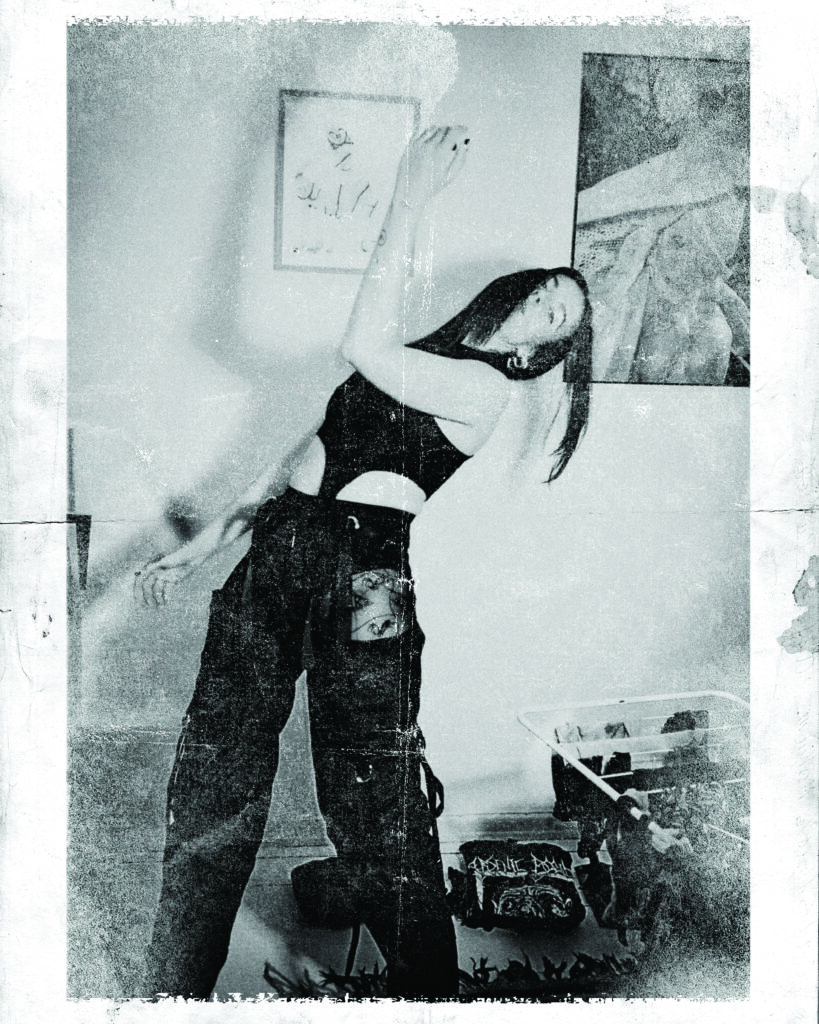
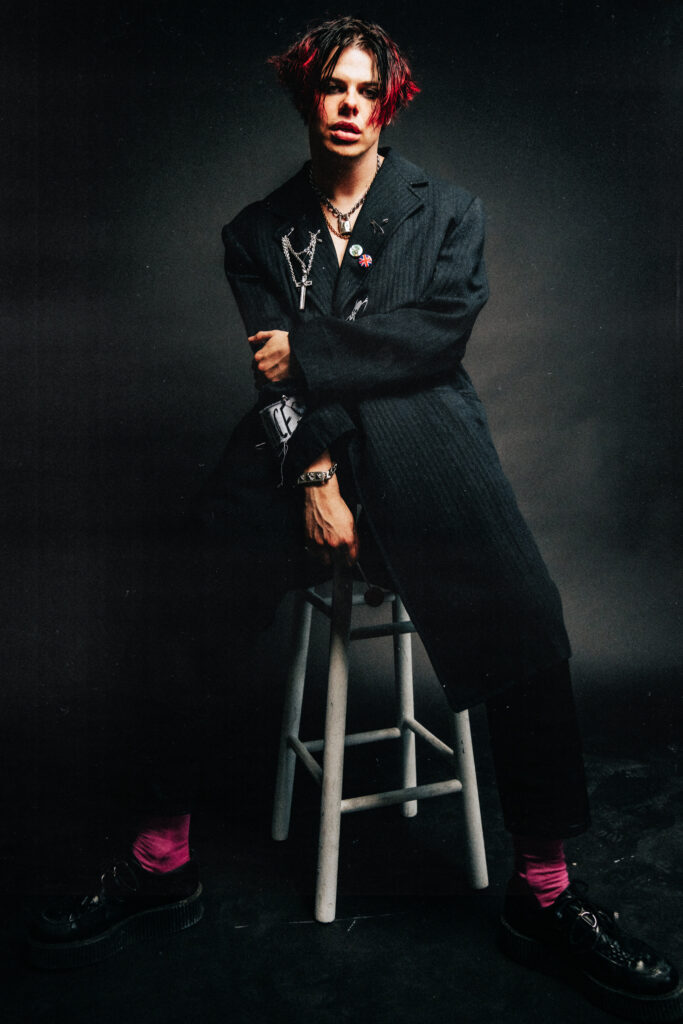
Captured by Le3ay (@le3ay)
There’s a unique discomfort to becoming overly self-aware. Think too much about your breathing patterns, and suddenly each inhale is a manual process. Focus too keenly on your eyelid movements, and now each blink feels forced. This feeling is exactly what alt-pop singer, songwriter, and producer Zeph hopes to share with her audience through her new music.
“I wanted [the new music] to make people feel the physical uncomfortableness of being self-aware, because that’s how I feel a lot of the time,” Zeph says. “Mentally, that’s what I put into all the songs that I wrote. I wanted people to not only hear it, but also feel it.”
Releasing new music provides a fitting example of a time when Zeph feels that hyper-awareness. When asked about how “composure” release week has felt so far, she responds with candor: “I’ve been anxious about it, but I’m anxious for every rollout. I’m excited that it’s finally out. I’ve been wanting people to hear this song for a long time.”
“composure” was released shortly after “don’t let go til you hate me,” building momentum toward her new studio album, due in 2027 via MDDN Records/Atlantic Records. Her first album, character development, arrived in 2023, following a run of EPs and singles that began with her 2021 debut EP, scared of everything. Each project has marked a meaningful step forward, and Zeph is eager to move into a new, more mature sound.
“[My new album] is a more in-depth, more dark, more mature story than character development,” Zeph explains. “First, the baby was my scared of everything EP, and then it was character development. This is the adult version where I go really in depth… It’s very dark in a lot of places, but there are some fun ones.”
A darker motif makes sense for Zeph, who has mentioned that songwriting is her preferred method of coping with negative emotions. She doesn’t necessarily buy into the “tortured artist” idea that art requires suffering; she just can’t write any other way.
“I don’t feel like I have anything to write about unless I’m feeling some sort of way. All my songs are either sad or yearning, because I don’t know how else to get those emotions out,” she says. “I’ve tried to write happy songs, but they always end up sounding corny to me. In those moments, I’m too busy being content, but when I’m sad, I’m like, ‘I have nothing better to do than wallow in it and dissect it.’”
If Zeph’s songs fall somewhere on a scale of depressing-to-yearning, “composure” finds itself on the latter half, providing one of the more upbeat moments on the upcoming album. The song sounds like a conversation replayed a hundred times, words tumbling out in uneven bursts over glittery, cinematic production, circling a connection that never quite happened. For her, the creation of this song was a way to finally let the conversation end.
“Once I get my feelings out into words, it’s really satisfying for me. I’m like, ‘Oh, I don’t have to keep thinking about it over and over again because it’s all laid out now,’” she says. “That’s part of the reason why I write songs, because it’s very therapeutic and it gives me some sort of sense of closure. If I wasn’t doing music, I’d probably be rant tweeting or something, which is embarrassing. I’m glad that I’m able to put it through a filter and make it into art.”
“composure” reflects on a spark that never materialized, while “don’t let go til you hate me” presents a relationship so strong that letting go feels catastrophic. Together, the two singles map different sides of a similar ache: the “what-if” to a beginning that never occurs and the “how-could-this-happen” to an ending that she’s not ready for. For Zeph, the feelings of “composure” are easier to grapple with, but with a catch.
“I think ‘composure’ is an easier heartache because it’s not like anything happened yet. You can’t be sad that something went wrong because nothing happened, but it does last longer because it never happened. It’s the ‘what-if’ that’s always going to be there,” she says. “With ‘don’t let go til you hate me’, it’s more the low-key spiraling era, where you worry that the relationship could start going wrong.”
Sonically, “don’t let go til you hate me” is one of Zeph’s most experimental tracks yet. Written and produced entirely by her, it buries her bright vocal under clipped, distorted electronics. It was the first song on the new album she truly immersed herself in, and the first time she let sampling reshape her sound.
“This is my first album where I learned how to sample, and I was put on stimulants, so it opened up a lot for me,” she says. “That’s why it sounds more complex and detailed. I went more in depth with every song. It’s a very new sound for me, but since I keep the orchestra and the strings that I always do, I think it’s still a very Zeph sound. There are some songs [on the album] for people who like my old stuff, and some songs that bring a new sound to enjoy.”
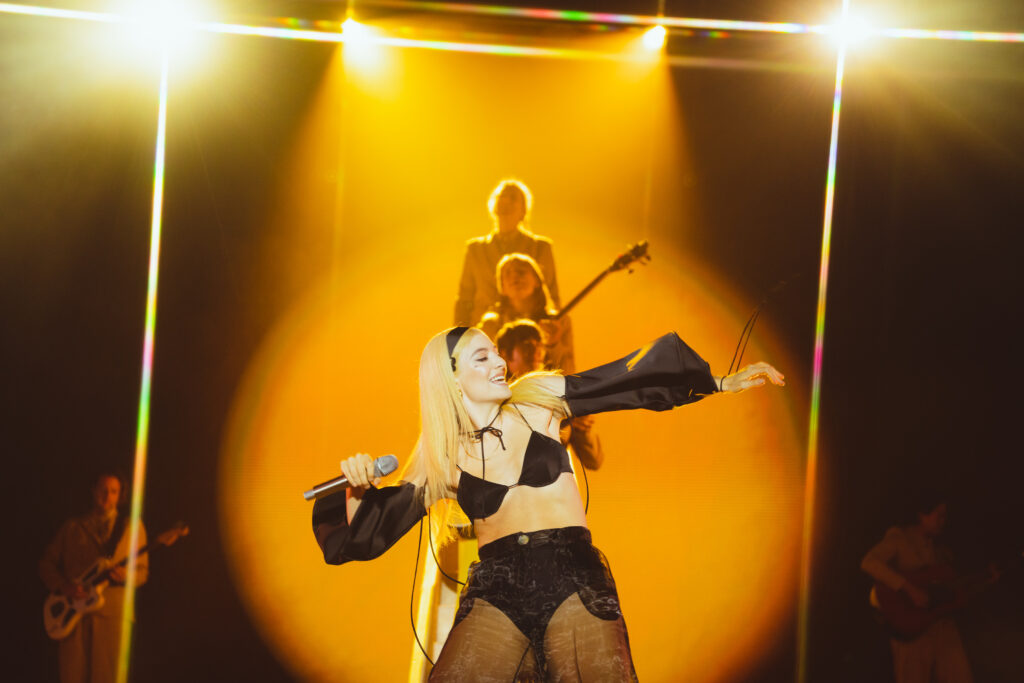
For many artists, new music may also lend itself to a tour. When asked about the possibility, Zeph expresses conflicting thoughts: she still feels too self-aware onstage, but she’s cautiously open to the idea eventually. In 2021, she opened for a leg of Waterparks’ A Night Out On Earth Tour, an experience that was equally nerve-racking and rewarding.
“Tour was fun, but I was so nervous. Every single time I was onstage, I could not stop thinking about how much I wanted to get off, and I still have really bad stage fright,” Zeph says. “Right now, I don’t know if I can see myself performing… I would have to grow more confident in myself first before I could do that.”
Outside of growing her confidence, Zeph remains steadfast in her original goal: just keep making music. She’s never wanted to be famous or “blow up,” just to be successful enough to be able to continue to do what she loves and be remembered for her art.
Even with that clarity, pressure finds ways to seep through every now and then. Festivals and award seasons yield moments where comparison to her peers feels like a natural train of thought.
“Sometimes it’s hard. I see my friends and peers doing all these things, and I’m not doing any of it, and I’m like, ‘Am I even a real musician?’” she admits. “It’s silly to compare myself because it seems so out of my league, but it’s so easy to compare because these are my friends.”
This raw honesty from Zeph bleeds into her music and is part of what attracts so many fans to her work. People feel seen in what she says — and, in turn, this support makes her feel grounded in purpose.
“Whenever I spiral, I read nice comments, and it puts me back on the right track. It brings me joy, seeing people’s stories about how my music has helped them through hard times, or how they recognize the small details that I put in the song,” she says. “I used to not talk because I thought that my words wouldn’t hold enough weight to matter, but now I’m singing, and my songs matter a lot to some people, which is really cool. It’s really cool that I get to do this for a job, and I just want to keep doing it, so I hope everybody likes my album.”
For an artist who once stayed quiet, there’s now an audience waiting on her every word. This new album has been a long time coming for Zeph, and fans are eager to hear new music following the two recent singles. If Zeph has her way, they’ll feel it, too.